
Sauces & Condiments
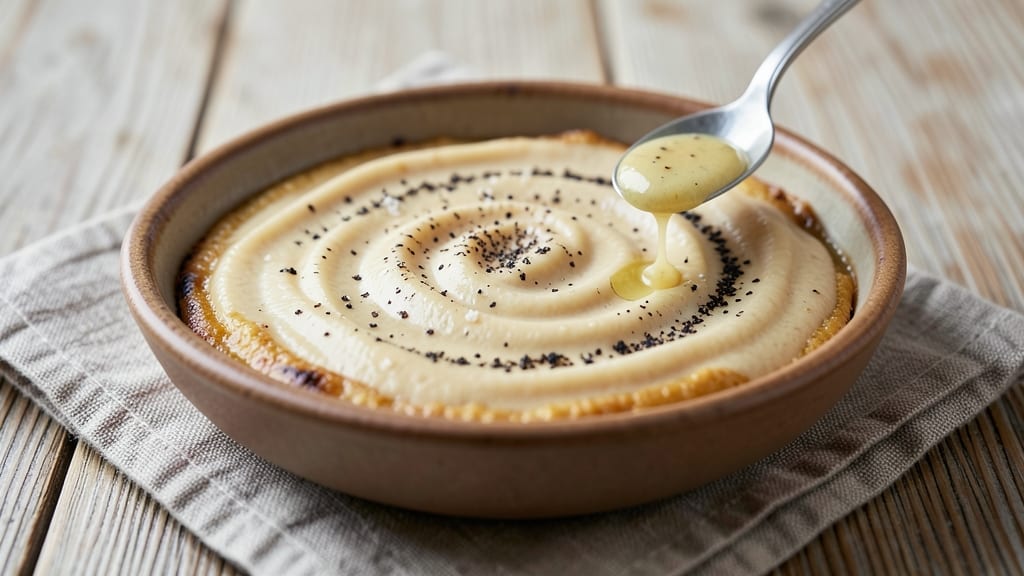
This classic bechamel sauce recipe delivers the velvety white foundation for everything from creamy lasagna to crispy croquettes. The secret lies in a perfectly balanced roux and gradual milk incorporation, creating a smooth, thick sauce that's foolproof once you master the technique.
I've refined this method over years of testing, ensuring it never breaks or separates—just rich, creamy perfection every time.
The process begins with equal parts butter and flour cooked until golden, forming the roux that gives bechamel its signature body. Warm milk is then whisked in slowly to prevent lumps, while constant stirring ensures a silky texture.
The result is a versatile sauce that can be used immediately or stored for later—just reheat gently with a splash of milk or cream to restore its smoothness.
What makes this bechamel truly exceptional is its adaptability. Use it as-is for pasta dishes or as a base for cheese sauces like mornay. The sauce thickens beautifully when cooked, then thins slightly upon cooling—ideal for layering in casseroles or drizzling over vegetables.
With just five simple ingredients, you'll achieve restaurant-quality results that elevate any dish.
Common uses include lasagna, macaroni and cheese, and creamy soups, though it works equally well in savory tarts or as a glaze for baked dishes. The key to success is patience—don't rush the roux or milk addition, and always keep the sauce moving on low heat.
This is the foundation every home cook should master for professional-quality results.
Ingredients for classic bechamel sauce
Five core ingredients create the ultimate velvety white sauce foundation.
| Ingredient | Amount | Notes |
|---|---|---|
| Unsalted Butter 🧈 | ½ cup | Cold, cubed for even cooking |
| All-Purpose Flour 🌾 | ½ cup | Sifted for smooth texture |
| Whole Milk 🥛 | 2 cups | Room temperature preferred |
| Salt 🧂 | ½ tsp | Kosher or sea salt |
| Freshly Ground White Pepper 🌶️ | ¼ tsp | For subtle seasoning |
| Nutmeg 🌿 | ¼ tsp | Freshly grated preferred |
| Heavy Cream 🥛 | ¼ cup | Optional for extra richness |
The butter and flour ratio is critical—equal parts form the roux that defines bechamel's texture. European-style unsalted butter like Plugrá or Land O'Lakes works best for its high fat content. If using salted butter, reduce the salt in the recipe. For the flour, King Arthur or Bob's Red Mill all-purpose brands sift beautifully, eliminating lumps. The nutmeg is non-negotiable; freshly grated adds depth that pre-ground can't match. I always buy whole nutmeg at Penzeys—it keeps for years and makes every sauce taste gourmet.
No whole milk? 2% milk or half-and-half works in a pinch, though the texture may vary slightly. Running short on butter? Vegetable shortening at half the amount creates a neutral roux, though purists will argue about the flavor. The heavy cream is truly optional—skip it for a lighter sauce or add it for a richer mornay-style base. For a dairy-free version, unsweetened almond milk with a splash of lemon juice mimics the acidity, though the texture will be thinner. The white pepper is subtle but essential; black pepper will darken the sauce—stick with the white variety if you want that classic pale appearance.
Bechamel thickens as it cools, so reheat with a splash of milk or cream to restore smoothness. Store in an airtight container in the fridge for up to 5 days, or freeze for 3 months. For best results, reheat gently on low heat—never microwave, as it can break the emulsion. I double the recipe and freeze half; it's perfect for last-minute lasagna or mac and cheese. The sauce reheats beautifully, though it may need a whisk to restore its silky texture.
Why You'll Love This Recipe
- I swear by this combo: rich butter, flour, and milk. That’s it. No fancy gadgets, no confusing steps—just melt, whisk, simmer. My lazy Sundays thank me every time.
- Three-Ingredient Core: I swear by this combo: rich butter, flour, and milk. That’s it. No fancy gadgets, no confusing steps—just melt, whisk, simmer. My lazy Sundays thank me every time.
- Velvet Smooth Magic: The moment it thickens? Pure satisfaction. That velvety, silky texture clings to pasta, wraps around veggies, and melts in your mouth—no lumps, no guesswork. Just buttery perfection.
- Weeknight Swiss Army Knife: Slather it on lasagna for dinner, toss it with roasted veggies for lunch, or drizzle it over grilled chicken. It’s my secret weapon for turning simple meals into restaurant-worthy dishes without the fuss.
Step-by-step instructions for classic bechamel sauce
This timeless white sauce builds on a simple roux foundation to create velvety richness perfect for pasta, casseroles, or gratins.
Melt the Butter and Create the Roux
Place a medium saucepan over medium-low heat and add the 0.5 cup unsalted butter, cut into small cubes. Allow the butter to melt completely, stirring occasionally with a wooden spoon - you'll see it transform from solid to liquid while maintaining a gentle foam on the surface. This slow melting prevents burning, which would impart bitter flavors to your sauce.
Once fully melted, reduce the heat to low and immediately sprinkle the 0.5 cup all-purpose flour evenly over the butter. Use a whisk to gently stir in a figure-eight motion, breaking up any flour lumps. Maintain constant stirring for 2-3 minutes until the mixture forms a smooth, thick paste with no raw flour taste. This roux forms the flavor base and thickening agent for your bechamel.
Cook the Roux Until Golden
Continue whisking the roux for an additional 1-2 minutes until it turns a pale golden color. You'll notice the mixture becomes smoother and develops a nutty aroma - this indicates proper development. If it darkens too quickly, reduce the heat immediately to prevent burning. The perfect roux should coat the back of a spoon but still be pourable.
Here's the thing - don't walk away during this step. An unattended roux can burn in seconds, ruining your entire sauce. Keep your whisk moving constantly and watch the color closely. The golden hue signals the roux is ready to receive the milk without developing any bitter undertones.
Gradually Add the Milk
Remove the pan from heat and let it cool slightly for 30 seconds. This prevents the milk from curdling when it hits the hot roux. Begin adding the 2 cups whole milk very slowly, whisking continuously to prevent lumps from forming. Start with just 1/4 cup at a time, allowing each addition to be fully incorporated before adding more.
Return the pan to low heat and continue whisking as you gradually add the remaining milk. The sauce should begin to thicken immediately. If you notice any lumps, strain the sauce through a fine-mesh sieve into a clean saucepan. This ensures a perfectly smooth texture for your classic bechamel.
Simmer Until Thickened
Keep the sauce at a gentle simmer for 5-7 minutes, stirring frequently with a wooden spoon. You're looking for a sauce that coats the back of the spoon but still flows smoothly when tilted. The mixture should thicken noticeably as it cooks, developing a velvety consistency. If the sauce becomes too thick, thin it with 1 tablespoon milk at a time until you reach your desired texture.
During this time, season with the 0.5 teaspoon salt, 0.25 teaspoon freshly ground white pepper, and 0.25 teaspoon nutmeg. Taste the sauce and adjust seasoning as needed - the nutmeg should be subtle but noticeable, adding warmth to complement the creamy texture. The white pepper provides a clean, sophisticated seasoning without the visual impact of black pepper.
Finish with Cream (Optional)
For extra richness, remove the sauce from heat and stir in the 0.25 cup heavy cream. The cream should blend seamlessly with the bechamel, adding body and depth of flavor. Return the pan to low heat for just 1 minute, stirring constantly to prevent the cream from separating. This final step creates a luxurious version perfect for special dishes.
Your classic bechamel should now have a smooth, velvety texture with a glossy sheen. For best results, use immediately in recipes like macaroni and cheese, chicken pot pie, or lasagna. If you need to store it, allow it to cool completely before refrigerating in an airtight container for up to 3 days. When reheating, do so over low heat while stirring constantly to prevent separation.
Pro Tips For Making Classic Bechamel Sauce
- Melt Butter Slowly: I learned this the hard way—dumping cold butter into the pan at medium heat makes it splatter like a science experiment gone wrong. Instead, melt the butter over low heat first, then increase to medium. The foam settles, and you avoid that greasy smoke alarm moment while building your roux.
- Whisk Like Your Roux Depends On It: That’s right, your future lasagna layers depend on this. Once you add the flour, stop stirring for 30 seconds and let the raw flour cook—this breaks down the starch properly. Then whisk constantly to avoid lumps, especially when adding milk. (Yes, even if you’re impatient like me.)
- Temper the Milk: Cold milk dumped into hot roux? Instant lumps and a grainy sauce. Warm the milk in a separate saucepan until it’s just steaming (about 110°F/43°C), then whisk it into the roux a little at a time. Your sauce will thicken smoothly—no rescue missions required.
- Salt the Milk: Skipping this step is a rookie move. Salt the milk before adding it to the roux—it dissolves evenly and seasons the sauce from the start. If you salt at the end, you’ll end up with pockets of blandness, no matter how much you stir. (Trust me, you’ll taste the difference.)
Common mistakes when making your classic bechamel sauce
Roux Overcooking
The most common mistake is letting the roux burn while cooking. I've seen beginners walk away for just a minute, and suddenly their sauce has bitter, charred flavors. Always keep your heat at low and maintain constant stirring with a whisk.
The roux should be pale golden, not brown—if it darkens too quickly, reduce the heat immediately. A properly cooked roux forms the flavor foundation, so don't rush this step. 🔥
Adding Milk Too Quickly
Dumping milk into the roux all at once is a recipe for disaster—it creates lumps that are nearly impossible to fix. The key is patience: add milk 1/4 cup at a time while whisking vigorously. If you see lumps forming, strain the sauce immediately through a fine-mesh sieve.
I've ruined many batches by being too eager to combine the ingredients. Take your time, and the sauce will turn out silky smooth.
Ignoring Heat Control
Many home cooks don't realize how sensitive bechamel is to heat. Once you add the milk, keep the sauce at a gentle simmer—never let it boil vigorously. High heat causes the milk proteins to break, resulting in a grainy, separated sauce.
If your sauce gets too thick, thin it with a splash of milk, but never return it to high heat. Low and slow is the only way to achieve that velvety texture.
Skipping the Cooling Step
Before adding milk to the roux, let it cool for 30 seconds—this simple step prevents curdling. I've seen people add cold milk to hot roux, and the sauce immediately separates.
The temperature difference causes the milk to curdle, ruining the emulsion. Always work methodically, and your sauce will turn out perfectly every time.
Over-Salting or Under-Seasoning
Bechamel is subtle, so seasoning it properly is crucial. Many people add all the salt at the beginning, only to realize it's too strong by the end. Instead, add half the salt during cooking, then adjust to taste at the end.
Don't forget the nutmeg—it's essential for that classic flavor. I always taste the sauce before serving and adjust seasonings gradually. 💡
Using Cold Ingredients
Cold butter, flour, or milk can cause the roux to seize up or the sauce to thicken unevenly. Always use ingredients at room temperature—this ensures smooth incorporation. I keep my milk in the fridge but take it out 30 minutes before cooking.
Cold ingredients can also cause the sauce to separate when reheated later, so warming them up is a game-changer for consistency.
Nutrition facts
Frequently asked questions about classic white sauce
Can I make bechamel sauce without butter?
For a dairy-free version, substitute butter with equal parts vegetable shortening or olive oil, though the flavor will differ slightly. For a vegan option, use nutritional yeast mixed with oil to mimic the richness, but expect a thinner consistency. Always reduce heat when adding milk to prevent separation.
Why did my bechamel turn out grainy?
Graininess usually means lumps formed during milk incorporation. This happens when milk is added too quickly or the roux wasn't cooked long enough. Strain through a fine-mesh sieve immediately, then whisk in 1 tablespoon cornstarch mixed with cold milk to smooth out the texture. For future batches, add milk 1/4 cup at a time while whisking constantly.
How do I use bechamel in lasagna?
Spread a thin layer (~1/4 cup) between pasta layers to prevent sogginess, then finish with a final 1/2 cup sauce on top before baking. For extra flavor, stir in 1 cup grated Parmesan and 1/2 cup ricotta when reheating. The sauce will thicken during baking, so start with a slightly thinner consistency than desired.
Can I make this sauce ahead of time?
Store in an airtight container in the fridge for up to 5 days, or freeze for 3 months. To reheat, warm over low heat with a splash of milk or cream, whisking constantly until smooth. Never microwave—it breaks the emulsion and creates a grainy texture. For best results, reheat just before using in dishes.
What's the difference between bechamel and béchamel?
They're the same sauce! The French spelling béchamel is the original term, while bechamel is the English adaptation. Both refer to the classic white sauce made with butter, flour, and milk. The French version often includes more nutmeg and is used as a base for sauces like mornay (with cheese) or soubise (with onions).