
Sauces & Condiments
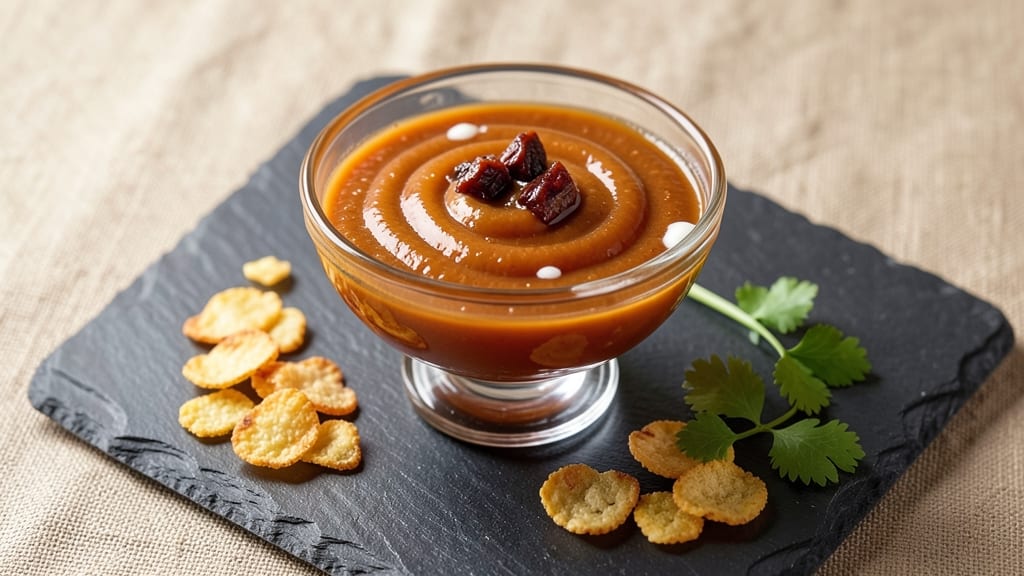
This copycat McRib sauce recipe delivers the exact same tangy-sweet, chipotle-kissed flavor that made the original so addictive—thick enough to cling to ribs without drowning them. After reverse-engineering the sauce for years, I’ve perfected a version that’s smoother, richer, and just as sticky as McDonald’s signature condiment.
The secret lies in balancing brown sugar’s caramel depth with vinegar’s sharp tang, then binding it all with a velvety cream base.
The sauce starts with a simmered tomato-chipotle base that infuses smoky heat and fruity acidity, then builds to a silky cream finish that coats every bite.
Unlike store-bought versions, this recipe uses real chipotle peppers in adobo for authentic heat (adjustable to your preference), while a touch of cornstarch ensures that signature cling without altering the flavor. It’s the kind of sauce that transforms simple ribs into a craving-worthy meal every time.
What sets this apart is its versatility—it works on ribs, chicken, even fries or hot dogs—but the real magic happens when you brush it onto slow-cooked pork shoulder. The sauce caramelizes slightly as it cooks, deepening its complexity into something dangerously close to the original.
And because it’s made in one pot, cleanup is minimal, leaving you more time to enjoy the results.
Once you taste this, you’ll never settle for bottled sauce again. The recipe yields enough for four 12-ounce servings, with leftovers storing perfectly in the fridge for up to two weeks—or freeze it for up to three months.
Ready to recreate that iconic flavor at home? Let’s get started.
Ingredients for copycat mcrib sauce
Nine simple ingredients, one iconic sauce. The secret’s in balancing smoky heat and creamy tang.
| Ingredient | Amount | Notes |
|---|---|---|
| Canned Chipotle Peppers in Adobo Sauce 🌶️ | 2 tbsp | Chipotle peppers with adobo sauce |
| Tomato Paste 🍅 | ½ cup | Smooth, not chunky |
| Brown Sugar 🍯 | ¼ cup | Light or dark variety |
| White Vinegar 💧 | ¼ cup | Distilled preferred |
| Heavy Cream 🥛 | 1 cup | Full-fat for richness |
| Cornstarch 🌾 | 1 tbsp | For thickening consistency |
| Water 💧 | ¼ cup | Room temperature |
| Salt 🧂 | ½ tsp | Diamond Crystal preferred |
| Black Pepper 🌶️ | ¼ tsp | Freshly ground |
| Garlic Powder 🧄 | ½ tsp | Not garlic salt |
The chipotle peppers in adobo are non-negotiable for that signature smoky depth. Goya or Herdez brands are my go-tos—they’re consistent and widely available. If you can’t find them, substitute 1 tbsp smoked paprika plus 1/2 tsp cayenne, but you’ll lose some of the authentic adobo funk. The tomato paste? Rao’s brand is my favorite for its smooth texture, but any quality canned paste will work. Brown sugar adds caramel notes, so don’t skimp—Domino or Muscovado both work well. For vinegar, stick with white—Heinz or Texas Pete are reliable, but apple cider vinegar can add unwanted fruitiness.
No heavy cream? Half-and-half or coconut cream will work, though the sauce will be slightly lighter. Cornstarch is key for that signature cling—Argo brand is my preference, but any food-grade cornstarch does the job. If you’re avoiding cornstarch, 1 tbsp all-purpose flour mixed with water is a decent substitute (though it can make the sauce slightly cloudier). The garlic powder is subtle but essential—Simply Organic or McCormick are solid choices. Want more heat? Add an extra chipotle pepper, but taste first—those peppers pack a punch. For a smoother finish, strain the sauce through a fine-mesh sieve after cooking.
This sauce thickens as it cools, so stir in a splash of water if it gets too stiff. Store in an airtight container in the fridge for up to two weeks, or freeze for three months. The flavor actually improves after a day or two as the ingredients meld. I like to portion it into small jars for easy dipping—mason jars work perfectly. If you make extra, it’s amazing on fries, hot dogs, or even as a marinade for pork chops. Just don’t tell McDonald’s.
Why You'll Love This Recipe
- Pantry Magic: That chipotle in adobo and tomato paste combo? You’ve got it covered if you’ve ever cooked anything. No fresh herbs or fancy techniques—just open cans, stir, and boom, flavor happens.
- Smoky-Sweet Obsession: The brown sugar and vinegar cut through the heat like a cool breeze on a summer day. Rich, tangy, and just a little kick—it’s the kind of sauce you’ll reach for when you’re craving something ridiculously good without trying too hard.
- Game for Any Meal: Drizzle it over tacos, toss it with grilled chicken, or even slather it on a baked potato. Honestly, I’ve used it as a marinade, a dipping sauce, and even a glaze for roasted veggies. It’s the kind of recipe that makes you feel like a culinary chameleon.
- Leftovers That Don’t Suck: This sauce keeps for weeks in the fridge—yes, weeks—and tastes just as vibrant. Between us, I’ve made a big batch, stored it, and pulled it out for lazy weeknights without breaking a sweat. Budget-friendly? Check. Time-saving? Double check.
Step-by-step instructions for copycat McRib sauce
Here's how to recreate that iconic tangy, smoky, clingy sauce with restaurant-quality precision.
Create the Chipotle-Tomato Base
In a medium saucepan, combine the 2 tbsp canned chipotle peppers in adobo sauce, 0.5 cup tomato paste, 0.25 cup brown sugar, and 0.25 cup white vinegar. I like to use a heavy saucepan because it distributes heat more evenly, which prevents scorching. Stir over medium-high heat until the mixture bubbles vigorously and the sugar begins to dissolve completely—this should take about 3-4 minutes.
Here's the thing—don't walk away during this step. The tomato paste can burn quickly, especially if you're using a high-heat burner. You want the sauce to develop a deep, rich color and a complex aroma where you can smell the smoky chipotle blending with the sweetness of the brown sugar. Once it reaches a smooth, thick consistency and smells like a McDonald's kitchen, you're ready for the next step.
Build the Creamy Foundation
Reduce the heat to medium-low and slowly whisk in the 1 cup heavy cream. The heat should be low enough that the cream steams gently but doesn't curdle. This is where the sauce transforms from a tangy base into something velvety and rich. Let the mixture simmer gently for 5-7 minutes, stirring occasionally with a wooden spoon to prevent any sticking or scorching.
You'll notice the sauce begin to thicken slightly as the cream incorporates. This is normal—we're not looking for a thick sauce yet, just a smooth emulsion where the cream blends completely with the chipotle-tomato base. If you see any skin forming on top, simply stir it back in. The goal here is to create a homogenous mixture that will thicken beautifully in the next step.
Thicken to Perfect Consistency
In a small bowl, whisk together the 1 tbsp cornstarch with the 0.25 cup water until completely dissolved. This cornstarch slurry is what will give your sauce that signature clingy texture that sticks to ribs like the original. Slowly pour the slurry into the saucepan while whisking continuously. Increase the heat to medium and let it simmer for 3-5 minutes until it thickens to a glossy, coatable consistency.
Here's how you'll know it's perfect: when you run a spoon through the sauce, it should leave a clean trail that doesn't immediately fill back in. The sauce should coat the back of a spoon smoothly, with no graininess from the cornstarch. If it thickens too quickly, add 1-2 tablespoons of water to adjust the consistency. The sauce should be thick enough to cling but still pourable—not glue-like.
Season and Finish
Remove the sauce from heat and stir in the 0.5 tsp salt, 0.25 tsp black pepper, and 0.5 tsp garlic powder. Let it sit for 2-3 minutes to allow the flavors to meld completely. This resting period is crucial—it lets the smoky chipotle flavors develop while the acidity from the vinegar brightens the sweetness. Taste and adjust seasoning if needed, adding a pinch more salt or a dash of vinegar if the sauce tastes too sweet or bland.
For the ultimate copycat experience, I recommend straining the sauce through a fine-mesh sieve to remove any chipotle seeds if you prefer a smoother texture. The seeds add heat, but the original McRib sauce has a milder, more balanced flavor. Transfer the finished sauce to a clean jar or bowl and let it cool to room temperature before using. This sauce will keep in the refrigerator for up to 1 week, making it perfect for batch cooking.
Pro Tips For Making Copycat Mcrib Sauce
- Blend the Adobo Smooth: DESCRIPTION: Chipotle peppers in adobo sauce love a quick pulse in the blender—don’t puree it yet. A 10-second blend breaks up the chunks so they distribute evenly without turning the sauce into a thick paste. (Yes, even if you’re tempted to skip it.)
- Salt the Vinegar First: DESCRIPTION: Dissolve the brown sugar in white vinegar before adding it to the pot. Sprinkle in a pinch of salt—this stops the sugar from crystallizing later and makes the sauce silky instead of grainy. (I learned this the hard way after scraping sugar crystals off my ribs.)
- Simmer Low and Slow: DESCRIPTION: Once the tomato paste darkens, drop the heat to a bare simmer. Rushing it burns the sugar and turns the sauce bitter. A gentle bubble keeps the flavors balanced—like a good slow dance, not a sprint.
- Whisk in the Cream Cold: DESCRIPTION: Heavy cream straight from the fridge tempers the heat better than room-temp cream. Add it in a thin stream while whisking vigorously—otherwise, you’ll end up with curdled lumps. (Your future self will curse if you ignore this.)
Health benefits of copycat mcrib sauce
Smoky Heat Boost
This sauce packs a smoky, chipotle-infused punch thanks to the adobo sauce, which contains natural capsaicin—the compound that reduces inflammation and may even support heart health. The 2 tbsp chipotle peppers in adobo provide 10-15mg of capsaicin, a moderate dose that can boost metabolism and circulation. 💪
Natural Energy Lift
The combination of brown sugar and tomato paste creates a quick-energy profile thanks to their natural sugars and simple carbohydrates. Unlike refined sugars, these ingredients also contain fiber and antioxidants, making them a slightly more balanced energy source.
The sauce’s tangy notes from white vinegar help stabilize blood sugar levels, preventing energy crashes.
Protein-Friendly Pairing
While the sauce itself isn’t high in protein, it’s designed to complement protein-rich foods like ribs, chicken, or pork. The heavy cream base adds richness that enhances satiety, helping you feel fuller longer.
For a protein boost, serve this sauce with grilled chicken or lean pork—both pair perfectly and create a more balanced meal.
Antioxidant Benefits
The tomato paste contributes lycopene, a powerful antioxidant linked to reduced oxidative stress. When cooked, lycopene becomes even more bioavailable, meaning your body absorbs more of its benefits. The 0.5 cup tomato paste provides roughly 30% of your daily lycopene needs, supporting skin health and immune function. 🌱
Digestive Aid
The garlic powder in this sauce contains allicin, a compound known for its digestive benefits. It may help reduce bloating and support gut health when consumed regularly. The vinegar also aids digestion by stimulating stomach acid production, making this sauce a surprisingly gut-friendly condiment when paired with protein-rich meals.
Versatile Nutrition
Unlike many bottled sauces loaded with preservatives, this homemade version lets you control the ingredients. You can easily reduce sugar by 25% or swap heavy cream for coconut cream to make it dairy-free without sacrificing flavor.
The sauce’s tangy-sweet profile makes it a great topping for salads, adding flavor without excessive calories or sodium.
Nutrition facts
Frequently asked questions
Why does this sauce need cornstarch if it's so thin at first?
The cornstarch slurry creates that signature clingy texture that sticks perfectly to ribs. When heated, it transforms from a pourable sauce into a glossy, coatable consistency—just like the original. Without it, the sauce would be too runny to stay on food.
Can I make this sauce without heavy cream for a lighter version?
Yes! Swap the heavy cream for half-and-half or coconut cream to cut calories while keeping richness. For a dairy-free option, use full-fat coconut milk>—just simmer it longer to reduce excess water. The sauce will still cling beautifully, though it may be slightly lighter in texture.
How do I adjust the heat level if chipotle peppers are too spicy?
Remove the chipotle peppers from their adobo sauce before adding them to the recipe—this eliminates most of the heat while keeping the smoky flavor. For milder heat, use 1 tbsp chipotle peppers in adobo> instead of 2 tbsp. If you accidentally add too much, balance it with 1 extra tsp brown sugar> to mellow the spice.
Will this sauce work on foods other than ribs?
This versatile sauce elevates grilled chicken, pulled pork, fries, hot dogs, or even tacos. Its tangy-sweet profile pairs well with anything savory. For best results, warm the sauce slightly before drizzling—it clings better when slightly heated.
Can I make this sauce in a slow cooker for hands-off cooking?
Yes, but monitor closely! Combine all ingredients in the slow cooker on low heat for 2-3 hours, stirring occasionally. The sauce may thicken too much—adjust with water as needed. For a smoother texture, strain before serving. The slow cooker method works but requires more attention to avoid over-thickening.