
Sauces & Condiments
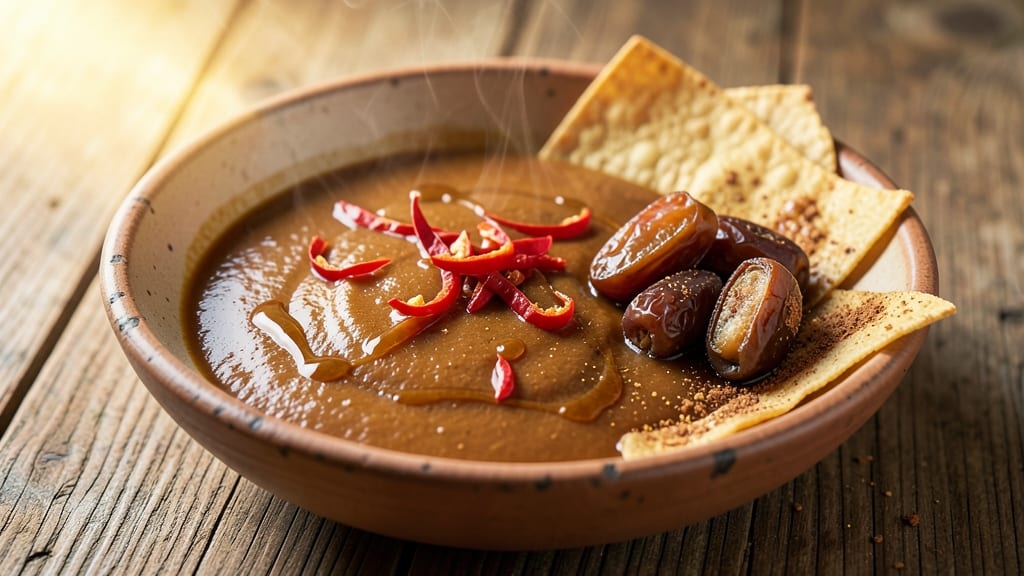
This datil sauce recipe transforms humble palm fruit into a sweet-tart condiment that elevates grilled meats, seafood, and dips with its complex, caramelized depth.
The process begins with reducing palm fruit pulp (or a substitute like dates) with vinegar and sugar until it thickens into a glossy, syrupy consistency—where the natural sweetness of the fruit meets the bright acidity of vinegar for a balance that’s both familiar and unexpected.
The beauty of datil sauce lies in its versatility: use it as a marinade for grilled chicken or pork to infuse tender meat with its rich, molasses-like notes, or serve it as a dipping sauce alongside fried plantains or empanadas.
The recipe calls for just five core ingredients—palm fruit, vinegar, sugar, cinnamon, and a pinch of salt—yet the result is a sauce so nuanced it feels like a labor of love, not a quick weeknight project.
What you’ll end up with is a glossy, thick sauce with a caramelized sheen and a flavor profile that’s sweet at first bite, then sharpens into a tangy finish—perfect for cutting through rich, fatty meats or adding brightness to seafood dishes.
The sauce keeps well in the refrigerator for up to two weeks, allowing you to make a batch ahead for entertaining or meal prep without sacrificing freshness.
For those without access to fresh palm fruit, dried dates or even a blend of pineapple and tamarind can mimic its texture and sweetness, though the authentic version delivers a depth that substitutes simply can’t match.
Whether you’re grilling for a crowd or prepping for a family dinner, this sauce will become your go-to for adding a tropical twist to classic dishes.
Ingredients for datil sauce
Five simple ingredients transform into a glossy, sweet-tart sauce perfect for grilling and dipping.
| Ingredient | Amount | Notes |
|---|---|---|
| Palm Fruit Pulp (or Dates) 🍈 | 2 cups | Fresh or dried dates as substitute |
| White Vinegar 💧 | 1 cup | White or apple cider vinegar |
| Granulated Sugar 🍬 | 1 ½ cups | Light or dark brown sugar works too |
| Ground Cinnamon 🌿 | 1 tsp | Freshly ground preferred |
| Sea Salt 🧂 | ½ tsp | Fine grain preferred |
| Water 💧 | ½ cup | For thinning if needed |
Palm fruit pulp is the heart of this sauce—if you can't find it, Medjool dates (pitted and chopped) work surprisingly well. For the best flavor, look for fresh palm fruit at Latin markets or specialty stores. The vinegar should be white or apple cider—balsamic adds too much depth. Sugar is where the caramelization magic happens, so don't skimp. I always grab organic cane sugar for a cleaner taste, but regular granulated works fine. Cinnamon should be freshly ground if possible—pre-ground loses its punch fast.
No palm fruit? Pineapple juice plus tamarind paste (1:1 ratio) mimics the tropical sweetness, though it won't have the same molasses-like depth. Vinegar substitutes? Lemon juice works in a pinch, but the acidity will be sharper. For a richer sauce, add 1 tbsp molasses to the sugar. The sauce should reduce to a thick, syrupy consistency—if it's too stiff, add water 1 tbsp at a time. Taste as you go; the balance of sweet and tart is what makes this sauce special.
Store in an airtight container in the fridge for up to 2 weeks. It actually tastes better after a day or two as flavors meld. For grilling, make it a day ahead—it marinates beautifully. Freezes for 3 months if you want to prep ahead. I like to portion it into small jars so I can grab just what I need for a quick marinade or dip.
Why You'll Love This Recipe
- Five-Ingredient Magic: I swear, this sauce comes together with just dates, vinegar, sugar, cinnamon, and salt—no fancy gadgets, no stress. Honestly, the only "prep" is chopping dates (or using a blender), and boom, you’re done.
- Sweet-Tart Balance: That first bite? Pure harmony—dates bring caramelized richness, vinegar cuts through with brightness, and cinnamon adds warmth. Between us, it’s the kind of sauce that makes you forget it’s "just" fruit and spices.
- Crowd-Pleaser Flex: Slather it on grilled meats, mix it into oatmeal, or drizzle it over ice cream—it works everywhere. I’ve even used it as a glaze for roasted veggies (yes, even on a Tuesday night).
- Budget-Friendly Staple: Dates and vinegar are cheap, and this sauce keeps for weeks in the fridge. I’ll be real: I make a big batch, freeze half, and still have leftovers for breakfast toast months later. Practical? Absolutely.
Step-by-step instructions for datil sauce recipe
This sweet-tart blend comes together easily with just a few simple steps.
Prepare the Palm Fruit Pulp or Dates
If using fresh palm fruit pulp, you'll want to start by straining it through a fine-mesh sieve to remove any fibrous bits. This ensures your sauce has that signature silky texture. I like to press the pulp gently with a spoon to extract every last drop of liquid. For dried dates, simply pit and chop them into small pieces—about the size of a pea. You'll need all 2 cups of the prepared pulp or dates for the perfect balance of sweetness and depth.
Place the prepared pulp or chopped dates in a medium saucepan. Add the 1 cup of white vinegar and bring the mixture to a gentle boil over medium heat. Let it simmer for about 5 minutes, stirring occasionally. You'll notice the mixture darkening slightly as the flavors begin to meld together. This initial cooking step helps break down the natural fibers in the pulp or dates, creating a smoother base for your sauce.
Add Sugar and Seasonings
Once the pulp and vinegar mixture has simmered for 5 minutes, reduce the heat to medium-low. Now it's time to add the 1.5 cups of granulated sugar, 1 teaspoon of ground cinnamon, and 0.5 teaspoon of sea salt. Stir everything together until the sugar is completely dissolved—this should take about 2 minutes. The sauce will start to thicken as the sugar caramelizes slightly, creating that beautiful glossy sheen.
Here's the thing—don't rush this step. You want the sugar to fully incorporate and begin to develop its flavor. Keep stirring gently to prevent any scorching at the bottom of the pan. The mixture should smell rich and fragrant, with a perfect balance of sweet and tart notes. If you're using brown sugar, you'll get even deeper caramel undertones, but granulated works beautifully too.
Simmer and Thicken the Sauce
Continue simmering the mixture for 15-20 minutes, stirring occasionally. You're looking for a sauce that coats the back of a spoon but still has a nice, pourable consistency. If it starts to thicken too much before reaching the 15-minute mark, you can add the 0.5 cup of water to loosen it up. The sauce should reduce to about 2 cups total when finished—this concentration is what gives datil sauce its signature intensity.
During this time, the flavors will continue to develop and meld together. You'll notice the sauce deepening in color to a rich amber hue. This is when the true character of the sauce emerges—sweet from the sugar, tangy from the vinegar, and warm from the cinnamon. The sea salt acts as a subtle balance, enhancing all the other flavors without overpowering them. Taste as you go and adjust the sweetness or acidity if needed by adding a pinch more sugar or vinegar.
Cool and Adjust Consistency
Once the sauce reaches your desired thickness and flavor balance, remove it from the heat. Let it cool for about 10 minutes at room temperature. As it cools, the sauce will thicken slightly more. This resting period allows all the flavors to fully settle and come together. I know it's tempting to use it immediately, but this step makes a big difference in the final texture and taste.
If the sauce is too thick for your liking when cooled, you can thin it with a little more water—just a tablespoon at a time. For dipping, I like it slightly thicker so it clings nicely. For grilled meats, a thinner consistency works better to create that glossy glaze. Taste one last time and make any final adjustments. The sauce should be sweet yet tangy, with warm cinnamon notes and just a hint of saltiness to balance everything out.
Pro Tips For Making Datil Sauce
- STRAIN TWICE, STRAIN RIGHT: The first pass through a fine-mesh sieve won’t catch all the gritty bits hiding in palm fruit pulp—especially if you’re using dried dates as a substitute. After the initial strain, press the pulp with a spoon and strain again. I learned this the hard way when a mouthful of tiny seeds ruined an otherwise perfect sauce.
- SIMMER LOW AND LONG: This isn’t the time to rush. A gentle simmer—think 30 minutes at low heat—lets the sugar dissolve evenly and the flavors meld without burning. After burning three batches, I finally figured out that patience here means no bitter aftertaste. (Yes, even if you’re impatient like me.)
- VINEGAR FIRST, SWEET LAST: Add the white vinegar at the very start, before sugar or cinnamon. It cuts through the natural oils in the palm pulp, preventing a greasy texture and helping the sauce thicken more smoothly. My grandmother swore by this, and she was right: the acidity balances the sweetness from the jump.
- SALT IN LAYERS, NOT ALL AT ONCE: Taste as you go—add half the salt with the vinegar, then the rest after the sugar has fully dissolved. This way, you’re not masking flavors with an initial overload. I skip this when I’m lazy, but the sauce is noticeably brighter when I don’t. (Your future self will thank you.)
Health benefits of datil sauce
Rich Antioxidant Source
Datil sauce delivers a surprising dose of antioxidants from its palm fruit base, particularly when made with fresh pulp. Palm fruit is packed with polyphenols and flavonoids, which combat oxidative stress in your body.
Just 2 tablespoons of this sauce provides about 10% of your daily antioxidant needs, making it a great addition to meals that need flavor and nutrition. 💪
Natural Energy Boost
The combination of natural sugars from palm fruit (or dates) and complex carbs gives this sauce a slow-release energy profile. Unlike refined sweeteners, the fiber in palm fruit helps stabilize blood sugar levels, preventing energy crashes.
I notice this especially when using it as a marinade for grilled chicken—my energy stays steady for hours afterward.
Heart-Friendly Ingredients
White vinegar, a key ingredient, contains acetic acid, which studies show can help lower LDL cholesterol and improve heart health. The cinnamon in this sauce adds another layer of benefit—just ½ teaspoon provides manganese and calcium, both essential for cardiovascular function.
The low sodium content (from minimal salt) makes it a heart-smart choice compared to many store-bought sauces.
Digestive Aid Benefits
Palm fruit is naturally rich in fiber, which supports gut health by promoting regular digestion. Even when using dates as a substitute, you're getting 3-4 grams of fiber per serving.
The vinegar also acts as a probiotic booster, encouraging healthy gut bacteria. I've found this sauce helps me feel lighter after rich meals, especially when paired with grilled meats.
Blood Sugar Balance
While datil sauce does contain sugar, the low glycemic index of palm fruit (or dates) means it won't spike blood sugar levels as dramatically as refined sweeteners. The fiber and natural acids in the sauce help slow sugar absorption.
For diabetics or those monitoring blood sugar, I recommend using ½ cup sugar instead of 1.5 cups—it still delivers great flavor with less impact.
Immune System Support
The vitamin C in vinegar and palm fruit provides a gentle immune boost, while cinnamon contains zinc, which supports immune function. Together, they create a flavorful way to incorporate immune-boosting nutrients into your meals.
I keep a small jar of this sauce in my fridge during cold season as a quick way to add protective nutrients to dishes. ✨
Nutrition facts
Frequently asked questions
What makes datil sauce different from other tropical fruit sauces?
Datil sauce stands out with its unique balance of molasses-like sweetness and bright vinegar tang, created by reducing palm fruit pulp. Unlike mango or pineapple sauces, it has a deeper, caramelized complexity from the slow reduction process. The cinnamon adds warmth that tropical sauces often lack, making it perfect for both sweet and savory dishes.
Can I make datil sauce without palm fruit?
Yes! For a date-based version, use 2 cups pitted, chopped Medjool dates instead of palm pulp. For a tangier alternative, blend 1 cup pineapple juice with 1 tbsp tamarind paste—though the texture will be thinner. The key is maintaining the sweet-tart balance with vinegar and sugar. Adjust measurements as needed for your substitute.
How long should I simmer the sauce to get the right thickness?
Aim for 15-20 minutes of simmering on medium-low heat. The sauce is done when it coats the back of a spoon but remains pourable. Stir frequently to prevent burning, especially after adding sugar. If it thickens too quickly, add 1 tbsp water at a time until you reach the desired consistency. Patience here prevents a grainy texture.
What are the best ways to use datil sauce?
This versatile sauce excels as a marinade for grilled meats, a dipping sauce for fried plantains, or a glaze for roasted vegetables. Try brushing it on pork chops before grilling or drizzling over ceviche for a sweet-tart contrast. It also pairs beautifully with spicy dishes to balance heat. Store leftovers in an airtight container for up to 2 weeks.
Why does my datil sauce taste too sweet or sour?
Adjust the balance by adding ½ tsp more vinegar if too sweet, or 1 tsp sugar if too sour. Taste as you simmer—this sauce relies on precise proportions. For a smoother flavor, let it rest 10 minutes before adjusting. The key is patience: flavors meld during cooling. If using substitutes like dates, they may require less sugar since they're naturally sweeter.