
Sauces & Condiments
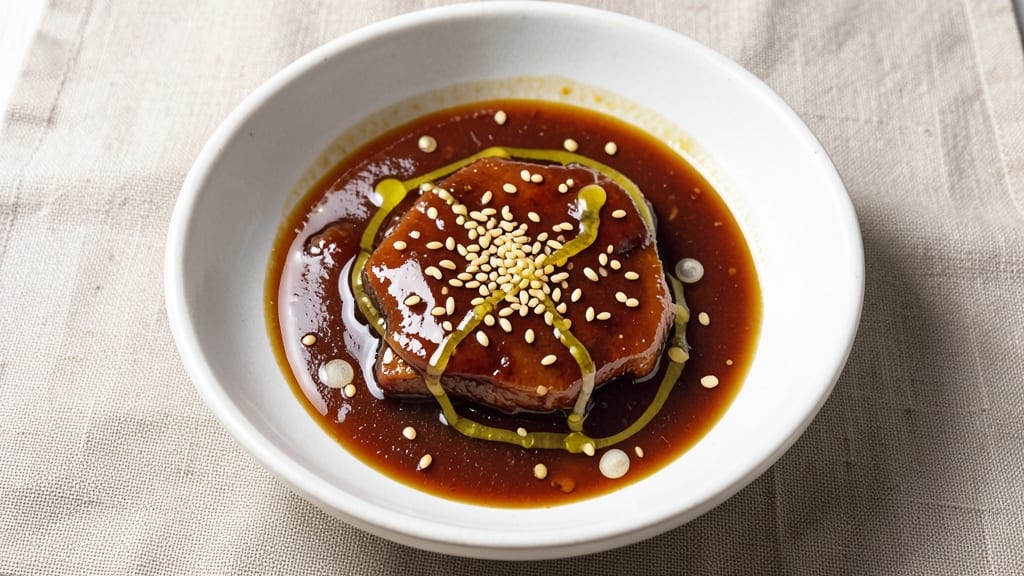
A duck sauce recipe without apricot preserves delivers the same bold tangy kick using pantry staples instead of fruit preserves. This version relies on hoisin, soy sauce, vinegar, and spices to create a smooth, storeable condiment that rivals traditional recipes.
The result is a versatile sauce perfect for dipping, glazing, or drizzling over roasted duck or spring rolls.
What makes this sauce special is its balance of sweet, salty, and tangy flavors without relying on fruit preserves. I developed this recipe after realizing how easy it is to achieve that signature duck sauce taste using ingredients you likely already have.
The key is combining hoisin sauce for depth, rice vinegar for brightness, and a touch of honey to round out the flavors.
This sauce creates a glossy, slightly sticky consistency that clings beautifully to food, enhancing every bite with its complex flavor profile. It's ideal for pairing with crispy duck, spring rolls, or even as a marinade for grilled meats.
The best part? It keeps well in the refrigerator for up to two weeks, making it perfect for meal prep.
Ready in just 15 minutes, this recipe delivers restaurant-quality results with minimal effort. The ingredients work together seamlessly to create a sauce that's rich, tangy, and full of depth—without the need for specialty ingredients. Let's get started on making this versatile condiment!
Ingredients for duck sauce recipe without apricot preserves
Pantry staples transform into restaurant-style duck sauce without fruit preserves.
| Ingredient | Amount | Notes |
|---|---|---|
| Hoisin Sauce 🍶 | ½ cup | Thick, authentic brand preferred |
| Rice Vinegar 💧 | ¼ cup | White or seasoned variety |
| Soy Sauce 🍶 | ¼ cup | Light or dark preferred |
| Honey 🍯 | ¼ cup | Wildflower or clover preferred |
| Sesame Oil 🫒 | 1 tbsp | Toasted sesame oil preferred |
| Garlic Cloves 🧄 | 2 cloves | Freshly minced for depth |
| Fresh Ginger 🌿 | 1 tbsp | Finely grated, fresh preferred |
| Red Chili Flakes 🌶️ | ½ tsp | Adjust for heat preference |
| Ground Black Pepper 🌶️ | ¼ tsp | Freshly cracked for kick |
| Sesame Seeds 🌾 | 1 tsp | Toasted for garnish |
Hoisin sauce is the flavor backbone—La Choy or Kee Wah are my go-tos, but any authentic brand works. Grab the thick kind, not the watery stuff. For the vinegar, Kikkoman rice vinegar adds brightness without overpowering. Honey? Local wildflower if you can find it—it’s got more complexity than store-brand. The sesame oil is non-negotiable; toasted sesame oil (not the regular kind) gives that nutty aroma. If you can’t find it, toast regular sesame oil in a dry pan for 30 seconds first. Fresh ginger and garlic? No substitutes here—they’re what makes this taste homemade.
No hoisin? Mix 1 tbsp soy sauce + 1 tsp molasses + 1 tsp sugar as a pinch-hitter. Skip the honey? Maple syrup works 1:1. The sesame oil can be swapped for neutral oil plus 1/4 tsp sesame seeds*, but you’ll miss that toasty depth. Chili flakes giving you pause? Substitute 1/4 tsp cayenne for a smoother heat. Want more tang? Add 1 extra tbsp rice vinegar. This sauce is forgiving—adjust to taste as you go. The key is balancing sweet, salty, and tangy, so don’t rush the tasting.
This sauce keeps for 2 weeks refrigerated in an airtight jar—seriously, it’s that stable. For extra shelf life, add 1 tsp lemon juice before storing. I double the batch because it disappears fast—perfect for dipping, glazing, or drizzling. Store it in the fridge, and it’ll stay glossy and flavorful. Freezing isn’t recommended, but if you must, use it within 3 months. The sesame seeds? Toast them fresh before garnishing—30 seconds in a dry pan makes all the difference.
Why You'll Love This Recipe
- Pantry Magic: I swear by this—no special shopping trips, just what’s already lurking in my cabinet. Hoisin, rice vinegar, and soy sauce? That’s my trifecta for instant umami depth without extra fuss.
- Sweet-Savory Balance: The honey cuts through the saltiness like a dream, while that sesame oil finish? Pure satisfaction. It’s the kind of sauce that makes you lick the bowl—no apricot needed.
- Game for Any Meal: Drizzle it over grilled chicken, toss it with noodles, or serve it with fries—this stuff doesn’t judge. Honestly, I’ve even used it as a quick glaze for roasted veggies when I’m lazy.
- No Waste, All Flavor: Makes way more than you’ll use in one sitting, and it keeps for weeks in the fridge. Between us, I’ve had this sauce last me through three takeout nights because it’s just that good.
Instructions for duck sauce without apricot preserves
This bold, tangy sauce comes together in minutes with just pantry staples—no apricot preserves needed!
Toast Sesame Seeds for Nutty Depth
Heat a dry skillet over medium-low heat and add the 1 teaspoon sesame seeds. Toast them for 1-2 minutes, stirring constantly, until they turn a rich golden brown and release their fragrant aroma. Watch closely—they burn quickly! Immediately transfer the toasted seeds to a small bowl and set aside. This step adds a nutty crunch and aromatic punch that elevates the entire sauce.
Don't skip this—raw sesame seeds won't have the same impact. Their toasted flavor will carry through the entire sauce, giving it that signature depth. Keep them nearby as you'll add them back at the very end for garnish.
Sauté Aromatics Until Fragrant
In the same skillet (no need to clean it—the browned bits add flavor), add 1 tablespoon sesame oil and warm over medium heat. Add the 2 minced garlic cloves and 1 tablespoon finely grated fresh ginger, stirring constantly for 30-45 seconds until you can smell their bright, pungent aroma. You'll know it's ready when the garlic turns just barely golden around the edges.
Here's the thing—don't let the garlic brown completely or it'll turn bitter. The moment you catch that sweet, fresh garlic scent, it's time to move to the next ingredient. This quick cooking preserves their bright flavors that will shine through the finished sauce.
Combine Wet Ingredients for Balance
In a medium bowl, whisk together the 0.5 cup hoisin sauce, 0.25 cup rice vinegar, 0.25 cup soy sauce, and 0.25 cup honey until completely smooth. The mixture should be well combined with no visible streaks of honey. Add the sautéed garlic and ginger mixture and stir well to incorporate all the aromatic flavors.
Taste at this stage—you should notice a perfect balance of sweet, tangy, and umami notes. If it needs more acidity, add a splash more rice vinegar. If it needs more depth, stir in a bit more soy sauce. This is your chance to adjust before adding the heat components that can't be easily balanced afterward.
Simmer and Thicken the Sauce
Transfer the mixture to a small saucepan and bring to a gentle simmer over medium-low heat. Add the 0.5 teaspoon red chili flakes and 0.25 teaspoon ground black pepper, stirring constantly. Let it simmer for 5-7 minutes, stirring occasionally, until the sauce thickens slightly and coats the back of a spoon.
You're looking for a glossy, syrupy consistency—not too thick, but not watery either. If it thickens too quickly, add 1-2 tablespoons hot water to loosen it. The sauce should be smooth and ready to coat whatever you're dipping or drizzling it over. Remove from heat before it comes to a full boil to prevent over-thickening.
Finish and Garnish for Restaurant Quality
Return the sauce to the skillet with the toasted sesame seeds and stir gently to distribute them evenly. The seeds should be visible throughout but not overpowering. Let the sauce sit for 2-3 minutes off the heat to allow all the flavors to meld together completely.
This sauce is amazing served warm over spring rolls, drizzled on grilled meats, or used as a dipping sauce for fresh vegetables. The perfect balance of sweet, tangy, spicy, and umami makes it incredibly versatile. Store any leftovers in an airtight container in the refrigerator for up to 1 week—it only gets better as the flavors develop!
Pro Tips For Making Duck Sauce Recipe Without Apricot Preserves
- Warm the hoisin first: I learned this the hard way—dumping cold hoisin straight into hot vinegar makes the sauce split like oil in water. Stir a spoonful of hoisin into the vinegar first, then add the rest. The slow incorporation keeps everything smooth and cohesive.
- Balance the honey last: Honey’s sweetness can overpower if you add it too early. Mix all ingredients except honey, taste, then drizzle in honey one teaspoon at a time. You’re aiming for a bright, tangy-sweet balance—not cloying syrup.
- Don’t skip the sesame oil step: A splash of sesame oil at the end isn’t just for aroma—it adds depth. Add it last, let it bloom for 10 seconds, then stir. Cold-pressed oil works best; toasted sesame oil burns easily and ruins the flavor.
- Thin with vinegar, not water: If your sauce is too thick, resist the urge to add water. A splash of rice vinegar (1 tsp at a time) cuts the thickness while keeping the tang and complexity. Water just dilutes the flavor.
Essential equipment for great duck sauce recipe without apricot preserves
Small Saucepan
I use a 3-quart stainless steel saucepan with sloped sides for this recipe—it gives me enough surface area to stir without splashing while allowing me to control the simmer precisely. The stainless steel conducts heat evenly, preventing hot spots that could scorch your sauce.
A non-stick pan works too, but I avoid them for simmering because they don’t handle prolonged heat as well. 🔥
Whisk or Fork
A balloon whisk is my go-to for combining the wet ingredients because it creates a smooth emulsion quickly. If you don’t have one, a fork works just as well—just whisk vigorously for about 30 seconds to break up any honey streaks.
The key is ensuring everything is fully incorporated before adding the aromatics. I’ve even used a hand mixer on low speed for lazy days, but it’s overkill for this small batch.
Fine-Mesh Strainer
If you’re using fresh ginger or garlic that’s particularly fibrous, a fine-mesh strainer is a game-changer. After sautéing, I press the mixture through the strainer to remove any tough bits, resulting in a silky-smooth sauce.
Skip this step if your ginger and garlic are finely minced, but trust me—it makes a noticeable difference in texture. A cheesecloth works too if you don’t have a strainer, but it’s messier.
Measuring Spoons
Precision matters with spices like chili flakes and black pepper—that’s why I reach for my set of stainless steel measuring spoons. A ½ teaspoon of chili flakes can make a huge difference in heat, and ¼ teaspoon of pepper adds just the right kick without overpowering.
If you’re using a spice grinder, measure the ground spices directly into the saucepan to avoid spills. Pro tip: Keep your measuring spoons clean and dry to prevent rust.
Small Mixing Bowl
A small ceramic or glass mixing bowl is perfect for whisking the wet ingredients before simmering. The non-reactive surface won’t absorb flavors, and the size makes it easy to stir without spills. I avoid plastic bowls for hot liquids because they can warp or melt under high heat.
If you’re short on space, a large coffee mug works in a pinch—just make sure it’s heat-safe. 💡
Air-Tight Storage Jar
Once your sauce is ready, transfer it to a small airtight glass jar for storage. I prefer mason jars because they’re sturdy, easy to seal, and won’t absorb odors like plastic containers.
Label the jar with the date—this sauce keeps for up to 2 weeks in the fridge, and the airtight seal preserves its glossy texture. For serving, I use a small squeeze bottle to drizzle it neatly over dishes without making a mess.
Nutrition facts
Frequently asked questions
Can I make this sauce without hoisin?
Yes! Mix 1 tablespoon soy sauce with 1 teaspoon molasses and 1 teaspoon sugar as a substitute. The sauce will lose some depth but still deliver that signature tangy-sweet balance. For extra umami, add 1/2 teaspoon fish sauce or 1/4 teaspoon MSG. The texture may be slightly thinner, so simmer it longer to thicken.
How spicy should this sauce be?
The 1/2 teaspoon chili flakes provide mild heat, but you can adjust to taste. For a gentle kick, reduce to 1/4 teaspoon. Want more fire? Add 1/4 teaspoon cayenne or 1/2 teaspoon sriracha at the end. Always taste before serving—this sauce is meant to complement, not overpower.
Can I use this sauce as a marinade?
This sauce works beautifully as a marinade for grilled chicken, pork, or tofu. Use it undiluted for 30-60 minutes (longer for tougher cuts). The sweet-spicy balance tenderizes meat while adding incredible flavor. For extra tenderness, add 1 tablespoon cornstarch to thicken it further before using.
Why does my sauce separate?
Separation usually happens if the sauce cools too quickly or if ingredients weren't fully emulsified. Stir in 1 teaspoon cornstarch mixed with 1 tablespoon water and simmer for 2-3 minutes to restore smoothness. For prevention, whisk vigorously when combining wet ingredients and simmer on low heat.
What's the best way to serve this sauce?
This versatile sauce shines as a dipping sauce for spring rolls, dumplings, or fries, a glaze for grilled meats, or a drizzle over noodle bowls. For extra presentation, garnish with toasted sesame seeds and sliced green onions. Serve warm for maximum flavor impact—cold sauce loses some of its aromatic punch.