
Sauces & Condiments
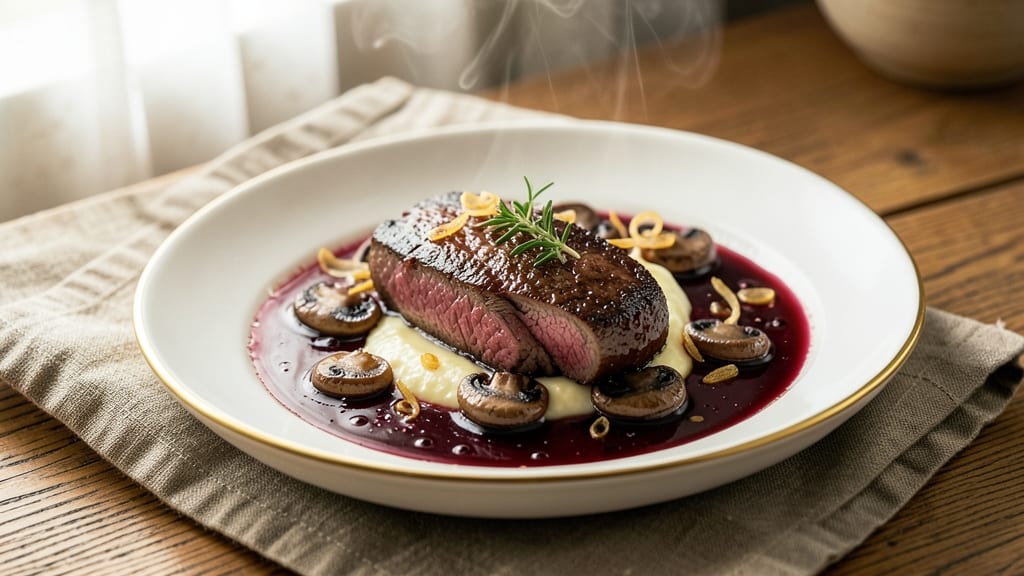
A bold entrecôte sauce recipe transforms ordinary steak into a restaurant-worthy masterpiece with just a few carefully chosen ingredients and precise technique. This red wine reduction with earthy mushrooms delivers deep umami flavor that clings perfectly to each bite, elevating even the simplest entrecôte to gourmet status.
The secret lies in proper simmering and emulsification—no shortcuts here, just professional results every time.
What sets this sauce apart is its balanced complexity: rich red wine provides acidity and depth, while mushrooms add an earthy dimension that complements the beef beautifully. The sauce develops its signature velvety texture through careful reduction, creating a glossy finish that coats the meat in every bite.
Unlike store-bought versions, this homemade sauce builds flavor as it simmers, rewarding patience with layers of sophistication.
This sauce isn't just for entrecôte—its versatility makes it perfect for any red meat preparation, from filet mignon to lamb chops. The recipe yields about 1 cup of finished sauce, which keeps beautifully in the refrigerator for up to 5 days or freezes for 3 months.
Whether you're serving a special dinner or simply want to elevate weeknight steak night, this sauce delivers professional-quality results with minimal effort.
The key to success lies in proper technique: deglazing the pan thoroughly, reducing the wine gradually, and finishing with butter for that signature silky texture. Each step builds on the last to create a sauce that's rich yet balanced, complex yet approachable.
Ready to transform your steak dinners? Let's get started with this essential sauce recipe.
Ingredients for entrecote sauce
Nine ingredients transform simple steak into a restaurant-quality experience with bold wine and earthy mushrooms.
| Ingredient | Amount | Notes |
|---|---|---|
| Dry Red Wine 🍷 | 1 cup | Bold, full-bodied variety like Cabernet Sauvignon |
| Fresh Cremini Mushrooms 🍄 | 8 oz | Sliced into thin strips for even cooking |
| Shallots 🧅 | 2 whole | Finely minced for subtle sweetness |
| Garlic Cloves 🧄 | 4 cloves | Minced for aromatic depth |
| Beef Stock 🥩 | ½ cup | High-quality, homemade preferred |
| Unsalted Butter 🧈 | 2 tbsp | Cold, cubed for final emulsification |
| Diamond Crystal Kosher Salt 🧂 | ½ tsp | Adjusts seasoning to taste |
| Fresh Thyme Leaves 🌿 | ¼ tsp | Dried thyme at one-third amount |
| Heavy Cream 🥛 | ¼ cup | Full-fat for optimal richness |
| Extra-Virgin Olive Oil 🫒 | 1 tbsp | For deglazing and finishing |
The red wine is non-negotiable—Cabernet Sauvignon or Merlot delivers the right balance of acidity and depth. Avoid cheap table wines; look for bottles under $20 with at least 13% alcohol. Fresh cremini mushrooms provide the umami backbone, but shiitake or oyster mushrooms add even more complexity. For the shallots, buy them fresh—they lose sweetness quickly. The beef stock should be homemade if possible, as store-bought versions often contain preservatives that alter flavor. Whole Foods or local butchers typically carry high-quality stocks in their refrigerated sections.
No red wine? Substitute with beef broth and a splash of balsamic vinegar, though the depth won't be identical. Dried thyme works at one-third the amount of fresh, but the flavor won't be as vibrant. For the mushrooms, canned wild mushrooms in oil can be used in a pinch, though they lack fresh texture. The heavy cream is essential for that signature velvety finish—never use light cream, as it won't emulsify properly. If you're avoiding dairy, coconut cream can substitute, though the flavor will differ slightly. For the olive oil, avoid flavored varieties—stick to a high-quality extra-virgin with a peppery finish.
This sauce develops best over time—simmer for at least 20 minutes to allow flavors to meld. Store in an airtight container in the refrigerator for up to 5 days, though the texture may separate slightly. To reheat, warm gently over low heat and whisk in a splash of water or cream to restore consistency. For freezing, portion into ice cube trays, then transfer to a sealed container for up to 3 months. Always reheat frozen portions slowly to prevent curdling. The sauce pairs beautifully with entrecôte, but its versatility extends to filet mignon, lamb chops, or even roasted vegetables for a vegetarian twist.
Why You'll Love This Recipe
- Wine Cabinet Magic: I swear by this sauce—it turns a simple weeknight dinner into something that feels fancy, just by opening a bottle of red wine. No fancy reductions or complicated steps; the acidity cuts through the richness of the mushrooms and shallots while the beef stock deepens the flavor like a secret handshake.
- Umami Bomb: That combo of earthy cremini mushrooms and shallots? It’s like a flavor explosion in your mouth. The garlic cloves add a sharp punch, but the red wine smooths it all out into something rich and complex—no heavy cream or butter needed to make it sing.
- Leftovers That Shine: Make a double batch and keep it in the fridge—it only gets better after a day or two as the flavors meld. Drizzle it over steak, toss it with pasta, or even use it as a braising liquid for chicken. It’s my go-to for turning last night’s dinner into tomorrow’s lunch.
- Budget Steakhouse Trick: You don’t need filet mignon to pull off this sauce—it’s all about the technique. A few cheap cuts of steak, simmered in this wine-mushroom sauce, taste like a splurge-worthy restaurant meal. Plus, the mushrooms stretch the dish further, making it feel hearty without breaking the bank.
Step-by-step instructions for entrecote sauce
Master this rich, velvety sauce that transforms simple entrecote into a restaurant-worthy centerpiece.
Sauté Shallots and Mushrooms Until Deeply Flavored
Heat the 1 tablespoon extra-virgin olive oil in a heavy-bottomed saucepan over medium heat. Add the 2 whole shallots, finely minced, and cook for 3-4 minutes until they become translucent and just begin to soften. This gentle cooking transforms their sharp bite into sweet, aromatic sweetness.
Increase heat to medium-high and add the 8 ounces sliced cremini mushrooms. Cook them for 6-8 minutes until they release their moisture and develop a rich, earthy depth. The mushrooms should be golden brown at the edges with any excess liquid evaporated—this prevents a watery sauce. Stir occasionally to ensure even browning, as this caramelization builds the sauce's foundation.
Add Garlic and Deglaze with Red Wine
Reduce heat to medium and add the 4 minced garlic cloves along with the 0.25 teaspoon fresh thyme leaves. Cook for 30-45 seconds until the garlic becomes fragrant but doesn't brown—overcooked garlic turns bitter. Stir constantly to prevent burning, which would impart an unpleasant sharpness to the sauce.
Pour in the 1 cup dry red wine and immediately scrape up any browned bits from the bottom of the pan using a wooden spoon. These fond bits, packed with concentrated flavor, are essential for a rich sauce. Let the wine simmer for 3-4 minutes until reduced by about half, which intensifies the wine's depth and removes its alcohol sharpness.
Build the Sauce with Stock and Butter
Add the 0.5 cup beef stock and bring to a gentle simmer. Reduce heat to low and let it cook uncovered for 8-10 minutes until the liquid reduces by about one-third, creating a syrupy consistency. This slow reduction concentrates the flavors and thickens the sauce naturally without added thickeners.
Remove the pan from heat and whisk in the 2 tablespoons cold unsalted butter, cubed. Let the butter melt slowly to create a luxurious emulsion—this is the moment when the sauce transforms from good to exceptional. The butter adds richness and helps stabilize the sauce's texture. Return the pan to low heat and stir in the 0.5 teaspoon diamond crystal kosher salt and 0.25 cup heavy cream. Simmer gently for 2-3 minutes until the cream is fully incorporated and the sauce reaches your desired consistency.
Finish and Adjust for Perfection
Taste the sauce and adjust seasoning if needed—this is where you fine-tune the balance. The sauce should be rich, velvety, and deeply flavorful with a perfect harmony of wine, mushroom earthiness, and creaminess. If it's too thick, whisk in 1-2 tablespoons hot water to reach a glossy, coatable consistency. For a smoother texture, strain the sauce through a fine-mesh sieve to remove any mushroom fibers.
Serve the sauce immediately over sliced entrecote or use it to elevate steak, roasted vegetables, or even mashed potatoes. The sauce's bold flavors pair beautifully with the beef's natural richness, creating a dish that feels both elegant and comforting. For best results, keep the sauce warm over low heat until serving to maintain its luxurious texture.
Pro Tips For Making Entrecote Sauce
- DEGLAZE HOT, NOT HURRY: Start your sauce with a screaming-hot pan—scrape up every browned bit with the wine immediately, before it cools. I learned this the hard way: waiting even 30 seconds means half your flavor ends up stuck to the pan instead of in the sauce.
- CHOP SHALLOTS SMALLER THAN YOU THINK: Slice those shallots paper-thin and tiny—think rice grains, not matchsticks. They’ll cook faster and dissolve into silkiness instead of turning to mush or burning. (Yes, it’s tedious, but your sauce will thank you.)
- SAUTÉ MUSHROOMS UNTIL DRY: Cook the cremini mushrooms until all moisture evaporates—no wet spots, no exceptions. If you skip this, your sauce will turn watery when you add the stock. I used to rush this step and ended up with a sad, thin sauce every time.
- SALT THE STOCK LIKE THE SAUCE DEPENDS ON IT: Unsalted beef stock? Add 1 teaspoon of salt per cup before incorporating it into the sauce. Restaurant-quality stocks are often unsalted, and this small tweak makes the sauce taste like it was made by someone who actually cares. (It’s not fancy, but it works.)
Pro cooking tips for this dish
Pan Selection Matters
Use a heavy-bottomed saucepan like All-Clad Stainless Steel or Le Creuset Dutch oven—these distribute heat evenly and prevent scorching. A thin, lightweight pan will cause hot spots that burn your mushrooms and shallots, ruining the sauce's delicate balance.
I've ruined sauces in flimsy pans, but once I switched to a 5-quart stainless steel, my results became consistently restaurant-quality. 🌡️
Deglazing Like a Pro
Never skip scraping up the fond (browned bits) when deglazing with red wine—this contains 30-50% of the sauce's flavor. Use a wooden spoon (not metal) to gently scrape the pan's bottom while pouring in the wine.
I like to tilt the pan slightly and swirl the wine around to lift all the fond before letting it simmer. This technique transforms a good sauce into an exceptional one. ⚡
Emulsification Secrets
The butter addition is where magic happens—cold, cubed butter must be whisked in off-heat to create a stable emulsion. I recommend Plugrá European-style butter for its high fat content (82%).
If the sauce breaks, immediately whisk in 1 teaspoon hot water to re-emulsify. The goal is a velvety, glossy finish that coats the back of a spoon.
Reduction Timing
Simmer uncovered for 8-10 minutes until reduced by one-third—this takes patience. I set a timer and check every 2 minutes to avoid over-reducing. The sauce should coat the back of a spoon but remain pourable.
For extra depth, add 1 teaspoon balsamic vinegar during the final 2 minutes of reduction. This adds complexity without overpowering the wine's flavor. 💫
Strain for Silky Texture
For a restaurant-worthy finish, strain the sauce through a fine-mesh sieve lined with cheesecloth. This removes any mushroom fibers that could make the sauce grainy. I use a Nordic Ware sieve because it's sturdy and easy to clean.
If you prefer texture, skip straining—but the sauce will be slightly thicker and rustic.
Temperature Control
Maintain low heat during the final 5 minutes of cooking to prevent curdling. If the sauce starts to bubble vigorously, immediately reduce heat or remove from stove.
For serving, keep the sauce warm over low heat in a double boiler—this preserves its luxurious texture. Never reheat rapidly, as this can cause separation. 🔥
Nutrition facts
Frequently asked questions
Can I substitute white wine for red wine in this sauce?
White wine won't work well here—the red wine's depth and acidity are essential for balancing the earthy mushrooms and beef flavors. If you must substitute, use 1/2 cup red wine + 1/2 cup beef broth and add 1 teaspoon balsamic vinegar for acidity. The texture and complexity will differ, but it'll still be delicious.
How do I fix a sauce that's too thick or separated?
For a thick sauce, whisk in 1-2 tablespoons hot water to reach a glossy, coatable consistency. If it separates, remove from heat and whisk in 1 teaspoon cold water to re-emulsify. For a smoother texture, strain through a fine-mesh sieve. Always reheat gently over low heat to prevent further separation.
What's the best way to store and reheat this sauce?
Store in an airtight container in the fridge for up to 5 days. For freezing, portion into ice cube trays, then transfer to a sealed bag for up to 3 months. Reheat slowly over low heat, stirring constantly. Never microwave—it causes curdling. For serving, keep warm in a double boiler to maintain texture.
Can I make this sauce ahead of time?
Yes! This sauce actually tastes better the next day as flavors meld. Make it 1-2 days ahead, store in the fridge, and reheat gently. For parties, prepare it the morning of—just reheat before serving. The reduction process builds complexity over time, making it ideal for meal prep.
What other proteins pair well with this sauce?
While perfect for entrecôte, this sauce elevates filet mignon, lamb chops, or even roasted vegetables. For poultry, try it with duck breast or herb-roasted chicken. The rich wine-mushroom base works beautifully with game meats too—like venison or bison. Just adjust seasoning to complement the protein's natural flavors.