
Sauces & Condiments
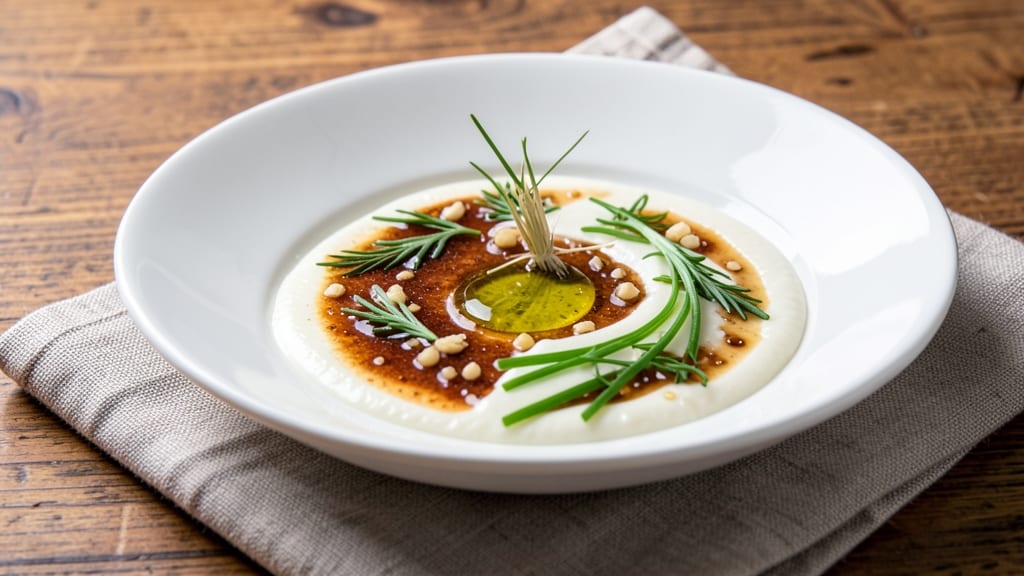
Creating a fancy sauce recipe that transforms simple ingredients into velvety-smooth perfection is an art I’ve perfected over years of testing—this emulsion technique delivers restaurant-quality results at home. The secret lies in balancing rich cream with acidity and herbs, creating a sauce that’s both elegant and approachable.
Whether you’re elevating steak, seafood, or appetizers, this method ensures a flawless finish every time.
This recipe relies on just a handful of pantry staples—heavy cream, wine or vinegar for brightness, and fresh herbs—to craft a sauce that’s impossibly smooth yet deeply flavorful. The emulsion process, where fat and liquid bind seamlessly, is the game-changer, eliminating the need for thickeners like cornstarch.
With precise timing and gentle heat, you’ll achieve a texture so luxurious it feels like a culinary revelation.
The result is a sauce that’s versatile enough for any occasion yet refined enough for special dinners. Its creamy body and layered flavors—whether tangy, herby, or slightly spicy—make it a standout addition to any meal.
Once mastered, this technique opens doors to endless variations, from classic béarnaise to bold chimichurri. Let’s get started on crafting your signature sauce.
Storage is effortless: refrigerate for up to 5 days in an airtight container, or freeze for longer shelf life. The sauce thickens slightly when chilled, so simply whisk in a splash of warm water or broth before reheating to restore its silky consistency.
Perfect for meal prep, this recipe ensures you’re always ready to impress without last-minute stress.
Ingredients for fancy sauce
Nine essential ingredients transform into velvety perfection—no thickeners needed for this restaurant-worthy emulsion.
| Ingredient | Amount | Notes |
|---|---|---|
| Heavy Cream 🥛 | 1 cup | Full-fat for optimal emulsion |
| Dry White Wine 🍷 | ½ cup | Sauvignon Blanc preferred |
| Fresh Shallots 🧅 | 2 whole | Finely minced, not chopped |
| Extra-Virgin Olive Oil 🫒 | ¼ cup | High-quality, fruity variety |
| Fresh Tarragon Leaves 🌿 | ¼ cup | Stems removed, loosely packed |
| Fresh Chives 🌱 | 0.15 cup | Finely chopped, mild flavor |
| Lemon Juice 🍋 | 1 tbsp | Freshly squeezed, no pulp |
| Diamond Crystal Kosher Salt 🧂 | ½ tsp | Fine grain preferred |
| Freshly Ground Black Pepper 🌶️ | ¼ tsp | Coarse grind recommended |
| Cold Water 💧 | ¼ cup | Chilled for emulsion stability |
The heavy cream forms the luxurious base, so opt for full-fat—it emulsifies more smoothly than reduced-fat alternatives. For wine, Sauvignon Blanc delivers the bright acidity that prevents the sauce from becoming overly rich, though a crisp Chardonnay works equally well. Shallots provide a more delicate sweetness than onions, and freshly minced (not chopped) ensures a silky texture. Penzeys or high-quality grocery store spice sections carry excellent shallots—avoid pre-minced varieties, which oxidize quickly. Tarragon and chives are non-negotiable for the signature herby brightness; farmers markets often carry fresher herbs than grocery stores, but store-bought works if labeled 'fresh' and vibrant in color. The olive oil should be extra-virgin with noticeable peppery notes—California Olive Ranch or Colavita are reliable brands for this purpose.
No white wine? Substitute apple cider vinegar at half the amount, though the sauce will lack depth. Tarragon unavailable? Fresh dill at two-thirds the quantity provides a similar aromatic profile, though the flavor will differ slightly. Prefer a bolder sauce? Add 1/4 teaspoon of smoked paprika to the finished emulsion. For a dairy-free version, replace the heavy cream with full-fat coconut cream, though the texture will be slightly lighter. The cold water is critical—it stabilizes the emulsion by creating a protective barrier around the fat molecules. Use filtered water if your tap water has strong mineral content, as impurities can disrupt the emulsion's stability. Lemon juice can be swapped for white wine vinegar in a pinch, but fresh citrus adds a brightness that vinegar cannot replicate.
This emulsion thickens naturally when chilled, so store in an airtight glass container in the refrigerator for up to 5 days. To reheat, whisk in 1-2 tablespoons of warm water or broth until silky again. For longer storage, freeze in ice cube trays—each cube makes an ideal portion for finishing dishes. The sauce can be made ahead and held at room temperature for up to 2 hours before serving, though it will separate slightly. Stir vigorously before using to restore its velvety consistency. When using frozen portions, thaw in the refrigerator overnight for best results, as rapid temperature changes can break the emulsion.
Why You'll Love This Recipe
- Five-Ingredient Magic: I swear, this sauce is the kind of recipe that makes me feel like a chef—even though I’m just heating a pot. Shallots barely need chopping, the wine reduces in minutes, and that first swirl of tarragon into the cream? Pure satisfaction without any fuss.
- Wine-Infused Luxury: The white wine doesn’t just cook off—it lingers, bright and citrusy, cutting through the richness of the cream. Honestly, I’ve tried store-bought versions, and this tastes like a restaurant’s secret weapon, not a shortcut.
- Date Night Ready: Slather it over grilled fish, drizzle it on roasted veggies, or toss it with pasta—it’s my go-to for impressing someone without stressing. The tarragon’s anise notes make it feel special, but it’s still easy enough for a Tuesday.
- Leftovers That Shine: This sauce actually improves the next day. The flavors meld even deeper, and I’ve used it to elevate everything from sandwiches to scrambled eggs. (Yes, even on a lazy morning.) Store it in the fridge for up to a week—no waste, all flavor.
Step-by-step instructions for velvet-smooth emulsion sauce
Mastering this emulsion transforms simple pantry staples into a luxurious, restaurant-quality sauce.
Prepare the Herb Base
Finely mince the 2 whole fresh shallots until you achieve a paste-like consistency—this ensures even distribution of flavor throughout the sauce. Heat the 0.25 cup extra-virgin olive oil in a saucepan over medium heat until it shimmers but doesn't smoke. Add the shallots and cook for exactly 3 minutes, stirring constantly, until they become translucent and fragrant.
Remove the pan from heat and immediately stir in the 0.25 cup fresh tarragon leaves and 0.15 cup fresh chives. Let the mixture steep for 2 minutes to infuse the oil with herb aroma. This step develops the sauce's aromatic foundation while preventing the herbs from releasing bitterness that would overpower the emulsion.
Build the Emulsion Foundation
Reduce the heat to low and carefully pour in the 0.5 cup dry white wine. Allow it to simmer gently for 4 minutes until reduced by half—this concentrates the wine's acidity and prepares it to stabilize the emulsion. The mixture should reduce to about 0.25 cup, with a noticeable reduction in volume and increased intensity of flavor.
Next, whisk in the 1 cup heavy cream and 0.25 cup cold water simultaneously using a wire whisk. The cold water acts as an emulsifier, helping the cream and wine to blend smoothly. Continue whisking over low heat for 3 minutes until the mixture thickens slightly and begins to coat the back of a spoon. This indicates the emulsion is forming properly.
Season and Stabilize the Emulsion
Remove the sauce from heat and stir in the 1 tablespoon lemon juice, 0.5 teaspoon diamond crystal kosher salt, and 0.25 teaspoon freshly ground black pepper. The acidity from the lemon juice brightens the flavors while the salt and pepper balance the richness. Taste the sauce and adjust seasoning if needed—this emulsion should be subtly complex, with herb notes prominent but not overpowering.
Return the sauce to low heat and whisk continuously for 2 minutes to ensure all ingredients are fully incorporated. The final texture should be velvety smooth with a glossy sheen—this indicates a proper emulsion where fat and liquid are perfectly suspended. If the sauce appears too thick, whisk in 1 tablespoon of cold water to achieve the ideal consistency for drizzling.
Finish and Serve
Strain the sauce through a fine-mesh sieve into a clean bowl to remove any herb stems or shallot particles. This final step ensures a silky texture without any unwanted texture. The sauce should now have a uniform, velvety appearance with a delicate balance of wine, herb, and citrus notes.
Serve immediately over grilled fish, roasted vegetables, or as a drizzle for pasta. For best results, keep the sauce warm at 160°F if serving family-style, as the emulsion may separate slightly if allowed to cool completely. This sauce transforms simple ingredients into an elegant presentation with professional-level technique.
Pro Tips For Making Fancy Sauce
- SWEEAT SHALLOTS FIRST: I used to just toss raw shallots into the pan with the wine, but they never broke down properly. Instead, finely mince them (about ¼ cup) and cook in olive oil over medium-low for 3-4 minutes until soft and translucent—this builds flavor without burning.
- STRAIN THE WINE: Your cheap white wine will taste like it in the sauce if you don’t strain it. Pour it through a fine-mesh sieve lined with cheesecloth into the cream to filter out sediment—trust me, the texture will be smoother.
- LOW AND SLOW FOR CREAM: The moment you add heavy cream, drop the heat to the lowest setting you can tolerate. I’ve ruined this sauce twice by letting it boil—just simmer gently until thickened (about 5 minutes), or it’ll curdle like a science experiment gone wrong.
- SALT THE CREAM: Season the cream with a pinch of salt before adding it to the wine-shallot mixture. The salt dissolves better and balances the acidity—this is the thing that makes the sauce taste polished, not just "good."
Best sauces and condiments for this fancy sauce
Herb Variations
Swap out tarragon and chives for fresh dill and parsley to create a bright, Mediterranean-inspired sauce perfect for grilled lamb or roasted vegetables. For a bolder profile, add 1 teaspoon of fresh thyme alongside the chives—this works beautifully with chicken dishes.
I’ve also experimented with basil and oregano for a tomato-based emulsion variation, though the wine base remains essential for acidity balance. 🌿
Spicy Twist
Infuse the emulsion with heat by adding 1 teaspoon of hot sauce (like Crystal or Cholula) or ½ teaspoon of red pepper flakes during the final whisking step. For a smoky kick, stir in ½ teaspoon of smoked paprika with the lemon juice.
This version pairs exceptionally well with spicy seafood like shrimp scampi or grilled sausages. Always taste before serving—adjust with extra lemon juice if the heat overpowers the delicate flavors.
Dairy-Free Adaptation
Replace the heavy cream with ½ cup full-fat coconut cream and ½ cup unsweetened almond milk for a dairy-free version that still achieves a velvety texture. The coconut adds a subtle sweetness that complements the wine and herbs, while the almond milk keeps the emulsion light.
This works beautifully with vegetarian mains or as a drizzle for roasted cauliflower. For extra richness, whisk in 1 tablespoon of tahini at the end—it adds depth without altering the emulsion structure.
Sweet & Tangy
Brighten the sauce with 1 tablespoon of honey or agave syrup, added with the lemon juice. This sweet-tangy variation elevates pork tenderloin or grilled peaches with its balanced flavors.
For a tropical twist, stir in ½ teaspoon of grated ginger alongside the shallots—it adds a zesty warmth that cuts through the creaminess. The honey should be raw and liquid (like Madhoney or local wildflower honey) to integrate smoothly without graininess.
Storage Hacks
Refrigerate the sauce in an airtight glass container for up to 5 days, though I recommend making it fresh for special occasions. To reheat, whisk in 1-2 tablespoons of warm water or broth until silky again—never microwave directly, as the heat can break the emulsion.
For longer storage, freeze in ice cube trays and transfer to a bag; thaw overnight in the fridge. Label with the date and variation to keep track of your creations. 💡
Pairing Perfection
This sauce shines over grilled salmon or seared scallops, where its herby brightness complements the seafood’s natural sweetness. For a vegetarian option, drizzle it over roasted asparagus or mushroom risotto.
The wine base also makes it a stunning match for charcuterie boards—pair with prosciutto-wrapped melon or aged cheddar for a sophisticated appetizer. The key is balancing rich proteins with the sauce’s acidity and herbs.
Nutrition facts
Frequently asked questions
Can I make this sauce without wine?
Replace the 0.5 cup dry white wine with 0.5 cup apple cider vinegar for a similar acidity level. For depth, add 1 teaspoon of honey to balance the tang. The sauce will still emulsify beautifully but will have a slightly different flavor profile—more tangy and less complex. This works well for vegetarian dishes or if you prefer a non-alcoholic version.
Why did my sauce break/separate?
Emulsions break when fat and liquid separate, usually due to sudden temperature changes or over-mixing. To fix it, whisk in 1 tablespoon of cold water or warm broth while gently reheating on low heat. For prevention, always use cold water for the emulsion, avoid high heat, and whisk steadily. If it happens again, try adding 1/2 teaspoon of cornstarch mixed with water as a last resort.
What’s the best way to reheat this sauce?
Never microwave directly—it can cause separation. Instead, place the sauce in a small saucepan over low heat and whisk in 1-2 tablespoons of warm water or broth until silky again. Keep the heat gentle to avoid breaking the emulsion. For best results, reheat only until warmed through—overheating can destroy the delicate flavors and texture.
Can I use this sauce on vegetables or is it just for meat?
This sauce is incredibly versatile! While it pairs beautifully with grilled meats like steak or salmon, it also elevates roasted vegetables (try asparagus or mushrooms) and even works as a dip for crusty bread or charcuterie boards. The herby, wine-infused flavor complements both rich and light dishes, making it a fantastic all-purpose sauce for any occasion.
How do I adjust the thickness of the sauce?
If your sauce is too thick, whisk in 1 tablespoon of cold water at a time until you reach the desired consistency. For a thicker sauce, gently simmer it uncovered for 1-2 minutes to evaporate excess liquid. Remember, the sauce will naturally thicken slightly when chilled, so adjust before serving. The ideal drizzling consistency should coat the back of a spoon but still flow smoothly.