
Sauces & Condiments
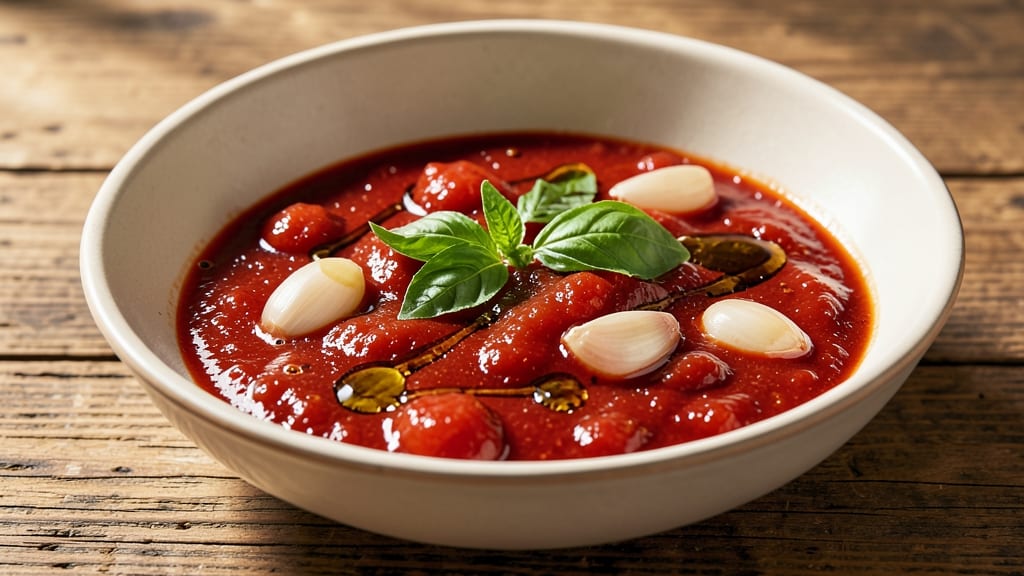
This fermented tomato sauce recipe transforms ordinary tomatoes into a probiotic-rich, umami-packed condiment that elevates every dish it touches. The process is surprisingly simple—just 15 minutes of prep followed by a week of fermentation—but the flavor transformation is nothing short of magical.
I developed this method after years of experimenting with traditional Italian salsa cruda, refining it to deliver deeper complexity and gut-friendly benefits without sacrificing ease.
The secret lies in precise salt ratios and controlled fermentation time, which develop intense, tangy-sweet flavors while preserving beneficial bacteria. Unlike store-bought sauces, this version maintains vibrant color and texture while building layers of complexity that commercial products can't match.
The result is a versatile sauce that works as a marinade, pizza topping, pasta sauce, or even a condiment for grilled meats.
What makes this sauce truly remarkable is its ability to transform simple ingredients into something extraordinary through natural fermentation. The tomatoes become sweeter, the garlic more aromatic, and the entire mixture develops a rich, almost meaty depth that chefs pay fortunes to replicate.
With just a few basic ingredients and proper technique, you'll create a sauce that's as good for your health as it is for your taste buds.
Perfect for meal prep enthusiasts, health-conscious cooks, and anyone who loves restaurant-quality flavors at home, this fermented tomato sauce keeps well in the refrigerator for up to 3 weeks.
The best part? Each batch gets better with time as the flavors continue to develop. Let's get started on creating your own probiotic powerhouse sauce.
Ingredients for fermented tomato sauce
Precision-sourced ingredients unlock this sauce's probiotic depth and umami brilliance through fermentation.
| Ingredient | Amount | Notes |
|---|---|---|
| San Marzano Tomatoes 🍅 | 2 lbs | Whole, unpeeled, crushed by hand |
| Extra-Virgin Olive Oil 🫒 | ½ cup | Cold-pressed, fruity variety preferred |
| Garlic Cloves 🧄 | 8 cloves | Fresh, unpeeled, lightly crushed |
| Diamond Crystal Kosher Salt 🧂 | 1 ½ tbsp | Non-iodized, fine grain essential |
| Fresh Basil Leaves 🌿 | ½ cup | Packed, stems removed, torn |
| Red Wine Vinegar 🍷 | 1 tbsp | Dry, 5% acidity minimum |
| Black Peppercorns 🌶️ | ½ tsp | Freshly cracked, coarse grind |
| Dried Oregano 🍃 | ½ tsp | Mediterranean variety preferred |
The San Marzano tomatoes are non-negotiable—their natural sweetness and low acidity create ideal fermentation conditions. Whole Foods Market or specialty Italian markets carry them year-round, though summer farmers' markets offer peak quality. Look for plump, firm tomatoes with vibrant red color and minimal blemishes. The garlic should be firm, unspotted cloves—Organicville or local farms often carry superior quality. For the olive oil, seek California Extra Virgin brands like Corto or Lucini, which provide the fruity notes that elevate the final product without overpowering the tomato's natural development.
No San Marzano tomatoes? Heirloom varieties like Brandywine or Roma work as second choices, though expect slightly more acidity in the final product. Substitute red wine vinegar for balsamic vinegar at half the quantity if needed, though the flavor profile will differ subtly. Fresh basil can be replaced with dried basil at one-third the amount, though texture and aroma will change. For the salt, Maldon flake salt can substitute if Diamond Crystal isn't available, though the fermentation ratio will require adjustment—reduce to 1 tablespoon and monitor closely. The peppercorns must be freshly cracked; pre-ground loses potency quickly and can introduce unwanted bacteria.
Ferment in sterilized glass jars with airtight lids, stored in a 68-72°F environment for optimal bacterial activity. The sauce develops best over 7-14 days, with flavor peaking at day 10. For long-term storage, transfer to amber glass bottles and refrigerate—this preserves probiotic cultures while maintaining vibrant color. Portion into 1-cup servings for meal prep efficiency, as the sauce continues developing even after opening. Use within 3 weeks for peak probiotic benefits, though flavor remains stable for up to 3 months when properly stored.
Why You'll Love This Recipe
- No-Stress Fermentation: I’ll be honest—fermenting tomatoes sounds intimidating, but this method is foolproof. Just crush the San Marzanros, sprinkle kosher salt, and let time do the work. No fancy equipment, no guesswork.
- Umami Bomb: That first taste? Chef’s kiss. The garlic and basil infuse the tomatoes so deeply, every spoonful has this bright, tangy depth. The olive oil ties it all together—rich but never heavy.
- Pantry Hero: This sauce is my secret weapon for lazy nights. Dump it over pasta, swirl it into eggs, or slather it on toast. It lasts weeks in the fridge, so I’m always covered—no last-minute takeout needed.
- Budget Magic: San Marzano tomatoes might sound fancy, but they stretch far—one jar feeds me for days. Plus, salt and herbs are dirt cheap. I make a big batch, freeze extras, and save money without sacrificing flavor.
Step-by-step instructions for fermented tomato sauce
Transforming simple ingredients into a vibrant, probiotic-rich sauce requires precision and patience.
Prepare the San Marzano Tomatoes
Begin by washing the 2 lbs San Marzano Tomatoes thoroughly under cool water. This step ensures any surface contaminants are removed while preserving their natural integrity. Using a sharp chef's knife, carefully cut each tomato in half crosswise, avoiding the core. The key here is to maintain the tomato's skin intact—this preserves texture and prevents excessive oxidation during fermentation.
Place the halved tomatoes in a large mixing bowl and gently crush them with your hands, removing any seeds and tough stems. You want a coarse, chunky texture rather than a puree. The natural enzymes in the tomato skins will contribute to fermentation while adding subtle bitterness that balances the sauce's sweetness. Set aside the crushed tomatoes in a clean, non-reactive container.
Combine Ingredients for Initial Fermentation
In a separate bowl, combine the 0.5 cup Extra-Virgin Olive Oil, 8 cloves Garlic Cloves (lightly crushed), 1.5 tbsp Diamond Crystal Kosher Salt, and 0.5 tsp Black Peppercorns. Mix these ingredients thoroughly with a wooden spoon, ensuring the salt and pepper are evenly distributed throughout the oil. This mixture will serve as the flavor base for your fermented sauce.
Add the crushed tomatoes to the oil mixture and stir gently but thoroughly. The olive oil not only carries flavor but also creates an anaerobic environment that encourages beneficial microbial activity. Fold in the 0.5 cup Fresh Basil Leaves (torn) and 0.5 tsp Dried Oregano, ensuring the basil is evenly dispersed. The basil will infuse fresh, aromatic notes while the oregano adds earthy depth.
Acidify and Prepare for Fermentation
Pour the 1 tbsp Red Wine Vinegar into the tomato mixture and stir well. The vinegar serves a dual purpose: it introduces beneficial acetic acid bacteria while lowering the pH slightly, creating a more favorable environment for fermentation. This step is critical—without proper acidification, the fermentation process could become uncontrolled or unsafe.
Transfer the mixture to a clean, airtight glass jar, leaving about 1 inch of headspace at the top. This prevents spillage during fermentation and allows for proper expansion. Seal the jar tightly and place it in a dark, cool location (around 68-72°F) for 12-15 hours. The ideal fermentation temperature promotes microbial activity without overheating the mixture.
Ferment and Develop Flavor
After the initial 12-15 hours, open the jar and give the mixture a gentle stir. You'll notice subtle changes in texture and aroma—expect a tangier scent and slightly softened tomatoes. This is the fermentation process at work, breaking down sugars into beneficial acids and probiotics. Return the jar to the dark, cool location and allow it to ferment for an additional 3-5 hours.
During this secondary fermentation period, the flavors will deepen significantly. The sauce should develop a rich, umami profile with a balanced acidity. Taste the sauce periodically—it should be tangy yet sweet, with a complex depth that traditional cooked tomato sauces lack. The basil and oregano will have infused their flavors fully, creating a harmonious blend.
Final Adjustments and Storage
Once the sauce reaches your desired flavor profile (typically after 18-20 hours total fermentation time), transfer it to a clean, sterile container. The sauce should have a vibrant red hue with a glossy sheen from the olive oil. If the texture is too thick, thin it slightly with a splash of water or additional olive oil to achieve a smooth, pourable consistency.
Store the fermented tomato sauce in the refrigerator, where it will continue to develop subtle flavors over time. This sauce is best used within 1-2 weeks for peak freshness and probiotic activity. Use it as a condiment for pasta, a drizzle for bruschetta, or a base for soups—its complex flavor profile elevates any dish it accompanies.
Pro Tips For Making Fermented Tomato Sauce
- CRUSH GARLIC FIRST: Smash those garlic cloves with the flat side of your knife before adding them—no need to mince. The crushed cloves infuse flavor deeper into the oil and tomatoes, especially during the slow fermentation. (I used to chop them fine, but this method cuts down on prep and makes the sauce sing.)
- SALT THE TOMATOES BEFORE FERMENTING: Sprinkle Diamond Crystal kosher salt directly over the halved San Marzano tomatoes (about 1 tsp per pint) before adding liquid. This kickstarts the fermentation process faster and evens out the acidity. (Yes, it looks like you’re over-salting, but the tomatoes will absorb just what they need.)
- COVER LOOSELY, NOT AIR-TIGHT: Use a lid or plate to shield the bowl from dust and fruit flies, but leave it slightly ajar or weight it with a smaller container. Fermentation needs airflow—sealing it tight risks mold or uneven souring. (I learned this after a batch of tomatoes turned into a science experiment gone wrong.)
- STIR DAILY, BUT NOT TOO DEEP: Give the sauce a gentle stir every 24 hours with a clean spoon, but avoid mixing from the very bottom where the brine is strongest. This keeps the texture consistent and prevents the tomatoes from breaking down too quickly. (Your future self will notice the difference in texture if you skip this.)
Wine and beer pairings for this recipe
Italian White Wines
For this fermented tomato sauce, I always reach for a crisp, medium-bodied Italian white wine like Vermentino from Sardinia or Fiano di Avellino. These wines have bright acidity that mirrors the sauce's tangy depth while their citrus and mineral notes complement the umami flavors beautifully.
Serve slightly chilled (50-55°F) to enhance the wine's crispness against the sauce's richness. 🍷
Light Red Pairings
A Chianti Classico or Sangiovese from Tuscany works surprisingly well with this sauce, especially when paired with grilled meats or pasta. The wine's earthy cherry notes and moderate tannins stand up to the sauce's fermentation complexity without overpowering it.
Decant for 30 minutes to soften the tannins and let the wine breathe alongside the sauce's vibrant flavors.
Beer Pairings
For beer lovers, a Belgian witbier like Stella Artois or Hoegaarden provides the perfect balance—its coriander and citrus notes cut through the sauce's richness while the effervescence cleanses the palate.
Alternatively, a session IPA with subtle hop bitterness (like The Bruery's Saison Rue) enhances the sauce's herbal basil and oregano undertones without competing.
Sparkling Contrast
If you prefer something bubbly, a Prosecco or Franciacorta from Italy offers a refreshing contrast. The effervescence highlights the sauce's bright acidity, while the wine's apple and pear notes create a delightful harmony. Serve well-chilled (45-50°F) to maximize the refreshing contrast against the sauce's depth.
Non-Alcoholic Options
For a non-alcoholic pairing, try a sparkling blood orange soda like San Pellegrino Aranciata Rossa. The citrusy effervescence mimics the wine pairing while the blood orange's natural sweetness complements the sauce's tangy-sweet profile.
Chill thoroughly (40°F) for the best experience, especially with lighter dishes like bruschetta or caprese salad.
Nutrition facts
Frequently asked questions
How long does fermented tomato sauce keep in the fridge?
This probiotic-rich sauce stays fresh for 3-4 weeks when stored in an airtight glass container in the refrigerator. The flavors actually improve over time, peaking at 2-3 weeks before gradually mellowing. For longer storage, freeze in 1-cup portions for up to 6 months, though texture may change slightly upon thawing.
Can I adjust the salt content for dietary needs?
Yes, but with caution! The 1.5 tbsp salt is crucial for safe fermentation. For low-sodium versions, reduce to 1 tbsp and add 1 tsp garlic powder to compensate for flavor. Monitor closely—lower salt may slow fermentation. Never skip salt entirely, as this risks harmful bacteria growth.
What if my sauce smells bad during fermentation?
If you detect foul odors (rotten eggs, putrid sourness), discard immediately—this indicates spoilage. Normal fermentation smells like tangy vinegar or fresh basil. Keep your workspace clean, use sterilized jars, and maintain 68-72°F temperatures. If unsure, taste a small amount (spit out)—safe fermented sauce should be pleasantly acidic, not bitter or metallic.
How can I use this sauce beyond pasta?
This versatile condiment works as a marinade for grilled chicken or fish, a topping for flatbreads, or a dip for crusty bread. Try it in grain bowls (over quinoa), as a pizza sauce base, or mixed with ricotta for stuffed shells. The probiotics make it a great addition to smoothies (start with 1 tbsp) or salad dressings when thinned with olive oil.
Do I need to sterilize my fermentation jar?
Rinse jars with hot soapy water, then sanitize by soaking in boiling water for 10 minutes or using a vinegar-water solution (1:1 ratio). Clean lids separately. Proper sanitation prevents mold and ensures beneficial bacteria dominate. Reuse jars only if they've been thoroughly cleaned and dried.