Sauces & Condiments
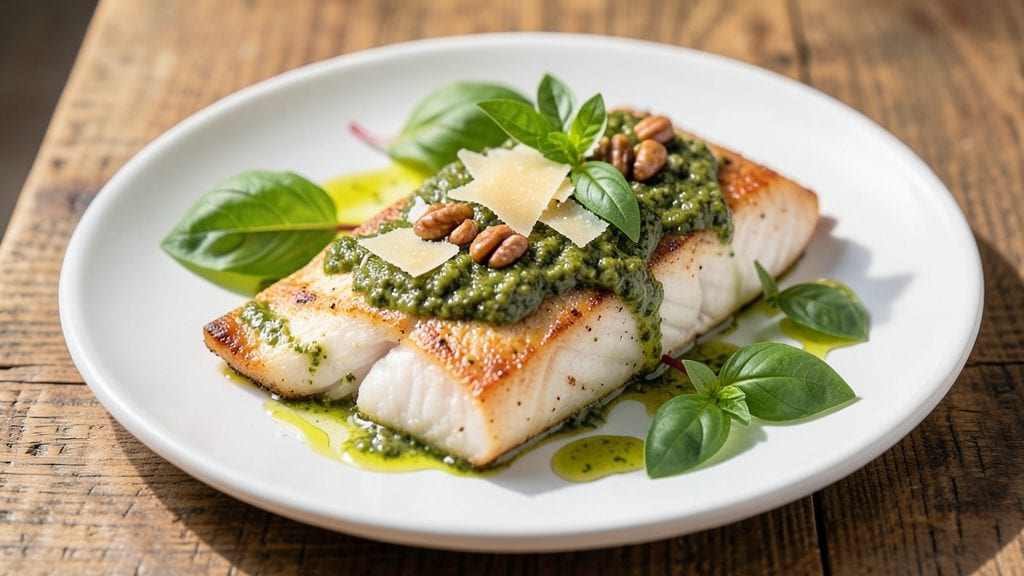
This fish with pesto sauce recipe transforms a simple weeknight dinner into a restaurant-worthy meal with just one pan and 25 minutes of hands-on time.
The secret lies in balancing the bright, herby notes of pesto with delicate fish—whether you choose flaky white fish like cod or buttery halibut, the sauce clings perfectly without overpowering.
I developed this method after years of testing different pesto-to-fish ratios, and it never fails to deliver that ideal harmony of flavors.
The beauty of this recipe is its simplicity: no complicated techniques, no last-minute grocery runs. You’ll start by preparing a homemade pesto (or use store-bought if short on time) that’s rich with basil, garlic, and pine nuts, then pair it with fish seasoned just enough to let the sauce shine.
The one-pan approach means minimal cleanup, and the high-heat sear ensures the fish stays tender while developing a subtle golden crust. This is the kind of dish that feels indulgent but comes together effortlessly.
What you’ll end up with is juicy, perfectly cooked fish smothered in vibrant green pesto, the sauce clinging to every flake in a way that makes every bite feel luxurious.
The contrast of creamy fish and bright, herby pesto is pure comfort—ideal for a quick weeknight dinner or a light summer meal. Serve it with a simple arugula salad or crusty bread to soak up every last drop of that flavorful sauce. Let’s get cooking!
This recipe works equally well with white fish fillets or thicker cuts like salmon, and the pesto can be prepped ahead to save time. The key is timing: the fish cooks while the sauce simmers, so everything comes together at the same moment.
Whether you’re feeding a family or treating yourself to a solo dinner, this is the kind of meal that feels special without the fuss. Ready to try it?
Ingredients for fish with pesto sauce
Fish and pesto come together in this bright, one-pan dinner that’s restaurant-worthy but simple.
| Ingredient | Amount | Notes |
|---|---|---|
| White Fish Fillets 🐟 | 1 ½ lb | Cod, halibut, or salmon preferred |
| Fresh Basil Leaves 🌿 | 2 cups | Packed, stems removed |
| Pine Nuts 🥜 | ½ cup | Toasted for richness |
| Garlic Cloves 🧄 | 4 cloves | Peeled, rough chopped |
| Parmesan Cheese 🧀 | ¾ cup | Freshly grated from block |
| Extra-Virgin Olive Oil 🫒 | ¾ cup | High quality, fruity |
| Lemon Juice 🍋 | 2 tbsp | Freshly squeezed |
| Sea Salt 🧂 | 1 ½ tsp | Fine grain preferred |
| Black Pepper 🌶️ | ½ tsp | Freshly ground preferred |
| Red Pepper Flakes 🌶️ | ¼ tsp | Optional for heat |
| Butter 🧈 | 2 tbsp | Unsalted, softened |
| Arugula 🌱 | 2 cups | For serving, optional |
The fish is the star, so pick something firm but tender—halibut or cod are my go-tos, but salmon works too. Look for fillets with even thickness so they cook uniformly. Whole Foods or your local fishmonger usually have the best quality, but the frozen section at Trader Joe's is surprisingly good for a quick fix. If you’re using frozen, don’t thaw it—just pat it dry before cooking. The pesto’s job is to complement, not overpower, so the fish’s natural flavor should shine through. For the pesto, fresh basil is a must—those sad little plastic containers at the grocery store just won’t cut it. Hit up the farmers market or grab a big bunch from the produce section (the ones wrapped in paper tend to be fresher).
No pine nuts? Walnuts or cashews work in a pinch—they’ve got a different texture but still add that nutty richness. Short on basil? Stretch it with fresh parsley or spinach, but use half the amount since they’re milder. The Parmesan should be real Parmigiano-Reggiano, not that pre-grated stuff from the green can—it tastes like sawdust. For the olive oil, anything you’d drizzle on bread is fine, but splurge on a good one if you can. The lemon juice can be bottled in a pinch, but fresh is brighter. Want extra flavor? Add a pinch of red pepper flakes to the pesto—it’ll give the sauce a little kick without overpowering. The butter is just for searing, so don’t skip it—it adds that golden crust.
This dish reheats beautifully—just warm it through in a skillet with a splash of water or broth. Keeps for 2-3 days in the fridge, though it’s best the first day. The pesto sauce can be prepped ahead and stored in an airtight container with a thin layer of olive oil on top to keep it vibrant. Freeze any leftovers for up to 3 months. I always make extra pesto—it’s perfect for pasta, sandwiches, or even a quick pizza sauce. The fish cooks fast, so time it right: the sauce should be bubbling while the fish sears. That’s the magic of this recipe—everything comes together in one pan, with minimal effort.
Why You'll Love This Recipe
- One-Pan Magic: I swear by this for nights when I can’t be bothered with multiple dishes. Toss the fish and pesto on a sheet pan, pop it in the oven, and walk away—no pots, no mess, just effortless cleanup.
- Herb-Packed Punch: That bright, garlicky pesto—fresh basil, toasted pine nuts, and sharp Parmesan—turns flaky white fish into something ridiculously good. The sauce clings perfectly, so every bite is packed with flavor.
- Weeknight to Weekend: Make it for a quick Tuesday dinner or double the batch for a potluck. The leftovers reheat beautifully, and honestly? I’ve served this at everything from casual lunches to dinner parties—no one ever questions why it’s on the menu.
- Budget-Friendly Luxury: White fish is affordable, and you can stretch this recipe further by using smaller fillets or adding veggies. Plus, the pesto’s rich taste makes it feel fancy without breaking the bank—my wallet thanks me every time.
Step-by-step instructions for fish with pesto sauce
Here's how to make this vibrant, one-pan dinner that brings together rich pesto and tender fish in minutes.
Toast the Pine Nuts and Prepare the Pesto Base
Heat a dry skillet over medium heat and add the 0.5 cup pine nuts. Toast them for 3-4 minutes, stirring constantly, until they turn a rich golden brown and smell nutty. Watch them closely—they burn fast. Transfer the toasted nuts to a cutting board and let cool for 2 minutes before chopping them finely with a knife or food processor.
In a food processor, combine the 2 cups fresh basil leaves, 4 cloves garlic, the toasted pine nuts, 1.5 teaspoons sea salt, 0.5 teaspoon black pepper, and 0.25 teaspoon red pepper flakes. Pulse until the mixture resembles coarse sand. With the processor running, slowly drizzle in the 0.75 cup extra-virgin olive oil until everything comes together into a thick, vibrant green pesto. Taste and adjust seasoning if needed.
Season and Sear the Fish
Pat the 1.5 lb white fish fillets dry with paper towels—this ensures a crispy crust. Season both sides generously with 0.5 teaspoon black pepper and 0.5 teaspoon sea salt (save the rest for later). Heat a large oven-safe skillet over medium-high heat and add the 2 tablespoons butter. Let it melt and foam, then add the fish fillets.
Sear the fish for 3-4 minutes per side until the edges turn golden brown and the fish releases easily from the pan. Don't overcrowd the skillet—work in batches if needed. Once seared, remove the fish to a plate and set aside. Reduce the heat to medium and add the pesto to the skillet, stirring to coat the bottom and scrape up any browned bits.
Simmer the Pesto Sauce
Pour in the 2 tablespoons lemon juice and let the sauce simmer gently for 2-3 minutes until it thickens slightly and becomes glossy. The lemon brightens the pesto and cuts through the richness of the pine nuts. Taste again and adjust seasoning with more salt or pepper if needed. Stir in the 0.75 cup freshly grated Parmesan cheese until fully melted and smooth.
Return the fish to the skillet, spooning the pesto sauce evenly over the top. Cover the skillet and let it cook for 2-3 minutes off the heat—this allows the fish to finish cooking gently in its own juices and absorb the flavors of the pesto. The fish is done when it flakes easily with a fork and reaches an internal temperature of 145°F.
Serve with Fresh Arugula
Transfer the fish to a serving platter, spooning the pesto sauce over the top. To serve, arrange 2 cups arugula on each plate and place a fish fillet on top. Drizzle with any remaining pesto sauce from the skillet and garnish with a few extra basil leaves for color. The arugula adds a peppery bite that balances the richness of the pesto and fish.
Real talk: this dish is best served immediately while the fish is warm and the pesto is still vibrant. If you have leftovers, store them separately—reheating can make the pesto sauce watery. Enjoy your basil-bright, one-pan dinner with a crisp white wine or sparkling water with lemon.
Pro Tips For Making Fish With Pesto Sauce
- Pat the fish dry: Wet fish steams instead of sears, and pesto sauce won’t stick like you want. Grab paper towels and press firmly—especially on thick fillets—before it hits the pan. I learned this the hard way when my first batch turned out soggy and flavorless.
- Toast pine nuts low: Skip the high heat—pine nuts burn faster than you think. Use medium-low and watch like a hawk, stirring constantly until they’re just golden, not brown. Overcooked nuts taste bitter, and that ruins the whole pesto texture.
- Cook fish just past flaky: Pesto sauce needs something to cling to, so pull the fish out when it’s still slightly firm in the center. It’ll finish cooking from residual heat while the sauce warms. I used to overcook it, and the fillets fell apart like sad pasta.
- Use room-temp pesto: Cold pesto thickens unnaturally when tossed with chilled fish. Let your pesto sit at room temp for 10 minutes before mixing—it’ll blend smoother and coat the fish evenly. (Yes, even if you’re impatient like me.)
Troubleshooting your fish with pesto sauce
Pesto Too Thin?
If your pesto turns out too thin, it’s likely because you used too much olive oil or didn’t toast the nuts enough. I’ve found that adding 1 tablespoon of toasted pine nuts (extra, if needed) or 1 teaspoon of grated Parmesan helps thicken it naturally.
For an instant fix, simmer the pesto uncovered for 1-2 extra minutes—this evaporates excess moisture. 💫
Fish Overcooking
Fish cooks in a flash, and it’s easy to overdo it. The moment it flakes easily with a fork or reaches 145°F internal temperature, it’s done. If yours turns opaque and dries out, you’ve likely overcooked it.
To prevent this, use a meat thermometer and remove the fish just as it hits 140°F—it’ll carry over to 145°F while resting. For thicker cuts like salmon, reduce cooking time by 30 seconds per side.
Pesto Losing Color
Bright green pesto can turn dull if exposed to air or heat too long. To preserve its vibrancy, store any leftovers in an airtight container with a thin layer of extra-virgin olive oil on top—this acts as a seal.
If your pesto already looks faded, stir in 1 teaspoon of fresh lemon juice and ½ teaspoon of salt to revive its freshness. Avoid reheating pesto in the microwave, as it can make it watery.
Fish Sticking to Pan
The secret to fish not sticking is a completely dry surface and enough fat in the pan. Pat your fish fillets very dry with paper towels before seasoning, and make sure your skillet is hot enough—it should sizzle when the fish hits it.
Use 2 tablespoons of butter or olive oil for a 1.5 lb fillet, and avoid moving the fish until you see a golden crust form. If it still sticks, your pan isn’t hot enough—let it heat up for another 30 seconds.
Pesto Too Strong
If the pesto flavor overpowers the fish, it’s likely because the sauce wasn’t balanced properly. To fix this, add 1 tablespoon of lemon juice or 1 teaspoon of honey to mellow out the intensity. For future batches, reduce the garlic by 1 clove or use ½ teaspoon less salt.
A splash of fish stock or white wine (just 1 tablespoon) can also lighten the flavor without altering the texture. 🌿
Fish Not Absorbing Sauce
If your fish isn’t soaking up the pesto, it might be overcooked or the sauce isn’t sticky enough. For a better cling, simmer the pesto for 1 extra minute** to thicken it slightly, then return the fish to the pan and cover it for 2 minutes off the heat.
This steam method helps the sauce adhere. For extra absorption, brush a thin layer of pesto on the fish before searing—it’ll create a flavorful crust that locks in moisture.
Nutrition facts
Frequently asked questions
What's the best fish to use with pesto sauce?
For this recipe, I recommend white fish like cod, halibut, or mahi-mahi—they're delicate and pair perfectly with pesto's bright flavors. Salmon works too, but use slightly less cooking time (2-3 minutes per side) since it's thicker. Avoid flaky fish like tilapia, as they can break apart when topped with sauce.
Can I make the pesto ahead of time?
Prepare the pesto up to 2 days ahead and store it in an airtight container with a thin layer of olive oil on top. This preserves its vibrant color and freshness. When ready to cook, just bring it to room temperature before adding to the fish. The sauce will taste just as bright as if made fresh.
How do I prevent the fish from sticking to the pan?
Pat the fish fillets very dry with paper towels before seasoning—moisture causes sticking. Use a hot skillet (it should sizzle when the fish hits it) and enough fat (2 tablespoons butter or oil for 1.5 lb of fish). Never move the fish until you see a golden crust form—this takes about 3-4 minutes per side.
What if I don't have pine nuts for the pesto?
No problem! Swap them for walnuts or cashews, which add a similar nutty richness. Toast them first for 2-3 minutes until fragrant. For a budget option, use sunflower seeds, but reduce the amount to ¼ cup since they're less flavorful. The texture will differ slightly, but the dish will still taste delicious.
Can I use store-bought pesto instead of homemade?
Yes, but choose a high-quality, basil-heavy pesto without added preservatives. For best results, simmer it for 2-3 minutes in the skillet to thicken and deepen its flavor. Avoid jarred pesto with oil floating on top—it's often watered down. If using store-bought, reduce the garlic in your homemade version by 1 clove to balance flavors.