
Sauces & Condiments
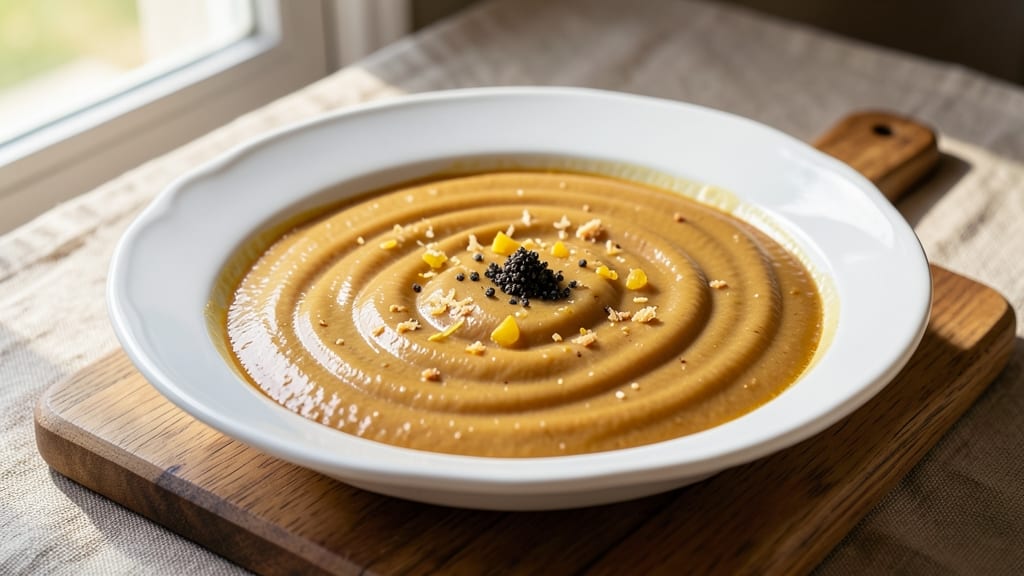
Mastering a classic French sauce like béchamel transforms ordinary dishes into restaurant-worthy meals. The key lies in a smooth, velvety texture achieved through precise roux technique and proper emulsification—something that takes practice but becomes second nature with the right method.
I’ve refined this recipe over years of testing, ensuring every batch delivers that signature creamy consistency without breaking or separating.
This béchamel starts with equal parts butter and flour cooked to a golden paste, then gradually whisked into warm milk to create a thick, glossy sauce. The process requires patience—rushing leads to lumps or graininess—but the result is worth every minute.
Once perfected, this versatile sauce elevates everything from macaroni to casseroles, adding depth and richness to any dish.
What sets this recipe apart is its foolproof approach to emulsification, where fat and liquid bind seamlessly. The sauce should coat the back of a spoon without being overly thick, striking the perfect balance for both immediate use and reheating.
With just five simple ingredients, you’ll achieve a sauce that’s as elegant as it is functional.
Pair this béchamel with classic dishes like lasagna, croque monsieur, or creamy soups. The instructions below break down each step clearly, from roux formation to finishing touches, ensuring professional results every time. Let’s get started on mastering this timeless technique.
Ingredients for french sauce
Five essential ingredients transform into the velvety foundation of French cuisine.
| Ingredient | Amount | Notes |
|---|---|---|
| Unsalted Butter 🧈 | ½ cup | Cold, cut into small cubes |
| All-Purpose Flour 🌾 | ½ cup | Sifted for smooth roux |
| Whole Milk 🥛 | 4 cups | Warm, not boiling |
| Salt 🧂 | ½ tsp | Fine sea salt preferred |
| White Pepper 🌶️ | ¼ tsp | Freshly ground for elegance |
| Nutmeg 🌿 | ⅛ tsp | Freshly grated for warmth |
The butter and flour form the critical roux, where color and flavor develop. European-style unsalted butter (like Plugrá or President) creates a richer base than American brands, but any high-quality unsalted will work. Sift the flour to eliminate lumps—this ensures a smooth sauce. The milk should be warm but not hot; whole milk yields the creamiest texture, though 2% works in a pinch. For the finest finish, use freshly grated nutmeg; pre-ground loses its potency quickly. The white pepper adds sophistication without altering the sauce's color, a hallmark of classic French technique.
No unsalted butter? Substitute salted butter and reduce the salt to 0.25 tsp—but unsalted is ideal for precise seasoning. Whole milk unavailable? 2% milk or light cream works, though texture may vary slightly. For extra richness, half-and-half or heavy cream can replace up to 2 cups of milk. Fresh nutmeg hard to find? Ground nutmeg at half the amount suffices, though flavor will be milder. The flour must be all-purpose; cake flour yields a thinner sauce. If you accidentally burn the roux, start over—there’s no salvaging it once it darkens.
Store finished sauce in an airtight container in the refrigerator for up to 5 days. For longer storage, freeze in ice cube trays for 3 months—thaw and reheat gently. The sauce thickens as it cools, so thin with warm milk if needed. Béchamel reheats beautifully; stir over low heat with a splash of milk to restore creaminess. Portion into containers for easy use in dishes like lasagna or creamy soups, where it maintains its velvety consistency.
Why You'll Love This Recipe
- Here’s what sold me: This sauce actually improves overnight. Reheat it, and it’s even thicker, richer—perfect for lazy mornings or last-minute lunches. Plus, it stretches across multiple meals, so I’m not scrambling to feed the family every night. Budget-friendly? Absolutely.
- Pantry Staples Only: I swear by this sauce because it uses what’s already in my fridge—no fancy stores runs. Butter, flour, milk? That’s it. The magic happens when you melt the butter, whisk in the flour, then slowly add milk until it’s velvety smooth. No chopping, no peeling, no stress.
- Velvet Smooth Magic: That first spoonful? Pure satisfaction. The butter and flour create this rich, golden roux that thickens into a silky sauce with just a whisper of white pepper. It’s creamy but not heavy, salty but not overpowering—like a warm hug for your taste buds.
- Dinner Party Secret: Between us, this is my go-to for weeknight dinners and when unexpected guests show up. Drizzle it over grilled chicken, toss it with pasta, or slather it on roasted veggies. It turns simple meals into something that feels special without the fuss.
Step-by-step instructions for French sauce recipe: mastering the classic béchamel
Here's the professional method for crafting a velvety, foolproof béchamel that forms the foundation of countless French dishes.
Prepare the Roux for a Smooth Base
In a medium saucepan, melt the 0.5 cup unsalted butter over medium-low heat, stirring constantly until completely liquid. Add the 0.5 cup all-purpose flour all at once and whisk vigorously for 1-2 minutes until the mixture forms a smooth, paste-like consistency. This is your roux—the foundation of the sauce—and it should look like thick, glossy peanut butter with no lumps.
Keep the heat at medium-low throughout this process. If the roux darkens or develops a nutty aroma, you've cooked it too long and risk a bitter flavor. The perfect roux should be pale golden, similar to the color of a well-made peanut butter. This step requires patience; rushing leads to graininess in your final sauce.
Gradually Incorporate Warm Milk
Slowly pour in the 4 cups warm whole milk while whisking continuously. Add it gradually—about ½ cup at a time—to prevent lumps from forming. The mixture will thicken immediately as you incorporate each addition. After adding about 2 cups of milk, increase the heat to medium to help the sauce thicken further.
Continue whisking constantly for 3-5 minutes until the sauce reaches a smooth, creamy consistency. You're looking for a sauce that coats the back of a spoon but still flows easily. If it thickens too quickly, reduce the heat slightly and whisk more gently. The key is maintaining a gentle simmer—never let it boil, or the sauce will curdle and develop a grainy texture.
Season and Refine the Texture
Once the sauce has thickened to your desired consistency, reduce the heat to low and stir in the 0.5 teaspoon salt, 0.25 teaspoon white pepper, and 0.125 teaspoon nutmeg. Taste and adjust seasoning if needed—this is your chance to balance the flavors before the sauce sets. The nutmeg should add a subtle warmth, while the white pepper provides a clean, elegant finish without the visual impact of black pepper.
For a perfectly smooth sauce, strain it through a fine-mesh sieve into a clean saucepan. This removes any potential lumps and gives you that silky texture professional chefs pride themselves on. Keep the sauce warm over low heat, stirring occasionally, until ready to use. If the sauce thickens too much while waiting, thin it with a splash of warm milk to maintain its ideal consistency.
Adjust Consistency for Your Dish
Béchamel's versatility lies in its ability to adapt to different dishes. For a thicker sauce suitable for lasagna or gratins, continue simmering gently until it reaches a pudding-like consistency. For a lighter sauce perfect for creamed vegetables or soups, thin it with additional warm milk, 1 tablespoon at a time, until it reaches a velvety, pourable texture.
Remember, the sauce will continue to thicken as it cools, so adjust it slightly thinner than you think you need. If you're using the béchamel immediately, keep it warm over low heat with occasional stirring. For later use, let it cool completely, then store it in an airtight container in the refrigerator for up to 3 days or freeze it for up to 1 month. When reheating, do so gently over low heat, stirring frequently to prevent scorching.
Pro Tips For Making French Sauce
- WHISK THE BUTTER FIRST: Melt the butter completely before adding flour—no lumps, no rushing. I used to toss cold butter in and end up with a grainy roux that fought me the whole time. A minute over medium heat, stirring constantly, guarantees a smooth base.
- COOK THE ROUX LOW: Once butter and flour are mixed, drop the heat to medium-low and cook for 2-3 minutes until it smells nutty but not browned. Too hot? You’ll burn it before the milk even joins the party. Trust me, your sauce will thank you.
- TEMPE THE MILK: Warm the milk to room temperature before adding it to the roux—cold milk makes the sauce seize up like a stubborn mule. Just let the jug sit for 10 minutes or microwave it for 30 seconds. Your sauce will thicken like a dream instead of curdling like a nightmare.
- SALT IN LAYERS: Add half the salt with the butter, then the rest at the end—this balances flavor without overpowering. I learned this after making a batch so bland I wanted to cry, then another so salty I had to start over. Balance is everything.
Perfect pairings for this recipe
Classic French Pairings
Béchamel shines as the creamy backbone of lasagna—layer it with ricotta, mozzarella, and bolognese for an Italian-French fusion. For croque monsieur, spread it between ham and Gruyère cheese, then broil until golden and crispy.
The sauce’s velvety texture contrasts perfectly with the crispy breaded exterior. 🧀
Creamy Vegetable Complements
Use béchamel to elevate creamed spinach or mushroom risotto—simmer it with sautéed garlic and shallots for depth. For gratin dishes, mix it with Gruyère or Parmesan cheese before baking potatoes or cauliflower.
The nutmeg in the sauce adds warmth that pairs beautifully with earthy vegetables. A splash of white wine> (like Chardonnay) while cooking enhances the flavor profile.
Rich Seafood Applications
Béchamel transforms simple fish dishes into gourmet meals. Try it as a topping for baked cod or scallops, where its creaminess balances the delicate seafood. For lobster thermidor, mix it with lobster meat and brandy before baking.
The sauce’s subtle seasoning lets the seafood flavors shine while adding luxurious texture. A drizzle of lemon zest> at the end brightens the dish.
Unexpected Twists
Think beyond traditional uses—béchamel makes an excellent dipping sauce for fries or veggie sticks, especially when thinned slightly with milk. Add a pinch of paprika> for a smoky kick or herbs de Provence> for a Mediterranean twist.
It also works as a glaze for roasted chicken thighs, brushed on in the final minutes of cooking for a glossy finish.
Cheese Sauce Upgrades
Elevate classic mac and cheese by folding in sharp cheddar and Gruyère> for a French-inspired twist. For a cheese sauce with extra depth, add a splash of Dijon mustard> or a sprinkle of smoked paprika>.
The nutmeg in the béchamel adds complexity that makes it stand out from basic cheese sauces. Serve with crispy bacon bits for a restaurant-quality dish. 🧈
Beverage Pairings
Complement your béchamel dishes with a crisp white wine like Sauvignon Blanc> or a light lager such as Peroni>. The acidity of the wine cuts through the sauce’s richness, while the beer’s effervescence cleanses the palate.
For a non-alcoholic option, try sparkling apple cider—its brightness balances the creaminess beautifully. Avoid heavy reds, which can overpower the delicate flavors. 🍷
Nutrition facts
Frequently asked questions
Why does my French sauce turn grainy?
Graininess usually happens when the roux is overcooked or the milk is added too quickly. Always whisk constantly while adding warm milk ½ cup at a time and keep heat at medium-low. If it happens, strain the sauce through a fine-mesh sieve to restore smoothness.
Can I make this sauce without butter?
Yes! For a dairy-free version, use vegetable oil or olive oil instead of butter in equal amounts. The texture will be slightly lighter, but the technique remains the same. Just ensure your oil is warmed before adding flour to create the roux properly.
How do I fix a sauce that's too thick?
Thin with warm milk 1 tablespoon at a time while whisking gently. If it's already set, reheat it over low heat and stir in a splash of milk to restore creaminess. Never add cold milk—it can cause the sauce to break.
What's the secret to a perfectly smooth sauce?
Patience and whisking! The key is a pale golden roux (not brown) and adding milk slowly while whisking vigorously. Strain through a fine-mesh sieve before serving to remove any microscopic lumps. The sauce should coat the back of a spoon but still flow easily.