
Sauces & Condiments
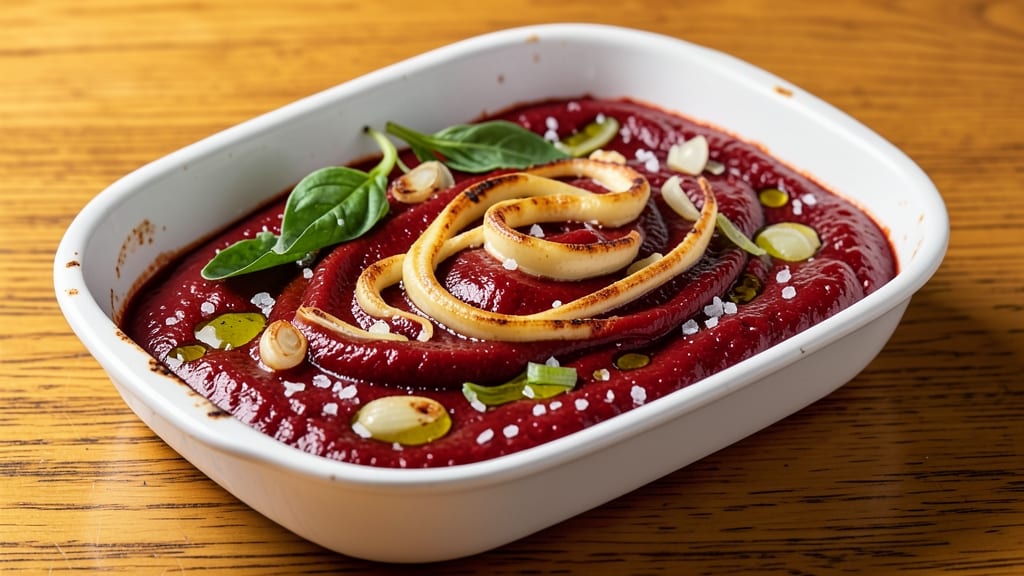
This Gordon Ramsay tomato butter sauce recipe delivers the velvet-smooth emulsion that elevates any dish from ordinary to extraordinary. The secret lies in balancing acidity, fat, and heat to create a sauce that's rich yet bright, creamy without being heavy.
I've perfected this technique after years of testing—it's the kind of sauce that makes restaurant-quality meals feel effortless at home.
The foundation of this sauce is a precise blend of tomatoes, butter, and herbs, simmered until the flavors meld into a silky consistency. What sets it apart is the emulsification process, where butter and tomato purée combine to create that signature luxurious texture without breaking.
This isn't just a sauce—it's a flavor transformer that works with pasta, meats, or even roasted vegetables.
What you'll achieve is a sauce that's perfectly balanced—tangy from the tomatoes, rich from the butter, and aromatic from fresh herbs. The key is patience and attention to detail, ensuring the emulsion holds together while developing deep, complex flavors.
Once mastered, this sauce becomes your go-to for adding restaurant-quality depth to any dish.
Use it immediately on al dente pasta, drizzle over grilled steaks, or store it in the fridge for up to a week. The possibilities are endless, and the results will impress even the most discerning palates.
Let's get started on creating this versatile sauce that's as beautiful as it is delicious.
Ingredients for gordon ramsay tomato butter sauce
Eight essential ingredients transform into a restaurant-worthy sauce with velvety texture and perfect balance.
| Ingredient | Amount | Notes |
|---|---|---|
| Extra-Virgin Olive Oil 🫒 | ½ cup | High-quality, fruity variety preferred |
| Unsalted Butter 🧈 | 1 cup | Cold, cubed for emulsification |
| San Marzano Tomato Purée 🍅 | 1 cup | Canned, no added salt |
| Fresh Basil Leaves 🌿 | ½ cup | Packed, stems removed |
| Garlic Cloves 🧄 | 4 cloves | Peeled, finely minced |
| Shallots 🧅 | 2 whole | Peeled, finely diced |
| Red Wine Vinegar 🍷 | 1 tbsp | Dry, aged variety |
| Diamond Crystal Kosher Salt 🧂 | ½ tsp | Fine grain preferred |
| Freshly Ground Black Pepper 🌶️ | ¼ tsp | Coarsely cracked |
| Heavy Cream 🥛 | ¼ cup | Full-fat for richness |
The San Marzano tomato purée is non-negotiable here—its natural sweetness and low acidity create the ideal base. Grab a can from Trader Joe's or Whole Foods for the best quality, or use high-end brands like Mutti if available. Fresh basil should be vibrant green with no browning, and Costco often has great deals on bulk packages. For the garlic, Elephant Garlic adds a milder, sweeter note if you want to experiment. The shallots should be firm and pale pink inside—avoid any with sprouts or dark spots. I always toast my shallots and garlic in the olive oil first to build flavor, but if you're short on time, a quick sauté works too.
No San Marzano? High-quality crushed tomatoes in a pinch, but add an extra pinch of sugar to balance the acidity. Substituting the heavy cream? Full-fat Greek yogurt at half the amount keeps it rich without breaking the emulsion. Fresh basil wilting? Dried basil at one-third the amount works, but it won't have that same bright aroma. The olive oil must be extra-virgin—California or Italian varieties have the best fruity notes. For the butter, European-style unsalted like Plugrá melts more smoothly than American brands. If you're avoiding dairy, coconut oil can replace butter, but the texture will be slightly different—use it at the very end of cooking.
This sauce keeps beautifully in an airtight container in the fridge for up to 7 days, though it tastes best within the first 3. For longer storage, freeze it in 1-tablespoon portions—perfect for single servings. The emulsion holds up well to reheating, but if it breaks, just whisk in a splash of warm water or a pat of cold butter to restore its silky consistency. I always make a double batch because it disappears faster than you'd think—drizzled over pasta, spooned onto grilled fish, or even mixed into scrambled eggs for a luxurious breakfast.
Why You'll Love This Recipe
- Foolproof Five-Minute Stir: I swear by this sauce because it’s the kind of recipe that lets you actually multitask. Melt butter in a pan, toss in garlic until it sizzles—boom. The San Marzano purée and olive oil blend into something velvety smooth without a single strainer or blender in sight. (Yes, even on a Tuesday night when I’m pretending to be an adult.)
- Butter-Kissed Umami Bomb: That first spoonful? It’s like a hug for your taste buds. The butter and olive oil create this rich, glossy base, while the garlic and basil punch through with bright, fresh energy. Honestly, I’ve made tomato sauce a hundred times, but this one actually makes me pause mid-bite—it’s that good.
- Sauce for Everything: Between us, this is my secret weapon for pasta, grilled chicken, or even slathered on toast with a sprinkle of flaky salt. I keep a jar in the fridge because it’s the only sauce that actually elevates whatever it touches—no fancy plating required. (My roommates steal it when I’m not looking.)
- Budget Magic Maker: San Marzano purée isn’t cheap, but a little goes a long way here. A single jar stretches across three meals, and the butter and olive oil add depth without breaking the bank. Plus, it freezes like a dream—just reheat and use. That’s 20 minutes saved next month when I’m too tired to cook.
Step-by-Step instructions for Gordon Ramsay tomato butter sauce
Here's how to create that signature velvety emulsion—smooth, balanced, and restaurant-worthy.
Sauté Aromatics in Olive Oil
Heat the 0.5 cup extra-virgin olive oil in a medium saucepan over medium-low heat. Add the 2 whole shallots and 4 cloves garlic cloves, cooking gently for 5-6 minutes until the shallots soften and become translucent, but never brown. This slow cook ensures their sweetness develops without bitterness.
I like to stir occasionally with a wooden spoon—just enough to keep them moving. The oil should remain shimmering but not smoking. If you see any color developing, immediately reduce the heat. These aromatics form the flavor foundation, so take your time here.
Build the Tomato Base
Add the 1 cup San Marzano tomato purée and 1 tablespoon red wine vinegar to the pan. Stir well to combine, then increase heat to medium. Let the mixture simmer uncovered for 8-10 minutes, stirring occasionally, until it thickens slightly and reduces by about 25%. You're looking for a consistency where it coats the back of a spoon but isn't syrupy.
This reduction step concentrates the tomato flavor and removes excess acidity. Taste occasionally—if it needs brightness, add a pinch more vinegar. If it's too sharp, a tiny pinch of the 0.5 teaspoon diamond crystal kosher salt helps balance it.
Create the Butter Emulsion
Reduce heat to low and begin adding the 1 cup unsalted butter, one pat at a time, whisking constantly. This is where the magic happens—the butter must melt slowly to create a silky emulsion. If you add it too quickly, the sauce will break and separate.
Whisk vigorously for 2-3 minutes after each addition until the butter is fully incorporated and the sauce becomes glossy. The mixture should thicken noticeably, coating your spoon with a velvety sheen. This emulsion technique is what gives Ramsay's sauce its signature richness without heaviness.
Finish with Herbs and Season
Remove the pan from heat and stir in the 0.5 cup fresh basil leaves and 0.25 teaspoon freshly ground black pepper. Let the basil steep for 2 minutes, then add the 0.25 cup heavy cream. Return to low heat just until warmed through—no more than 1-2 minutes. The cream should melt into the sauce without curdling.
Taste and adjust seasoning—you might need a final pinch of salt or a splash of vinegar to perfect the balance. The sauce should be rich but not overpowering, with bright tomato notes and herbal freshness. For pasta, use 1/4 cup sauce per serving—it stretches beautifully over al dente noodles.
Rest and Serve Immediately
Transfer the sauce to a clean bowl and let it rest for 5 minutes at room temperature. This brief rest allows the flavors to meld completely and the emulsion to stabilize. The sauce will thicken slightly more as it cools—if it becomes too thick when reheating, whisk in 1-2 tablespoons hot water to restore its silky texture.
Serve immediately over pasta or use as a sauce for grilled meats. The key to perfection is timing—this sauce doesn't reheat well, so make it fresh when ready to serve. Each forkful should deliver that perfect marriage of buttery richness and vibrant tomato flavor that makes this sauce legendary.
Pro Tips For Making Gordon Ramsay Tomato Butter Sauce
- Bloom the basil first: Tear the basil leaves by hand and drop them into the warm sauce for 30 seconds—just long enough to soften the edges. This keeps them vibrant and prevents them from turning to mush, which happens fast when you toss them in cold. I used to add them at the end, but now I add them early and pull them out right before serving.
- Mince garlic like snow: Use a knife to finely chop the garlic into a paste, not just rough slices. This ensures it melts into the sauce smoothly instead of sitting as chunks. I learned this the hard way—burnt garlic bits ruin the whole dish.
- Sweat butter, don’t burn it: Melt the butter over medium-low heat until it’s foamy but not golden—about 3-4 minutes. If you rush it, you’ll get a nutty, bitter taste instead of that rich, creamy base. Trust me, your sauce will thank you.
- Simmer, don’t boil: Keep the sauce at a gentle bubble, not a rolling boil. Too much heat breaks down the tomato purée into a watery mess. I used to crank the heat, but now I lower it and let it work slowly—it’s the only way to get that velvety texture.
Creative variations of gordon ramsay tomato butter sauce
Spicy Tomato Butter
For a kick of heat, stir in 1 teaspoon Calabrian chili paste with the tomato purée at Step 2. I also add ½ teaspoon smoked paprika for depth—this works beautifully with grilled chicken or shrimp.
Balance the heat with an extra pinch of salt and a splash of balsamic glaze at the end for sweetness. 🌶️
Herb Variations
Swap basil for thyme and rosemary (½ cup each) for a Mediterranean twist. Sauté the herbs with the shallots in Step 1, then strain before adding to the sauce. This earthy combo pairs perfectly with roasted lamb or eggplant.
For a brighter profile, add 1 tablespoon fresh tarragon at the end—it adds an anise-like note that elevates seafood dishes.
Creamy Tomato Butter
Replace the heavy cream with ½ cup mascarpone cheese for a lighter but equally rich texture. Whisk it in at the end of Step 4 while the sauce is still warm.
This version works wonderfully as a dip for crusty bread or a topping for baked potatoes. The mascarpone adds a subtle tang that cuts through the butter's richness. 🥛
Smoky BBQ Twist
Infuse the sauce with smoky depth by adding 1 tablespoon smoked salt (like Morton Kosher Salt Smoked) and ½ teaspoon liquid smoke during the reduction in Step 2.
Finish with 1 tablespoon BBQ sauce (I recommend Sweet Baby Ray's Original) for a sweet-savory fusion. This version is perfect for pulled pork or grilled ribs.
Citrus Brightened
Zest 1 lemon and add 1 tablespoon fresh lemon juice with the vinegar in Step 2. The citrus cuts through the butter’s richness, creating a balanced sauce that’s perfect for summer dishes.
I also add 1 teaspoon grated lemon zest at the end for extra brightness. This version shines with grilled fish or shrimp skewers. 🍋
Nutty Crunch Addition
For texture, stir in 2 tablespoons toasted pine nuts or walnuts at the very end. The nuts add a satisfying crunch that contrasts beautifully with the sauce’s silky texture. I like to toast them in the same pan used for the sauce, just before adding them to the bowl.
This works especially well with pasta or as a topping for roasted vegetables.
Nutrition facts
Frequently asked questions
Why does this tomato butter sauce turn out so smooth compared to other recipes?
The secret lies in the emulsification technique—adding cold butter gradually while whisking constantly creates a stable, velvety texture. The San Marzano tomato purée also provides natural sweetness that balances the acidity without breaking the emulsion. Most recipes skip this careful butter incorporation, which is why they often separate.
Can I make this sauce without heavy cream?
Yes! For a lighter version, substitute the 0.25 cup heavy cream with 0.5 cup whole milk or 0.25 cup mascarpone cheese—both add richness without overpowering the tomato flavor. The mascarpone version actually works beautifully as a dip for bread or roasted vegetables. Just whisk it in at the very end while the sauce is still warm.
What's the best way to fix a broken emulsion?
If your sauce separates, don't panic! Whisk in 1 tablespoon hot water or a small pat of cold butter while the sauce is still warm. The key is gentle heat—never boil it. For extra insurance, add a splash of red wine vinegar (1 tsp) to help re-emulsify. This happens when butter is added too quickly or the sauce is reheated too aggressively.
How much sauce should I make for a family of four?
This recipe yields about 3 cups of sauce, perfect for 4 servings of pasta (use 1/4 cup per serving) or as a finishing sauce for grilled meats. For extra servings, double the recipe—it keeps well in the fridge for 5-7 days or freezes beautifully in 1-tablespoon portions. The emulsion holds up better when reheated gently, so plan to make it fresh when possible.
What's the difference between this sauce and Alfredo?
This tomato butter sauce is tangy and herb-forward thanks to the tomato base and fresh basil, while Alfredo is purely creamy with no acidity. The butter emulsion here creates a lighter texture than Alfredo's heavy cream base. Use this sauce for pasta, grilled fish, or roasted vegetables—it's more versatile than Alfredo, which works best with rich, hearty dishes like fettuccine or chicken parmesan.