
Sauces & Condiments
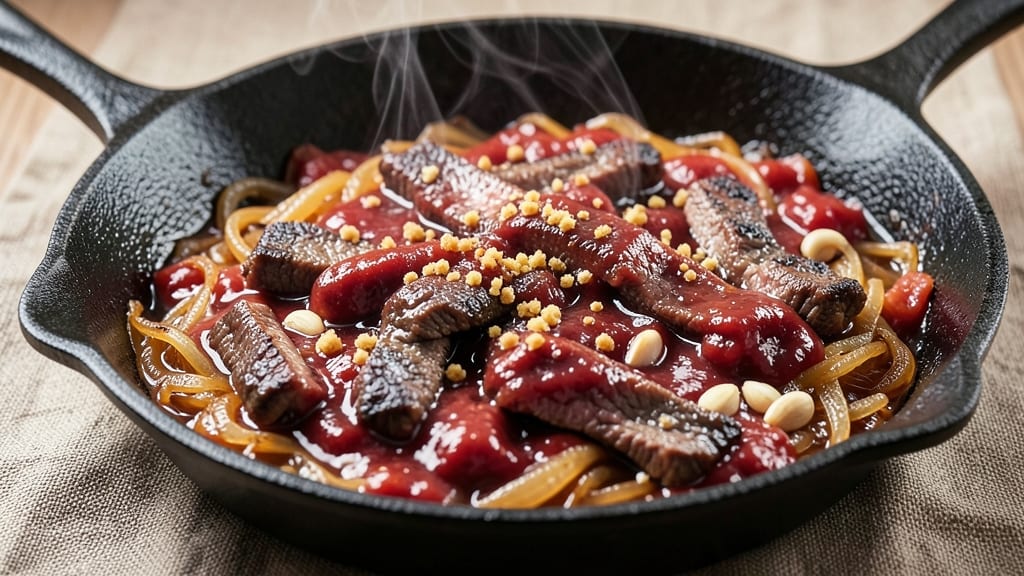
This goulash sauce recipe delivers the rich, smoky depth that makes hearty dishes unforgettable—perfect for transforming simple meals into restaurant-quality experiences. The secret lies in slow-simmered tomatoes, deep paprika, and a blend of aromatic spices that develop complex flavors over time.
I’ve refined this version to balance sweetness and heat, ensuring it works equally well with beef, chicken, or even vegetables.
The foundation of great goulash sauce begins with caramelizing onions and garlic until they’re golden and fragrant, then building layers of flavor with sweet and hot paprika. A splash of tomato paste deepens the color and richness, while a touch of vinegar brightens the sauce without overpowering its natural depth.
The result is a versatile, storable sauce that keeps for weeks in the refrigerator.
What you’ll end up with is a velvety, aromatic sauce with just the right balance of smokiness and sweetness—ideal for slathering over pasta, stirring into stews, or serving alongside roasted meats.
The slow simmer allows the spices to meld seamlessly, creating a sauce that’s both comforting and complex. This isn’t just a sauce; it’s the flavor backbone of your favorite dishes.
Best of all, this recipe scales effortlessly—double or halve the batch to suit your needs. Whether you’re prepping for a week of meals or cooking for a crowd, the technique remains the same. Let’s get started on creating a sauce that will elevate every dish it touches.
Ingredients for goulash sauce
Ten simple ingredients transform into a smoky, velvety sauce that makes everything heartier.
| Ingredient | Amount | Notes |
|---|---|---|
| Yellow Onions 🧅 | 2 whole | Thinly sliced, caramelized |
| Garlic Cloves 🧄 | 4 cloves | Minced, aromatic foundation |
| Sweet Paprika 🌶️ | 2 tbsp | Smoked variety for depth |
| Hot Paprika 🌶️ | 1 tbsp | Balances sweetness with heat |
| Tomato Paste 🍅 | 2 tbsp | Squeeze tube preferred |
| Canned Crushed Tomatoes 🍅 | 1 can | San Marzano preferred |
| Red Wine Vinegar 🍷 | 1 tbsp | Brightens acidity |
| Beef Broth 💧 | 1 cup | Homemade or quality store-bought |
| Ground Black Pepper 🌶️ | ½ tsp | Freshly cracked |
| Bay Leaves 🌿 | 2 whole | Removed before serving |
The onions and garlic are your flavor anchors—caramelize them until deep golden brown for that sweet, jammy base. Yellow onions work best, but red or white will do in a pinch. For the paprika, Penzeys or McCormick are solid choices, but the bulk bins at Whole Foods or Trader Joe's usually have fresher stock. Smoked paprika adds that signature goulash depth, but if you only have sweet, double the amount and add a pinch of cayenne. The tomato paste? Squeeze tubes are a game-changer—they’re mess-free and last forever. Skip the jarred stuff; it’s often stale. San Marzano crushed tomatoes are worth the splurge for their rich, sweet flavor, but any good-quality canned tomatoes will work.
No red wine vinegar? White wine vinegar or apple cider vinegar are fine swaps, though red adds a subtle fruitiness. Short on beef broth? Chicken broth with a splash of soy sauce mimics the umami. The bay leaves are non-negotiable—they infuse that earthy aroma, but remove them before serving (or you’ll end up chewing on them). Want to make this vegetarian? Swap the beef broth for mushroom broth and add a pinch of liquid smoke. The crushed tomatoes can be fresh if you’re feeling ambitious—just strain the juices to avoid chunks. And if you’re prepping ahead, the sauce actually tastes better the next day as the flavors meld.
This sauce keeps beautifully—3-4 weeks in the fridge sealed tight, or 6 months frozen. I like to portion it into small jars for easy use. If it thickens too much, just stir in a splash of water or broth. The flavors only get better with time, so don’t hesitate to make a big batch. Freeze extras in ice cube trays for single-serving portions—perfect for quick pasta sauces or stews. And if you’ve got leftovers, it reheats like a dream—just warm it gently on the stove with a splash of broth to loosen it up.
Why You'll Love This Recipe
- One-Pot Magic: I swear by this sauce because it’s all in one pot—no chopping mountains of veggies, no extra bowls to wash. Just onions, garlic, and a splash of tomato paste simmering into something rich while I stir and chat with whoever’s around.
- Paprika Powerhouse: That mix of sweet and hot paprika? It’s the secret weapon. The sweet one mellows out the heat just enough to feel cozy, while the hot keeps it lively—like a warm hug with a little kick. Honestly, I’ve tried store-bought goulash mixes, and this beats them every time.
- Leftovers That Save Me: Make a big batch, and you’ve got dinner for three nights. Freeze half for when you’re too tired to cook, or toss it into pasta, eggs, or even grilled cheese. It’s my go-to when I need to feed a crowd without stressing.
- Budget-Friendly Staple: Onions, garlic, and tomato paste? Those are pantry basics that don’t break the bank. A little paprika (even the cheap stuff) transforms them into something restaurant-worthy. I’ll be real—this sauce is how I stretch meals when groceries feel tight.
Step-by-step instructions for goulash sauce
This rich, smoky sauce comes together with simple steps and bold flavors.
Caramelize the Yellow Onions
Heat a large, heavy-bottomed pot over medium-low heat and add the 2 whole yellow onions, sliced thinly. Cook them undisturbed for 10-12 minutes until they turn a deep golden brown and begin to soften. This slow caramelization builds sweetness that balances the paprika's heat.
Stir occasionally, but not too often—you want those onions to develop that rich color and deep flavor. If they start to brown too quickly, reduce the heat slightly. The onions should be soft enough to pierce with a fork but still hold their shape slightly. This step is where the sauce gets its foundation, so don't rush it.
Add Garlic and Spices
Once the onions are beautifully caramelized, push them to one side of the pot and add the 4 cloves minced garlic cloves to the empty space. Cook for 30 seconds until fragrant—you'll know it's ready when the kitchen fills with that wonderful garlic aroma. Be careful not to let it burn, as garlic turns bitter quickly.
Add the 2 tablespoons sweet paprika and 1 tablespoon hot paprika, stirring constantly for 1 minute to toast the spices. This step develops their flavors and prevents the sauce from tasting raw. The spices will sizzle slightly and fill the kitchen with an earthy aroma. Don't skip this step—it's what gives goulash its signature depth.
Build the Sauce Base
Stir the caramelized onions and garlic back into the pot, then add the 2 tablespoons tomato paste and cook for 2 minutes to cook off the raw taste. Pour in the 1 can crushed tomatoes and 1 tablespoon red wine vinegar, stirring well to combine. The vinegar brightens the flavors and cuts through the richness of the paprika.
Add the 1 cup beef broth and bring the mixture to a gentle simmer. The sauce should bubble softly—if it boils vigorously, reduce the heat slightly. Let it simmer uncovered for 15-20 minutes until it thickens and reduces slightly. This step allows all the flavors to meld together beautifully.
Season and Simmer
Add the 0.5 teaspoon ground black pepper and 2 whole bay leaves, stirring to incorporate. Let the sauce simmer uncovered for another 10-15 minutes until it reaches your desired consistency. The sauce should coat the back of a spoon but still be loose enough to spoon easily.
Taste and adjust the seasoning if needed—you might want to add a pinch more salt or a splash of vinegar to balance the flavors. The bay leaves will infuse their aromatic flavor, but remember to remove them before serving. This final simmering step ensures all the flavors are perfectly balanced and harmonious.
Pro Tips For Making Goulash Sauce
- Sweat, Don’t Burn Onions: I learned this the hard way—low and slow is non-negotiable. Cook your yellow onions over medium heat for 8-10 minutes until translucent, not golden. If they brown too fast, you’ll taste bitter ash in your sauce, and no amount of paprika can fix that.
- Toast Paprika Like Coffee: Dry-toast your sweet and hot paprika in a separate pan for 30 seconds—just until you smell that nutty aroma. This deepens the flavor without overpowering the sauce. (Yes, even if you’re impatient like me.)
- Bloom Tomato Paste First: Stir in your tomato paste before adding liquids and let it cook for 2 minutes until it darkens slightly. This step locks in that concentrated, umami-rich flavor instead of letting it dissolve into a bland base.
- Use Garlic Cloves Whole: Toss unpeeled garlic cloves into the pot with the onions—they’ll soften and release flavor without burning. Peel them after cooking, then mash them into the sauce. (Your future self will thank you for skipping the chopping.)
Flavor customization for this dish
Sweet vs. Smoky
Balance the paprika ratio to suit your taste. For a sweeter profile, increase sweet paprika to 3 tbsp and reduce hot paprika to ½ tbsp. For deeper smokiness, swap 1 tbsp of sweet paprika for 1 tbsp smoked paprika—it adds a charred, almost bacon-like depth.
I often toast the smoked paprika in a dry pan for 30 seconds before adding it to intensify its flavor. 🌶️
Acid Brightness
The red wine vinegar is key for cutting through richness, but you can experiment with other acids. Swap it for 1 tbsp lemon juice for a brighter, citrusy note or 1 tbsp apple cider vinegar for a fruity tang.
If your tomatoes are already very acidic (like Roma), reduce the vinegar to ½ tbsp to avoid overpowering the sauce. Taste as you go—this is where the magic happens.
Umami Boosters
Elevate the sauce with 1 tbsp soy sauce or 1 tsp Worcestershire sauce for deeper umami. For a vegetarian version, add 1 tsp miso paste or ½ tsp nutritional yeast. I also love stirring in 1 tbsp tomato paste extra if I want a thicker, more concentrated flavor.
A splash of beef broth (even in veggie versions) adds richness that’s hard to replicate.
Herb Variations
Fresh herbs add brightness and complexity. Try 1 tsp dried marjoram or ½ tsp dried thyme for a classic Hungarian touch. For a modern twist, add 1 tbsp fresh parsley or basil at the end—just stir it in for 30 seconds before removing to preserve its freshness.
A pinch of dried oregano also works beautifully, especially if you’re serving the sauce with grilled meats.
Spice Level Control
Adjust heat to your preference. For mild heat, reduce hot paprika to ½ tbsp and add ¼ tsp cayenne for a subtle kick. For fiery intensity, increase hot paprika to 2 tbsp and add ½ tsp crushed red pepper flakes.
If you’re sensitive to heat, balance it with an extra ½ tbsp sugar or 1 tbsp honey to mellow the burn. Always taste before serving!
Texture Adjustments
Need a thicker sauce? Simmer uncovered for an extra 10-15 minutes to reduce it naturally. For a smoother texture, blend it briefly with an immersion blender—just 10-15 seconds is enough to soften any chunks. If it’s too thick after blending, thin it with 1-2 tbsp water or broth.
For a rustic texture, leave it chunky and stir in 2 tbsp chopped kalamata olives or sun-dried tomatoes for extra depth. 💫
Nutrition facts
Frequently asked questions
Can I make this goulash sauce without tomatoes?
The tomatoes are essential for the sauce's signature sweet-tart balance, but you can substitute with 1 cup tomato juice plus 2 tbsp tomato paste for a lighter version. For a tomato-free option, try 1 cup mushroom broth with 1 tbsp soy sauce to maintain umami depth. The sauce will be thinner, so reduce it longer to thicken.
How do I store leftover goulash sauce?
Store in an airtight container in the fridge for up to 3-4 weeks or freeze for 6 months. For freezing, portion into small jars or ice cube trays for easy use. Thaw overnight in the fridge and stir in 1 tbsp broth if it thickens too much. The flavors actually improve after 24 hours of resting!
Why does my goulash sauce taste bitter?
Bitter flavors usually come from overcooked onions or burnt garlic. Always caramelize onions on medium-low heat and cook garlic just until fragrant (30 seconds). If it's too late, balance the bitterness with ½ tbsp sugar or 1 tbsp lemon juice. Also check your paprika—old spices can develop bitterness.
Can I use this sauce for vegetarian dishes?
Swap beef broth for mushroom or vegetable broth and add 1 tsp miso paste or ½ tsp nutritional yeast for umami. The sauce works perfectly with lentils, chickpeas, or roasted vegetables. For extra richness, stir in 1 tbsp tahini at the end.
How can I make the sauce thicker?
Simmer uncovered for an extra 10-15 minutes to reduce naturally. For instant thickening, mix 1 tbsp cornstarch with 2 tbsp cold water, stir into the sauce, and simmer 2 minutes until it reaches your desired consistency. Avoid over-thickening—it should still be spoonable, not paste-like.