
Sauces & Condiments
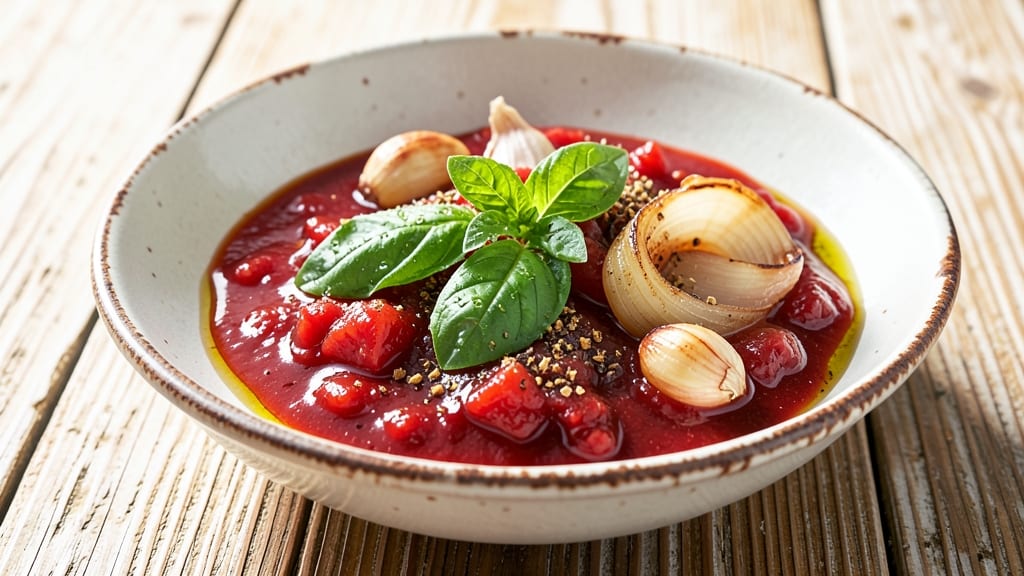
Grandma's old-fashioned tomato sauce recipe brings the warmth of a Sunday dinner simmering on the stove—no fancy ingredients, just pantry staples and time. This is the kind of sauce that transforms simple meals into something special, with deep, rustic flavors that develop slowly over an hour on the heat. I first learned it from my grandmother, who swore by the magic of letting tomatoes break down naturally without any shortcuts.
The beauty of this sauce lies in its simplicity: canned tomatoes, onions, garlic, and herbs simmered until thick and rich. There’s no need for added sugars or processed ingredients—just the natural sweetness of tomatoes caramelizing as they cook.
The key is patience; letting it reduce low and slow creates that velvety texture and concentrated flavor that store-bought sauces can’t match. It’s the kind of recipe that tastes even better the next day, as the flavors meld together.
What you’ll end up with is a versatile sauce that works on pasta, pizza, or as a dip for bread—thick enough to coat but still smooth enough to stir into soups. The aroma alone will have everyone asking what’s for dinner, and the taste?
Pure comfort food nostalgia. This isn’t just a sauce; it’s a taste of home in every spoonful. Let’s get started on making yours.
Once you try this, you’ll never go back to bottled versions. The slow simmering process builds layers of flavor that no quick recipe can replicate, and the simplicity makes it perfect for any weeknight.
Store it in the fridge for up to a week or freeze for later—because once you make it, you’ll want to make it again and again.
Ingredients for grandma's old fashioned tomato sauce
Pantry staples and time create this nostalgic sauce—no shortcuts, just pure flavor.
| Ingredient | Amount | Notes |
|---|---|---|
| San Marzano Whole Tomatoes 🍅 | 28 oz | Canned, crushed by hand |
| Yellow Onion 🧅 | 1 whole | Medium size, chopped fine |
| Garlic Cloves 🧄 | 4 cloves | Fresh, minced for depth |
| Extra-Virgin Olive Oil 🫒 | ¼ cup | High quality, fruity |
| Fresh Basil Leaves 🌿 | ½ cup | Packed, stems removed |
| Dried Oregano 🍃 | 1 tsp | Or 1 tbsp fresh oregano |
| Sea Salt 🧂 | 1 ½ tsp | Adjust to taste |
| Black Pepper 🌶️ | ½ tsp | Freshly ground preferred |
| Granulated Sugar 🍬 | 1 tbsp | Enhances natural sweetness |
| Red Wine Vinegar 🍷 | 1 tbsp | Brightens acidity balance |
San Marzano tomatoes are the gold standard here—look for the 28 oz cans with the little crown logo. They're sweeter and less watery than regular canned tomatoes, which makes all the difference. Trader Joe's and Whole Foods usually carry them, but any Italian market will have them too. Fresh basil is ideal, but if you're using dried, Penzeys or the bulk bins at natural food stores have the best quality. The garlic should be fresh—no pre-minced jars here. And for the olive oil, don't skimp: a fruity, peppery oil (like California Olive Ranch) adds real depth to the sauce. I always grab extra basil—half goes in the pot, half gets torn over the top at the end for that fresh finish.
No San Marzano tomatoes? Crush regular canned tomatoes by hand—it releases more juice and makes the sauce richer. Short on fresh basil? Dried oregano at half the amount works in a pinch, but fresh is always better. The red wine vinegar can be swapped for lemon juice if you don't have it, though wine vinegar gives that classic tang. Want to skip the sugar? Let the tomatoes caramelize longer—they'll develop sweetness naturally. And if you're worried about the sauce being too acidic, add a pinch of sugar or a splash more vinegar as you taste. The key is balancing those flavors as you go.
This sauce tastes even better the next day—let it sit overnight if you can. Keeps in the fridge for 5-7 days in an airtight container, or freeze for up to 6 months. I like to portion it into ice cube trays for easy use later—just pop out what you need and reheat. The texture will thicken as it cools, so add a splash of water or broth if it seems too stiff when reheating. And trust me, once you make this, you'll be making it all the time—it's that good.
Why You'll Love This Recipe
- No-Fuss Simplicity: I swear by this—just crush tomatoes by hand, toss in chopped onion and garlic, then let it simmer. No blenders, no fancy gadgets, just the kind of cooking that makes me feel like I’ve earned my dinner.
- Sweet-Savory Magic: That first spoonful of San Marzano tomatoes caramelizing with olive oil? It’s like summer in a jar. The onions melt into sweetness while the garlic whispers, and the basil finishes it with a bright, fresh punch—no heavy cream or sugar needed.
- Weeknight to Sunday Table: Between us, this sauce works for spaghetti and bruschetta. I’ll make a big batch on Sunday, freeze half, and still have enough for quick weeknight pasta or a fancy charcuterie board. (Yes, even on a Tuesday night.)
- Budget-Friendly Staple: A whole can of San Marzano tomatoes costs less than takeout—and stretches to feed four for under $5. The olive oil and basil feel indulgent, but the onion and garlic? Pantry basics. That’s how you eat well without breaking the bank.
Step-by-step instructions for Grandma's old fashioned tomato sauce
Here's how to transform simple pantry staples into rich, velvety tomato sauce that tastes like home.
Prepare the Base Ingredients
Start by crushing the 28 oz San Marzano whole tomatoes by hand using your fingers or the bottom of a glass jar. You want them broken into large chunks—not pureed—so they release their flavor gradually during cooking. In a large, heavy-bottomed pot, heat the 0.25 cup extra-virgin olive oil over medium heat until shimmering but not smoking.
Add the 1 whole yellow onion, chopped fine, and cook for 5-6 minutes until softened and translucent. Stir occasionally to prevent browning. Here's the thing—don't rush this step. The onions should become tender and slightly sweet before moving forward. Add the 4 cloves minced garlic and cook for another 30 seconds until fragrant. You'll know it's ready when the kitchen fills with that irresistible garlic aroma.
Build the Flavor Foundation
Pour in the crushed tomatoes, stirring to combine with the onions and garlic. Add the 1 tbsp granulated sugar, 1 tbsp red wine vinegar, 1 tsp dried oregano, 1.5 tsp sea salt, and 0.5 tsp black pepper. The sugar balances the acidity of the tomatoes and vinegar, while the oregano adds that classic Italian depth. Bring the mixture to a gentle boil, then reduce heat to low and let it simmer uncovered for 30 minutes.
During this time, you'll notice the sauce thicken slightly as the tomatoes break down. Stir occasionally, scraping the bottom of the pot with a wooden spoon to release any browned bits—they're packed with flavor. If the sauce starts to stick, add 2-3 tablespoons of water to help it along. This simmering step develops the sauce's rich, complex flavor that separates homemade from store-bought.
Finish with Fresh Herbs
After 30 minutes, stir in the 0.5 cup fresh basil leaves (stems removed). The basil adds a bright, fresh finish that cuts through the richness of the tomatoes. Taste the sauce and adjust the seasoning if needed—you might want to add a pinch more salt or a splash more vinegar for balance. Let the sauce simmer uncovered for another 15-20 minutes until it reaches your desired consistency. It should coat the back of a spoon but still be smooth and velvety.
Here's where it gets fun—Grandma's trick. If you want an extra-rich sauce, remove the pot from heat and let it sit for 5 minutes. Then, using an immersion blender, blend it until smooth. This creates a silky texture while keeping all the flavor intact. If you prefer a rustic texture, simply stir and leave it chunky. Either way, the sauce should be thick enough to coat pasta beautifully without being gluey.
Rest and Serve
Remove the sauce from heat and let it rest for 10 minutes before serving. This resting period allows the flavors to meld together and the sauce to thicken slightly as it cools. The sauce should be rich, slightly sweet, and deeply aromatic with layers of tomato, garlic, and basil. It's perfect for tossing with fresh pasta or spooning over grilled meats.
To serve, gently reheat the sauce if needed, and toss with cooked pasta or use as a topping for bruschetta. The sauce keeps well in the refrigerator for up to 5 days or can be frozen for 3 months. The longer it sits, the more the flavors develop—just like Grandma used to say, "Good things are worth the wait."
Pro Tips For Making Grandma'S Old Fashioned Tomato Sauce
- SIMMER LOW AND SLOW: I learned this the hard way—rushing the sauce on high heat turns it into mush. Once the tomatoes are broken down, drop the heat to a bare simmer (just tiny bubbles breaking the surface) and let it cook for at least 45 minutes. The longer it cooks, the deeper the flavor, and you’ll end up with a sauce that’s rich, not watery.
- CHAR THE ONIONS FIRST: Skip the gentle sautéing—char those onions until they’re dark golden and slightly crispy at the edges. This adds a smoky depth that soft onions can’t match. Use a heavy pan (or even a cast iron) and let them sit undisturbed for 3-4 minutes at a time, stirring only when they start to stick.
- PEEL THE TOMATOES: Yes, even San Marzano tomatoes need this step. Slit the whole tomatoes, drop them in boiling water for 30 seconds, then ice bath them to stop the cooking. The skins will peel right off, leaving you with cleaner, brighter sauce. I know it’s extra work, but it makes a real difference—no gritty texture or weird aftertaste.
- SALT IN LAYERS: Don’t wait until the end to season. Add a pinch of salt when you char the onions, another when you add the garlic, and a generous amount when the tomatoes are broken down. This builds flavor gradually, and you’ll need less total salt. (Pro move: Taste halfway through and adjust—your sauce might need more than you think.)
Dietary considerations for grandma's old fashioned tomato sauce
Gluten-Free Adaptation
This sauce is naturally gluten-free since it relies on simple pantry staples without any wheat-based ingredients. The key is ensuring your canned tomatoes, spices, and vinegar are certified gluten-free. I always double-check labels on San Marzano tomatoes and dried oregano—some brands may process in shared facilities.
For extra safety, use a dedicated gluten-free pantry for measuring spices. The texture remains perfectly thick and rich, just like Grandma made it! 🌱
Low-Sugar Option
If you're watching sugar intake, skip the 1 tbsp granulated sugar entirely and let the tomatoes caramelize naturally during the 45-minute simmer. The longer you cook it, the sweeter it becomes—just taste as you go and add a pinch of sugar only if needed.
I’ve found that using ripe, vine-ripened tomatoes (even canned) adds natural sweetness without extra sugar. For a subtle sweetness boost, add ½ tsp cinnamon during the final 15 minutes of cooking.
Vegan-Friendly
This sauce is already vegan, but a few tweaks ensure maximum flavor without dairy. Use extra-virgin olive oil instead of butter, and stir in 1 tbsp nutritional yeast at the end for a cheesy depth—it’s a game-changer for pasta dishes.
For extra richness, blend in 2 tbsp cashew cream (soaked cashews blended with water) after simmering. The sauce stays luscious and pairs perfectly with vegan cheese or plant-based proteins.
Allergen Considerations
For those with allergies, this sauce is mostly safe, but always verify ingredients. The primary allergens to watch are garlic (if sensitive) and basil (rare but possible). If avoiding garlic, substitute with 1 tsp garlic powder or asafetida (a common Indian spice that mimics garlic’s depth).
For basil allergies, swap in fresh parsley or oregano for a similar herbaceous note. Store-bought canned tomatoes sometimes contain BPA-lined cans—opt for glass jars or BPA-free brands like Muir Glen.
Nut-Free & Seed-Free
This recipe is inherently nut-free and seed-free, making it safe for those with nut allergies or seed sensitivities. The only potential cross-contamination risk comes from shared kitchen tools, so clean your blender or immersion blender thoroughly if it’s used for nut-based recipes.
For added safety, I recommend using a dedicated wooden spoon for stirring—it’s less likely to harbor residues than metal utensils. The sauce’s creamy texture comes from the tomatoes and herbs, not nuts or seeds, so it’s naturally compliant!
Nutrition facts
Frequently asked questions
Can I use regular canned tomatoes instead of San Marzano?
Yes, but the texture and flavor will differ slightly. Regular canned tomatoes work in a pinch—just crush them by hand for better flavor development. San Marzano tomatoes are prized for their sweetness and low acidity, which creates a richer, smoother sauce. If using regular tomatoes, you might need to add an extra ½ tsp sugar and ½ tsp vinegar to balance the flavors.
How do I make this sauce thicker without adding flour?
Simmer the sauce uncovered for an extra 10-15 minutes to let the moisture evaporate naturally. For a smoother texture, blend it with an immersion blender after simmering. If it's still too thin, stir in 1 tbsp tomato paste or reduce it uncovered on low heat until it reaches your desired consistency. Patience is key—rushing will make it gluey!
Can I make this sauce in a slow cooker?
Combine all ingredients in your slow cooker and cook on low for 4-5 hours or high for 2-3 hours. Stir occasionally and add water if it gets too thick. The slow cooking enhances the flavors even more. Just remember to stir in the fresh basil at the end, as it won't survive the long cook time.
Why does my sauce taste too acidic?
The red wine vinegar or tomatoes might be overpowering. Balance it by adding ½ tsp sugar or a pinch more salt to round out the flavors. If it's still too sharp, stir in 1 tbsp tomato paste or a splash of water to dilute the acidity. Taste as you go—this sauce is all about adjusting to your preference!
How can I make this sauce spicier?
Add ½ tsp red pepper flakes or 1 chopped fresh chili pepper (like jalapeño) with the onions. For heat without texture, stir in ½ tsp cayenne pepper during the final 10 minutes of simmering. If you love bold flavors, try adding 1 tsp smoked paprika for depth. Just remember—start small and adjust to taste!