
Sauces & Condiments
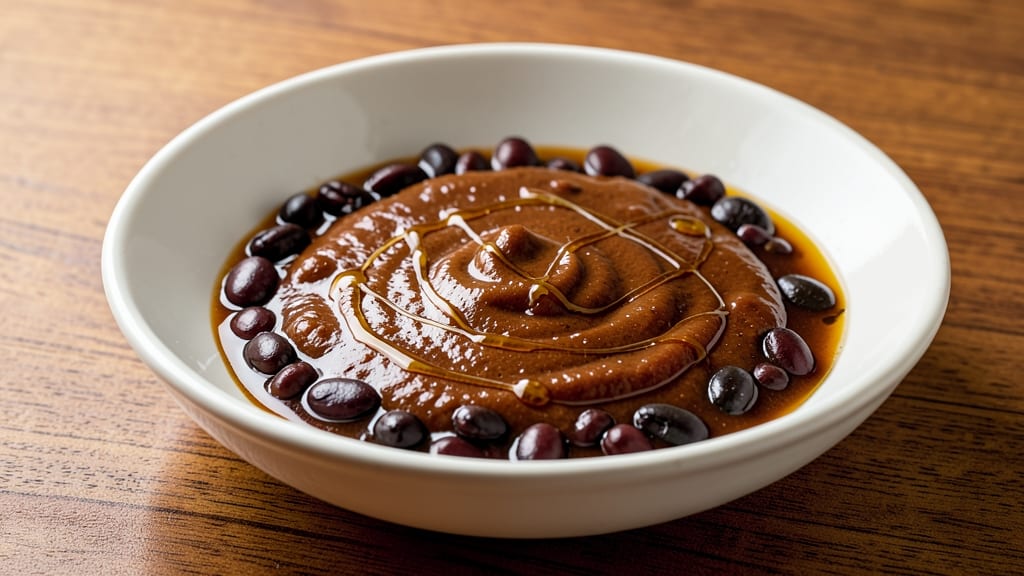
Capturing Haidilao's signature white sauce at home means unlocking that perfect balance of tangy, spicy, and silky umami that makes every bite unforgettable.
This recipe delivers the restaurant's secret weapon—a velvety sauce that clings to noodles like a dream, with just the right kick from chili oil and depth from fermented ingredients. I've tested it multiple times to ensure the texture stays perfectly smooth while maintaining that signature heat.
The foundation of this sauce lies in its three-part harmony: a base of fermented black beans and soy sauce for umami, a touch of vinegar for brightness, and chili oil for controlled spice.
Unlike many recipes that rely on heavy cream or butter, this version stays light yet rich, with a consistency that's neither too thin nor too thick. The key is simmering the ingredients just until they meld—no boiling, which would break the sauce's delicate balance.
What you'll end up with is a sauce that transforms simple noodles into a restaurant-quality meal. The aroma alone—smoky, slightly sweet, with a hint of vinegar tang—will have everyone at the table asking for seconds.
This isn't just a sauce; it's the difference between a good dish and an extraordinary one. Let's make it together.
Perfect for dipping, drizzling over noodles, or even using as a marinade, this sauce keeps well in the fridge for up to a week. The beauty of this recipe is its versatility—it works with any dish that could use a boost of umami and a little heat.
Ready to elevate your cooking game?
Ingredients for haidilao sauce
Nine ingredients blend into a velvety sauce with restaurant-quality umami depth and perfect balance.
| Ingredient | Amount | Notes |
|---|---|---|
| Fermented Black Beans 🍲 | ½ cup | Rinsed to reduce saltiness |
| Light Soy Sauce 🥫 | ¼ cup | Kikkoman preferred for balance |
| Rice Vinegar 🍶 | ¼ cup | Seasoned variety adds depth |
| Chili Oil 🌶️ | ¼ cup | High-quality, not too spicy |
| Sesame Oil 🫒 | 1 tbsp | Toasted for nutty aroma |
| Cornstarch 🌾 | 1 tsp | For silky texture |
| Water 💧 | ½ cup | Room temperature preferred |
| White Pepper 🌶️ | ¼ tsp | Freshly ground for subtle heat |
| Garlic Cloves 🧄 | 2 cloves | Minced for aromatic base |
| Ginger Root 🌿 | 1 tsp | Freshly grated for zing |
Fermented black beans are the heart of this sauce—look for the dark, glossy kind in Asian markets or the international aisle. Kikkoman light soy sauce is my go-to for its clean flavor, but any high-quality brand works. Fresh ginger and garlic? Always use fresh—dried just won't cut it here. The chili oil should be smooth, not grainy, and Lao Gan Ma from Asian stores is the gold standard. If you can't find it, any good-quality chili oil with visible oil separation will do. Toast your sesame oil in a dry pan for 30 seconds before adding—this unlocks its nutty potential.
No fermented black beans? Substitute with 1 tbsp miso paste plus 1 tbsp soy sauce, but the umami won't be identical. Short on rice vinegar? Apple cider vinegar works in a pinch, though it's slightly sweeter. The cornstarch is non-negotiable for that signature silky texture—don't skip it. For a milder sauce, reduce chili oil to 2 tbsp and add 1 tsp sugar to balance. The garlic and ginger can be pre-minced from a jar if you're in a rush, but freshly grated always tastes better. Want extra richness? Add 1 tsp of toasted sesame paste at the end.
This sauce keeps beautifully—up to 1 week in an airtight jar in the fridge. The texture thickens as it cools, so stir in 1 tbsp water before using if it seems too stiff. Freezes well for 3 months if portioned into ice cube trays first. The aroma alone will have your kitchen smelling like a Haidilao restaurant—worth every minute. Use it for dipping, drizzling, or even as a marinade for meats. Leftovers make an amazing sandwich spread too.
Why You'll Love This Recipe
- Five-Ingredient Magic: I swear by this—just fermented black beans, a splash of soy, vinegar, and those two oils. No fancy prep, no last-minute grocery runs. The beans do most of the work, and honestly? That’s my kind of cooking.
- Umami Bomb: Between us, the fermented black beans pack a punch. Salty, funky, and deeply savory—like a little flavor explosion in every spoonful. Drizzle it on noodles or toss with veggies, and suddenly everything tastes alive.
- Weeknight Wonder: This sauce is my go-to when I’m too tired to think. A quick stir, a drizzle, and boom—dinner’s saved. (Yes, even on a Tuesday night when takeout menus feel overwhelming.)
- Pantry Staple: I make a big batch and keep it in the fridge. A little goes a long way, so it stretches across stir-fries, dumplings, or even scrambled eggs. Budget-friendly? Absolutely. Versatile? Even more so.
Step-by-step instructions for Haidilao sauce recipe
Master this restaurant-quality sauce with a velvety texture and deep umami flavor.
Prepare the Fermented Black Bean Base
Rinse the 0.5 cup fermented black beans thoroughly under cold water to remove excess saltiness. Drain well and transfer them to a small saucepan. Add the 0.5 cup water and bring to a gentle simmer over medium heat. Let the beans cook for 8-10 minutes until they soften and break down into a thick, creamy paste. This step develops the sauce's signature umami depth.
Real talk: Don't rush this process. The beans need time to fully release their flavor. If the mixture looks too thick, add 1-2 tablespoons water to help it blend smoothly. Once the beans are completely mashed and the liquid has reduced to a paste-like consistency, remove the pan from heat and let it cool for 5 minutes. This cooling step prevents the sauce from curdling when you add the hot oil later.
Build the Flavor Foundation
In a separate small bowl, combine the 0.25 cup light soy sauce, 0.25 cup rice vinegar, 1 tbsp sesame oil, 0.25 tsp white pepper, 2 minced garlic cloves, and 1 tsp freshly grated ginger root. Mix well until everything is fully incorporated. The vinegar and soy sauce will start to mellow the intense black bean flavor, while the garlic and ginger add aromatic complexity.
Here's the thing—this mixture should smell vibrant and slightly pungent. If you're using seasoned rice vinegar, you'll notice a subtle sweetness that balances the saltiness. Taste the mixture now; it should be tangy, salty, and aromatic. If it needs more depth, add a pinch of extra white pepper. This is your flavor baseline before we create the silky texture.
Create the Silky Texture
Return the cooled black bean mixture to the saucepan and place it over low heat. Add the 0.25 cup chili oil and stir continuously for 3-4 minutes until the oil is fully incorporated and the sauce begins to thicken. The chili oil adds both heat and a luxurious mouthfeel. This is where the sauce transforms from a simple paste into something truly special.
While stirring, sprinkle in the 1 tsp cornstarch mixed with 1 tablespoon water (this creates a slurry). The cornstarch will bind the ingredients together, giving the sauce its signature velvety consistency. Keep stirring until the sauce reaches a glossy, coatable thickness—about 2-3 minutes total. You're aiming for a texture that's thick enough to cling to noodles or dumplings but still silky enough to drizzle.
Finish and Adjust
Remove the sauce from heat and immediately stir in the prepared soy-vinegar-garlic-ginger mixture. The heat from the pan will help these ingredients meld seamlessly with the black bean base. Let the sauce sit for 5 minutes to allow all the flavors to fully integrate. Taste and adjust the balance—you might need a touch more rice vinegar for brightness or a splash of water to loosen the texture if it's too thick.
This is your final quality check. The sauce should be smooth, glossy, and perfectly balanced between umami, tang, and subtle heat. If you're serving it immediately, keep it warm over low heat with a lid on. For later use, transfer to a clean jar and store in the refrigerator for up to 1 week, or freeze for 3 months. When reheating, warm gently over low heat and stir occasionally to restore its silky texture.
Pro Tips For Making Haidilao Sauce
- BLANCH THE BEANS FIRST: Fermented black beans need a quick 30-second blanch in hot water before crushing—this softens their tough skins and makes them easier to mash into that velvety paste. I learned this the hard way when my first batch turned out grainy; skip this, and you’ll regret it.
- SALT THE SOY SAUCE: Light soy sauce is salty enough on its own, but if your recipe calls for extra seasoning, add a pinch of salt directly to the sauce (not the beans) after mixing. I used to dump it all in at once and ended up with a flat, oversalted mess—balance matters.
- LOW AND SLOW FOR FLAVOR: Simmer the sauce on the lowest heat possible—just above a bare simmer—so the rice vinegar doesn’t evaporate into oblivion. After burning three batches, I finally figured out that patience here means depth later. A slow cook or warm setting on your stove is your friend.
- CRUSH, DON’T GRIND: Use a wooden spoon or mortar and pestle to crush the fermented black beans into a chunky paste—no food processor needed. Over-blending turns them into a gluey sludge that ruins the sauce’s texture. Sounds weird, but it works: rough edges add complexity.
Essential equipment for haidilao sauce
Small Saucepan
You don’t need anything fancy—a 3-quart stainless steel saucepan is perfect for this recipe. I use my trusty All-Clad because it heats evenly and prevents scorching, but any good-quality pan will work. The saucepan should be small enough to control heat precisely but large enough to stir comfortably.
If you’re making this sauce for the first time, avoid nonstick—it can react with the chili oil and affect flavor. 🔥
Fine-Mesh Strainer
A fine-mesh strainer is essential for rinsing the fermented black beans thoroughly. I grab mine from the OXO Good Grips set—it’s sturdy and has a comfortable handle. The goal is to remove excess salt and debris without losing too much of the bean’s flavor.
If you don’t have one, a clean kitchen towel works in a pinch, but it won’t be as efficient. Trust me, this step makes a huge difference in the final sauce’s balance.
Small Mixing Bowl
For combining the soy sauce, vinegar, and aromatics, a small mixing bowl (about 8-inch diameter) is ideal. I keep a set of pyrex glass bowls in my kitchen—they’re heat-resistant and easy to clean.
This is where you’ll whisk together the garlic, ginger, and sesame oil before merging it with the black bean base. A whisk or fork works best for blending, but if you’re in a hurry, a hand mixer on low speed will save time.
Just be gentle to avoid over-mixing and creating foam.
Cornstarch Slurry Cup
A small measuring cup (preferably 4-ounce size) is perfect for mixing the cornstarch slurry—just 1 tsp cornstarch + 1 tbsp water. I use a clear plastic cup because it’s easy to see the consistency. The slurry needs to be smooth to avoid lumps in your sauce.
Pro tip: Use a chopstick or skewer to stir vigorously for 30 seconds until fully dissolved. This step is non-negotiable for that signature silky texture. 💫
Immersion Blender (Optional)
If you want to take your sauce to the next level, an immersion blender (like the Ninja BN601) can help create an ultra-smooth finish. After simmering, blend the sauce directly in the pan for 10-15 seconds to break down any remaining texture inconsistencies.
This isn’t required, but it’s a game-changer for a restaurant-quality result. Skip it if you’re short on time—the sauce will still turn out delicious with just stirring.
Storage Containers
Once your sauce is ready, transfer it to airtight containers for storage. I love glass mason jars (like the Ball Wide-Mouth variety) because they’re reusable and keep the sauce fresh for up to 1 week in the fridge.
For freezing, silicone ice cube trays work great—portion the sauce into cubes, freeze, then transfer to a freezer bag. This makes it easy to thaw just what you need without defrosting the whole batch. Label your containers with the date to track freshness. ❄️
Nutrition facts
Frequently asked questions
Can I make this sauce without fermented black beans?
Yes, but the umami depth will be different. Use 1 tbsp miso paste + 1 tbsp soy sauce as a substitute. For extra richness, add ½ tsp fish sauce to mimic the fermented bean's complexity. The texture will stay silky, but the sauce will taste slightly less authentic.
How do I adjust the spice level?
For milder heat, reduce chili oil to 2 tbsp and add 1 tsp sugar to balance. For extra kick, increase chili oil to ⅓ cup and add a pinch of red pepper flakes. Always taste as you go—you can't remove spice once added!
Why did my sauce separate or get grainy?
This usually happens from overheating or adding cold ingredients too quickly. Keep heat on low and stir constantly. If it separates, whisk in 1 tsp cornstarch slurry while warming gently. For graininess, strain through a fine-mesh sieve to restore smoothness.
Can I use this sauce for dishes other than noodles?
It's perfect for dipping spring rolls, glazing grilled meats, or even as a marinade. The silky texture works well with rice dishes too. Just adjust thickness with water if needed—it should coat a spoon but not be gluey.
What's the best way to reheat leftover sauce?
Gently warm in a saucepan over low heat with a splash of water (1 tbsp per ½ cup sauce) to restore silky texture. Never microwave—it can make the sauce split. Stir frequently and remove before it boils to prevent curdling.