
Sauces & Condiments
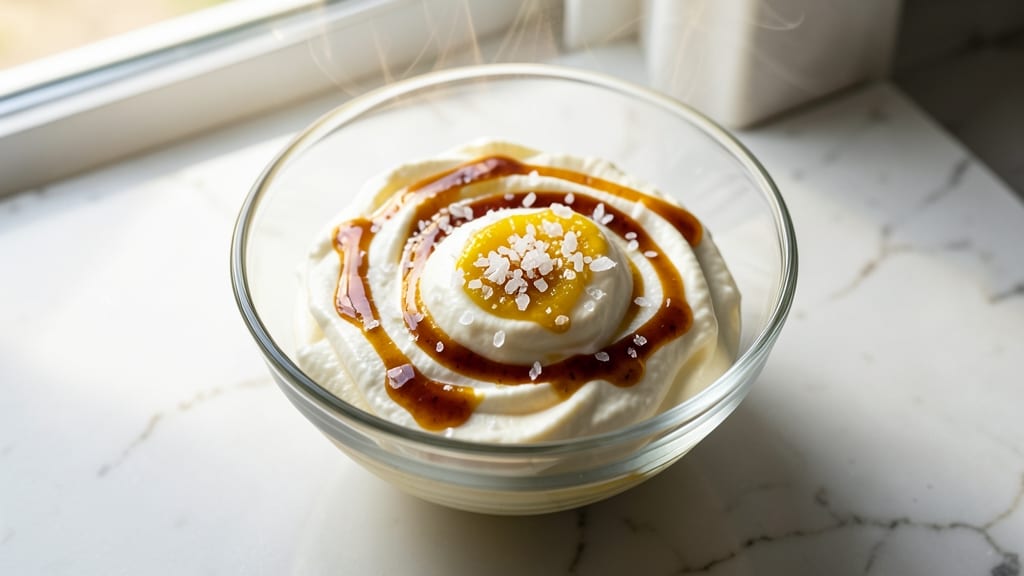
Ina Garten’s horseradish sauce recipe delivers that perfect balance of sharp heat and velvety smoothness—just like you’d find in a New York deli or a refined restaurant.
The secret lies in blending freshly grated horseradish with a touch of cream and vinegar, creating a sauce that’s bold enough to stand alone but versatile enough to elevate everything from roast beef to deviled eggs.
This recipe stays true to Garten’s signature approach: precise measurements, thoughtful ratios, and a focus on quality ingredients. The horseradish provides the signature kick, while a splash of white wine vinegar brightens the flavor and balances the heat.
A small amount of heavy cream or sour cream adds richness without overpowering the sharpness, ensuring every bite is perfectly harmonized.
What sets this sauce apart is its ability to transform ordinary dishes into something extraordinary. Whether you’re drizzling it over a perfectly cooked steak, mixing it into creamy dips, or serving it alongside holiday roasts, the flavor remains consistent and impressive.
The preparation is straightforward—no complicated techniques, just a few ingredients combined with care.
Once you try this version, you’ll understand why it’s become a staple in kitchens worldwide. The sauce keeps well in the refrigerator for up to a week, making it perfect for meal prep or gifting. Let’s get started on creating a condiment that’s as elegant as it is delicious.
Ingredients for ina garten horseradish sauce
Eight ingredients combine to create Ina Garten's signature sharp yet velvety horseradish sauce—perfectly balanced for any dish.
| Ingredient | Amount | Notes |
|---|---|---|
| Fresh Horseradish Root 🌿 | 3 oz | Organic preferred, peeled and grated |
| Heavy Cream 🥛 | ½ cup | Full-fat for optimal texture |
| White Wine Vinegar 🍷 | ¼ cup | Dry variety for brightness |
| Granulated Sugar 🍚 | 1 tbsp | Balances sharpness subtly |
| Diamond Crystal Kosher Salt 🧂 | ½ tsp | For seasoning precision |
| Freshly Ground Black Pepper 🌶️ | ¼ tsp | Enhances depth of flavor |
| Unsalted Butter 🧈 | 2 tbsp | Cold, cubed for emulsification |
| Lemon Juice 🍋 | 1 tbsp | Freshly squeezed for acidity |
The horseradish root is non-negotiable for authentic flavor. Organic horseradish from specialty markets like Whole Foods or Trader Joe's delivers the most vibrant, peppery kick. Freshly grated on a microplane yields the finest texture—pre-grated horseradish loses potency quickly. For maximum sharpness, use the root's white portion only, avoiding any green stems. If you can't find fresh horseradish, high-quality jarred horseradish (like French's) works in a pinch, though texture will differ slightly. The white wine vinegar should be dry and crisp—Bartles & Jaymes or Bertolli are excellent choices for consistent quality.
Heavy cream adds luxurious body without overwhelming the horseradish's bite. Full-fat cream is essential for proper emulsification—light or reduced-fat versions may separate. Substituting sour cream at a 1:1 ratio works beautifully for a tangier profile, though texture will be slightly thicker. The sugar acts as a flavor balancer, so honey or maple syrup can replace it if preferred, though granulated sugar dissolves more cleanly. For those avoiding dairy, coconut cream provides a neutral base, though the sauce will have a different mouthfeel. Always taste as you go—adjust vinegar or sugar ratios to achieve the perfect equilibrium between heat and sweetness.
This sauce develops deeper flavor when allowed to rest. Store in an airtight container in the refrigerator for up to 1 week, though it's best within 3-4 days for peak sharpness. For longer storage, divide into ice cube trays and freeze for up to 3 months. The sauce thickens as it chills, so stir before serving. Garnish with a sprinkle of freshly cracked black pepper just before use to enhance aroma. Portion into small jars for elegant gifting—Mason jars with ribbon handles make particularly thoughtful presents.
Why You'll Love This Recipe
- The secret’s in the contrast: sharp horseradish meets velvety cream, then that little sugar kiss softens the edge. It’s the kind of sauce that makes you go, “Wait, that’s it?”—but then you take another bite and realize it’s ridiculously good.
- Five-Ingredient Wonder: Honestly, you’re looking at a recipe with just five things—no weird substitutions, no hunting for obscure spices. Grate that horseradish, mix in cream and vinegar, and you’re done. No fancy equipment, no stress, just pure, bright flavor in minutes.
- Creamy Heat Balance: The secret’s in the contrast: sharp horseradish meets velvety cream, then that little sugar kiss softens the edge. It’s the kind of sauce that makes you go, “Wait, that’s it?”—but then you take another bite and realize it’s ridiculously good.
- Game for Any Table: Slather it on roast beef, drizzle it over deviled eggs, or toss it with potatoes—this sauce doesn’t play favorites. I’ve used it for holiday dinners, lazy Sunday brunches, and even as a wake-up call for bland takeout. It’s the unsung MVP of condiments.
Instructions for Ina Garten's horseradish sauce recipe
This refined method delivers a perfectly balanced horseradish sauce with vibrant heat and velvety texture.
Grate the Horseradish Root
Using a fine grater or food processor, grate the 3 oz fresh horseradish root into a small bowl. I prefer using a microplane for maximum surface area and finer texture, but a box grater works well too. The raw horseradish will release its signature pungent aroma immediately—work in a well-ventilated area if sensitive to strong odors.
Transfer the grated horseradish to a medium mixing bowl. The raw texture should resemble coarse sandpaper. This is the foundation of your sauce, so don't skip the grating process—pre-shredded horseradish lacks the fresh intensity we're after. Cover the bowl and set aside while you prepare the remaining ingredients.
Combine Wet Ingredients
In a separate small saucepan, combine the 0.5 cup heavy cream, 0.25 cup white wine vinegar, 1 tbsp granulated sugar, 0.5 tsp diamond crystal kosher salt, and 0.25 tsp freshly ground black pepper. Place over medium heat and bring to a gentle simmer, stirring occasionally to dissolve the sugar completely.
Simmer for 3-4 minutes until the mixture reaches 160°F, just until small bubbles form around the edges but before it boils vigorously. The sugar should dissolve completely, and the cream should begin to thicken slightly. Remove from heat and let cool for 2 minutes—this prevents the horseradish from curdling when combined.
Incorporate Butter and Lemon
While the cream mixture cools, cut the 2 tbsp unsalted butter into small cubes and place in a heatproof bowl. Add the 1 tbsp lemon juice and whisk gently to combine. This acidulated butter will help emulsify the sauce later, creating that signature silky texture.
Pour the warm cream mixture into the butter bowl in a slow, steady stream while whisking continuously. The butter should melt completely, creating a smooth, creamy base. Here's the thing—if you add cold cream to butter, you'll end up with a separated sauce. The residual heat from the cream is what creates that perfect emulsion.
Fold in Horseradish
With a rubber spatula, gently fold the grated horseradish into the warm cream mixture. Start with small amounts to avoid overpowering the sauce, then gradually incorporate all of it. The sauce should transform from pale yellow to a vibrant mustard color with green flecks—this indicates proper horseradish incorporation.
Taste and adjust seasoning if needed. I typically find the sauce needs just a pinch more salt or sugar to balance the horseradish's sharpness. The final texture should be thick but pourable, with a smooth consistency that coats the back of a spoon. If it's too thick, whisk in 1-2 teaspoons of water to reach your desired consistency.
Chill and Serve
Transfer the sauce to a clean jar or airtight container and refrigerate for at least 2 hours before serving. This chilling period allows the flavors to meld and the heat to develop fully. The sauce will thicken slightly as it cools—this is normal and desirable.
When ready to serve, give the sauce a good stir before scooping. The final product should have a vibrant green hue from the horseradish, with a creamy texture that clings beautifully to meats, fish, or sandwiches. The heat should be pronounced but balanced by the vinegar's brightness and cream's richness. Serve immediately or store in the refrigerator for up to 1 week.
Pro Tips For Making Ina Garten Horseradish Sauce
- PEEL THE HORSESHOE: That outer skin’s bitter and fibrous—scrub it off under cold water first, then use a paring knife to slice away the thick, pale yellow flesh underneath. I learned this the hard way after biting into a chunk of tough, gritty horseradish in my first batch.
- GRATE IT FINE: A box grater works, but a food processor gives you consistent, ultra-fine texture without the arm workout. Pulse in short bursts, scraping the sides every 10 seconds, until it looks like wet sand. Over-grating turns it mushy—stop when it’s still slightly chunky.
- WHISK THE CREAM COLD: Chill the heavy cream in the fridge for at least 30 minutes before mixing. Warm cream folds into the horseradish unevenly, making the sauce separate or turn grainy. Cold cream incorporates smoothly and keeps the sauce silky.
- SALT IN STAGES: Taste after adding the vinegar and sugar, then add ½ teaspoon kosher salt. Stir, wait 30 seconds, and adjust—horseradish’s heat mellows as it sits, so you’ll need less than you think. Dumping it all in upfront makes the sauce taste flat.
Troubleshooting this recipe
Curdling Prevention
The most common issue with homemade horseradish sauce is curdling, which happens when the cream separates. To prevent this, always warm your cream mixture to 160°F before combining with the raw horseradish—this gentle heat helps stabilize the emulsion.
I also recommend adding the butter and lemon juice first, as the acidity helps create a more stable base. If your sauce starts to separate, whisk in 1 tsp cold water at a time until it smooths out. 💡
Horseradish Overpowering
If your sauce tastes too sharp or overwhelming, you likely used too much horseradish root. The recipe calls for 3 oz, but some roots vary in intensity. To fix this, whisk in 1-2 tsp additional sugar or 1 tbsp extra cream to mellow the heat.
For future batches, try 2.5 oz horseradish if you prefer a milder kick. Taste as you go—this sauce is highly customizable!
Sauce Too Thin
A runny horseradish sauce usually means the cream wasn't warmed enough or the horseradish wasn't incorporated properly. To thicken, place the sauce in a small saucepan over low heat and whisk continuously until it reaches 170°F.
Alternatively, mix in 1 tsp cornstarch dissolved in 1 tbsp cold water and heat gently until thickened. For immediate results, chill the sauce uncovered for 30 minutes—the evaporation will help it set.
Uneven Texture
Lumpy texture often occurs when the horseradish isn't finely grated or isn't folded in gently. Use a microplane grater for the smoothest results, and always fold the horseradish into the warm cream mixture with a rubber spatula, not a whisk.
If you notice graininess, pulse the sauce briefly in a blender or food processor to refine the texture. For extra silkiness, strain through a fine-mesh sieve before serving. ✨
Heat Too Mild
If your sauce lacks sufficient kick, the horseradish root may have lost potency during storage or grating. Freshly grated horseradish is essential—never use pre-shredded. For extra heat, add ½ tsp freshly grated horseradish after chilling.
Another trick: Let the grated horseradish sit for 5 minutes before mixing to release more of its natural oils and intensify the flavor.
Storage Issues
If your sauce develops an off smell or mold after refrigeration, it's time to toss it—properly made horseradish sauce should last 1 week in an airtight container.
To maximize shelf life, store in a glass jar (plastic can absorb odors) and press plastic wrap directly on the surface to minimize air exposure. Freeze in 1-tbsp portions for single-use convenience, though texture may change slightly upon thawing. 🧊
Nutrition facts
Frequently asked questions
Why does Ina Garten's horseradish sauce include both vinegar and lemon juice?
The white wine vinegar brightens the sauce and balances the horseradish's sharpness, while the lemon juice adds a fresh acidity that enhances the cream's richness. Together, they create a perfect harmony where neither flavor overpowers the other. The vinegar also helps stabilize the emulsion, preventing separation.
Can I make this sauce without dairy?
Yes! Replace the heavy cream with ½ cup coconut cream and the butter with 2 tbsp vegan butter. The texture will be slightly lighter, but the flavors remain balanced. For extra richness, add 1 tbsp nutritional yeast to mimic the umami notes of dairy.
How do I adjust the heat level in this sauce?
For milder heat, reduce the horseradish to 2.5 oz or add 1 tbsp extra sugar. For extra kick, increase the horseradish to 3.5 oz. Always taste as you go—this sauce is highly customizable! The cream and vinegar ratios can also be adjusted to further balance the sharpness.
What's the best way to store leftovers?
Transfer to an airtight glass container and refrigerate for up to 1 week. For longer storage, freeze in 1-tbsp portions. Press plastic wrap directly on the surface to minimize air exposure. The sauce thickens as it chills, so stir before serving.
Can I use jarred horseradish instead of fresh?
Jarred horseradish works in a pinch, but fresh is ideal for maximum flavor and texture. If using jarred, reduce to 2 tbsp. The sauce will be smoother but less vibrant. For best results, always grate fresh horseradish root using a microplane for the finest texture.