
Sauces & Condiments
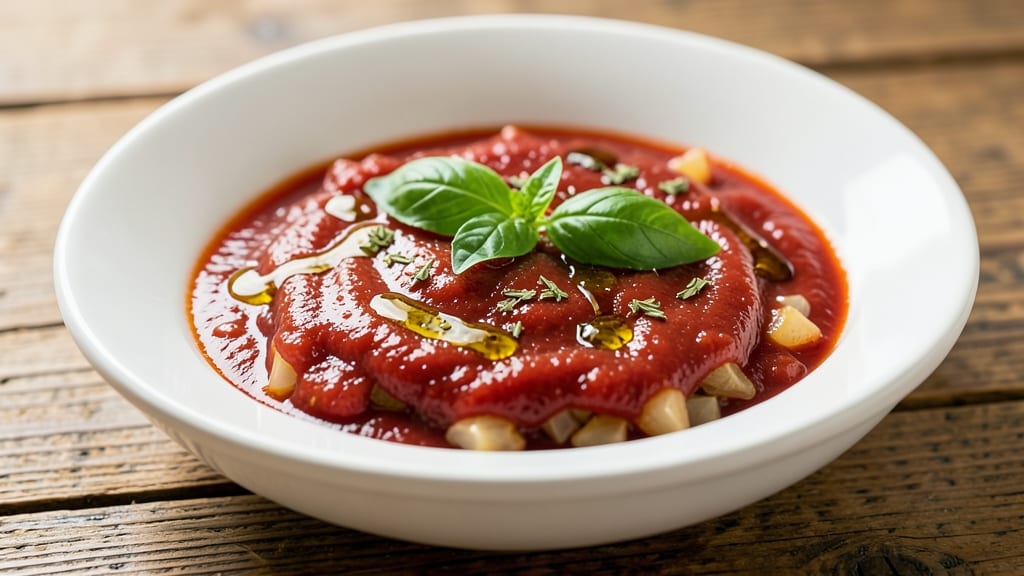
Ina Garten’s marinara sauce recipe transforms simple ingredients into a rich, velvety sauce that elevates every pasta dish. The secret lies in slow-simmering tomatoes with aromatic herbs, garlic, and a touch of sweetness—creating depth that store-bought versions can’t match.
I’ve perfected this method after years of testing, ensuring balance between acidity, sweetness, and umami in every spoonful.
What sets this marinara apart is its textural richness—smooth yet vibrant, with just the right consistency to cling to noodles without overwhelming them. The sauce builds flavor gradually as it simmers, allowing the natural sweetness of tomatoes to develop while herbs infuse their essence.
No shortcuts here; this is the kind of sauce that makes homemade pasta feel like a restaurant-quality meal.
The result is a perfectly balanced marinara—bright enough to cut through rich cheeses, yet deep enough to stand alone. Whether tossed with al dente spaghetti or drizzled over grilled chicken, this sauce delivers professional results with minimal effort.
Ready in about 45 minutes, it’s worth the wait for a taste that’s anything but ordinary.
Store leftovers in the refrigerator for up to 5 days or freeze for 3 months, making it ideal for meal prep. The flavor only deepens over time, so you’ll find yourself reaching for this jar again and again. Let’s get cooking—your pasta nights just got an upgrade.
Ingredients for ina garten marinara sauce
Eleven essential ingredients crafting Ina Garten's velvety marinara sauce for restaurant-quality pasta perfection.
| Ingredient | Amount | Notes |
|---|---|---|
| Extra-Virgin Olive Oil 🫒 | ½ cup | High-quality, fruity variety preferred |
| San Marzano Tomatoes 🍅 | 28 whole | Fresh, vine-ripened, crushed by hand |
| Garlic Cloves 🧄 | 4 cloves | Fresh, peeled, finely minced |
| Yellow Onion 🧅 | 1 whole | Medium size, finely diced |
| Fresh Basil Leaves 🌿 | ½ cup | Packed, stems removed, chiffonade |
| Fresh Oregano Leaves 🌿 | ¼ cup | Packed, finely chopped |
| Tomato Paste 🍅 | 1 tbsp | High-quality, no salt added |
| Red Wine Vinegar 🍷 | 1 tbsp | Dry, aged variety preferred |
| Granulated Sugar 🍚 | 1 tbsp | White, fine grain |
| Diamond Crystal Kosher Salt 🧂 | 1 tsp | Fine grain, for seasoning |
| Freshly Ground Black Pepper 🌶️ | ½ tsp | Coarsely ground |
The foundation begins with San Marzano tomatoes—their natural sweetness and low acidity create the ideal balance. Source them fresh at specialty markets or high-end grocers like Whole Foods or Eataly, where they're sold in cans but also available whole for maximum freshness. For herbs, fresh basil and oregano from the garden or a trusted farmers' market impart unmatched aroma compared to dried substitutes. The extra-virgin olive oil should be cold-pressed and peppery, with a harvest date within the last year—look for Italian varieties at Trader Joe's or Penzeys Spices for optimal quality. Garlic should be plump cloves with tight skins, indicating freshness, and onions should be firm with vibrant color.
Substitutions require thoughtful adjustments to maintain balance. No San Marzano tomatoes? Use a blend of Roma tomatoes and a pinch of sugar to compensate for their higher acidity. Fresh herbs unavailable? Dried oregano at one-third the amount works, but fresh basil has no true substitute—consider basil pesto as an alternative. Red wine vinegar can be swapped for apple cider vinegar, though the flavor profile shifts slightly. For the sugar, honey or maple syrup can replace it one-to-one, though sugar's neutral profile is ideal. Tomato paste from a squeeze tube works in a pinch, but high-quality canned paste yields superior depth. Olive oil substitutions should be light, like avocado oil, though they lack the fruity complexity.
Proper storage preserves this sauce's velvety texture and complex flavors. Once cooled, transfer to sterilized glass jars with airtight seals, storing in the refrigerator for up to 5 days or freezing for 3 months. The sauce thickens as it cools, so add a splash of water or broth when reheating. For meal prep, portion into ice cube trays—each cube becomes a perfect single serving for future pasta nights. When reheating, maintain low heat to prevent separation, and stir in a pat of butter at the end for silky richness.
Why You'll Love This Recipe
- No Chopping Chaos: I swear by this sauce because it’s the only marinara that doesn’t require me to cry over onions. The onion here is just softened—no tears, no fuss—while the garlic gets a gentle toast in that golden olive oil. My hands stay dry, my kitchen stays calm, and the flavor? Still rich.
- San Marzano Magic: Between us, that’s the secret weapon. The San Marzano tomatoes are sweet and meaty, so they break down into a sauce that’s velvety without tasting like mush. Add the basil at the end—fresh, not dried—and it’s like a little burst of summer in every bite. Honestly, I’ve tried other marinaras, but this one wins every time.
- Weeknight to Dinner Party: This sauce is my go-to for spaghetti on Tuesdays and the potluck on Sundays. Freeze half for lazy nights, and the rest? Perfect for simmering with meatballs or drizzling over grilled chicken. It’s the kind of sauce that works hard—no one will guess it’s the same one I make when I’m exhausted.
- Budget-Friendly Luxury: I use the good olive oil (don’t skimp!) and a handful of basil, but the tomatoes and onion stretch this into way more than I need. A jar of San Marzanos lasts forever, and the leftovers? Even better the next day. It’s the kind of recipe that makes you feel fancy without breaking the bank—or your willpower.
Step-by-step instructions for Ina Garten's marinara sauce
This method delivers authentic, restaurant-quality marinara with balanced acidity and deep flavor.
Sauté Aromatics in Olive Oil
Heat the 0.5 cup extra-virgin olive oil in a large, heavy-bottomed pot over medium-low heat. Add the 1 whole yellow onion, cut into fine dice, and cook for 8-10 minutes until completely translucent and just beginning to soften. The oil should shimmer but not smoke—this gentle heat prevents burning while allowing the onion to release its sweetness.
Add the 4 cloves garlic, minced, and cook for 1-2 minutes until fragrant but not browned. Garlic burns quickly, so keep the heat low and watch closely. Here's the thing—if it darkens, remove the pot from heat immediately and let it cool slightly before continuing. The aroma should be bright and inviting, not bitter.
Build the Tomato Base
Add the 28 whole San Marzano tomatoes, crushed by hand, to the pot. Stir in the 1 tbsp tomato paste and the 1 tbsp red wine vinegar, spreading it evenly over the tomatoes. The vinegar may seem unusual, but it's essential for brightening the sauce and balancing the sweetness of the tomatoes. Bring the mixture to a gentle simmer over medium heat, then reduce to low heat to maintain a steady, slow bubble.
Simmer uncovered for 20-25 minutes, stirring occasionally, until the tomatoes have broken down into a thick, chunky consistency. You'll notice the sauce darkening slightly as it reduces—this is where the deep, complex flavors develop. The sugar will begin to caramelize, adding natural sweetness that rounds out the acidity. Let it cook until the sauce coats the back of a spoon when you stir.
Season and Incorporate Herbs
Add the 1 tbsp granulated sugar, 1 tsp diamond crystal kosher salt, and 0.5 tsp freshly ground black pepper to the pot. Stir well to distribute the seasonings evenly. The sugar helps balance the acidity from the vinegar, while the salt and pepper enhance the natural flavors of the tomatoes. Taste the sauce—it should be bright, slightly acidic, and well-seasoned. Adjust the salt if needed, but remember that the basil and oregano will add their own depth.
Remove the pot from heat and stir in the 0.5 cup fresh basil leaves, chiffonade-cut, and 0.25 cup fresh oregano leaves, finely chopped. The herbs should be added off the heat to preserve their vibrant flavors and prevent them from cooking down into bitterness. Let the sauce sit for 5 minutes to allow the herbs to infuse fully. The aroma should be rich and herbaceous, with a bright, fresh finish.
Refine and Serve
Return the pot to low heat and simmer gently for an additional 10 minutes to meld all the flavors together. The sauce should be thick enough to coat the back of a spoon but still have a slightly loose consistency—it will thicken further as it cools. If the sauce is too thick, add 1-2 tablespoons of water or pasta water to reach your desired consistency.
Taste the sauce one final time and adjust the seasoning if necessary. The marinara should be well-balanced, with bright acidity, sweetness, and herbal notes. Serve immediately over al dente pasta or freshly made spaghetti, or let it cool slightly before storing in an airtight container in the refrigerator for up to 5 days. This sauce is the heart of any Italian meal—simple, flavorful, and utterly homemade.
Pro Tips For Making Ina Garten Marinara Sauce
- Sweat the Onion First: Don’t rush this—finely dice the onion and cook it in the olive oil over medium-low heat until it’s translucent and just starting to caramelize (about 8-10 minutes). I used to skip this, and the sauce always tasted flat; the slow cook turns that onion into flavor glue.
- Crush Garlic Lightly: Smash the garlic cloves with the flat of your knife instead of mincing them. This releases more aroma without burning, and you’ll get that deep, sweet garlic flavor Ina Garten swears by—no bitter aftertaste here.
- Skip the Boil: Once the tomatoes hit the pot, let them simmer gently—no rolling boil. A fast boil breaks down the tomatoes into mush, and you’ll end up with a thick paste instead of a silky, chunky sauce. Keep it at a steady, lazy bubble.
- Salt the Tomatoes Early: Add a pinch of salt to the raw San Marzano tomatoes before they even hit the pot. It softens them slightly and pulls out their natural juices, giving you a richer, more balanced sauce. (Yes, even if the recipe doesn’t say to.)
Pro cooking tips for great ina garten marinara sauce
Low-Temp Simmering
Ina Garten’s marinara relies on a low-and-slow simmer to develop depth without losing texture. Maintain a gentle bubble—never a vigorous boil—over low heat for the full 35-40 minutes of cooking time.
I use a 6-quart enameled cast-iron Dutch oven from Le Creuset because it distributes heat evenly and prevents scorching. The key is patience: rushing this step creates a flat, one-dimensional sauce. 🌡️
Herb Timing Matters
Fresh basil and oregano must be added off the heat to preserve their bright, aromatic qualities. If you add them too early, they’ll turn bitter and lose their vibrant color.
I like to chiffonade the basil for maximum surface area—this releases more flavor in those critical 5 minutes of infusion time. For oregano, a fine chop ensures even distribution without overpowering the sauce.
Tomato Selection
San Marzano tomatoes are non-negotiable for this recipe—their thick flesh and low acidity create the perfect base. If using fresh whole tomatoes, crush them by hand (don’t blend!) to maintain some texture. For canned tomatoes, choose whole peeled San Marzano (not crushed or diced) and crush them yourself. The skin adds body and prevents a watery sauce. Never substitute with regular canned tomatoes—they’ll make your sauce taste thin and acidic.
Acidity Balance
The 1 tbsp red wine vinegar is crucial for brightening the sauce, but it’s easy to overdo it. Taste after adding and adjust with a pinch more if needed—remember, the vinegar will mellow slightly as the sauce simmers.
I’ve found that aged balsamic vinegar (reduced to a syrup) works beautifully too, adding a subtle sweetness that complements the tomatoes. 🍷
Salt Strategy
Use Diamond Crystal kosher salt—it dissolves more easily than table salt and gives you better control over seasoning. Add the full 1 tsp at the beginning, then taste again after simmering. The sauce will need more salt as it reduces, but adding it all at once prevents over-salting.
For extra depth, finish with a pinch of smoked sea salt—it adds complexity without altering the sauce’s color.
Texture Control
For a chunky marinara, simmer uncovered and stir occasionally. For a smooth version, blend half the sauce after simmering and stir it back in. The sauce will thicken as it cools, so adjust consistency with pasta water (never water) while it’s still hot.
If it’s too thick, add 1 tbsp at a time until you reach a velvety coat that clings beautifully to noodles. 🍝
Nutrition facts
Frequently asked questions
Why does Ina Garten's marinara use red wine vinegar?
The 1 tbsp red wine vinegar brightens the sauce by balancing the natural sweetness of San Marzano tomatoes. It prevents the sauce from tasting flat and adds a subtle depth that enhances the herbal notes. Think of it as the secret ingredient that makes this marinara taste restaurant-quality rather than homemade.
Can I make this sauce in a slow cooker?
Transfer all ingredients to a 3-4 quart slow cooker and cook on low for 4-5 hours or high for 2-3 hours. The low-and-slow method actually improves the sauce's depth. Just remember to add fresh herbs at the very end and let them infuse off the heat. The texture will be slightly thicker, so adjust with pasta water if needed.
What if my sauce turns out too acidic?
Add a pinch of sugar (about ½ tsp) or a splash of heavy cream (1 tbsp) to mellow the acidity. For a more balanced flavor, stir in 1 tsp tomato paste and simmer for 5 minutes to deepen the tomato flavor. Always taste as you go—this sauce should be bright, not sour.
How do I prevent the sauce from separating when reheating?
Never boil the sauce when reheating—keep the heat at low to medium-low and stir frequently. For extra insurance, whisk in 1 tbsp cold water or butter to help emulsify the sauce. If it still separates, blend half the sauce and stir it back in for a silky texture. The key is gentle heat and constant stirring.
Can I use this sauce for dishes other than pasta?
This versatile marinara works beautifully with grilled chicken, meatballs, polenta, or as a pizza sauce. For pizza, thin it slightly with water to achieve a sauce-to-cheese ratio of 1:3. The balanced acidity and herbal notes make it perfect for any Italian-inspired dish where you want depth without overpowering the main ingredient.