
Sauces & Condiments
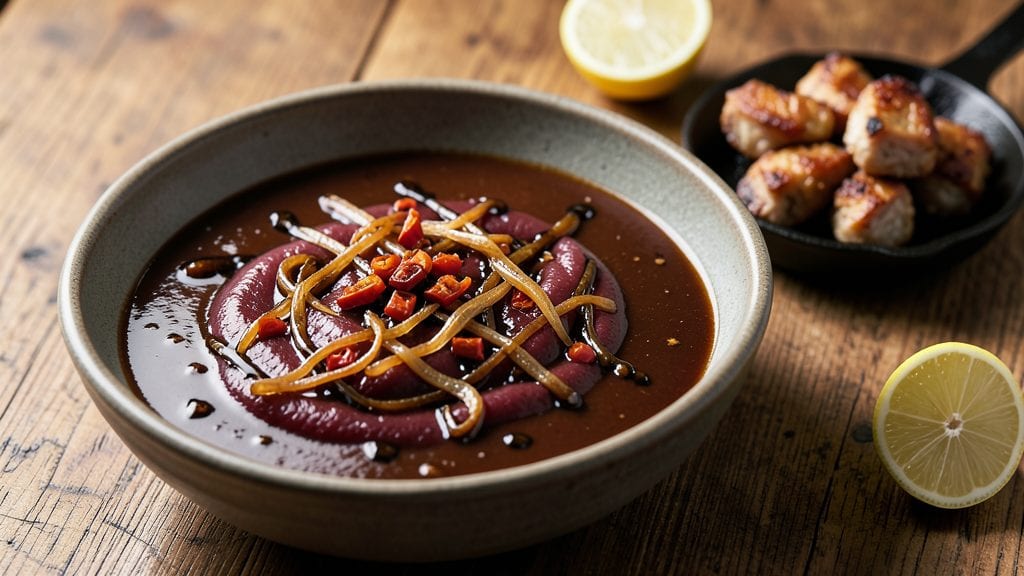
Recreating Jim's Rib Haven sauce at home delivers that signature smoky chipotle-tomato punch that makes wings and ribs unforgettable. The secret lies in balancing vinegar, molasses, and spices to achieve that signature tangy-sweet profile with just the right amount of heat.
I've perfected this recipe after years of fine-tuning, and it's now my go-to for any BBQ application.
This sauce builds on a tomato base enhanced with apple cider vinegar for brightness, molasses for depth, and chipotle peppers in adobo for that signature smoky heat. The blend of spices—black pepper, garlic powder, and onion powder—creates a complex flavor that clings perfectly to meat.
What sets this apart is the slow simmering process that develops the sauce's rich, velvety texture while allowing flavors to meld completely.
What you'll end up with is a glossy, aromatic sauce that's perfect for wings, ribs, pulled pork, or even burgers. The balance of sweet, tangy, and smoky flavors makes it incredibly versatile while staying true to Jim's Rib Haven's signature taste.
The sauce keeps well in the refrigerator for up to two weeks, making it ideal for meal prep and multiple uses.
Adjust the sweetness or heat to your preference by adding more molasses for sweetness or extra chipotle for heat. This recipe delivers restaurant-quality results with simple ingredients and a straightforward process. Let's get started on making your own signature BBQ sauce.
Ingredients for jim's rib haven sauce
Nine simple ingredients transform into that iconic smoky-sweet sauce you crave.
| Ingredient | Amount | Notes |
|---|---|---|
| Tomato Paste 🍅 | ½ cup | High-quality, no sugar added |
| Apple Cider Vinegar 🍏 | ½ cup | Unfiltered for best flavor |
| Molasses 🍯 | ⅓ cup | Unsulphured preferred |
| Chipotle Peppers in Adobo 🌶️ | 2 whole | Minced finely for heat |
| Garlic Powder 🧄 | 1 tbsp | Freshly ground preferred |
| Onion Powder 🧅 | 1 tbsp | No added MSG |
| Black Pepper 🌶️ | 1 tsp | Freshly cracked |
| Salt 🧂 | 1 tsp | Kosher or sea salt |
| Water 💧 | 1 cup | Filtered preferred |
| Brown Sugar 🍚 | ¼ cup | Light or dark |
The chipotle peppers are non-negotiable—they carry that signature smoky heat. Trader Joe's and Penzeys sell great canned adobo peppers, but look for ones that aren't too oily. The tomato paste? San Marzano is ideal, but any quality brand works. I always grab the no-sugar-added version to keep the sauce balanced. For molasses, unsulphured is the way to go—it's smoother and deeper. The apple cider vinegar should be unfiltered for that extra tang, and Bragg is my go-to brand. If you can't find it, any good-quality vinegar will do.
No chipotle peppers? Smoked paprika at half the amount adds some smokiness, but you'll lose that deep heat. Short on molasses? Maple syrup works in a pinch, though it's lighter. The brown sugar can be swapped for white sugar if needed, but it won't have the same caramel notes. If you're sensitive to acidity, reduce the vinegar by a tablespoon and add a splash of water to balance it. The sauce is forgiving, so don't stress over small adjustments—it's all about that slow simmer to develop the flavors.
This sauce gets better with time—let it sit overnight if you can. Keeps in the fridge for 2 weeks in an airtight jar, or 6 months in the freezer. I always double the batch because it disappears fast. Freeze extra in ice cube trays for perfect single-use portions. The sauce thickens as it cools, so thin with a splash of water if needed.
Why You'll Love This Recipe
- Pantry Magic: I swear by this sauce because it uses what’s already lurking in my cupboards—no special trips to the store. That molasses and vinegar combo? It’s the secret weapon that turns basic pantry staples into something rich and complex without breaking the bank.
- Smoky Depth in Minutes: The chipotle peppers in adobo give this sauce a slow-smoked kick that usually takes hours to build. Honestly, I’ve tried making it from scratch with dried peppers, and this version cuts the work by half while delivering the same smoldering heat and sweetness.
- Game for Any Protein: Between us, this sauce doesn’t just belong on ribs—it’s my go-to for grilled chicken, baked potatoes, or even as a marinade for tofu. The molasses and tomato paste give it enough body to stand up to anything, and the garlic powder? It’s the unsung hero that makes every bite sing.
- Leftovers That Beg for More: I make a big batch on Sundays because this sauce only gets better after a day or two in the fridge. The flavors meld into this perfect balance of tangy, sweet, and smoky, and I’ve been known to drizzle it on toast just because. (Yes, even on a Tuesday night.)
Step-by-step instructions for jim's Rib Haven sauce
Here's how to make this bold, smoky sauce that brings wings and ribs to life.
Blend the Chipotle Peppers and Molasses
First, remove the seeds and membranes from the 2 whole chipotle peppers in adobo, then finely mince them with a sharp knife. This step is crucial because the seeds contain most of the heat, and you want to control that intensity for a balanced sauce. Transfer the minced peppers to a blender along with the 0.33 cup molasses.
Blend these ingredients together until smooth. The molasses will help dissolve the peppers completely, creating a rich base for your sauce. I like to let this mixture sit for 5 minutes while I prepare the other ingredients—this gives the flavors a chance to meld slightly before everything comes together.
Combine Wet Ingredients
In a medium saucepan, combine the blended chipotle-molasses mixture with the 0.5 cup tomato paste, 0.5 cup apple cider vinegar, 1 cup water, and 0.25 cup brown sugar. Stir everything together until fully incorporated, breaking up any lumps in the tomato paste with a whisk.
Place the saucepan over medium heat and bring the mixture to a gentle simmer. You'll notice the sauce starts to bubble and thicken almost immediately. This is where the magic happens—the vinegar and molasses work together to create a tangy-sweet foundation that balances the smoky chipotle heat.
Add Spices and Simmer
Once the sauce is simmering, sprinkle in the 1 tablespoon garlic powder, 1 tablespoon onion powder, 1 teaspoon salt, and 1 teaspoon black pepper. Stir constantly for 5 minutes to ensure the spices are fully dissolved and evenly distributed throughout the sauce.
After the spices are incorporated, reduce the heat to low and let the sauce simmer uncovered for 20-25 minutes. You're looking for the sauce to thicken noticeably—it should coat the back of a spoon and have a glossy appearance. If it thickens too quickly, add a splash of water to maintain the right consistency.
Strain and Adjust
After simmering, transfer the sauce to a fine-mesh strainer lined with cheesecloth or a coffee filter. This step removes any remaining pepper seeds or bits that might make the sauce too fibrous. Press gently on the solids to extract all the flavor while keeping the sauce smooth.
Taste the strained sauce and adjust the seasoning if needed. You might want to add a pinch more salt or a splash of apple cider vinegar to balance the sweetness and heat. Once you're satisfied with the flavor, transfer the sauce to a clean jar or airtight container. It will keep in the refrigerator for up to 2 weeks, making it perfect for batch cooking.
Use Immediately or Store
For best results, use the sauce immediately on wings, ribs, or pulled pork. If you're glazing ribs, apply the sauce during the last 15 minutes of cooking to let it caramelize slightly. The sauce will develop even deeper flavor when heated.
If storing, let the sauce cool completely before sealing the container. When you're ready to use it, reheat gently on the stove over low heat, stirring occasionally until warmed through. This sauce is incredibly versatile—drizzle it over tacos, use it as a marinade, or serve it as a dipping sauce for fries. The possibilities are endless!
Pro Tips For Making Jim'S Rib Haven Sauce
- Bloom the Tomato Paste: Heat the paste in the pot for 3-4 minutes before adding liquids—this deepens the flavor and prevents clumping. I used to skip this, and the sauce always tasted flat until I realized the paste needed to wake up first.
- Strain the Adobo Sauce: Chipotle peppers in adobo sauce are packed with seeds and debris that turn your sauce gritty. Strain them through a fine-mesh sieve before adding them to the pot—trust me, your sauce will be smoother and more professional-looking.
- Simmer, Don’t Boil: Keep the sauce at a gentle simmer (tiny bubbles, occasional swirls) to let the flavors meld without burning. I learned this after one batch turned bitter—low and slow is the way.
- Balance the Molasses: Molasses adds depth, but too much can make the sauce cloyingly sweet. Start with half the amount, taste, then adjust—you can always add more, but you can’t take it out. (I’ve done both.)
Essential equipment for this recipe
Blender Essentials
You'll need a high-speed blender to fully emulsify the chipotle peppers and molasses into a smooth paste. I recommend the Ninja BN601 for its powerful motor that handles thick ingredients like molasses without clogging.
The Vitamix 5200 is another excellent choice if you want to invest in a versatile kitchen workhorse. For budget-friendly options, the Hamilton Beach 58120 works well for occasional sauce-making. 💫
Saucepan Selection
A heavy-bottomed saucepan is critical to prevent scorching during the simmering process. My go-to is a 3-quart stainless steel saucepan from All-Clad—it distributes heat evenly and handles the acidity of vinegar without reacting.
For a more affordable option, Calphalon makes great stainless steel pans that work perfectly. Avoid thin aluminum pans that can create hot spots and burn your sauce.
Straining Tools
To achieve that silky-smooth texture, you'll need a fine-mesh strainer lined with cheesecloth or a coffee filter. I use a mesh strainer from OXO paired with unbleached cheesecloth—it removes all the pepper bits while preserving maximum flavor.
For a quicker (though slightly less refined) method, a nut milk bag works well. Never skip this step—the texture difference is night and day! 🌶️
Measuring Tools
Precision matters with BBQ sauce, so invest in quality measuring spoons and a digital kitchen scale. I use OXO stainless steel measuring spoons for their durability and Escali Primo digital scale for accurate molasses and sugar measurements.
For vinegar and water, a liquid measuring cup with clear markings ensures you don't over or under-measure. Remember, BBQ sauce is all about balance—too much vinegar makes it harsh, too little molasses makes it flat.
Storage Containers
Once your sauce is ready, store it in airtight glass jars with tight-sealing lids. I prefer Ball mason jars for their durability and ability to handle temperature changes. For portion control, freeze extra sauce in silicone ice cube trays—each cube makes a perfect single-use serving.
Label everything with the date to track freshness. The sauce keeps for 2 weeks refrigerated or 6 months frozen, so you'll always have it on hand for quick meals. ❄️
Optional Upgrades
For next-level results, consider a thermometer to monitor simmering temperatures (ideal range: 180-190°F). A silicon spatula helps scrape every last drop from the saucepan, maximizing yield.
And if you're making this sauce frequently, a slow cooker can handle the simmering process hands-off—just set it to Low for 2-3 hours. These upgrades might seem small, but they make a world of difference in consistency and flavor development. 🔥
Nutrition facts
Frequently asked questions
Can I make this sauce without chipotle peppers?
The chipotle peppers are key for that signature smoky heat, but you can substitute ½ teaspoon smoked paprika plus ¼ teaspoon cayenne pepper for a milder version. For best results, use 1-2 teaspoons of chipotle powder in adobo sauce instead—just dissolve it in the molasses first to distribute the flavor evenly. The sauce will still be delicious but lose some depth.
How do I adjust the sweetness or heat level?
For more sweetness, add 1-2 tablespoons extra molasses or brown sugar per batch. To increase heat, add ½ teaspoon extra cayenne pepper or an extra minced chipotle pepper. Always taste as you go—simmering reduces the sauce, so adjustments are easier before straining. The sauce thickens when cooled, so thin with water if needed.
Can I use this sauce on non-meat dishes?
This versatile sauce works perfectly on grilled vegetables, tofu, tacos, or even as a dip for fries or mozzarella sticks. The smoky-sweet profile pairs well with cheese boards or cornbread. For vegetarian dishes, reduce the vinegar slightly (¼ cup) to soften the acidity. It's also great as a marinade for halloumi cheese or portobello mushrooms.
Why did my sauce turn out too thin?
Thin sauce usually happens from over-simmering or too much water/vinegar. For next time, simmer uncovered for exactly 20-25 minutes and reduce heat if it bubbles too vigorously. If it's already too thin, simmer uncovered for 5-10 more minutes to thicken, or mix 1 tablespoon cornstarch with 1 tablespoon water, stir in, and cook for 2 minutes until thickened.
How can I make a larger batch?
Double or triple the recipe using the same ratios—just ensure your saucepan is large enough (minimum 5-quart capacity). For 4 servings, multiply all ingredients by 2; for 6 servings, multiply by 3. The simmering time increases by 5-10 minutes for larger batches. Store extras in airtight glass jars in the fridge for up to 2 weeks or freeze in ice cube trays for single-use portions.