Sauces & Condiments
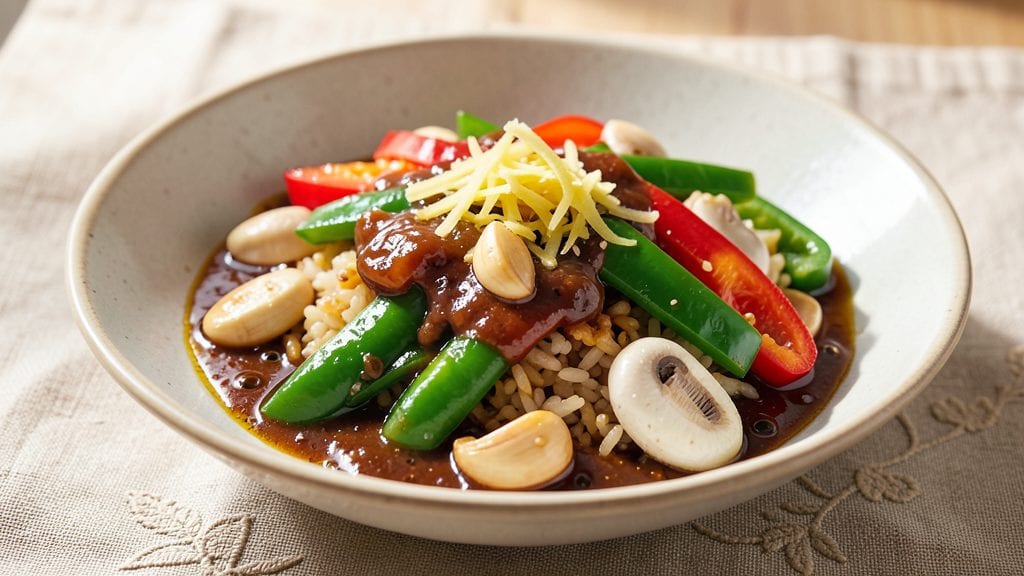
This Kikkoman stir-fry sauce copycat recipe delivers the same bold, umami-packed flavor that elevates every stir-fry, roasted vegetable, or grilled protein dish. ✨ The secret lies in balancing soy sauce, sugar, and vinegar with a touch of garlic and ginger—simple ingredients that transform into a versatile sauce with restaurant-quality depth.
I've refined this recipe over countless weeknight dinners, ensuring it's foolproof yet adaptable to any cuisine.
The beauty of this sauce is its simplicity—just six core ingredients that come together in minutes. No specialty items required, just pantry staples you likely already own.
The sauce's rich, savory profile comes from reducing soy sauce and sugar into a glossy, syrupy base, while vinegar adds the bright acidity that cuts through the umami. It's the kind of sauce that turns ordinary meals into something extraordinary without requiring advanced techniques.
What you'll end up with is a glossy, aromatic sauce that coats every ingredient perfectly, creating a sticky-sweet balance that's addictive in the best way. It's versatile enough for stir-fries, marinades, or even drizzling over noodles, yet simple enough to make on a busy weeknight.
The sauce keeps well in the fridge for up to two weeks, so you can make a big batch and use it all week long.
Whether you're cooking for one or feeding a crowd, this sauce delivers consistent, professional results every time. Let's get started on creating your own umami-packed stir-fry sauce that rivals the original.
Ingredients for kikkoman stir fry sauce copycat
Six pantry staples transform into the same bold, umami-rich sauce you crave for stir-fries and beyond.
| Ingredient | Amount | Notes |
|---|---|---|
| Kikkoman Soy Sauce 🥫 | ½ cup | Regular, not low-sodium |
| White Sugar 🍚 | ¼ cup | Granulated, not powdered |
| Rice Vinegar 🍶 | ¼ cup | Seasoned preferred for depth |
| Fresh Garlic Cloves 🧄 | 3 cloves | Minced, not pre-minced jar |
| Fresh Ginger Root 🌿 | 1 tbsp | Grated, not powdered |
| Sesame Oil 🫒 | 1 tbsp | Toasted, not flavored |
| Cornstarch 🌾 | 1 tsp | For thickening consistency |
| Water 💧 | ½ cup | Room temperature preferred |
The soy sauce is the heart of this recipe—Kikkoman is ideal, but any good-quality brand works. Grab the regular version, not low-sodium, since we're building depth. Trader Joe's or Costco often have it at the best prices. White sugar is non-negotiable here; brown sugar adds molasses notes that won't translate. The rice vinegar? Seasoned is worth hunting down—it's got a subtle sweetness that mimics the original. Fresh garlic and ginger are critical (no pre-minced or powdered), so if you're short on time, freeze the whole cloves and grate them frozen—they'll be ready in seconds.
No rice vinegar? Apple cider vinegar works in a pinch, but it'll taste slightly different. Running low on sesame oil? Toasted peanut oil adds a similar richness, though with a nuttier profile. The cornstarch is just for thickening—if you prefer a thinner sauce, skip it. For extra umami, add a 1/2 tsp of fish sauce (trust me, you won't taste it). The water is just for thinning if needed, but honestly, this sauce is perfect as-is. Pro tip: Reduce the sauce longer for a thicker, more concentrated flavor—just watch it like a hawk to avoid burning.
This sauce keeps beautifully—2 weeks in the fridge sealed tight. For longer storage, freeze in ice cube trays or small jars. Thaw overnight in the fridge or microwave for 20 seconds. I always double the batch because it disappears faster than you'd think. The flavor actually improves after a day as everything melds together. Store it in a glass jar away from light to preserve that glossy sheen. Perfect for marinades, dipping sauces, or even a quick glaze for roasted veggies.
Why You'll Love This Recipe
- Five-Ingredient Magic: I swear by this combo—just soy sauce, sugar, vinegar, and fresh garlic/ginger. No fancy pantry staples, no overcomplicating things. The ginger’s zing cuts through the sweetness like a knife, but you’d never know it took me less than five minutes to mix.
- Umami Bomb: That first splash of Kikkoman soy sauce? Instant flavor explosion. The sugar balances the acidity from the rice vinegar, while the garlic and ginger add layers that make store-bought sauce taste flat. I’ll be real: this is the kind of sauce that makes you pause mid-bite and go, “Wait, is this actually homemade?”
- Weeknight Superstar: Toss it with whatever’s in your fridge—leftover chicken, frozen veggies, even canned tuna—and suddenly dinner’s saved. I’ve used it for stir-fries, noodles, even as a marinade. Honestly, it’s my lazy night’s best friend, and it never lets me down.
- Budget Hack: A bottle of Kikkoman costs pennies, and a bag of sugar lasts forever. This sauce is cheaper than takeout, and I make enough for three meals with just a few tablespoons. Between us, my grocery bill dropped when I started making this—no more overpaying for pre-made sauces that taste like chemicals.
Step-by-step instructions for Kikkoman stir fry sauce copycat recipe
This umami-rich sauce delivers restaurant-quality flavor with just eight simple ingredients.
🍳 Step 1: Bloom the Aromatics in Sesame Oil
Heat a small saucepan over medium heat and add the 1 tablespoon sesame oil. Once shimmering but not smoking, add the 3 minced garlic cloves and 1 tablespoon grated fresh ginger root. Cook for 30-45 seconds until fragrant—you'll smell that sweet garlic aroma and see the ginger soften slightly.
Here's the thing—don't walk away. Garlic burns in seconds, and you want it to caramelize just enough to add depth without turning bitter. The oil should be bubbling gently around the aromatics but not yet browned. This step builds the sauce's aromatic foundation that makes it taste so much more complex than plain soy sauce.
🍳 Step 2: Combine Wet Ingredients
Reduce heat to medium-low and add the 0.5 cup Kikkoman soy sauce, 0.25 cup rice vinegar, and 0.25 cup white sugar all at once. Stir vigorously with a wooden spoon to dissolve the sugar completely. The mixture will bubble gently as it begins to simmer.
I like to press the wooden spoon against the bottom of the pan to scrape up any browned bits from the aromatics—this ensures maximum flavor transfer. Let the sauce simmer uncovered for 3-4 minutes until it thickens slightly and reduces by about 20%. You're looking for a syrupy consistency that coats the back of a spoon.
🥘 Step 3: Thicken the Sauce Properly
In a small bowl, whisk together the 1 teaspoon cornstarch with the 0.5 cup water until completely dissolved. This creates a smooth slurry that will thicken your sauce beautifully without clumping. Pour this mixture into the simmering sauce while stirring constantly.
Watch carefully as the sauce thickens—it should reach a glossy, velvety consistency within 1-2 minutes of adding the slurry. If it thickens too quickly, add 1-2 tablespoons water to reach your desired texture. The sauce should coat the back of a spoon but still be pourable enough to glaze stir-fried vegetables perfectly.
⏰ Step 4: Finish and Rest for Maximum Flavor
Remove the sauce from heat and let it cool for 5 minutes at room temperature. This resting period allows the flavors to meld completely and the sauce to thicken further as it cools. Taste and adjust seasoning—you might want to add a pinch more sugar if you prefer it sweeter, or a splash more rice vinegar for tang.
For best results, store any leftover sauce in an airtight container in the refrigerator for up to 1 week. The flavors actually improve as it sits, developing deeper umami notes. When ready to use, gently reheat over low heat and stir until warmed through—never boil or the sauce will separate.
Pro Tips For Making Kikkoman Stir Fry Sauce Copycat
- STIR LOW AND LONG: Skip the high-heat rush—simmer this sauce on medium-low for at least 8–10 minutes. I learned this the hard way: boiling it too hard burns the sugar and makes the vinegar taste harsh. Let it bubble gently, and stir every 2 minutes to prevent sticking.
- GRATE GINGER FINE: No food processor? Use the smallest holes on a box grater—you need a paste, not chunks. I used to dice it, and the texture was off. Fresh ginger should dissolve smoothly; if it doesn’t, the sauce will taste uneven. (Pro move: Zest the outside first for extra punch.)
- MEASURE SUGAR AFTER HEATING: Add the sugar after the soy sauce and vinegar have simmered for 3–4 minutes. Cold sugar clumps and takes forever to dissolve. Stir it in when the liquid’s just starting to reduce—it’ll melt right in and caramelize perfectly.
- SALT THE GARLIC FIRST: Toss your minced garlic in a pinch of salt before cooking. It softens the edges and prevents burning. I was skeptical until I tried it—now I never skip it. (Bonus: Works for ginger too if you’re grating it fresh.)
Serving suggestions for this kikkoman stir fry sauce copycat
Stir-Fry Sauce Basics
This sauce transforms any dish—start with classic stir-fried vegetables like bell peppers, broccoli, and snap peas. Toss them in a hot wok with 1 tbsp sesame oil, then add 2 tbsp sauce per serving.
The glossy coating makes every bite irresistible. For extra crunch, finish with toasted sesame seeds and sliced green onions. 🥦
Protein Pairings
Use this sauce to elevate chicken thighs or shrimp. Marinate 1 lb protein in 3 tbsp sauce for 15 minutes before cooking. For beef, try flank steak sliced thin—brush with sauce while searing.
The umami depth complements rich meats perfectly. I love pairing it with garlic butter noodles for a restaurant-style dish.
Noodle & Rice Dishes
Drizzle 2 tbsp sauce over steamed jasmine rice or udon noodles for instant flavor. For extra richness, add a splash of chicken broth to the sauce before tossing. The sauce also works as a dipping sauce for dumplings or spring rolls.
For a quick meal, mix 1 tbsp sauce with 1 tbsp peanut butter and a drizzle of sriracha for a sweet-spicy twist. 🍜
Vegetable Glazes
Brush this sauce on roasted carrots or eggplant before baking at 400°F for 20 minutes. The caramelization enhances the sauce's natural sweetness. For grilled veggies, baste with sauce while cooking.
Even baked tofu benefits from a glaze of 1 tbsp sauce mixed with 1 tsp maple syrup before baking. 🍠
Global Fusion Twists
Use this sauce in tacos with shredded chicken or bowls with quinoa. For a Thai-inspired dish, stir in 1 tsp fish sauce and ½ tsp chili flakes.
In Mexican cuisine, mix with lime juice and cilantro for a salsa-style sauce. The versatility makes it a pantry hero for any cuisine. 🌎
Sauce Upgrades
Add 1 tsp honey for extra sweetness or 1 tsp rice wine for depth. For heat, stir in ½ tsp gochujang or sriracha. If you love texture, sprinkle crushed peanuts or fried shallots on top. The sauce also freezes beautifully—portion into ice cube trays for single-use servings. 💡
Nutrition facts
Frequently asked questions
Can I make this sauce without rice vinegar?
Yes, but the flavor will differ slightly. Substitute with apple cider vinegar or white vinegar in equal amounts. For extra depth, add ½ teaspoon of fish sauce to mimic the umami complexity lost without rice vinegar. The sauce will still taste delicious, just with a slightly different tang profile.
How do I adjust the sweetness or saltiness?
Taste as you go! For more sweetness, add 1-2 teaspoons of sugar at the end. Need less salt? Reduce the soy sauce by 1 tablespoon and add 1 extra tablespoon of water to balance. The sauce is very forgiving—small adjustments make all the difference.
Can I use this sauce immediately after making it?
Yes, but it tastes even better after resting for 30 minutes to 1 hour in the fridge. This lets the flavors meld completely. The sauce will also thicken slightly as it cools, giving it that perfect glossy consistency. If you're in a rush, just stir well before using.
What's the best way to store leftover sauce?
Transfer to an airtight container and refrigerate for up to 2 weeks. For longer storage, freeze in ice cube trays or small jars. Thaw overnight in the fridge or microwave for 20 seconds to preserve texture. Always reheat gently over low heat—never boil.
Can I use this sauce for marinades?
Use 3 tablespoons of sauce per pound of protein (chicken, shrimp, or beef). Marinate for 15-30 minutes before cooking. The sauce's balance of sweet, salty, and umami makes it perfect for grilling or stir-frying. Just don't marinate for too long—acidic ingredients like vinegar can start to "cook" the meat.