
Sauces & Condiments
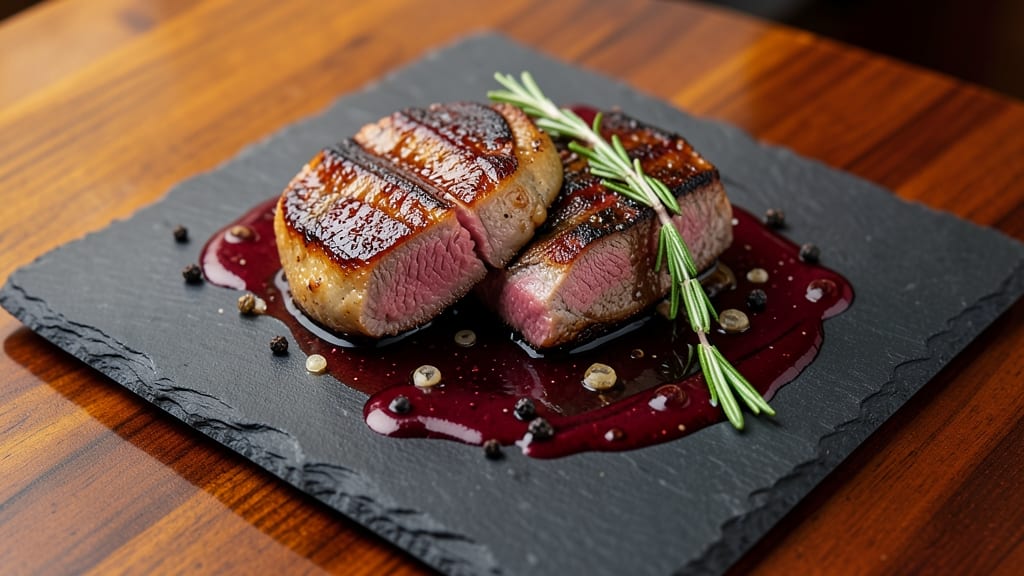
Mastering lamb sauce the Gordon Ramsay way means achieving that velvet-smooth, deeply flavorful pan sauce that elevates any lamb dish from ordinary to extraordinary. After years of perfecting this technique, I’ve distilled Ramsay’s method into a 15-minute process that delivers restaurant-quality results at home—no shortcuts, just precision.
The key lies in proper searing, deglazing, and reduction, where every step builds layers of richness without overcomplicating the process.
What sets this sauce apart is its bold yet balanced flavor profile—caramelized fond, wine reduction, and herbs combine to create a sauce that’s both aromatic and complex.
Unlike many recipes that rely on heavy cream or butter, this version uses just the right amount of stock and wine to achieve a silky texture without heaviness. The secret?
High heat for quick reduction and constant stirring to prevent burning, ensuring every bite is coated in that luxurious, glossy finish.
By the time you’re done, you’ll have tender lamb paired with a sauce that’s deeply savory, slightly tangy, and velvety—the kind that makes guests ask for seconds. The technique is straightforward but requires attention to detail, particularly when deglazing the pan and reducing the sauce.
This isn’t just a sauce; it’s the centerpiece of a meal that feels like a fine-dining experience, even at home.
Serve this sauce over roasted lamb chops, braised lamb shanks, or even as a dipping sauce for crusty bread. The versatility makes it perfect for weeknight dinners or special occasions, proving that restaurant-quality cooking is within reach with the right method.
Let’s get started on creating a sauce that rivals Ramsay’s own.
Ingredients for lamb sauce gordon ramsay
Four lamb chops, bold wine, and precise technique transform into Ramsay's signature velvety sauce.
| Ingredient | Amount | Notes |
|---|---|---|
| Lamb Chops 🥩 | 4 whole | Bone-in, 1-inch thick cutlets |
| Unsalted Butter 🧈 | 4 tbsp | Cold, cut into 4 pieces |
| Shallots 🧅 | 2 whole | Finely minced, about 2 tbsp |
| Garlic Cloves 🧄 | 3 cloves | Finely minced, peeled |
| Dry Red Wine 🍷 | ½ cup | Bold variety like Cabernet |
| Beef Stock 🍲 | ½ cup | Homemade or high-quality store-bought |
| Fresh Thyme 🌿 | ¼ cup | Leaves only, finely chopped |
| Diamond Crystal Kosher Salt 🧂 | 1 ½ tsp | Fine grain preferred |
| Freshly Ground Black Pepper 🌶️ | ½ tsp | Coarsely cracked |
| Heavy Cream 🥛 | ¼ cup | Full-fat for richness |
| Olive Oil 🫒 | 1 tbsp | High smoke point |
The lamb chops must be bone-in and 1-inch thick—this ensures proper searing and even cooking. Source from a reputable butcher like D'Artagnan or your local specialty grocer; look for cuts with good marbling. If using frozen, thaw overnight in the fridge. The butter should be cold and cut into 4 equal pieces—this prevents melting during searing. For the shallots, French's brand is ideal for consistent mincing, but fresh is better. The red wine should be bold and dry—Caymus Vineyards or Louis M. Martini are excellent choices for this technique. Beef stock should be homemade if possible, but Kitchen Basics or Pacific Foods brands are reliable store-bought options.
No dry red wine? Beef stock with a splash of balsamic vinegar replicates the depth, though the sauce will lack complexity. Fresh thyme unavailable? Dried thyme at one-third the amount works in a pinch, but the aroma won't be as vibrant. For the shallots, red onion works but lacks sweetness—stick with shallots for authenticity. Heavy cream can be substituted with half-and-half, though the sauce will be slightly lighter. The olive oil is non-negotiable—use a high-quality extra-virgin like California Olive Ranch to prevent burning during searing. If your lamb chops are thinner than 1-inch, pound them gently to even thickness before cooking.
This sauce is best served immediately, but leftovers keep for 2 days in the fridge. Reheat gently over low heat, stirring constantly to prevent separation. For longer storage, freeze in ice cube trays—thaw overnight in the fridge before reheating. The lamb chops should rest 5 minutes after cooking before serving to retain juices. To elevate further, garnish with fresh thyme sprigs and a drizzle of reduced wine from the pan. The sauce pairs beautifully with crusty baguette or roasted root vegetables for a complete meal.
Why You'll Love This Recipe
- Two-Pan Magic: I swear by this recipe because it’s one of those rare dishes where the prep barely takes longer than the cooking. The lamb chops sear in a hot pan while you chop shallots and garlic—no fancy techniques, just a knife and a little patience. The sauce reduces effortlessly while you’re finishing the chops, so you’re not stuck stirring for 20 minutes.
- Wine-Infused Richness: That splash of dry red wine isn’t just for show—it deepens the sauce into something velvety and complex, cutting through the richness of the butter without tasting like cooking wine. Honestly, the first time I made this, I nearly skipped the wine, but the difference was night and day. Now I double-check I’ve got a decent bottle on hand.
- Weeknight to Dinner Party: This isn’t just a fancy restaurant dish—it’s my go-to when I’ve got friends over unexpectedly or when I’m craving something special but don’t want to slave away. The sauce tastes even better the next day, so it’s perfect for making ahead and reheating for a lazy Sunday lunch. (Yes, even on a Tuesday night.)
- Budget-Friendly Luxury: Lamb chops can feel indulgent, but this recipe stretches them further than you’d think. The sauce is generous, so a few chops feed more than two people if you serve it with crusty bread or roasted potatoes. Between us, I’ve made this with cheaper cuts of lamb too—just adjust the cooking time, and it’s still ridiculously good.
Step-by-step instructions for velvet-smooth lamb sauce
This technique delivers restaurant-quality lamb sauce with depth and richness in record time.
Sear the Lamb Chops to Perfection
Heat a heavy-bottomed skillet over medium-high heat until very hot. Add 1 tablespoon olive oil and swirl to coat. Place the 4 whole lamb chops in the pan, bone-side down, and let them sear undisturbed for 3-4 minutes until a deep golden-brown crust forms. You'll see the fat render beautifully from the meat—this is essential for building flavor.
Flip the chops and add 2 tablespoons of the cold unsalted butter to the pan. Tilt the skillet slightly and spoon the melted butter over the meat for 1 minute to baste. Remove the chops and set aside on a warm plate, tented loosely with foil. The residual heat will keep them warm while you work on the sauce. The chops should be medium-rare at this stage, with a caramelized exterior and pink center when sliced.
Develop the Sauce Base with Shallots and Garlic
Reduce the heat to medium and add the remaining 2 tablespoons unsalted butter to the same skillet. Once melted, add the 2 whole shallots and 3 cloves garlic cloves, both finely minced. Cook for 3-4 minutes until the shallots soften and turn translucent, then golden-brown. This process, called "sweating," ensures they release their natural sweetness without burning.
Stir in the 0.25 cup fresh thyme and cook for another 30 seconds until fragrant. The thyme should perfume the pan with its earthy aroma—this is your signal that the aromatics are properly infused. If the mixture begins to stick, add 1 tablespoon of the dry red wine to deglaze immediately, scraping up any browned bits from the bottom of the pan. These bits, called fond, are packed with flavor.
Deglaze and Build Depth with Wine and Stock
Pour the remaining 0.5 cup dry red wine into the skillet and use a wooden spoon to scrape up all the browned bits from the bottom. Let the wine simmer for 2-3 minutes until reduced by half, which intensifies its flavor. This reduction is critical—it transforms the wine from a mere liquid into a concentrated flavor base.
Add the 0.5 cup beef stock and bring to a gentle simmer. Let it reduce by another half, stirring occasionally, until the sauce thickens slightly and coats the back of a spoon. The sauce should now have a velvety texture and a rich, complex aroma combining the wine, stock, and thyme. If it reduces too quickly, add 1 tablespoon water to maintain the proper consistency. This step ensures the sauce has the right balance of acidity and depth.
Finish with Cream for Luxurious Texture
Remove the skillet from heat and stir in the 0.25 cup heavy cream. Return to low heat and let it warm through for 1-2 minutes, stirring constantly to prevent curdling. The cream will create a silky, velvety finish that contrasts beautifully with the richness of the lamb.
Season the sauce with 1.5 teaspoons diamond crystal kosher salt and 0.5 teaspoon freshly ground black pepper, tasting as you go. The salt should enhance the flavors without overpowering them, while the pepper adds a subtle heat. If the sauce is too thick, add 1 tablespoon beef stock to loosen it to a smooth, pourable consistency. The final sauce should coat the back of a spoon but still flow easily when poured.
Plate and Serve with Confidence
Return the seared lamb chops to the skillet with the sauce and spoon the sauce generously over the top. Let them sit together for 1 minute to allow the chops to absorb the sauce's flavors. Plate the lamb chops, drizzling any remaining sauce around them for an elegant presentation.
The result should be juicy, perfectly seared lamb chops with a luxuriously smooth, velvety sauce that clings beautifully to the meat. Serve immediately with roasted vegetables or a simple side salad to balance the richness. The sauce's depth comes from the careful reduction and layering of flavors—each step builds on the last to create a truly exceptional dish.
Pro Tips For Making Lamb Sauce Gordon Ramsay
- Sear the Chops First: DESCRIPTION: Hit those lamb chops with a screaming-hot pan—no butter yet—until they’re deep golden, not just pink. I used to rush this and end up with pale, sad meat; now I wait for that crust to form before even touching the wine.
- Sweat Shallots Low: DESCRIPTION: Shallots should melt into the butter, not brown. Keep the heat low and stir often—if they start to stick, you’ve gone too fast. A quick splash of wine later will fix the flavor, but burnt shallots? That’s a bitter mess.
- Deglaze Aggressively: DESCRIPTION: After the chops come out, don’t just pour the wine—scrape every last bit of fond from the pan with a wooden spoon. That’s where the flavor lives, and skipping it means a sauce that tastes like it’s missing something.
- Finish with Butter: DESCRIPTION: Toss in those cubes of cold butter at the end and let them melt into the sauce—it coats everything and adds richness. I used to skip this, thinking it was extra work, but now I see how it ties the whole dish together.
Common mistakes when making this dish
Over-Reducing the Sauce
One of the biggest mistakes is letting the sauce reduce too aggressively, especially when combining wine and stock. I’ve seen home cooks walk away from the stove, only to return to a thick, glue-like mess.
The key is constant attention—reduce the wine by half (about 2-3 minutes) before adding stock, then reduce the stock by half again. If it thickens too quickly, add 1 tablespoon water to maintain that velvety consistency. 🌡️
Skipping the Fond
The browned bits stuck to your pan—called fond—are flavor gold. Many people rush the deglazing step, missing the chance to scrape up these caramelized bits that add depth. After searing the lamb, let the pan cool for 30 seconds, then deglaze with wine while scraping vigorously.
This step is non-negotiable for that restaurant-quality richness Ramsay’s sauce is known for.
Using Low-Quality Wine or Stock
Cheap wine or store-bought stock will make your sauce taste flat and one-dimensional. I recommend a bold dry red wine like Caymus Vineyards or Louis M. Martini, and homemade beef stock if possible. If using store-bought, Kitchen Basics or Pacific Foods are reliable.
The wine should reduce to a syrupy consistency, and the stock should add umami depth—neither will deliver if the base ingredients are subpar.
Adding Cream Too Early
Introducing the heavy cream while the sauce is still hot can cause it to curdle, ruining the silky texture. Always remove the pan from heat before stirring in the cream, then return it to low heat for just 1-2 minutes while stirring constantly.
This ensures a smooth, velvety finish without lumps. A quick test: if the sauce splatters when you stir it, it’s too hot for the cream.
Overcooking the Lamb
Lamb chops should be medium-rare with a pink center when sliced. I’ve seen people leave them in the pan too long, drying out the meat and making the sauce work harder to compensate.
Use a meat thermometer—130°F for medium-rare—then rest the chops for 5 minutes before serving. This ensures juicy, tender meat that pairs perfectly with the sauce. ⏰
Ignoring Seasoning Balance
Taste as you go! Many recipes call for 1.5 tsp salt and 0.5 tsp pepper, but your lamb might need more or less depending on the cut. Start with the recipe’s measurements, then adjust—salt enhances flavors, while pepper adds subtle heat.
If the sauce tastes bland, a pinch of fresh thyme or a splash of reduced wine can elevate it. Ramsay’s sauce is bold but balanced—don’t be afraid to tweak it to your taste. 💡
Nutrition facts
Frequently asked questions
Can I substitute white wine for red wine in this sauce?
While white wine works in a pinch, it won't deliver the same depth of flavor. The acidity and tannins in red wine create that signature richness Ramsay's sauce is known for. If you must use white, add 1 teaspoon balsamic vinegar per 0.5 cup to mimic the complexity. The sauce will taste lighter but still delicious.
How do I fix a sauce that's too thick or too thin?
For a thick sauce, whisk in 1 tablespoon beef stock at a time until it reaches a velvety consistency. If it's too thin, return the pan to medium heat and reduce by 1-2 minutes, stirring constantly. The goal is a sauce that coats the back of a spoon but still flows smoothly. A splash of heavy cream can also help thicken if needed.
What's the best way to reheat leftovers?
Gently reheat the sauce over low heat, stirring frequently to prevent separation. For lamb chops, warm them separately in a skillet with 1 tablespoon butter for 2-3 minutes per side, then spoon the reheated sauce over the top. Never microwave—it destroys the sauce's silky texture. Leftovers keep for 2 days in the fridge or 1 month frozen.
Can I make this sauce ahead of time?
Yes! Prepare the sauce up to 24 hours ahead by reducing it completely (without cream), then cooling and refrigerating in an airtight container. When ready to serve, reheat gently, stir in the cream, and adjust seasoning. For the lamb, sear just before serving to maintain tenderness. This works especially well for dinner parties—just reheat and plate beautifully.
What other proteins work with this sauce?
This versatile sauce pairs beautifully with venison, beef tenderloin, or even pork chops. For game meats, reduce the wine by 10% more to concentrate the flavor. The technique remains the same—sear the protein first, then build the sauce. It's also excellent with roasted root vegetables or crusty bread for dipping.