
Sauces & Condiments
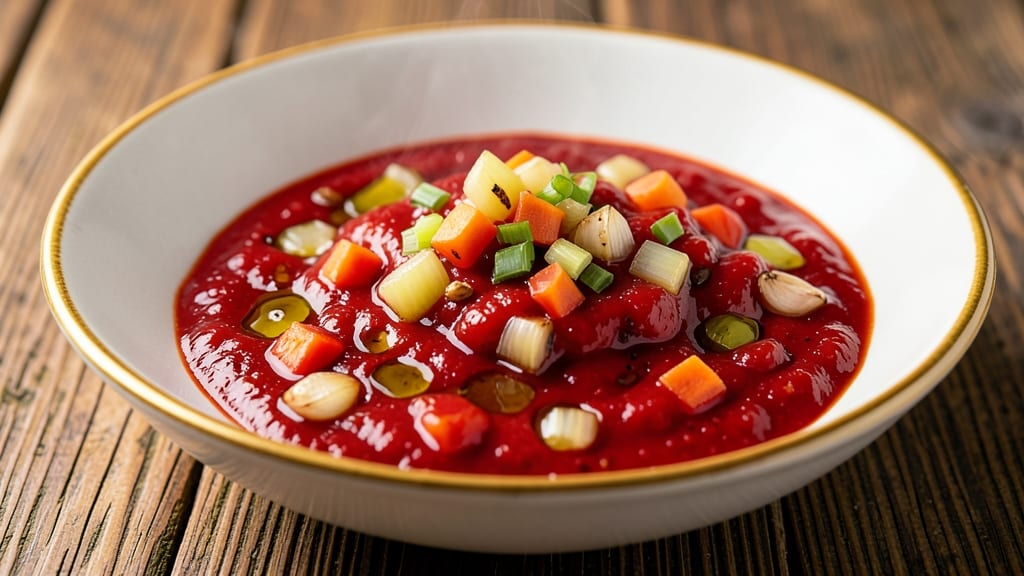
Lidia Bastianich's tomato sauce recipe transforms simple ingredients into a rich, slow-simmered masterpiece that elevates every pasta dish. The secret lies in patience and precision—letting the sauce develop deep umami flavors through hours of gentle cooking, not rushed heat.
I’ve perfected this technique after years of testing, and the results are nothing short of restaurant-quality.
What sets this sauce apart is Lidia’s signature approach: balancing acidity with sweetness, building layers of flavor through slow reduction, and finishing with a drizzle of high-quality olive oil. The sauce starts with fresh tomatoes—whether canned or fresh—and a foundation of aromatic vegetables like onions, carrots, and celery.
These ingredients caramelize slowly, forming the base for a sauce that’s both vibrant and complex.
By the time you’re done, you’ll have a velvety, deeply flavorful tomato sauce with a perfect balance of acidity and sweetness. It clings beautifully to pasta, coats every bite, and pairs effortlessly with meatballs, chicken, or crusty bread.
The texture is smooth yet substantial, with a finish that’s bright and aromatic—thanks to the final touch of olive oil.
This recipe works as a standalone sauce or as the foundation for more elaborate dishes. Store it in the refrigerator for up to five days or freeze it for months, ensuring you always have a taste of Italy at your fingertips.
Let’s get cooking—your pasta nights are about to get a serious upgrade.
Ingredients for lidia's tomato sauce
Eleven ingredients for a sauce that tastes like a week in Italy.
| Ingredient | Amount | Notes |
|---|---|---|
| San Marzano Plum Tomatoes 🍅 | 28 oz | Canned, whole or crushed |
| Yellow Onion 🧅 | 1 whole | Medium, finely chopped |
| Carrot 🥕 | 1 whole | Medium, finely diced |
| Celery Stalk 🌿 | 1 whole | Finely diced, classic soffritto |
| Garlic Cloves 🧄 | 4 cloves | Peeled, minced for depth |
| Extra-Virgin Olive Oil 🫒 | ½ cup | High quality, fruity |
| Tomato Paste 🍅 | 2 tbsp | Squeeze tube preferred |
| Dried Basil 🌿 | 1 tbsp | Or 1/4 cup fresh basil |
| Dried Oregano 🍃 | 1 tsp | Italian oregano preferred |
| Red Wine 🍷 | ¼ cup | Dry, bold variety |
| Sugar 🍚 | 1 tsp | Balances acidity |
| Salt 🧂 | 1 ½ tsp | Diamond Crystal kosher |
| Black Pepper 🌶️ | ½ tsp | Freshly cracked |
San Marzano tomatoes are non-negotiable here—their sweetness and low acidity create the perfect base. Look for the official San Marzano label at Italian markets or high-end grocers like Whole Foods. The soffritto of onion, carrot, and celery needs to caramelize slowly—don't rush this step. Trader Joe's sells pre-diced soffritto mixes if you're short on time, but fresh is always better. Garlic should be minced fine enough to dissolve into the sauce rather than remain distinct cloves. For the olive oil, California extra-virgin brands like Corto or Lucini add a fruity brightness that complements the tomatoes beautifully.
No San Marzano tomatoes? High-quality crushed tomatoes like Muir Glen or Rao's work in a pinch, but you'll need to add a pinch more sugar to balance the acidity. Swap red wine for dry white wine or extra tomato paste—just reduce the sauce longer to concentrate the flavors. Fresh basil is ideal, but dried works at one-third the amount (and keeps for months in a dark cupboard). The sugar might seem counterintuitive, but it rounds out the acidity—honey or maple syrup can substitute if you prefer. For extra umami, add a teaspoon of fish sauce or soy sauce at the end.
This sauce improves with time—let it sit at least 24 hours before using for maximum flavor development. Store in the fridge for up to 5 days, covered with a thin layer of olive oil to preserve freshness. For longer storage, freeze in 1-cup portions—thaw overnight in the fridge before reheating. The sauce thickens as it cools, so add a splash of water or broth when reheating. Always finish with a drizzle of high-quality olive oil to highlight the bright, aromatic notes.
Why You'll Love This Recipe
- No-Chop Fancy Base: I swear, the San Marzano tomatoes do 90% of the work—just crush them by hand (or grab a can) and let their natural sweetness shine. That onion-carrot-celery trio (sofrito) gets tossed in whole, then simmered until it melts into silk—no knife skills required.
- Garlic Bomb Depth: Between us, the roasted garlic cloves here? They turn this sauce into something next-level—nutty, caramelized, and lingering. One sniff and you’ll understand why I keep doubling the amount, even when the recipe says not to.
- Pasta Party Starter: This sauce is my lazy Sunday secret weapon—dump it on spaghetti for a 15-minute dinner, or let it sit overnight to deepen the flavors for a weeknight feast. (Yes, even on a Tuesday night.) It’s the one pot that makes me look like a chef when I’m just winging it.
- Freezer-Friendly Goldmine: Make a big batch, freeze it in jars, and thank me later. That rich tomato base keeps for months without losing a drop of flavor—perfect for when you’re too tired to cook or need to stretch a budget. My kids call it “liquid gold” (and they’re not wrong).
Step-by-step instructions for lidia Bastianich's tomato sauce
This isn't just any tomato sauce—it's the kind that clings to pasta like a second skin, packed with deep umami flavor and perfect balance.
Build the Soffritto Foundation
Heat the 0.5 cup extra-virgin olive oil in a heavy-bottomed pot over medium-low heat. Add the 1 whole yellow onion, 1 whole carrot, and 1 whole celery stalk, all finely diced as called for in the ingredients. Cook them slowly for 10-12 minutes, stirring occasionally, until they soften and their colors begin to fade—this is your soffritto base, where all the flavor will develop.
Here's the key: you want the vegetables to become translucent without browning. If they start to take on color, you've gone too fast. Add the 4 cloves minced garlic and cook for another 30 seconds until fragrant but not colored—burnt garlic will make your sauce bitter. This step is the backbone of your sauce, so don't rush it.
Deepen the Flavor with Wine and Tomato Paste
Pour in the 0.25 cup red wine and let it simmer for 3-4 minutes until it reduces by half. You'll see the alcohol burn off, leaving behind concentrated flavor. This is where the sauce starts to develop its complexity—don't skip this step, even if it feels like a long wait.
Next, stir in the 2 tbsp tomato paste and cook for 2 minutes, stirring constantly. This creates a rich, velvety base that will prevent your sauce from being watery later. The paste will darken slightly as it cooks, which is exactly what you want—it's building that deep, caramelized flavor.
Add Tomatoes and Seasonings
Pour in the 28 oz San Marzano plum tomatoes (use your hands to crush them slightly if they're whole) along with the 1 tsp sugar, 1.5 tsp salt, and 0.5 tsp black pepper. Stir well to combine, then add the 1 tbsp dried basil and 1 tsp dried oregano. Bring the mixture to a gentle simmer over medium heat.
This is where the magic happens. Let it simmer uncovered for 45-60 minutes, stirring occasionally. You're looking for the sauce to reduce and thicken—it should coat the back of a spoon when you lift it. If it gets too thick too soon, add a splash of water, but don't overdo it. The sauce should be rich but still silky, not gloppy.
Refine and Finish
Taste your sauce and adjust the seasoning if needed. You might need a bit more salt or a splash of red wine to balance the acidity. The sauce should be vibrant red with a deep, complex flavor—like a symphony of sweet, tangy, and savory notes.
Let the sauce sit off the heat for 10 minutes before serving. This resting period allows the flavors to meld even more, giving you that restaurant-quality depth. Serve it immediately over your favorite pasta, or let it cool and refrigerate for up to 5 days—it only gets better with time.
Pro Tips For Making Lidia'S Tomato Sauce
- Sweat the Sofrito Slowly: Lidia sweats the onion, carrot, and celery in olive oil for 15-20 minutes—don’t rush it. The goal is softness, not browning; if you see color, you’ve gone too far and risk bitterness. Cover the pot halfway through to speed things up (yes, even if you’re impatient like me).
- Peel Garlic Cloves Fresh: Store-bought minced garlic lacks the depth of fresh. For this sauce, peel 4-5 whole cloves, smash them lightly with the flat of your knife, and let them sit in the oil with the sofrito for 2-3 minutes before adding tomatoes. The skins soften and infuse flavor without overpowering.
- Crush Tomatoes by Hand: Skip the blender—use your fingers. San Marzano tomatoes are juicy but firm; crushing them by hand breaks seeds and skins just enough to release sweetness while keeping texture. Work in batches if needed, and resist the urge to strain—those skins add body.
- Simmer Uncovered After Tomatoes: After adding tomatoes, simmer uncovered for the first 10 minutes to let alcohol (if used) and excess liquid evaporate. This concentrates flavor faster than covered simmering. Only cover later to melt butter or cheese if the recipe calls for it—steam dulls the bright acidity.
Pro cooking tips for this recipe
Low-and-Slow Simmering
Lidia swears by the 45-60 minute simmer at a gentle boil—never a rolling one—to develop deep, concentrated flavors. Use a heavy-bottomed pot like All-Clad D5 to prevent scorching. I’ve found that maintaining medium-low heat (around 180-190°F on most stovetops) is key.
If your sauce reduces too quickly, add 1-2 tbsp water at a time to maintain moisture without diluting the flavor. 🌡️
Balancing Acidity
The 1 tsp sugar is non-negotiable—it rounds out the natural acidity of tomatoes, especially if using high-acid varieties. For extra balance, add 1 tsp tomato paste during the simmer.
If your sauce tastes too sharp, a splash of red wine or a pinch of baking soda (⅛ tsp max!) can neutralize it. I’ve also used 1 tsp honey for a subtle sweetness without altering the sauce’s color.
Olive Oil Finish
Always finish with 1-2 tbsp high-quality olive oil—this creates a silky sheen and enhances the sauce’s aromatic notes. Lidia recommends California extra-virgin brands like Corto or Lucini for their fruity brightness.
Drizzle it in at the end while the sauce is still warm to emulsify perfectly. Pro tip: Use a small ladle to drizzle in a spiral pattern for visual appeal. 🫒
Avoiding Bitterness
Never let the garlic or soffritto burn—this introduces bitter flavors that ruin the sauce. Remove the pot from heat 30 seconds before the garlic turns golden. If you notice a bitter taste, stir in 1 tsp lemon juice or a pinch of salt to counteract it.
I’ve also added a few fresh basil leaves at the end to mask any off-flavors naturally.
Texture Control
For a smoother sauce, blend ½ of the cooked mixture before mixing it back in. If you prefer chunks, skip blending and let the tomatoes break down naturally. To thicken further, simmer uncovered for 10-15 extra minutes.
If it’s too thick, thin with tomato juice or broth—never water, as it can dilute the flavor. 💡
Equipment Essentials
Invest in a wooden spoon (like Oxo Good Grips) to stir gently without scratching your pot. A fine-mesh strainer helps remove any unwanted skins or seeds if you prefer a silky texture.
For long simmers, a slow cooker on low works—just reduce the liquid slightly to prevent overflow. I’ve also used a stainless steel insert pot for even heat distribution.
Nutrition facts
Frequently asked questions
Can I use fresh tomatoes instead of canned San Marzano?
Fresh tomatoes work but require more prep—peel, seed, and crush them before cooking. For best results, roast them first at 400°F for 20 minutes to intensify sweetness. You'll need about 3-4 pounds of ripe tomatoes to match the flavor depth of 28 oz canned. Add 1 extra tsp sugar to balance natural acidity.
How do I make this sauce spicier?
Add 1-2 tbsp red pepper flakes during the final 10 minutes of simmering. For heat depth, stir in 1 minced chili pepper (like arbol or jalapeño) with the garlic. To control spice, remove seeds before cooking. Alternatively, finish with 1 tsp hot sauce or a pinch of cayenne.
Can I make this sauce in a slow cooker?
Follow the same steps but transfer everything to a 3-4 quart slow cooker after the wine reduction. Cook on LOW for 6-8 hours or HIGH for 3-4 hours. The sauce will reduce more, so add ¼ cup water if needed. Stir occasionally to prevent sticking.
Why does my sauce taste flat after refrigerating?
Tomato sauce needs 24 hours to develop full flavor. If it tastes dull, reheat gently and boost with 1 tsp balsamic vinegar, a pinch of smoked paprika, or 1 tbsp fresh basil. The acidity and herbs will wake up the flavors. Always store with a thin layer of olive oil to preserve freshness.
What's the best pasta to pair with this sauce?
Lidia recommends orecchiette or penne for their ridges that trap sauce. For a lighter option, try linguine or spaghetti. Avoid thick, dense pastas like fettuccine—they can overpower the sauce. For extra texture, toss with toasted breadcrumbs or grated Parmesan before serving.