
Sauces & Condiments
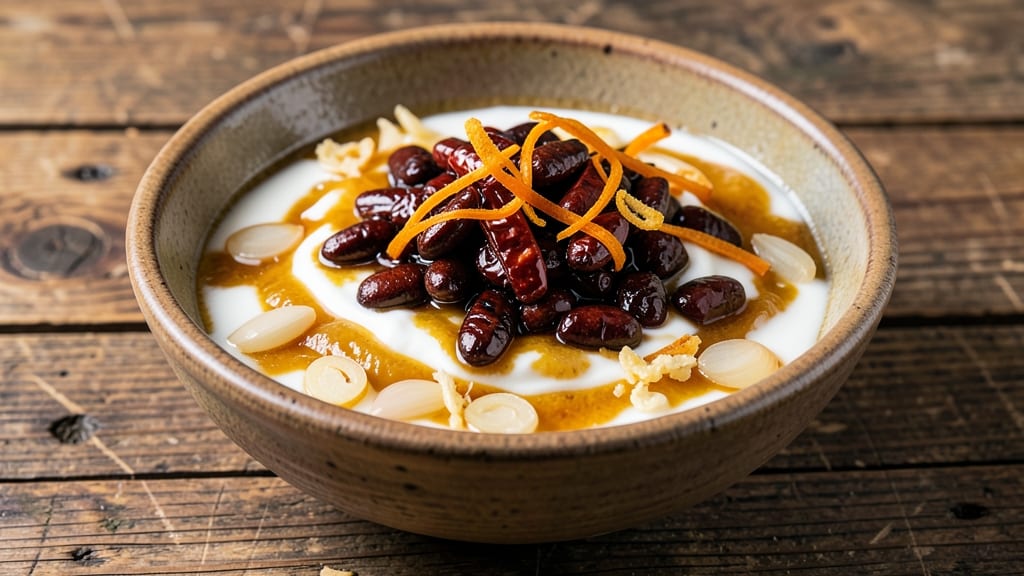
This mala sauce recipe transforms ordinary Thai dishes into bold, smoky masterpieces with just a few simple ingredients and a technique rooted in Sichuan tradition.
The secret lies in balancing coconut milk's creaminess with chili beans' fiery depth, creating a sauce that's both complex and versatile—perfect for drizzling over noodles, tofu, or grilled proteins.
I developed this version after years of refining the perfect harmony between sweet, spicy, and umami, ensuring every spoonful delivers restaurant-quality flavor without the fuss.
The foundation of great mala sauce begins with double-boiling the chili beans in coconut milk—a method that extracts their natural oils and intensifies their smoky aroma. This step, combined with aromatics like garlic and shallots, builds layers of flavor that transform basic ingredients into something extraordinary.
The sauce is naturally vegan-friendly, making it accessible for all dietary preferences while still delivering that signature Thai-Sichuan punch. What sets this recipe apart is its adaptability—adjust the spice level to your taste while maintaining that perfect balance of heat and richness.
By the time you're done, you'll have a velvety, smoky coconut chili sauce that clings beautifully to noodles, tofu, or grilled meats, adding depth and complexity with every bite. The sauce thickens slightly as it cools, creating a luxurious texture that's impossible to resist.
Whether you're serving it as a dipping sauce, a stir-fry finishing touch, or a marinade, this recipe delivers professional results in under 30 minutes—with ingredients you likely already have on hand.
This sauce keeps well in the refrigerator for up to 5 days, making it ideal for meal prep or gifting. For an extra kick, add a touch of fish sauce or soy sauce, but the base recipe stands strong on its own.
Let's get cooking—your taste buds will thank you.
Ingredients for mala sauce
Nine ingredients, one double-boil technique—this sauce delivers restaurant-level smoky Thai heat.
| Ingredient | Amount | Notes |
|---|---|---|
| Dried Sichuan Chili Beans 🌶️ | 2 tbsp | Whole, not ground or powdered |
| Full-Fat Coconut Milk 🥥 | 1 ½ cups | Canned, unsweetened, thick part only |
| Light Coconut Milk 🥥 | ½ cup | Canned, for creaminess balance |
| Garlic Cloves 🧄 | 8 cloves | Peeled, roughly chopped |
| Shallots 🧅 | 3 whole | Peeled, thinly sliced |
| Fresh Ginger 🌿 | 1 tbsp | Grated, not powdered |
| Soy Sauce 🍶 | 1 tbsp | Light or all-purpose |
| Sesame Oil 🫒 | 1 tbsp | Toasted, not flavored |
| Sugar 🍬 | 1 tbsp | White or brown |
| Vegetable Oil 🫒 | 1 tbsp | For double-boiling |
The chili beans are non-negotiable—Sichuan peppercorns add that signature numbing heat, but dried red chili beans from Asian markets or bulk bins at Whole Foods are your best bet. The coconut milk? Thai Kitchen brand or Goya cans work perfectly—just use the thick part for maximum richness. Fresh ginger and shallots should be vibrant and firm—no wrinkled or sprouting bulbs. For garlic, Elephant brand (if you can find it) has the most flavor, but store-bought works fine too.
No Sichuan peppercorns? Extra cayenne pepper (1/2 tsp) adds heat, though it won’t replicate that signature tingle. Swap light coconut milk for half-and-half (same amount) if you’re in a pinch, but the texture won’t be identical. Sesame oil out of stock? Toasted peanut oil (1 tbsp) gives a similar nutty depth. The sugar balances the heat—coconut sugar or honey work too, but white sugar dissolves cleanly. For extra umami, add 1 tsp fish sauce (if not vegan).
This sauce thickens as it cools—stir occasionally while heating to prevent scorching. Keeps 5-7 days in the fridge, sealed tightly. Freezes beautifully for up to 3 months—portion into ice cube trays for single-use servings. Double the batch—it disappears faster than you think, especially when drizzled over noodles or tofu.
Why You'll Love This Recipe
- No-Soaking Needed: Soak those Sichuan chili beans for 30 minutes? Nah. Just toss them in warm water while you chop garlic—five minutes max. That nutty, spicy depth comes through without waiting all day.
- Creamy Without the Guilt: Full-fat coconut milk makes this sauce ridiculously rich, but light coconut milk keeps it balanced. Honestly, the texture is like a hug—smooth, velvety, and not a drop of grease in sight.
- Weeknight to Party Fix: Slap this on stir-fried veggies for a Tuesday, or drizzle it over grilled fish for a Saturday brunch. My kids ask for it at school lunches, and my in-laws think I’m a chef. (Between us, it’s just 15 minutes of work.)
- Leftovers That Lie: Make a double batch—this sauce only gets better after sitting overnight. The flavors meld into something deeper, and you’ll swear you spent hours cooking. (Spoiler: You didn’t.)
Step-by-step instructions for smoky coconut chili velocity
Here's how to build this incredible sauce layer by layer—where smoky depth meets creamy richness in perfect harmony.
Toast the Sichuan Chili Beans for Maximum Flavor
Heat a dry skillet over medium heat and add the 2 tablespoons dried Sichuan chili beans. Toast them for 2-3 minutes, stirring constantly, until they develop an intense aroma and begin to darken slightly. This step is crucial—the aroma compounds will infuse the entire sauce with their signature smoky, slightly numbing complexity.
Watch closely as they toast—you want them to smell deeply aromatic but not burn. The moment they darken and fill your kitchen with that unmistakable chili aroma, remove them from heat and immediately transfer to a small bowl. Set aside for now; we'll return to them later when we need that concentrated flavor punch.
Build the Aromatic Base with Shallots, Garlic, and Ginger
In the same skillet (no need to clean it—the toasted chili beans left behind will add depth), add the 1 tablespoon vegetable oil and heat over medium-low heat. Add the 3 whole shallots and 8 cloves garlic, stirring occasionally for 5-6 minutes until they soften and turn translucent but don't brown.
Next, add the 1 tablespoon grated fresh ginger and cook for another 1 minute until fragrant. This gentle cooking process develops the natural sweetness of the shallots while preventing them from burning, which would create bitterness. The garlic and ginger should smell like a fragrant perfume—this is your flavor foundation.
Bloom the Spices and Create the Chili Paste
Return the toasted Sichuan chili beans to the skillet and add 1 tablespoon soy sauce and 1 tablespoon sugar. Stir everything together and cook for 1-2 minutes until the beans soften slightly and the mixture begins to develop a glossy sheen. This is where the magic happens—the chili beans release their oils and combine with the soy and sugar to create a complex, aromatic paste.
I like to press the beans gently with a wooden spoon during this time to help them break down and release their flavor. You'll notice the mixture darkening and becoming more cohesive—this is your base for the sauce. The sugar helps balance the heat while caramelizing slightly, adding another layer of depth.
Double-Boil the Coconut Milk for Ultra-Smooth Texture
In a separate saucepan, combine the 1.5 cups full-fat coconut milk and 0.5 cup light coconut milk over medium heat. Bring to a gentle simmer, then reduce heat to low and let it heat through until steaming gently. Here's the key: place the saucepan with the aromatic chili mixture over the simmering coconut milk, creating a double-boiler setup.
This gentle heat will allow the chili paste to melt into the coconut milk without scorching, creating an incredibly smooth sauce. Stir occasionally for 8-10 minutes until the mixture thickens slightly and becomes velvety. The coconut milk should be warm but not boiling—you're looking for a gentle, even heat that coaxes out all the flavors without breaking the emulsion.
Finish with Sesame Oil and Adjust Seasoning
Remove the sauce from heat and stir in the 1 tablespoon sesame oil. This final addition brings a nutty aroma and rich depth that ties everything together. Taste the sauce and adjust seasoning if needed—you might want to add a touch more soy sauce for saltiness or sugar to balance the heat.
The sauce should be thick enough to coat the back of a spoon but still fluid enough to drizzle. If it's too thick, whisk in a splash of hot water to reach your desired consistency. Let it sit for 5 minutes before using—this resting period allows all the flavors to meld completely, resulting in that perfect balance of smoky, spicy, and creamy that defines mala sauce.
Pro Tips For Making Mala Sauce
- Bloom the Chili Beans: Toss the dried Sichuan chili beans in a splash of warm water first—just enough to soften their skins for 10 minutes. This prevents them from exploding or floating away when you fry them later. (Yes, I’ve seen both happen, and neither is pretty.)
- Fry Garlic Low and Slow: Once the chili beans are golden, turn the heat down to medium-low for the garlic and shallots. They’ll release their oils without burning, giving that deep, nutty aroma instead of bitter smoke. I learned this the hard way—high heat turns garlic into ash.
- Blend Coconut Milk Twice: After simmering the sauce, let it cool slightly before blending—hot coconut milk separates like a bad breakup. For extra silkiness, strain it through a fine-mesh sieve to catch any stubborn bean bits. (Trust me, your mouth will notice.)
- Balance Heat with Sugar: If your sauce tastes only fiery, add a teaspoon of brown sugar or honey while blending. It mellows the heat without killing the flavor—just enough to let the coconut milk shine. (I skip this, and my taste buds revolt.)
Troubleshooting great mala sauce
Burnt Chili Beans
If your chili beans start to smell acrid or turn black during toasting, they’ve burned. This happens when heat exceeds 350°F or you walk away from the pan.
Immediately remove them from heat and discard the burned beans—replace with fresh 1 tbsp toasted chili flakes (like Penzeys brand) to salvage the sauce. The key is constant stirring and watching closely—those beans should darken but not char. 🔥
Sauce Too Thin
If your sauce is too runny after double-boiling, it likely didn’t reduce enough. Simmer uncovered for an extra 5-10 minutes on low heat, stirring occasionally.
For a quicker fix, mix 1 tsp cornstarch with 2 tbsp cold water, stir into the sauce, and cook for 2 more minutes until thickened. Avoid high heat—it can break the coconut milk’s emulsion and make the sauce separate.
Uneven Heat Distribution
When the sauce tastes unevenly spicy or lacks depth, the chili beans weren’t fully incorporated. After double-boiling, blend the sauce with an immersion blender for 10-15 seconds to ensure a smooth, consistent texture.
If you notice pockets of raw chili beans, return the sauce to low heat and stir vigorously for 3-4 minutes until fully melted and blended. 💫
Coconut Milk Separates
This happens when the sauce boils too vigorously or sits too long at high heat. To fix it, whisk in 1 tbsp coconut cream and reheat gently on low for 2 minutes, stirring constantly.
For prevention, always use a double-boiler method and avoid direct high heat. If separation persists, blend the sauce briefly to re-emulsify the oils and milk.
Lacks Depth of Flavor
If your sauce tastes flat or one-dimensional, it likely needs more aromatic development. Boost flavor by adding ½ tsp toasted cumin seeds or 1 tsp fish sauce (if not vegan) and simmering for another 3 minutes.
For extra umami, stir in 1 tsp soy sauce and let it sit for 5 minutes before using. The double-boiling process is critical—rushing it skips essential flavor extraction.
Too Spicy or Bland
Adjusting spice levels is easy: for extra heat, add ½ tsp cayenne pepper or 1 tsp chili flakes. To mellow the heat, stir in 1 tbsp more sugar or 1 tsp coconut sugar.
Taste as you go—balance is key! If the sauce tastes bland, a splash of rice vinegar (1 tsp) adds brightness, while a pinch of white pepper enhances complexity without overpowering.
Nutrition facts
Frequently asked questions
What makes this mala sauce different from traditional Sichuan mala?
This recipe blends traditional Sichuan techniques with Thai-inspired flavors by using coconut milk instead of the usual chili oil base. The double-boiling method preserves the smoky depth of Sichuan chili beans while adding creamy richness from coconut, creating a versatile sauce perfect for both noodles and vegan dishes.
Can I make this sauce without Sichuan peppercorns?
While Sichuan peppercorns add that signature numbing heat, this recipe relies on dried chili beans for the core spicy-smoky flavor. For extra depth, add ½ teaspoon cayenne pepper or 1 teaspoon toasted chili flakes when adjusting seasoning. The coconut milk will still deliver that creamy, velvety texture.
How can I use this sauce beyond noodles?
This versatile sauce elevates grilled meats, tofu stir-fries, or even as a dipping sauce for spring rolls. Try drizzling it over coconut rice bowls or using it as a marinade for shrimp skewers. The smoky-sweet balance works beautifully in both Thai-inspired dishes and fusion cuisine. For extra richness, stir in a spoonful when making curries.
Why does the recipe call for both full-fat and light coconut milk?
The full-fat coconut milk provides the creamy, velvety texture while the light coconut milk helps balance the richness. This combination creates a sauce that's thick enough to coat but still flows beautifully when drizzled. If you only have full-fat, reduce it to 1.25 cups and add 1 tablespoon coconut cream for similar results.
Can I adjust the spice level for kids or sensitive palates?
Yes! Reduce the chili beans to 1 tablespoon and add 1 extra tablespoon sugar to balance any remaining heat. For milder versions, strain out the chili beans after toasting and use only ½ teaspoon chili flakes instead. Always taste as you go—this sauce is infinitely customizable!