
Sauces & Condiments
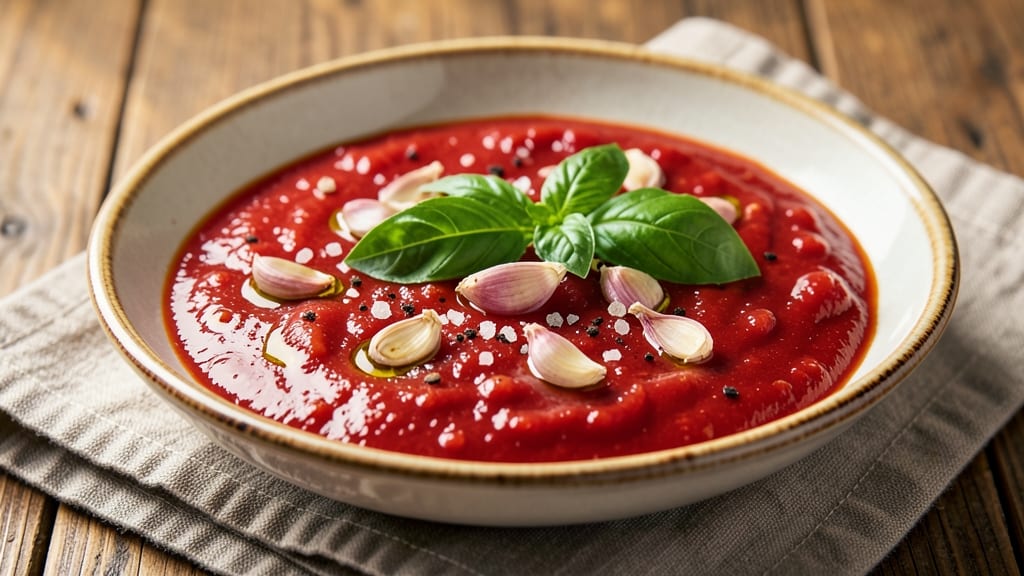
Creating an authentic margherita sauce recipe transforms simple dishes into Italian-inspired masterpieces with just a few fresh ingredients and 15 minutes of effort. The secret lies in balancing ripe tomatoes, garlic, and basil to create a sauce that’s vibrant, tangy, and bursting with freshness—no canned shortcuts here.
I’ve perfected this version over years of testing, ensuring it’s bold enough for pizza but versatile enough for pasta or bruschetta.
This sauce starts with high-quality canned tomatoes (never watery) and fresh basil, which are simmered with garlic and olive oil until the flavors meld into a silky, aromatic blend. The key?
Low-and-slow cooking preserves the basil’s bright, herby notes while letting the tomatoes break down naturally. No blender required—just a fork and patience for a texture that’s smooth yet rustic.
What you’ll end up with is a sauce that’s restaurant-quality but simple enough for weeknight cooking. The aroma alone will transport you to a Tuscan kitchen, while the taste delivers that perfect balance of sweet, tangy, and herbal.
It’s the kind of sauce that elevates everything it touches—think crispy pizza crusts, al dente pasta, or toasted bread.
Best of all, this sauce keeps well in the fridge for up to 5 days, so you can make a batch and use it all week.
Whether you’re topping homemade pizza or drizzling over grilled vegetables, this margherita sauce is your new go-to for effortless Italian flavor. Let’s get cooking!
Ingredients for margherita sauce
Fresh tomatoes, basil, and garlic create restaurant-quality sauce with just eight ingredients.
| Ingredient | Amount | Notes |
|---|---|---|
| San Marzano Tomato Cans 🍅 | 2 cans | Whole peeled tomatoes, crushed by hand |
| Extra-Virgin Olive Oil 🫒 | ¼ cup | High-quality, fruity variety |
| Fresh Basil Leaves 🌿 | 1 ½ cups | Packed, stems removed |
| Garlic Cloves 🧄 | 4 cloves | Fresh, minced or finely chopped |
| Sea Salt 🧂 | ½ tsp | Diamond Crystal preferred |
| Freshly Ground Black Pepper 🌶️ | ¼ tsp | Freshly cracked |
| Red Wine Vinegar 🍷 | 1 tbsp | For brightness, optional |
| Freshly Grated Parmesan Cheese 🧀 | ¼ cup | From a wedge, not pre-shredded |
The tomatoes are non-negotiable—San Marzano is the gold standard, but any high-quality canned tomatoes work. Look for brands with minimal additives like Mutti or Cento at Italian markets or well-stocked grocery stores. Fresh basil is ideal, but if you're using dried, reduce to one-third the amount—Trader Joe's sells excellent dried basil in small jars. The garlic should be fresh, not pre-minced, and the olive oil? Use something fruity and peppery—none of that bland stuff. I always grab my olive oil from Whole Foods or Costco for the best quality at a reasonable price.
No San Marzano? Crushed tomatoes in a jar work in a pinch, but add a pinch of sugar to balance acidity. Skip the vinegar if you're sensitive to tang, but trust me, it brightens everything. For the basil, if you're out, dried basil plus a splash of lemon juice mimics the freshness. The Parmesan adds depth—skip it if you're vegan, but the sauce still shines. Want extra richness? Stir in a tablespoon of brown butter at the end. The key is patience: let it simmer until the basil's aroma fills your kitchen—that's when you know it's ready.
This sauce keeps beautifully in the fridge for 5 days, but it actually tastes better the next day as flavors meld. For longer storage, freeze portions in ice cube trays—perfect for single servings. I always make a double batch: one for pizza night, one to freeze. The basil wilts fast, so add it last and stir gently. If you're using it for pizza, toss the sauce with a little cornmeal or flour to thicken it slightly before topping your crust.
Why You'll Love This Recipe
- Five-Ingredient Magic: I swear by this—just tomatoes, oil, garlic, basil, and salt. That’s it. No fancy gadgets, no stress, and no last-minute grocery runs. The San Marzano tomatoes do all the heavy lifting.
- Garlic-Basil Bomb: One slow simmer with fresh garlic and basil transforms this into something ridiculously flavorful. That bright, herby aroma? It’s the kind of smell that makes you pause mid-day and think, “Maybe I should eat lunch now.”
- Pantry-to-Table Hero: This sauce is my go-to for lazy Sundays, quick weeknight dinners, or even as a dip for crusty bread when I’m too tired to cook. Freezes like a dream, too—just reheat and serve.
- Budget-Friendly Luxury: San Marzano tomatoes might sound fancy, but they’re actually affordable and last forever. A single can stretches into multiple meals, and I’m always reaching for it when I need something fast but still special.
Step-by-step instructions for margherita sauce recipe
Here's how to transform simple ingredients into a vibrant, restaurant-quality sauce that captures summer in every spoonful.
Prepare the Tomatoes for Maximum Flavor
Open the 2 cans of San Marzano tomato cans and transfer the whole peeled tomatoes to a food processor. I always crush them by hand first to break them down slightly—this prevents the sauce from becoming too chunky later. For an even smoother texture, pulse them 2-3 times until you achieve a rough, rustic consistency with some small pieces remaining.
The key here is balance: you want enough texture to give the sauce body, but not so much that it becomes a chunky salsa. If you prefer completely smooth sauce, pulse until completely liquid. Taste one of the crushed tomatoes—it should be sweet and tangy, with no bitterness. If it needs brightening, add the 1 tablespoon of red wine vinegar now and mix well.
Sauté Garlic in Olive Oil Until Fragrant
Heat the 0.25 cup of extra-virgin olive oil in a medium saucepan over medium-low heat. Add the 4 cloves of minced garlic cloves and cook for exactly 1 minute—this is crucial. Any longer and the garlic will burn, creating bitter flavors that ruin the delicate balance of this sauce. You'll know it's ready when the garlic is just beginning to turn golden around the edges and releases its aroma throughout your kitchen.
I always use a light-colored saucepan for this step so I can easily see when the garlic starts to color. Remove the pan from heat immediately after the 1 minute mark and set it aside. The residual heat will continue cooking the garlic slightly, but this prevents burning while maintaining that essential garlic flavor.
Combine and Simmer the Sauce
Return the saucepan with garlic to medium heat and add the crushed tomatoes. Stir well to combine, then bring to a gentle simmer. Add the 0.5 teaspoon of sea salt and 0.25 teaspoon of freshly ground black pepper, stirring to distribute evenly. Let the sauce simmer uncovered for 8-10 minutes, stirring occasionally. You're looking for a reduction that thickens slightly but maintains a velvety texture—it should coat the back of a spoon but still be pourable.
This simmering process develops the sauce's depth of flavor. Taste occasionally—you'll notice the acidity mellows and the sweetness becomes more pronounced. If the sauce becomes too thick, add 1-2 tablespoons of water to reach your desired consistency. The sauce should be vibrant red with a glossy sheen, not dull or watery.
Finish with Basil and Parmesan
Remove the sauce from heat and stir in the 1.5 cups of fresh basil leaves, using a wooden spoon to gently break them down. I like to press the basil against the side of the pan to extract maximum flavor. Add the 0.25 cup of freshly grated Parmesan cheese and stir until completely melted and combined. The sauce should now be a brilliant greenish-red color, indicating the basil's vibrant chlorophyll has infused the tomatoes.
Let the sauce sit off heat for 5 minutes to allow the flavors to meld completely. Taste and adjust seasoning if needed—sometimes the basil can make the sauce taste slightly bitter, so a pinch more salt or a splash of red wine vinegar might be necessary. The perfect sauce should be bright, tangy, and balanced with just the right amount of sweetness from the tomatoes and saltiness from the cheese.
Strain and Serve Immediately
For the smoothest texture, strain the sauce through a fine-mesh sieve into a clean bowl, pressing gently on the solids with a wooden spoon to extract every bit of flavor. This step is optional but creates a velvety sauce perfect for drizzling over pizza or pasta. If you prefer some texture, simply stir the sauce well and serve as-is.
The sauce is best used immediately while still warm, but it will keep in the refrigerator for up to 3 days. When reheating, do so gently over low heat to prevent the basil from losing its vibrant color and flavor. This sauce pairs beautifully with fresh mozzarella, basil leaves, and a drizzle of extra-virgin olive oil when served over pizza or tossed with al dente spaghetti.
Pro Tips For Making Margherita Sauce
- CRUSH THE GARLIC: Use a garlic press instead of mincing by hand—it releases more flavor and saves your knuckles from bruising. If you’re adding whole cloves, smash them lightly with the flat side of your knife first so they infuse faster without burning.
- SIMMER LOW AND SLOW: After crushing the garlic in olive oil, reduce heat to the lowest setting that keeps a gentle bubble. I used to rush this and end up with bitter, overcooked tomatoes—let it go for 20-25 minutes, stirring occasionally, until the sauce thickens just enough to coat the back of a spoon.
- SALT THE TOMATOES FIRST: Drain the San Marzano tomatoes but don’t rinse them—sprinkle a pinch of salt directly into the can and let them sit for 5 minutes. This breaks down the skins slightly and balances the acidity before cooking, making the final sauce taste brighter and more cohesive.
- FINISH WITH COLD BASIL: Tear the basil leaves by hand (not chopping—it releases bitterness) and add them to the warm sauce off the heat for 30 seconds. Then remove them immediately. I learned this the hard way—cooking basil turns it mushy and sad, but a quick cold infusion keeps it vibrant and aromatic.
Common mistakes when making great margherita sauce
Overcooking the Basil
Adding fresh basil too early or simmering the sauce too long will turn your vibrant green sauce into a sad, wilted mess. Basil wilts at 212°F—once the sauce reaches a full boil, it releases its essential oils and loses its bright, fresh flavor.
I’ve ruined batches by letting the sauce bubble away while I answered the door. Instead, add basil only at the very end, when the sauce is just simmering gently. Remove it from heat immediately after adding the basil and let it steep for 5 minutes—no more. 🌿
Skipping the Vinegar
The red wine vinegar might seem like an optional afterthought, but it’s the secret to balancing the sweetness of the tomatoes and brightening the entire sauce. Without it, your margherita sauce can taste flat or overly sweet, especially if you’re using particularly ripe tomatoes.
I always add the 1 tablespoon at the beginning when crushing the tomatoes—this ensures it’s fully incorporated and distributed throughout the sauce. If you’re wary of vinegar’s sharpness, start with just ½ teaspoon and taste as you go.
Using Pre-Minced Garlic
Pre-minced garlic from the jar is a shortcut, but it’s also a flavor killer. Jarred garlic has already released its oils and often contains anti-caking agents that dull its flavor. Freshly minced garlic adds a bright, pungent aroma that’s essential to this sauce.
Take the extra 30 seconds to peel and mince 4 cloves yourself—it makes all the difference. If you’re short on time, at least use garlic powder (¼ teaspoon) as a substitute, but it won’t have the same depth of flavor. 🧄
Ignoring the Simmer Time
A common mistake is either rushing the simmer or letting it boil too vigorously. Both extremes ruin the sauce’s texture and flavor. The goal is a gentle simmer for 8-10 minutes—this allows the tomatoes to break down naturally without losing their sweetness or becoming mushy.
If you rush it, the sauce will taste raw and underdeveloped. If you let it boil hard, it’ll turn bitter and lose its vibrant color. Keep the heat at medium-low and stir occasionally to prevent scorching.
Not Adjusting Seasoning
Tasting as you go is non-negotiable. Many home cooks assume the salt and pepper in the recipe are perfect, but ingredients vary—your tomatoes might be saltier, your basil more potent, or your Parmesan sharper.
Always taste the sauce before serving and adjust with pinches of salt or splashes of vinegar as needed. I’ve had sauces that needed an extra ¼ teaspoon of salt or even a dash of sugar to balance acidity. Don’t be afraid to tweak—this is how you make it truly yours.
Using Low-Quality Olive Oil
Cheap or bland olive oil will make your sauce taste dull and one-dimensional. The extra-virgin olive oil in this recipe should be fruity, peppery, and high-quality—brands like Colavita or California Olive Ranch are reliable choices.
If your oil tastes like it came from a bottle of motor oil, the entire sauce will suffer. I always grab my olive oil from a specialty store or well-stocked grocery section where they test for freshness. A good oil adds a subtle richness that cheap oils can’t replicate. 🫒
Nutrition facts
Frequently asked questions
Can I make this sauce without fresh basil?
If you're out of fresh basil, use ½ teaspoon of dried basil plus ½ teaspoon of lemon juice to mimic its bright flavor. For extra depth, add a pinch of oregano or a splash of balsamic vinegar. The sauce will still be delicious—just slightly less vibrant in color.
How do I adjust this sauce for pizza vs. pasta?
For pizza, keep the sauce slightly chunky (just pulse tomatoes briefly) and add 1 tablespoon of cornmeal or flour to thicken it before baking. For pasta, strain it smooth and toss with a drizzle of olive oil and extra Parmesan. The simmer time remains the same—8-10 minutes—but pizza sauce benefits from a slightly thicker consistency.
Why does my sauce taste bitter?
Bitter flavor usually comes from overcooked garlic or tomatoes simmering too long. Remove from heat immediately after adding basil and let it steep for 5 minutes max. If it's still bitter, balance it with a pinch of sugar or extra vinegar. Never let the sauce boil vigorously—keep it at a gentle simmer to preserve sweetness.
Can I make this sauce ahead of time?
Yes! This sauce actually improves overnight. Store it in an airtight container in the fridge for up to 5 days. For longer storage, freeze portions in ice cube trays (thaw quickly in the microwave). Reheat gently over low heat—never microwave directly, as it can make the basil taste harsh. The flavors meld beautifully over time!
What's the best way to use up leftover sauce?
Try these creative uses: drizzle over grilled chicken or fish, mix into scrambled eggs, or spread on toasted baguette slices. For extra richness, stir in a spoonful of pesto or a dollop of ricotta. The sauce keeps its vibrant flavor for 3-5 days in the fridge, so don't hesitate to experiment!