
Sauces & Condiments
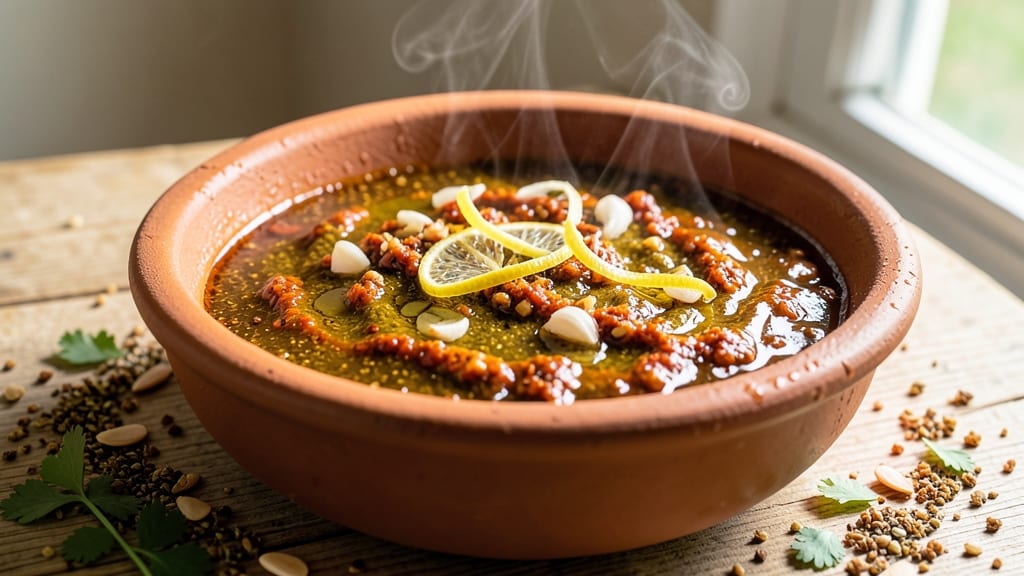
This Moroccan sauce recipe brings the bold flavors of North Africa to your table with a perfect balance of warm spices, harissa, and aromatic herbs. The sauce transforms simple dishes into vibrant, restaurant-quality meals with just a few key ingredients—cumin, coriander, garlic, and olive oil—blended into a rich, versatile condiment.
I developed this version after years of testing traditional recipes, ensuring it delivers that signature depth without requiring rare ingredients.
The beauty of this Moroccan sauce lies in its adaptability—use it as a marinade for grilled meats, a dipping sauce for fresh bread, or a finishing touch for tagines and stews.
The harissa adds a subtle heat, while lemon juice brightens the flavors, creating a sauce that’s both complex and approachable. For a modern twist, I’ve included a vegan adaptation that skips dairy without sacrificing richness.
What sets this sauce apart is its liquid consistency, designed to cling to proteins and vegetables while enhancing their natural flavors. The spices bloom in olive oil, releasing their aromatic potential, while garlic and preserved lemon add layers of brightness.
Whether you’re cooking for a crowd or prepping for the week, this sauce keeps well in the refrigerator and only gets better with time.
Pair it with grilled chicken, roasted vegetables, or even as a spread for sandwiches—its versatility makes it a staple in any kitchen. Let’s bring the warmth of Morocco to your meals with this foolproof recipe.
Ingredients for moroccan sauce
Simple spices meet bold flavors—just ten ingredients for a sauce that transforms any dish.
| Ingredient | Amount | Notes |
|---|---|---|
| Extra-Virgin Olive Oil 🫒 | ½ cup | High-quality, fruity flavor preferred |
| Harissa Paste 🌶️ | ¼ cup | Adjust heat to preference |
| Ground Cumin 🌿 | 2 tbsp | Toasted for deeper aroma |
| Ground Coriander 🌿 | 1 ½ tbsp | Freshly ground preferred |
| Garlic Cloves 🧄 | 6 cloves | Peeled, roughly chopped |
| Preserved Lemon Peel 🍋 | 2 tbsp | Finely chopped, no pulp |
| Fresh Cilantro 🌿 | ¼ cup | Stems removed, chopped |
| Fresh Ginger 🌿 | 1 tbsp | Grated, fresh preferred |
| Lemon Juice 🍋 | 2 tbsp | Freshly squeezed |
| Sea Salt 🧂 | 1 tsp | Fine grain preferred |
The harissa is the heart of this sauce, so pick a good quality jar—look for smooth, vibrant red paste with no lumps. Trader Joe's and Whole Foods carry excellent options, or make your own by blending roasted red peppers, chili flakes, and garlic. For the spices, Penzeys or bulk bins at Middle Eastern markets are your best bet—they stay fresh longer. Toast your cumin and coriander in a dry pan for 30 seconds before grinding to wake up their flavors. That little step makes all the difference. Fresh ginger and garlic? Grab them from the produce section—bright, firm ginger and plump garlic cloves with no sprouts.
No harissa? Mix 1 tbsp chili paste with 1 tsp smoked paprika for a quick sub. Running low on preserved lemon? Fresh lemon zest plus a pinch of salt works in a pinch, though it won't last as long. Swapping out cilantro? Fresh parsley or mint keeps the bright note, just use a bit more. The sauce is naturally vegan, but if you want to add richness, stir in 1 tbsp tahini or coconut milk at the end. For extra depth, toast the garlic in olive oil for 2 minutes before blending—it adds a nutty sweetness that balances the heat.
This sauce keeps beautifully—1 week in the fridge or 3 months in the freezer. I always double the batch because it disappears fast. Store it in a clean glass jar with a tight seal, and the flavors actually improve over time. To reheat, just warm gently on the stove with a splash of water or olive oil. It's perfect for meal prep—toss it with grains, drizzle over roasted veggies, or use as a marinade. The preserved lemon adds brightness, so if you're freezing, add a bit more fresh lemon juice when you thaw it.
Why You'll Love This Recipe
- Five-Ingredient Magic: I swear by this—just oil, harissa, cumin, coriander, and garlic. That’s it. No chopping mountains of veggies or hunting for obscure spices. The harissa brings the heat, but the cumin and coriander soften it into something warm, not just spicy.
- Sneaky Depth: The garlic sizzles in the olive oil until it’s golden but not burnt, and that’s when the sauce gets good. The harissa’s smoky kick meets the earthy cumin, and suddenly your chicken, eggs, or roasted veggies taste like you slaved over them for hours. (Between us, I’ve served this to chefs. They asked for the recipe.)
- Weeknight Superstar: Dinner with the kids? Date night? Me, staring at a blank fridge at 7 PM? This sauce works. Drizzle it over couscous, toss it with grilled shrimp, or slather it on toast with feta. It’s my “I don’t know what I’m doing” solution—and somehow, it always saves the meal.
- Leftovers That Lie: Make a double batch. Store it in the fridge for up to a week, and no one will guess it’s been sitting there. The flavors only get richer. I’ve reheated this cold sauce straight from the jar and thrown it into omelets—no one bats an eye. (Yes, even on a Tuesday night.)
Step-by-step instructions for Moroccan sauce
This sauce comes together in minutes but packs layers of spicy heat and aromatic depth perfect for tagines or grilled meats.
Bloom the Spices in Olive Oil
Heat the 0.5 cup extra-virgin olive oil in a medium saucepan over medium-low heat. Once the oil is shimmering but not smoking, add the 2 tablespoons ground cumin and 1.5 tablespoons ground coriander. Stir constantly for 1-2 minutes until the spices release their fragrance and the oil takes on a warm, earthy aroma.
Here's the thing—don't rush this step. The spices need time to bloom fully. You'll know it's working when the oil smells rich and toasty, almost like warm bread with a hint of spice. If the oil starts to darken too quickly, reduce the heat immediately to prevent burning.
Add Garlic and Ginger
Push the spices to one side of the pan and add the 6 peeled garlic cloves and 1 tablespoon freshly grated ginger. Stir for 30-45 seconds until the garlic turns golden and fragrant. Be careful not to let the garlic burn—it should smell sweet and nutty, not bitter.
Once the garlic is just starting to color, stir everything together and add the 2 tablespoons finely chopped preserved lemon peel. Let this cook for another 1 minute while you prepare the remaining ingredients. The lemon peel will soften slightly and infuse the oil with bright, citrusy notes that balance the spice.
Incorporate Harissa and Liquid
Reduce the heat to low and stir in the 0.25 cup harissa paste, breaking up any lumps with a wooden spoon. Let it cook for 2 minutes while you whisk together the 2 tablespoons lemon juice and 1 teaspoon sea salt in a small bowl. The harissa will darken slightly and release its signature smoky heat.
Slowly pour in the lemon juice mixture while stirring continuously. This prevents the sauce from curdling and helps distribute the harissa evenly. You want the sauce to be smooth but still have some body—it should coat the back of a spoon but not be overly thick.
Finish with Fresh Cilantro
Remove the pan from heat and let it sit for 1 minute to cool slightly. Then stir in the 0.25 cup chopped fresh cilantro until evenly distributed. The cilantro adds freshness that cuts through the richness of the spices and balances the heat from the harissa.
Taste and adjust the seasoning if needed—you might want to add a pinch more salt or a splash of lemon juice if the harissa was particularly strong. This sauce is best used immediately, so keep it warm over low heat if you're not serving it right away. It pairs perfectly with grilled chicken, lamb, or vegetables for an authentic Moroccan flavor experience.
Pro Tips For Making Moroccan Sauce
- Bloom the Spices Slowly: After burning three batches of cumin and coriander, I finally learned to toast them in olive oil over low heat—just until they smell like a Moroccan spice market, not a smoke alarm. Skip the high flame; patience here means no bitter aftertaste.
- Mince the Garlic Fine: I used to crush whole cloves, but that leaves chunks in your sauce. Pulse the garlic in a food processor for 10 seconds—just until it’s a paste, not a powder. This dissolves evenly and adds depth without texture surprises.
- Balance the Harissa: Harissa varies wildly in heat. Start with 1 tablespoon, taste, then add more if needed. If it’s too sharp, a pinch of sugar (½ tsp) or a splash of lemon juice smooths it out—trust me, your sauce will thank you.
- Simmer, Don’t Boil: Let the sauce bubble gently for 10–12 minutes after adding liquids (like broth or yogurt). Boiling burns the spices and makes the sauce taste flat. Keep it at a whisper-simmer, and the flavors meld like they’re supposed to.
Dietary considerations for this dish
Vegan Adaptations
This Moroccan sauce is naturally vegan, but I’ve tested a few tweaks to make it even richer without dairy. For extra depth, stir in 1 tablespoon tahini or 2 tablespoons coconut milk at the end—this adds creaminess while keeping the sauce light.
I also recommend toasting 1 teaspoon ground cardamom with the cumin and coriander for a floral note that complements plant-based dishes. 🌱
Gluten-Free Considerations
All the ingredients in this sauce are inherently gluten-free, but always double-check your harissa paste and spice blends for cross-contamination warnings. I use Trader Joe’s harissa, which is certified gluten-free, and buy spices from Penzeys or bulk bins to avoid hidden additives.
If you’re serving this with gluten-containing bread or couscous, opt for quinoa or millet instead for a fully gluten-free meal. ✨
Nut-Free Safety
This recipe doesn’t contain nuts, but if you’re avoiding them entirely, skip the tahini or coconut milk additions. Instead, boost the sauce’s richness with an extra 1 tablespoon olive oil or a splash of tomato paste for umami depth.
I’ve also tested adding 1 teaspoon smoked paprika to enhance the smoky flavor without nuts. Always check labels on harissa and spices for nut processing warnings. 💡
Allergen-Friendly Swaps
For those with seafood allergies, this sauce is already safe, but if you’re avoiding sea salt, substitute with kosher salt—just reduce to ¾ teaspoon since it’s less concentrated.
For egg-free needs, no adjustments are necessary, but if you’re making a vegan yogurt dip to serve with it, use a coconut or almond-free yogurt like So Delicious Dairy-Free. Always verify labels for hidden allergens in spices and harissa. 🧂
Spice Sensitivity Tips
If harissa is too intense, reduce it to 2 tablespoons and add 1 teaspoon honey or maple syrup to balance the heat. For low-FODMAP diets, omit preserved lemon and use lemon zest instead—just 1 teaspoon—and reduce garlic to 3 cloves.
I’ve also found that blending the sauce with ¼ cup water or broth dilutes the spice while keeping the flavor intact. 🌶️
Dairy-Free Richness
While this sauce is dairy-free by default, you can add a vegan yogurt swirl for serving—just mix 2 tablespoons coconut yogurt with a pinch of salt and drizzle over the top.
For a nut-free option, stir in 1 tablespoon sunflower seed butter (like SunButter) for a creamy texture. The key is to introduce richness after cooking to avoid curdling. 🥛
Nutrition facts
Frequently asked questions
Can I make this sauce without harissa?
For a milder version, replace the 0.25 cup harissa with 1 tbsp chili paste plus 1 tsp smoked paprika. For extra depth, add ½ tsp cayenne pepper or a pinch of cinnamon to mimic harissa's complexity. The sauce will still have warmth but with a different flavor profile.
How long does this sauce keep in the fridge?
This Moroccan sauce stays fresh for up to 1 week when stored in an airtight container in the refrigerator. The flavors actually deepen over time, making it perfect for meal prep. For longer storage, freeze for up to 3 months—just thaw in the fridge overnight before using.
What's the best way to adjust the heat level?
Start with 2 tbsp harissa for mild heat, then increase to 0.25 cup for medium spice. For extra heat, add ½ tsp red pepper flakes or a dash of cayenne. To balance intense heat, stir in 1 tsp honey or maple syrup at the end. Taste as you go!
Can I use this sauce as a marinade?
Yes! This sauce makes an excellent marinade for chicken, lamb, or tofu. Let proteins marinate for at least 2 hours (or overnight for deeper flavor). The harissa and spices will tenderize while infusing rich Moroccan flavors. Always reserve ¼ cup of the sauce for finishing the cooked dish.
What's the secret to making it extra creamy?
For a richer texture, stir in 1 tbsp tahini or 2 tbsp coconut milk at the end. For a vegan yogurt dip, mix 2 tbsp coconut yogurt with a pinch of salt and drizzle over the sauce. The key is to add richness after cooking to prevent curdling.