
Sauces & Condiments
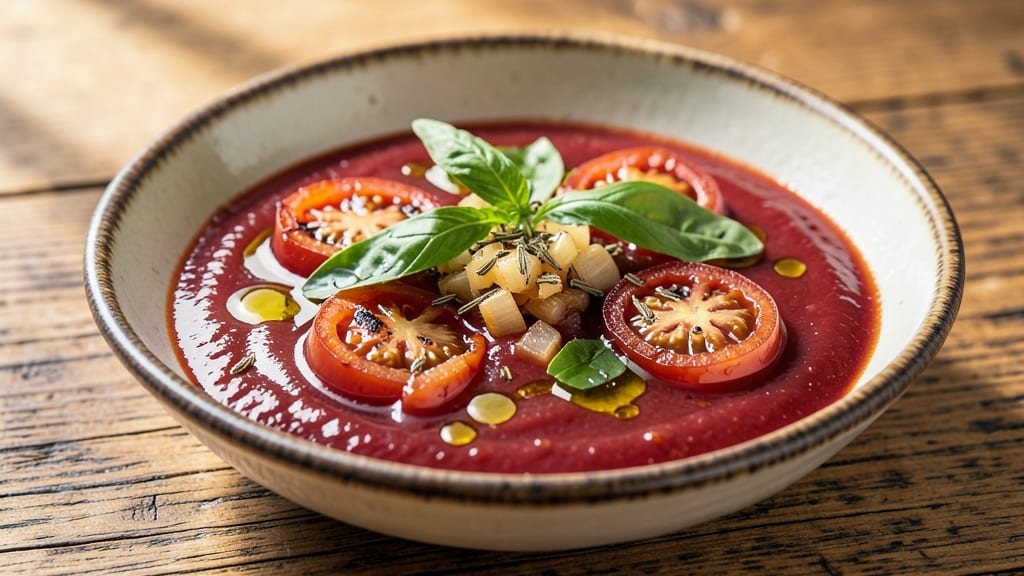
Creating a rich, no-peel tomato sauce recipe that rivals fresh ingredients is simpler than you think—this pantry-only simmer delivers bold, bright flavor without the hassle of peeling tomatoes. The secret lies in using canned tomatoes and a few key pantry staples to build depth while keeping the process straightforward.
I’ve perfected this sauce over years of testing, ensuring it works every time with minimal effort.
This recipe transforms basic canned tomatoes into a velvety, aromatic sauce through slow simmering and careful seasoning. No special equipment is needed—just a pot, a wooden spoon, and about 45 minutes of hands-off cooking time.
The result is a sauce that’s smooth enough for lasagna or chunky enough for bruschetta, all while preserving that fresh-tomato brightness you’d expect from scratch.
What sets this sauce apart is its versatility and professional results with pantry ingredients. The slow simmer caramelizes natural sugars, intensifying flavor without browning, while garlic and herbs add layers of complexity.
Whether you’re prepping for a week of meals or need a quick sauce for tonight’s pasta, this method delivers consistent, restaurant-quality taste.
Store it in the fridge for up to a week or freeze for months—perfect for meal prep or gifting. Let’s get started with this foolproof, no-peel technique that transforms simple ingredients into something extraordinary.
Ingredients for no peel tomato sauce
Nine pantry staples transform canned tomatoes into velvety, restaurant-quality sauce with zero peeling.
| Ingredient | Amount | Notes |
|---|---|---|
| Canned San Marzano Tomatoes 🍅 | 28 oz | Crushed by hand, seeds removed |
| Extra-Virgin Olive Oil 🫒 | ¼ cup | High-quality, fruity variety |
| Yellow Onion 🧅 | 1 whole | Finely diced, about 1 cup |
| Garlic Cloves 🧄 | 4 cloves | Minced, skin-on for flavor |
| Fresh Basil Leaves 🌿 | ½ cup | Packed, stems removed |
| Dried Oregano 🍃 | 1 tsp | Mexican oregano preferred |
| Red Wine Vinegar 🍷 | 1 tbsp | For brightness, optional |
| Diamond Crystal Kosher Salt 🧂 | 1 ½ tsp | Adjust to taste |
| Black Peppercorns 🌶️ | ½ tsp | Freshly cracked |
| Granulated Sugar 🍚 | 1 tsp | Balances acidity |
San Marzano tomatoes are the gold standard for canned tomatoes—their sweetness and low acidity create the perfect base. Whole Foods or Trader Joe's carry them year-round, but any high-quality crushed tomatoes work in a pinch. The key is crushing them by hand to control texture; avoid pre-crushed cans which often contain excess liquid. For onions, yellow or red both work, but yellow has a slightly sweeter profile when caramelized. Garlic should be fresh; the skin-on cloves add subtle bitterness that elevates the sauce. Fresh basil is non-negotiable here—dried simply won't cut it—but if you must use dried, reduce to one-third the amount and add it at the very end.
No fresh basil? Substitute with 1 tbsp dried basil plus 1 tsp dried marjoram for depth, though texture will differ. Running out of red wine vinegar? Lemon juice works 1:1, though it adds citrus notes. The sugar can be swapped for honey or maple syrup at the same ratio, though granulated dissolves more smoothly. For a deeper umami profile, add 1 tsp fish sauce or soy sauce with the vinegar. The olive oil must be extra-virgin—cheaper varieties can taste bitter when heated. If you're making this for a crowd, double the batch; the sauce thickens as it cools, so plan accordingly.
This sauce thickens beautifully when refrigerated—stir in a splash of water if it becomes too stiff. Store in airtight containers for up to 1 week in the fridge or 6 months frozen. For freezing, portion into ice cube trays before transferring to bags; this makes it perfect for meal prep. Never reheat directly from frozen—thaw overnight in the fridge first. The sauce gains complexity over time, so day-old tastes better than fresh. Label containers with dates to track freshness.
Why You'll Love This Recipe
- No Chopping Needed: I’ll admit it—this is the kind of recipe that makes me feel lazy in the best way. The San Marzano tomatoes come pre-peeled, so I’m not standing there with a bowl of boiling water and a spoon, scraping off skins. Just open the can, dump, and stir.
- Garlic-Basil Magic: Honestly, the moment I smell that garlic sizzling in the olive oil with the onions, I know I’m onto something good. The fresh basil at the end? It’s like a little burst of summer—bright, aromatic, and impossible to resist.
- Pasta Party Ready: Between us, this sauce is my go-to for everything from spaghetti to lasagna, and even as a pizza base. I’ve used it for potlucks, weeknight dinners, and even frozen it for those nights when I’d rather not cook at all.
- Budget-Friendly Pantry Hero: Here’s what sold me—this recipe costs me pennies per serving. A few cans of tomatoes, a bulb of garlic, and a bunch of basil stretch across multiple meals. Plus, leftovers taste just as good reheated the next day.
Step-by-step instructions for no-peel tomato sauce
This pantry-only method transforms simple ingredients into a restaurant-quality sauce with depth and brightness.
Sauté Aromatics Until Fragrant
Heat the 0.25 cup extra-virgin olive oil in a heavy-bottomed saucepan over medium-low heat. Add the 1 whole yellow onion, finely diced, and cook for 8-10 minutes until the onions become translucent and begin to caramelize at the edges. This slow cooking develops sweetness without burning.
Add the 4 cloves garlic cloves, minced with skins left on for extra flavor, and cook for 1-2 minutes until the garlic releases its aroma but doesn't brown. The skins will infuse subtle bitterness that balances the sauce. Remove the pan from heat temporarily to prevent burning—garlic turns bitter quickly.
Build the Sauce Base with Tomatoes and Seasonings
Return the pan to medium heat and add the 28 oz canned San Marzano tomatoes, crushed by hand with seeds removed. Stir to combine with the aromatics, then add the 1 tbsp red wine vinegar, 1.5 tsp diamond crystal kosher salt, 0.5 tsp black peppercorns, and 1 tsp granulated sugar. The vinegar brightens the tomatoes while the sugar balances their natural acidity.
Bring the mixture to a gentle simmer, then reduce heat to low. Let it cook uncovered for 30-40 minutes, stirring occasionally. You're looking for a sauce that thickens naturally as moisture evaporates—it should coat the back of a spoon but remain silky, not gluey. The longer it simmers, the more concentrated the flavor becomes.
Incorporate Herbs and Finish with Precision
Remove the pan from heat and stir in the 0.5 cup fresh basil leaves, packed and stems removed. Let the basil steep for 5 minutes—this infuses the sauce with vibrant flavor without overpowering it. The basil should soften slightly but remain identifiable as fresh basil in each bite.
Taste the sauce and adjust seasoning if needed. The sugar should mellow the acidity, the salt should enhance the tomatoes, and the vinegar should add a subtle tang. If the sauce is too thick, whisk in 1-2 tablespoons of water to reach a velvety consistency. Serve immediately or store for later use—this sauce only improves with time.
Rest and Serve for Maximum Flavor Development
Transfer the sauce to a clean jar or container and let it rest at room temperature for at least 30 minutes before serving. This resting period allows flavors to meld and the sauce to thicken further. The longer it rests, the deeper the flavor profile becomes.
Serve the sauce warm over pasta, drizzled with additional extra-virgin olive oil, or paired with grilled meats. The bright acidity and sweetness will complement rich dishes beautifully. For best results, use within 5-7 days when stored in the refrigerator, though the flavor continues to develop over time.
Pro Tips For Making No Peel Tomato Sauce
- Crush Garlic Properly: No, don’t mince it—crush those cloves with the flat side of your knife first. This releases more flavor without burning, and you’ll taste it in every spoonful. (Yes, it takes 10 seconds extra, but your sauce will thank you.)
- Sweat Onions Low: I used to rush this and end up with bitter onions. Cook them over medium-low heat with a splash of water until fully translucent—about 8-10 minutes. If they stick, you’re going too fast.
- Salt the Tomatoes: Drain the San Marzano cans, then sprinkle them with ½ teaspoon salt right in the can. Let sit 10 minutes before crushing—this breaks down the skins better and balances the acidity. (Trust me, your texture will be smoother.)
- Finish with Oil: Stir in a generous glug of extra-virgin olive oil at the very end—about 2 tablespoons. It coats the basil and mellows the acid, making the sauce taste richer without overpowering. (Cold oil works best; don’t heat it first.)
Storing and reheating this no peel tomato sauce
Fridge Storage Essentials
Transfer your cooled sauce to airtight glass containers—I recommend Pyrex or Le Creuset for their durability and heat resistance. Leave about ½ inch of headspace to prevent oxidation and preserve freshness.
Store in the fridge at 40°F or below for up to 7 days, though the flavor actually deepens after 24 hours. The sauce will thicken slightly as it rests, so stir in 1-2 tablespoons of water if needed before reheating. 🥫
Freezer Prep for Meal Prep
For long-term storage, portion sauce into silicone ice cube trays before transferring to freezer bags—this makes it perfect for single servings later. Squeeze out excess air to prevent freezer burn, then label with the date.
The sauce maintains quality for up to 6 months when frozen. Thaw overnight in the fridge before reheating—never microwave directly from frozen to avoid texture breakdown. 🧊
Reheating Like a Pro
For stovetop reheating, transfer sauce to a saucepan and warm over low heat with 1-2 tablespoons of water to prevent scorching. Bring to a gentle simmer and cook for 5-7 minutes, stirring occasionally.
For microwave reheating, use 30-second intervals on 50% power, stirring between each interval until heated through. Always taste and adjust seasoning after reheating—salt and acidity often intensify during storage. 🔥
Reviving Thickened Sauce
If your refrigerated sauce has thickened too much, simply whisk in 1 tablespoon of water or pasta water at a time until you reach your desired consistency.
For a smoother texture, blend briefly with an immersion blender—this works particularly well if you prefer a velvety finish for dishes like lasagna. Avoid adding liquid before reheating, as it can dilute the concentrated flavors you've built through simmering. 💫
Flavor Evolution Over Time
The beauty of this sauce is how it improves with age. After 3-4 days in the fridge, the flavors meld more harmoniously, and the acidity becomes perfectly balanced. For best results, make a fresh batch every 5-7 days to maintain peak brightness.
If you notice any off odors or slimy texture, discard immediately—properly stored sauce should never develop these issues. 💡
Portion Control Tips
Use small glass jars (like 8-ounce mason jars) for single servings to reheat only what you need. These jars are perfect for storing in the fridge door where they're easily accessible.
For meal prep, divide sauce into 4-ounce portions—this makes it ideal for adding to pasta, soups, or as a topping for bruschetta. The smaller portions also reheat more evenly. ✨
Nutrition facts
Frequently asked questions
Can I use regular canned tomatoes instead of San Marzano?
Yes, but the flavor will differ. San Marzano tomatoes are sweeter and less acidic, creating a more balanced sauce. For a budget-friendly version, use high-quality crushed tomatoes (like Muir Glen) and add ½ teaspoon more sugar to compensate for higher acidity. The texture will be slightly less refined but still delicious.
Why does my sauce turn out watery even after simmering?
This usually happens when the tomatoes release too much liquid during cooking. To fix it, simmer uncovered for 5-10 extra minutes to evaporate excess moisture, or stir in 1 tablespoon of tomato paste at the end to thicken. For future batches, crush tomatoes more thoroughly to reduce liquid content.
Can I make this sauce in a slow cooker?
Sauté the onions and garlic first, then transfer everything to the slow cooker and cook on low for 4-5 hours or high for 2-3 hours. The slow cooker enhances flavor development through gentle heat. Stir occasionally to prevent sticking, and adjust seasoning at the end since slow cooking can intensify flavors.
How can I make this sauce spicier?
Add ½ teaspoon of red pepper flakes or 1-2 chopped fresh chili peppers (like jalapeño) with the aromatics. For heat without texture, stir in 1 teaspoon of hot sauce or ½ teaspoon cayenne pepper at the end. Always taste first—spices intensify during simmering.
Will this sauce work for vegetarian dishes?
Perfectly! This sauce is already vegetarian-friendly and pairs beautifully with dishes like veggie lasagna, stuffed bell peppers, or as a marinara for plant-based meats. The umami from garlic and tomatoes makes it versatile for any vegetarian meal.