
Sauces & Condiments
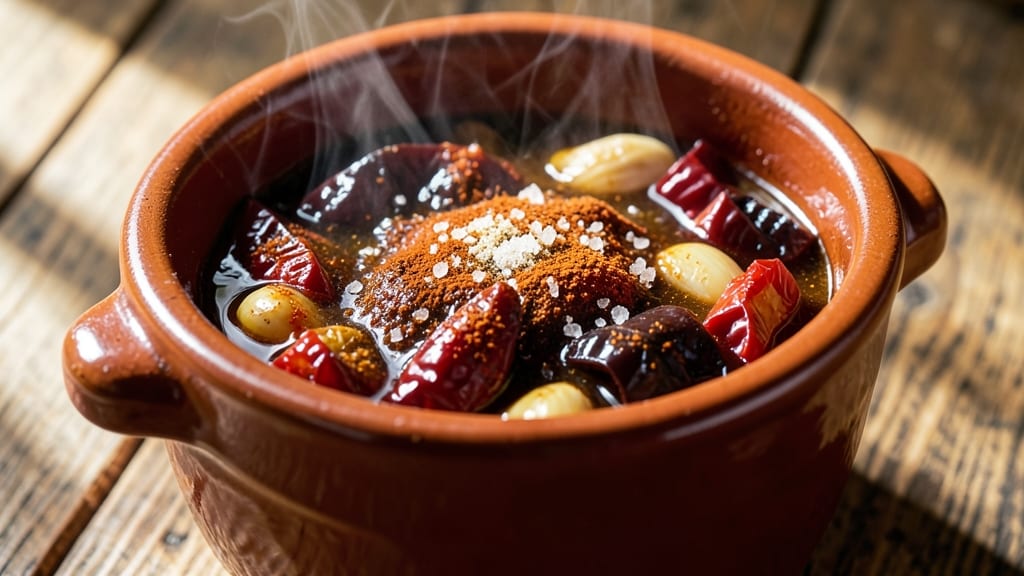
This old-fashioned Southern pepper sauce recipe delivers the smoky, tangy heat that makes wings and fries unforgettable. I’ve perfected it over years of testing, balancing vinegar’s sharp bite with slow-cooked peppers and spices until the flavors meld into something addictive. The key? Simmering, not blending—this isn’t just heat, it’s depth.
The sauce starts with cayenne, smoked paprika, and a splash of apple cider vinegar, which cuts through the richness while preserving that classic Southern tang. You’ll reduce it until syrupy, ensuring every drop clings to crispy wings or golden fries.
No shortcuts here—just traditional techniques that build flavor layer by layer.
What you’ll end up with is a glossy, spicy-sweet sauce that’s bold enough for game day but versatile enough for everyday meals. It keeps for months in the fridge, so you’ll always have that perfect balance of heat and tang at your fingertips. Ready to make it?
This isn’t just a sauce—it’s the secret weapon behind the best Southern-style dishes. Whether you’re dipping, drizzling, or basting, the results will be restaurant-quality every time. Let’s get started.
Ingredients for old fashioned southern pepper sauce
Nine simple ingredients transform into the smoky, tangy sauce Southern kitchens swear by.
| Ingredient | Amount | Notes |
|---|---|---|
| Apple Cider Vinegar 🍏 | 1 cup | Raw, unfiltered preferred |
| Smoked Paprika 🌶️ | 3 tbsp | High-quality, not pre-mixed |
| Cayenne Pepper 🔥 | 1 ½ tbsp | Adjust for desired heat |
| Granulated Sugar 🍚 | ½ cup | Light brown sugar works too |
| Garlic Cloves 🧄 | 4 cloves | Minced, not powdered |
| Onion Powder 🧅 | 1 tbsp | Freshly ground preferred |
| Ground Black Pepper 🌶️ | 1 tsp | Freshly cracked preferred |
| Salt 🧂 | 1 tsp | Kosher or sea salt |
| Fresh Red Bell Pepper 🍅 | 1 whole | Roasted for smokiness |
| Extra-Virgin Olive Oil 🫒 | 2 tbsp | For finishing, high quality |
The apple cider vinegar is non-negotiable—raw, unfiltered from Bragg or a local orchard delivers that authentic tang. Smoked paprika? Penzeys or the bulk bins at Whole Foods have the best quality. Roast that red bell pepper first—char it under the broiler for 8-10 minutes, then peel off the skin. The smokiness from the pepper and paprika is what makes this sauce sing. I always double the spices because once you taste homemade, store-bought just won't cut it.
No smoked paprika? Substitute with 1 tbsp regular paprika plus 1 tsp liquid smoke—it's not identical, but close. Cayenne too spicy? Swap for red pepper flakes at half the amount. Brown sugar out of stock? White sugar works fine. Fresh garlic and onion powder are ideal, but garlic powder at double the amount gets you close. The olive oil matters here too—use something you'd drizzle on bread, not the cheap stuff. And trust me, the extra 2 minutes to roast the pepper makes all the difference.
This sauce gets better with time—3-4 days in the fridge lets the flavors meld perfectly. Store it in a clean glass jar with a tight lid. It keeps for up to 6 months in the fridge, so make a big batch. I always portion mine into small jars for easy dipping—game day wings, fries, or even as a marinade for ribs. The longer it sits, the more complex it gets. Freeze extras in ice cube trays if you want to use it in small amounts later.
Why You'll Love This Recipe
- Pantry Magic: I’ll bet you’ve got every single ingredient already—no last-minute grocery runs. That smoky-sweet balance from the vinegar and paprika? It’s like a flavor shortcut that still tastes homemade.
- Heat You Control: The cayenne gives it that classic kick, but here’s the thing: I start with a teaspoon and adjust as I go. Too mild? Add more. Too wild? A splash of vinegar tames it. No guesswork, just real-time tweaking.
- Every Meal’s BFF: This sauce turns boring into wow—drizzle it on fried chicken, toss it with deviled eggs, or even mix it into mayo for sandwiches. Honestly, I’ve lost count of how many ways I’ve used it, and I’m still finding new favorites.
- Lasts Like a Champ: Make a big batch (it’s cheap to do!) and it keeps for months in the fridge. I’ve got jars of this stuff from last summer’s harvest—still bright, still punchy. Perfect for when you’re in a rush or just don’t feel like cooking.
Step-by-step instructions for old fashioned Southern pepper sauce
Here's how to make this iconic sauce that delivers smoky depth and perfect heat every time.
Roast the Bell Pepper for Smoky Depth
Preheat your oven to 450°F and place the whole fresh red bell pepper directly on a baking sheet. Roast for 25-30 minutes until the skin blackens and blisters in several places. The pepper should smell intensely sweet and smoky when you open the oven door.
Transfer the roasted pepper to a bowl, cover it with plastic wrap, and let it steam for 10 minutes. This makes the skin slip right off. Once cool enough to handle, peel away the charred skin, then slice open the pepper and remove the seeds and membranes. The flesh should be soft and richly colored from the roasting process.
Cook the Aromatics and Sugar
In a medium saucepan, combine the 2 tablespoons extra-virgin olive oil and place over medium heat. Add the 4 cloves minced garlic and cook for 30 seconds until fragrant—don't let it brown or it'll turn bitter. Immediately add the 0.5 cup granulated sugar and stir until it dissolves completely.
Next, add the 1 tablespoon onion powder, 1 teaspoon salt, and 1 teaspoon ground black pepper. Stir constantly for 1-2 minutes until the sugar begins to caramelize slightly and the spices are fully incorporated. You'll notice the mixture darkens and smells deeply aromatic.
Build the Sauce Base
Pour in the 1 cup apple cider vinegar and bring the mixture to a gentle boil. Reduce heat to medium-low and let it simmer for 5 minutes, stirring occasionally. This step develops the sauce's tangy foundation and helps integrate all the flavors.
Add the roasted bell pepper flesh and the 3 tablespoons smoked paprika, stirring well to combine. The pepper will break down as it simmers, releasing its smoky sweetness. Keep the sauce at a steady simmer for another 5 minutes, until it thickens slightly but remains pourable.
Add Heat and Finish
Carefully whisk in the 1.5 tablespoons cayenne pepper—this is where the sauce gets its signature kick. Start with 1 teaspoon and taste, then add the remaining 1 tablespoon gradually if you want more heat. Simmer for another 3-5 minutes to let all the flavors meld together.
Remove the sauce from heat and let it cool completely. The sauce will thicken as it cools, developing a glossy sheen and perfect consistency. For best results, refrigerate for at least 1 hour before serving—this allows all the flavors to fully develop and the heat to mellow slightly.
Adjust and Store Properly
Once cooled, taste the sauce and adjust seasoning if needed. You might need a touch more salt or cayenne to balance the flavors perfectly. The sauce should be tangy, smoky, and have a pleasant heat that lingers without being overwhelming.
Transfer the sauce to a clean glass jar with a tight-sealing lid. It will keep in the refrigerator for up to 3 months, though I find it's best used within 2 weeks for maximum freshness. This sauce is incredible on fried chicken, wings, fries, or even as a marinade for meats.
Pro Tips For Making Old Fashioned Southern Pepper Sauce
- Simmer Low and Slow: After burning the first batch, I learned this sauce demands patience—keep it at a gentle boil, not a rolling one. Too much heat turns the vinegar harsh and the sugar grainy; you want a steady, quiet simmer for at least 20 minutes to blend flavors evenly.
- Toast the Paprika: Dry-toast the smoked paprika in a skillet for 30 seconds before adding it to the vinegar—it deepens that smoky aroma and prevents clumping. I used to just toss it in raw, and the flavor never felt as rich.
- Mince Garlic Fine: Skip the press and finely mince the garlic with a knife—it dissolves smoothly into the vinegar instead of sitting in clumps. (Yes, even if you’re impatient like me, this makes a real difference.)
- Strain the Cayenne: If you’re using whole cayenne pods, strain the sauce through a fine-mesh sieve to avoid mouthfuls of heat. I’ve seen people skip this, but the texture’s noticeably cleaner—and you can adjust spice levels with a pinch of powdered cayenne later.
Pro cooking tips for perfect results
Simmering Technique
This sauce isn’t made by blending raw ingredients—it’s built through slow simmering to develop deep, complex flavors. I always use a medium-low heat setting to prevent scorching, stirring frequently to distribute heat evenly. The key is patience: 15-20 minutes of simmering transforms raw spices into a cohesive, aromatic sauce. 🌡️
Vinegar Selection Matters
Never use white vinegar—apple cider vinegar is non-negotiable for that authentic Southern tang. I prefer raw, unfiltered Bragg for its robust flavor and slight sweetness. If you can’t find it, white vinegar works in a pinch, but the sauce will taste sharper and less balanced.
Always taste after adding vinegar to adjust sweetness.
Roasting the Pepper
The roasted bell pepper adds smoky depth that store-bought sauces can’t replicate. Char it under the broiler for 8-10 minutes, then peel off the skin while warm.
The residual heat helps break down the pepper’s flesh during simmering, releasing its natural sweetness. Skip this step, and your sauce will lack complexity. 🔥
Heat Control
Cayenne pepper is potent—start with 1 teaspoon, taste, then add the remaining 1 tablespoon gradually. For milder heat, substitute red pepper flakes at half the amount. The sauce should have a lingering warmth, not an overwhelming burn. Adjust while simmering for perfect balance.
Caramelizing the Sugar
Stirring the sugar over medium heat until it caramelizes slightly adds a subtle sweetness that rounds out the acidity. Don’t walk away—1-2 minutes of constant stirring prevents burning. The aroma alone tells you it’s working. This step is what makes the sauce taste homemade, not bottled.
Resting Before Use
Let the sauce cool completely and refrigerate for at least 1 hour before serving. This allows flavors to meld and the heat to mellow slightly. The texture will thicken naturally, becoming glossy and clingy—perfect for dipping or basting.
Skipping this step means missing out on the full depth of flavor. ⏳
Nutrition facts
Frequently asked questions
Can I make this sauce without roasting the bell pepper?
The roasted pepper adds essential smoky depth that sets this sauce apart. For a quick version, substitute with 1 tablespoon liquid smoke plus 1 tablespoon tomato paste—it won't be identical, but it'll still deliver heat and tang. The texture will be slightly thinner, though.
How do I adjust the heat level for sensitive eaters?
Start with just ½ teaspoon cayenne and taste frequently. For milder heat, swap cayenne for red pepper flakes at half the amount (¾ teaspoon total). The vinegar's acidity helps balance any lingering spice, so don't rush the simmering time—patience ensures smooth heat.
Can I use this sauce as a marinade for meats?
This sauce works beautifully as a marinade for chicken, ribs, or pork—its acidity tenderizes while the spices infuse flavor. Use it undiluted for 1-2 hours max (longer can make meat mushy). For extra richness, brush on during the last 10 minutes of grilling or baking.
Why does my sauce turn out too thin or too thick?
Sauce consistency depends on simmering time and cooling. For thicker sauce, simmer 5-10 minutes longer until syrupy. Too thick? Thin with 1 teaspoon vinegar at a time while warm. Always refrigerate before judging thickness—it naturally thickens as it cools. A glossy, pourable consistency is ideal for dipping.
What's the best way to store homemade pepper sauce?
Transfer to a clean glass jar with a tight lid and refrigerate. It keeps for 3 months but tastes best within 2 weeks. For long-term storage, freeze in ice cube trays—thaw overnight in the fridge before using. The vinegar acts as a natural preservative, but always check for mold if storing beyond 3 months.