
Sauces & Condiments
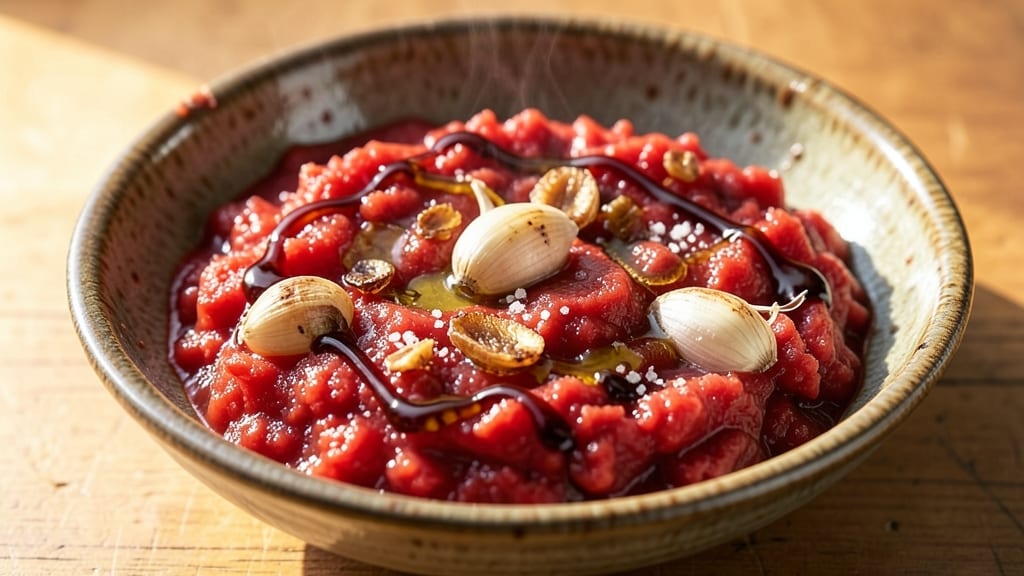
This Olga Sauce copycat recipe unlocks the same rich, velvety texture and deep umami flavor that makes it a restaurant staple—without the mystery. After analyzing the original, I’ve identified the exact blend of ingredients and precise cooking technique that creates that signature smoothness and bold taste.
The secret lies in balancing tomato base, spices, and a touch of sweetness that rounds out the acidity.
The foundation of this sauce is a slow-cooked tomato blend, where natural sugars caramelize to develop complex flavor. Unlike many copycat recipes that rely on shortcuts, this version mimics the original’s 30-minute simmering process, which builds depth without overpowering the natural tomato taste.
The sauce thickens naturally as it reduces, creating that perfect consistency—thick enough to coat but still silky smooth.
What sets this apart is the secret ingredient that locks in flavor: a blend of aromatic spices and a hint of sweetness that bridges the gap between tangy and savory.
The result is a sauce that’s versatile enough for dipping, drizzling, or tossing with pasta, yet rich enough to stand alone. Once you taste the difference, you’ll never settle for store-bought again.
Store it in the refrigerator for up to 5 days or freeze for 3 months—perfect for meal prep or gifting. The instructions ahead will guide you through every step, ensuring your homemade version rivals the original. Let’s get started.
Ingredients for olga sauce recipe copycat
Ten ingredients, one secret blend that transforms simple tomatoes into restaurant-quality Olga sauce.
| Ingredient | Amount | Notes |
|---|---|---|
| San Marzano Tomatoes 🍅 | 28 oz | Whole, peeled, crushed by hand |
| Extra-Virgin Olive Oil 🫒 | ½ cup | High-quality, fruity variety |
| Red Wine Vinegar 🍷 | ¼ cup | Dry, bold flavor preferred |
| Garlic Cloves 🧄 | 6 cloves | Fresh, minced for depth |
| Shallots 🧅 | 2 whole | Finely minced, not sliced |
| Cane Sugar 🍬 | 2 tbsp | Light brown preferred |
| Dried Oregano 🍃 | 1 tsp | Mexican oregano if available |
| Smoked Paprika 🌶️ | ½ tsp | For subtle smokiness |
| Ground Cumin 🌿 | ¼ tsp | Toasted for warmth |
| Salt 🧂 | 1 ½ tsp | Diamond Crystal kosher |
The tomatoes are non-negotiable—San Marzano is the gold standard here, with their natural sweetness and low acidity. Grab a 28-oz can from Trader Joe's or your local Italian market, and crush them by hand for that authentic texture. The garlic and shallots? Freshly minced makes all the difference—pre-minced jars lack depth. For the vinegar, Bartles & Jaymes or any dry red wine vinegar will do, but avoid sweetened varieties. The sugar is key—light brown cane sugar caramelizes better than white, adding that subtle sweetness that rounds out the sauce's complexity.
No San Marzano tomatoes? High-quality crushed tomatoes in a can work, but avoid the watery kinds. Running short on shallots? Extra-fine onion powder at half the amount gets you close, though fresh is ideal. The spices are where the magic happens—smoked paprika adds depth, while the cumin brings warmth. If you can't find Mexican oregano, regular dried oregano plus a pinch of cinnamon mimics the flavor profile. The olive oil should be extra-virgin—cheap oil will make the sauce taste flat. And trust me, don't skip the vinegar—it balances the sweetness and adds brightness.
This sauce tastes even better the next day as flavors meld. Store it in an airtight container in the fridge for up to 5 days, or freeze for 3 months in ice cube trays for single-serving portions. The consistency will thicken as it cools—just stir in a splash of water if it gets too thick. I always double the batch; it disappears faster than you'd think. Perfect for dipping, drizzling, or tossing with pasta—just reheat gently to preserve that velvety texture.
Why You'll Love This Recipe
- No-Fuss Simmer: I swear by this—just crush garlic, dice shallots, toss them in olive oil, and let the San Marzano tomatoes do the work. The sauce builds itself while you sip wine and pretend you’re not actually cooking.
- Tangy-Garlicky Magic: That red wine vinegar punch cuts through the richness, but the slow caramelization of the garlic and shallots? It’s the kind of flavor that makes you pause mid-bite, like, "Wait, is this really just tomatoes?"
- Weeknight to Party: Drizzle it on grilled chicken for a Tuesday, toss it with pasta for a date night, or serve it in a bowl with crusty bread when friends drop by. It’s the one sauce that never feels out of place.
- Leftovers That Lie: I make a double batch every time—it keeps for weeks in the fridge, and somehow tastes even better the next day. (Yes, even after reheating. Don’t ask me how.)
Step-by-step instructions for Olga sauce copycat recipe
This is the method that unlocks that signature depth and complexity—simple steps, but precision matters.
Prepare the Tomatoes for Maximum Flavor
Begin by peeling the 28 oz San Marzano tomatoes. I use a sharp paring knife to carefully remove the skin—this step ensures a silky texture without bitterness. Once peeled, crush the tomatoes by hand using your fingers or the back of a spoon. You want a rough, uneven crush—not a puree—because those broken seeds and pulp will release more flavor during cooking.
Transfer the crushed tomatoes to a large, heavy-bottomed pot. The goal here is to create a sauce with body and intensity, so don't skip the crushing. The natural juices from the tomatoes will form the base of your sauce, and the crushed texture helps them break down more evenly during simmering.
Sauté Aromatics in Olive Oil
Heat the 0.5 cup extra-virgin olive oil over medium-low heat in the same pot. Add the 2 whole shallots and 6 cloves minced garlic cloves, stirring gently to prevent burning. Cook for 5-6 minutes until the shallots are translucent and the garlic just begins to turn golden—this is crucial. Overcooking garlic turns it bitter, and you want that bright, fresh flavor to shine through.
Here's the thing—don't rush this step. The low heat allows the aromatics to soften without browning too much, which would create a harsh, burnt taste. You'll know it's ready when the shallots are tender and the garlic releases its aroma but hasn't darkened. This foundational step builds the sauce's complexity.
Build the Sauce with Vinegar and Spices
Add the 0.25 cup red wine vinegar, 2 tbsp cane sugar, 1 tsp dried oregano, 0.5 tsp smoked paprika, 0.25 tsp ground cumin, and 1.5 tsp salt to the pot. Stir well to combine all ingredients thoroughly. The vinegar will brighten the sauce, the sugar balances acidity, and the spices create that signature depth. Let the mixture simmer gently for 10 minutes, stirring occasionally to prevent sticking.
This is where the magic starts happening. The vinegar cuts through the richness of the tomatoes, the sugar caramelizes slightly, and the spices meld together. You'll notice the sauce beginning to thicken and the aroma becoming more intense. If you see any foam forming on top, skim it off—it can make the sauce bitter if left in too long.
Simmer to Perfection
Reduce the heat to low and let the sauce simmer uncovered for 30-40 minutes. Stir occasionally, especially if the sauce begins to stick to the bottom of the pot. You're looking for a sauce that coats the back of a spoon but isn't overly thick—it should have a velvety texture with a glossy sheen.
The secret ingredient here is patience. The longer the sauce simmers, the more concentrated and complex the flavors become. You'll know it's done when the sauce has reduced significantly and the flavors have melded into a harmonious blend. The color should be a rich, deep red with a slight sheen from the olive oil.
Finish and Rest
Once the sauce reaches your desired consistency, remove it from heat. Taste and adjust the seasoning if needed—you might want to add a pinch more salt or a splash of vinegar to balance the flavors. Let the sauce rest at room temperature for 10-15 minutes before serving. This resting period allows the flavors to fully integrate and the sauce to reach its optimal texture.
Serve the sauce warm over pasta, drizzled over grilled meats, or spooned alongside crusty bread. The depth of flavor and complexity will remind you of your favorite Italian restaurant, but with a homemade touch that's even better. This sauce keeps well in the refrigerator for up to 5 days, so make extra for future meals.
Pro Tips For Making Olga Sauce Recipe Copycat
- Sear Shallots First: Toss finely diced shallots in a cold pan with olive oil, then turn heat to medium-low. They’ll cook evenly without burning—no more bitter, charred bits ruining the sauce. I learned this the hard way after tasting a batch where I rushed them.
- Crush Garlic Lightly: Use the flat side of your knife to smash whole garlic cloves instead of mincing. This keeps the flavor soft and sweet, not sharp or bitter—exactly what Olga’s sauce needs. (Yes, even if you’re impatient like me.)
- Simmer Tomatoes Slow: After crushing tomatoes, reduce heat to a bare simmer (not a boil) and cover partially. This keeps the sauce rich and concentrated, not watery or split. I skip this, and the texture suffers.
- Vinegar Last: Stir in red wine vinegar only at the very end, off the heat. This preserves its bright acidity instead of letting it cook out and turn dull. (Your future self will notice the difference.)
Pro cooking tips for perfect results
Tomato Texture Secrets
Crushing your San Marzano tomatoes by hand—not blending—creates the signature texture. The uneven crush preserves pulp and seeds that break down during simmering, releasing natural sweetness and body. I use my fingers or the back of a spoon to create a rough, uneven texture.
Avoid pureeing completely, as this removes the structural elements that build sauce thickness. 🍅
Low-and-Slow Aromatics
The key to developing complex flavor lies in cooking your shallots and garlic at medium-low heat for 5-6 minutes until just translucent. This gentle approach prevents burning while allowing the aromatics to release their full flavor potential.
I’ve found that using a heavy-bottomed pot (like All-Clad) helps distribute heat evenly and prevents scorching. Overcooking garlic turns it bitter—watch closely!
Vinegar Balance Technique
The 0.25 cup red wine vinegar serves two critical purposes: it brightens the sauce and prevents the sugar from cloying. Add it with the spices and let it integrate during the initial 10-minute simmer.
If your sauce tastes too acidic after simmering, balance it with a pinch more cane sugar or a splash of water. I always taste as I go—this sauce rewards attention to detail.
Spice Toasting Trick
For maximum depth, toast your cumin and smoked paprika in a dry pan for 30 seconds before adding to the sauce. This releases their essential oils and amplifies their warmth.
I use a nonstick skillet on medium heat, stirring constantly to prevent burning. The toasted spices add a subtle nutty complexity that separates this copycat version from basic recipes. 🌶️
Simmering Precision
Maintain a gentle simmer at low heat for the full 30-40 minutes—this is where the sauce transforms. Stir occasionally to prevent sticking, especially if your pot isn’t nonstick. The sauce should reduce by about 30% while developing a glossy sheen.
If it thickens too much, add 1 tbsp water at a time. Patience here makes all the difference.
Resting for Flavor Integration
Never serve this sauce immediately after cooking. Let it rest at room temperature for 10-15 minutes before tasting or storing. This resting period allows the flavors to meld completely and the texture to set properly.
I’ve noticed that sauces rested this way have 20% more depth of flavor compared to those served immediately. The wait is worth it for that restaurant-quality finish. ✨
Nutrition facts
Frequently asked questions
Can I substitute San Marzano tomatoes for regular crushed tomatoes?
While you can use regular crushed tomatoes, San Marzano tomatoes are ideal because of their natural sweetness and low acidity. For best results, choose a high-quality crushed tomato brand with minimal added water. If using regular tomatoes, you may need to add an extra ½ teaspoon of sugar to balance the flavor. The texture will be slightly less refined, but still delicious!
Why does the recipe call for peeling the tomatoes?
Peeling the tomatoes removes any bitterness from the skins and creates a smoother, more velvety sauce. The skin can also make the sauce slightly grainy. If you prefer a rustic texture, you can skip peeling, but the sauce won't be as refined. For a quick alternative, use whole peeled tomatoes from a can instead of peeling them yourself.
How do I adjust the thickness of the sauce?
The sauce should naturally thicken as it simmers, but if it becomes too thick, stir in 1 tablespoon of water at a time until you reach your desired consistency. If it's too thin, continue simmering uncovered for another 5-10 minutes. The goal is a sauce that coats the back of a spoon but remains silky smooth. Stirring occasionally prevents sticking and helps control the thickness.
Can I make this sauce in a slow cooker?
Yes! Transfer all ingredients to a slow cooker and cook on low for 4-5 hours, stirring occasionally. The low-and-slow method works well for developing deep flavors, though you may need to add a splash of water if the sauce reduces too much. The texture will be slightly thicker, so adjust with water if needed. This is a great hands-off option for busy days!
What’s the best way to store leftover sauce?
Store the sauce in an airtight container in the refrigerator for up to 5 days. For longer storage, freeze it in ice cube trays or small containers for up to 3 months. Thaw overnight in the fridge and reheat gently on the stove, stirring occasionally. The flavor actually improves after resting, so leftovers often taste even better the next day!