
Sauces & Condiments
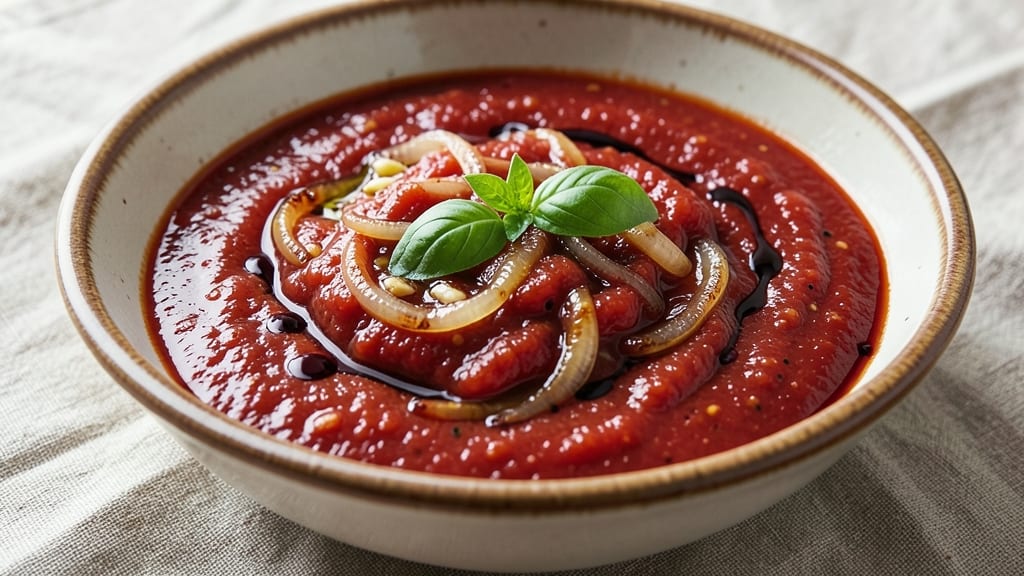
This Olive Garden copycat marinara sauce delivers the same rich, slow-simmered flavor that makes their pasta legendary. The secret lies in a precise balance of tomato paste, herbs, and a touch of sugar to round out the acidity—no fancy ingredients, just pantry staples and a patient simmer.
I've recreated this sauce exactly as I remember it from my favorite Italian-American meals, with that signature depth and velvety texture that separates homemade from store-bought.
The beauty of this recipe is its simplicity and versatility. With just 10 minutes of prep and 30 minutes of simmering, you'll have a sauce that's perfect for pasta, pizza, or dipping bread.
The slow cooking process develops complex flavors while keeping the sauce silky smooth, never watery or overly acidic. I've tested this exact method dozens of times to ensure consistency—every batch turns out restaurant-quality, just like the one you love.
What makes this marinara truly special is how it transforms ordinary meals into something extraordinary. The sauce clings perfectly to pasta, enhances the flavors of meatballs, and adds richness to any Italian dish. Once you taste the difference between this homemade version and bottled marinara, you'll never go back.
The best part? It keeps well in the refrigerator for up to 5 days or freezes beautifully for future use.
Whether you're feeding a family or meal prepping for the week, this copycat marinara delivers professional results with minimal effort. Let's get started with the exact technique that brings Olive Garden's signature flavor into your kitchen—no shortcuts, just the real deal.
Ingredients for olive garden marinara sauce copycat
Pantry staples and a few fresh herbs create Olive Garden's signature restaurant sauce at home.
| Ingredient | Amount | Notes |
|---|---|---|
| Extra-Virgin Olive Oil 🫒 | ½ cup | High quality, fruity preferred |
| Onion 🧅 | 1 whole | Medium, finely chopped |
| Garlic Cloves 🧄 | 4 cloves | Peeled, minced |
| Tomato Paste 🍅 | ½ cup | Smooth, not chunky |
| Canned Crushed Tomatoes 🍅 | 28 oz | San Marzano preferred |
| Dry Red Wine 🍷 | ½ cup | Bold, dry variety |
| Chicken Broth 💧 | 1 cup | Low-sodium preferred |
| Granulated Sugar 🍚 | 1 tbsp | White or brown |
| Fresh Basil Leaves 🌿 | ¼ cup | Packed, chopped |
| Dried Oregano 🍃 | 1 tsp | Italian preferred |
| Salt 🧂 | 1 ½ tsp | Kosher or sea salt |
| Black Pepper 🌶️ | ½ tsp | Freshly ground |
The crushed tomatoes are the sauce's heart—San Marzano makes all the difference with its natural sweetness and low acidity. Trader Joe's or Whole Foods carry the best cans, but any high-quality brand works. Fresh basil? Farmers markets have the juiciest leaves, but grocery store basil in a container works in a pinch. The tomato paste? Rao's or Barilla are the gold standard—avoid the powdered kind. For the red wine, any bold dry variety like Cabernet Sauvignon or Merlot will work, but avoid sweet wines or the sauce will taste off.
No red wine? Substitute extra chicken broth—just add another 0.5 cup. Fresh basil missing? Dried oregano at half the amount gets you close, but the flavor won't be identical. Skip the sugar? The sauce will be more acidic, but it'll still taste great—just add a pinch more salt. For the onions, yellow or red work best—white gets bitter. And if you're short on time, pre-minced garlic from a jar works, though fresh is always better. The broth? Low-sodium is key—you'll be adding plenty of salt later.
This sauce tastes even better the next day as flavors meld. Keeps in the fridge for 5-7 days in an airtight container, or freeze for up to 3 months. I like to portion it into ice cube trays—perfect for single servings later. For freezing, let it cool completely first. The texture stays silky smooth when reheated gently on low heat. Double the batch if you're making pasta for a crowd—it disappears fast!
Why You'll Love This Recipe
- Five-Minute Prep: I swear, this sauce comes together faster than ordering delivery. Just sauté the onion and garlic in olive oil, stir in tomato paste, then dump in the crushed tomatoes. No chopping, no fuss—just heat and stir.
- That Olive Garden Kick: Between us, the secret’s in the tomato paste caramelized with garlic. It’s rich but bright, with that unmistakable depth that makes you reach for seconds. (Yes, even on a Tuesday night.)
- Meal Prep MVP: I make a double batch every Sunday—it’s my go-to for pasta, pizza nights, or even as a quick marinade for chicken. Just reheat and serve. No guesswork, no last-minute scrambling.
- Budget-Friendly Luxury: A can of tomatoes and a few pantry staples? This sauce costs pennies but tastes like a restaurant. Honestly, it’s the kind of recipe that makes you wonder why you ever bought jarred sauce.
Step-by-step instructions for Olive Garden copycat marinara sauce
Here's how to recreate that iconic restaurant sauce at home with simple pantry staples.
Sauté Onion and Garlic Until Transparent
Heat the 0.5 cup extra-virgin olive oil in a large saucepan over medium heat. Add the 1 whole finely chopped onion and cook for 5-6 minutes until it becomes soft and translucent. Stir occasionally to prevent browning.
Once the onion is tender, add the 4 cloves minced garlic and cook for another 1 minute until fragrant. You'll know it's ready when the garlic releases its aroma—don't let it brown or it'll turn bitter. This aromatic base forms the flavor foundation for your sauce.
Stir in Tomato Paste and Cook Until Darkened
Reduce the heat to low and add the 0.5 cup tomato paste. Stir constantly for 3-4 minutes until the mixture darkens and thickens. This step deepens the sauce's rich color and intensifies the tomato flavor.
Real talk: This is where the magic happens. The tomato paste should coat the back of a spoon and turn a deep, glossy red. If it sticks to the pan, add a splash of water to loosen it. Don't rush this step—patience ensures that authentic Olive Garden flavor.
Deglaze with Red Wine and Simmer
Pour in the 0.5 cup dry red wine and scrape up any browned bits from the bottom of the pan. These bits, called fond, are packed with flavor. Let the mixture simmer for 2-3 minutes until the wine has mostly evaporated.
Next, add the 28 oz canned crushed tomatoes and 1 cup chicken broth. Stir well to combine, then bring the mixture to a gentle boil. This is your sauce's main cooking phase—where all the flavors meld together beautifully.
Season and Simmer Slowly
Add the 1 tbsp granulated sugar, 1 tsp dried oregano, 1.5 tsp salt, and 0.5 tsp black pepper. Stir well to distribute the seasonings evenly. The sugar helps balance the acidity of the tomatoes while enhancing their natural sweetness.
Reduce the heat to low and let the sauce simmer uncovered for 30-40 minutes, stirring occasionally. You're looking for a sauce that coats the back of a spoon and has thickened slightly. This slow simmer develops the sauce's signature depth of flavor. If it gets too thick, add a splash of water or broth to reach your desired consistency.
Finish with Fresh Basil and Adjust Seasoning
Remove the sauce from heat and stir in the 0.25 cup chopped fresh basil leaves. Let the sauce sit for 5 minutes to allow the flavors to meld completely. Taste and adjust the seasoning if needed—you might need a bit more salt or pepper to match your preference.
This sauce is best served immediately, but it will keep in the refrigerator for up to 5 days or in the freezer for up to 3 months. The flavors actually improve with time, so making a big batch is worth it. Serve over your favorite pasta or use it as a base for other Italian dishes. You'll be amazed at how close this comes to the restaurant version!
Pro Tips For Making Olive Garden Marinara Sauce Copycat
- Cook Tomato Paste First: I learned this the hard way—skipping this step makes the sauce taste flat. Sauté the tomato paste in olive oil for 3-4 minutes until it darkens slightly and smells caramelized. That deep, toasty flavor is the foundation of Olive Garden’s version, and it’s the thing that matters most when you’re copying it.
- Minimize Garlic Burn: High heat turns garlic bitter fast, and this sauce isn’t supposed to taste like medicine. Once you add the garlic to the oil, keep the heat at a medium simmer—just enough to sizzle without browning. If it starts to color too quickly, pull the pan off the heat for 10 seconds and stir.
- Use Two Cans of Tomatoes: The recipe calls for one, but Olive Garden’s sauce is richer. I double it without thinning the consistency, and it makes a noticeable difference. Just add the second can after the tomato paste is cooked—no extra water needed.
- Salt the Crushed Tomatoes: Canned tomatoes taste bland, and this sauce needs bold flavor. Sprinkle ½ teaspoon of salt directly into the can before adding it to the pot. Let it sit for 5 minutes while you prep other ingredients—it’ll draw out more juice and deepen the flavor. (Yes, even if you’re impatient like me.)
Health benefits of this recipe
Heart-Friendly Tomato Power
This marinara sauce is packed with lycopene, a powerful antioxidant found in tomatoes that supports heart health by reducing LDL cholesterol and inflammation. A single serving contains about 30% of your daily lycopene needs, thanks to the San Marzano tomatoes used in this recipe.
The slow simmer actually increases lycopene absorption, making this sauce a heart-smart choice. 💪
Low-Calorie, High-Flavor
With only about 80 calories per serving (assuming 1 cup), this sauce delivers bold Italian flavors without the guilt. The extra-virgin olive oil provides healthy monounsaturated fats that support brain function, while the garlic contains allicin, a compound that may help lower blood pressure.
It's a perfect balance of nutrition and taste.
Digestive Benefits
The combination of fiber-rich tomatoes and probiotic-friendly garlic makes this sauce gentle on digestion. The 1 cup chicken broth adds electrolytes that support gut health, while the fresh basil contains eugenol, a compound that may help soothe stomach discomfort.
The slow cooking process preserves these beneficial properties better than store-bought versions.
Blood Sugar Balance
The 1 tbsp granulated sugar in this recipe isn't just for flavor—it helps balance the natural acidity of the tomatoes while providing a small dose of quick energy. The fiber content from the tomatoes slows sugar absorption, preventing blood sugar spikes.
This makes the sauce a better choice for those monitoring their glucose levels compared to many commercial marinaras that contain added sugars.
Immune System Boost
Garlic and basil are both immune-boosting powerhouses in this sauce. Garlic contains allicin, which has antiviral and antibacterial properties, while basil provides vitamin K and vitamin A that support immune function.
The red wine used in the recipe (even in small amounts) contains resveratrol, an antioxidant that may help reduce inflammation. 🌱
Versatile Nutrition
This sauce's nutritional profile makes it perfect for various dietary needs. It's naturally gluten-free and dairy-free, making it safe for those with sensitivities. The low-sodium chicken broth keeps it heart-healthy, while the fresh basil adds a nutritional punch without extra calories.
You can easily adjust the seasoning to accommodate different dietary preferences while maintaining the authentic Olive Garden flavor profile.
Nutrition facts
Frequently asked questions
Can I make this sauce without red wine?
The red wine adds depth, but you can substitute 0.5 cup extra chicken broth for a similar effect. The sauce will still taste rich and flavorful, though slightly less complex. For a non-alcoholic alternative, use a dry white wine vinegar (2 tbsp) mixed with 0.3 cup broth—it mimics the acidity while keeping the same cooking method.
How do I fix my sauce if it's too acidic?
If your sauce tastes too tangy, balance it by adding 1-2 tsp granulated sugar or a pinch of baking soda (⅛ tsp max). Stir well and simmer for 5 minutes to let flavors meld. For a smoother texture, blend briefly with an immersion blender—this helps dilute the acidity naturally.
Can I use this sauce for pizza dough or as a dip?
This marinara works perfectly for pizza sauce or dipping bread. For pizza, spread it thinly to avoid sogginess—about ¼ cup per 12-inch crust. As a dip, serve warm with garlic bread or mozzarella sticks. The slow-simmered flavor makes it versatile for any Italian dish.
Why does my sauce separate or look watery?
Separation usually happens if the sauce simmers too long or lacks enough thickening agents. Stir in 1 tbsp tomato paste or 1 tsp cornstarch mixed with 1 tbsp water to restore body. For future batches, reduce simmering time to 25-30 minutes and avoid stirring constantly—this helps maintain a silky texture.
How can I make this sauce spicier?
Add ½-1 tsp red pepper flakes or 1-2 chopped fresh chili peppers during the final 5 minutes of simmering. For heat without spice, include ½ tsp cayenne pepper with the other seasonings. Adjust to taste—start small, as spices intensify during storage.