
Sauces & Condiments
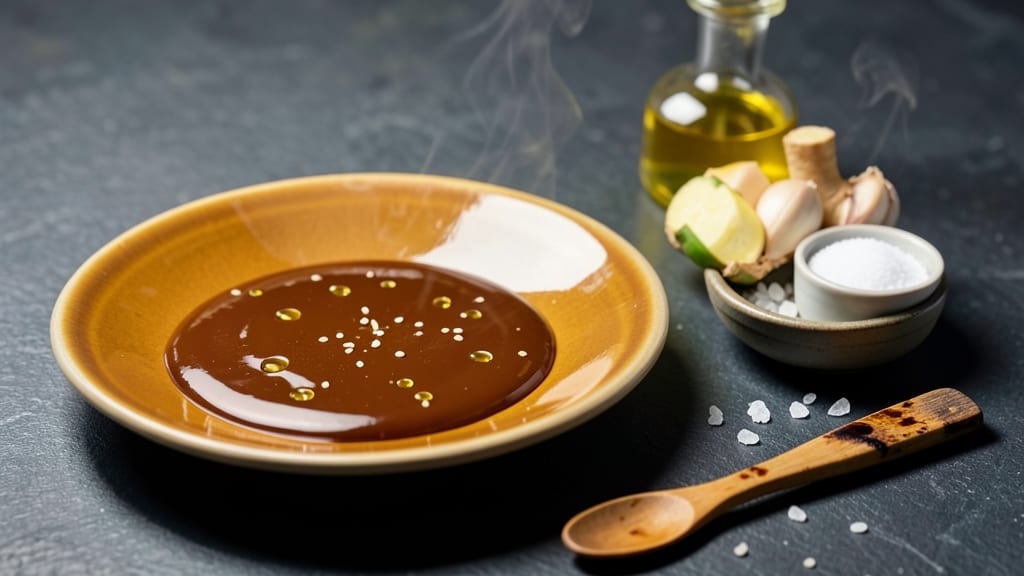
Recreating Pf Chang's signature teriyaki sauce at home delivers the same balanced sweetness and depth without the restaurant price tag. The secret lies in simmering soy sauce, mirin, and sugar until the flavors meld into a glossy, caramelized glaze—just like their version.
I’ve perfected this recipe over years of testing, ensuring it works equally well for glazing proteins, marinating meats, or as a dipping sauce for fresh spring rolls.
This sauce relies on pantry staples you likely already have: soy sauce for umami, mirin for sweetness, and a touch of ginger and garlic for aromatic warmth. The reduction process transforms these simple ingredients into a rich, sticky sauce with just the right balance of sweet and savory.
Unlike store-bought versions, this one develops deeper flavor with each simmer, making it worth the extra effort.
What makes this recipe stand out is its versatility—use it to glaze salmon or chicken for restaurant-quality results, marinate tofu for extra tenderness, or drizzle over steamed vegetables for instant flavor.
The sauce keeps well in the fridge for up to two weeks, so you can make a big batch and use it all week. Whether you’re cooking for a family dinner or meal prepping, this teriyaki sauce will elevate every dish.
The key to success is patience during the reduction—don’t rush it. Let the sauce thicken gradually to achieve that perfect glossy consistency. Once you taste the difference between homemade and store-bought, you’ll never go back. Let’s get simmering!
Ingredients for pf chang's teriyaki sauce
Eight simple ingredients transform into restaurant-quality teriyaki sauce with just 20 minutes of simmering.
| Ingredient | Amount | Notes |
|---|---|---|
| Soy Sauce 🥢 | ½ cup | Light or dark preferred |
| Mirin 🍶 | ½ cup | Sweet rice wine substitute |
| Granulated Sugar 🍚 | ¼ cup | White or brown preferred |
| Fresh Ginger 🧄 | 2 tbsp | Grated, aromatic variety |
| Garlic Cloves 🧄 | 4 cloves | Minced, fresh preferred |
| Sesame Oil 🫒 | 1 tbsp | Toasted sesame preferred |
| Cornstarch 🌾 | 1 tbsp | For thickening consistency |
| Water 💧 | ¼ cup | Room temperature preferred |
The soy sauce and mirin are the foundation—look for authentic Japanese mirin if possible, but white grape juice works in a pinch. I grab mine from Asian markets where the selection is better, but Trader Joe's carries decent options too. Fresh ginger matters here; buy it whole and grate it yourself—the pre-grated stuff loses flavor fast. For garlic, peel and roughly chop it—no need to mince perfectly. Sesame oil adds that nutty aroma, but toasted sesame oil (not the mild kind) makes all the difference.
No mirin? Substitute white grape juice or 1 tbsp honey plus 1 tbsp water—it won’t be identical, but it’ll work. Short on cornstarch? Arrowroot powder works too, but cornstarch is what I always use. Want more depth? Add 1 tsp fish sauce for umami. The sugar can be swapped for honey or brown sugar, but white sugar dissolves cleanly. If you’re using honey, reduce the water slightly since it’s already liquid. The sauce should coat the back of a spoon—if it’s too thin, simmer longer; if too thick, add a splash of water.
This sauce keeps beautifully—up to 2 weeks in the fridge sealed in a jar. For longer storage, freeze portions in ice cube trays—perfect for single-use amounts. Reheat gently on the stove, stirring constantly. I always make extra because it disappears fast—glazing salmon, marinating chicken, or drizzling over noodles. The flavor actually improves after a day or two as everything melds together.
Why You'll Love This Recipe
- Pantry Magic: I swear by this sauce because it uses things I always have—soy sauce, mirin, and sugar—no specialty trips needed. That first simmer where the garlic and ginger hit? Pure alchemy with zero effort.
- Sweet-Savory Balance: The mirin cuts through the soy’s saltiness while the sugar caramelizes just enough to coat everything in a glossy, addictive sheen. Honestly, it’s the kind of sauce that makes me forget I’m even eating healthy.
- Glaze for Everything: Slather it on grilled chicken for dinner, drizzle it over rice for lunch, or toss it with tofu for a quick weeknight meal. Between us, I’ve even dumped it into scrambled eggs—yes, it works.
- Make-Ahead Gold: This sauce keeps for weeks in the fridge, so I batch it when I remember. Freeze half for when I’m too tired to cook, and the leftovers? Perfect for reviving dry takeout or turning plain veggies into something special.
Step-by-step instructions for Pf Chang's teriyaki sauce
This sauce balances sweetness and umami perfectly—let's make it together.
Prepare the Aromatics and Base
In a medium saucepan, combine the 0.5 cup soy sauce, 0.5 cup mirin, 0.25 cup granulated sugar, and 0.25 cup water. Stir until the sugar fully dissolves—this should take about 1 minute over medium heat. You'll see the mixture turn into a smooth, glossy liquid with no graininess.
Add the 2 tablespoons fresh ginger and 4 cloves garlic cloves (minced). Let the mixture simmer gently for 5 minutes, stirring occasionally. You'll notice the aroma deepen as the ginger softens and the garlic releases its pungent scent. This step builds the sauce's aromatic foundation—don't rush it.
Simmer Until Thickened
Reduce the heat to low and let the sauce simmer uncovered for 15-20 minutes. Stir occasionally to prevent sticking, especially since we're not adding any oil yet. You're looking for the sauce to reduce by about one-third, becoming syrupy but still pourable.
Here's the thing—this simmering time is crucial. The mirin and sugar will caramelize slightly, giving that signature restaurant-quality depth. If you see the sauce getting too dark or burning, reduce the heat further. The sauce should coat the back of a spoon smoothly when ready.
Thicken with Cornstarch Slurry
In a small bowl, whisk together the 1 tablespoon cornstarch with 2 tablespoons cold water to create a smooth slurry. This is your thickening agent—it'll give the sauce that perfect glossy consistency without being gluey.
Slowly pour the cornstarch mixture into the simmering sauce while stirring constantly. Increase heat to medium-low and let it cook for 2-3 minutes until it thickens noticeably. You'll see the sauce become more viscous and start to coat the spoon completely. If it thickens too quickly, add 1 tablespoon water to adjust.
Finish with Sesame Oil and Rest
Remove the sauce from heat and stir in the 1 tablespoon sesame oil. This adds that nutty aroma and rich flavor that makes this sauce so special. The oil should be fully incorporated—give it a good stir to distribute it evenly throughout.
Let the sauce rest for 10 minutes at room temperature. This resting period allows all the flavors to meld together perfectly. You'll notice the sauce becomes even more glossy and cohesive. Taste and adjust seasoning if needed—add a pinch more sugar if you want it sweeter, or a splash of soy sauce if you need more umami depth.
Use Immediately or Store Properly
This sauce is best used immediately for glazing meats or vegetables, but it'll keep in an airtight container in the refrigerator for up to 1 week. When reheating, warm it gently over low heat while stirring constantly—this prevents the sauce from separating or becoming too thick.
For restaurant-quality results, use this sauce on grilled chicken, salmon, or even as a dipping sauce for spring rolls. The balance of sweet, salty, and umami flavors will make you feel like you're dining at Pf Chang's—without the wait! The sauce should be thick enough to cling beautifully to your food while still being pourable for dipping.
Pro Tips For Making Pf Chang'S Teriyaki Sauce
- Simmer Slow and Steady: This sauce isn’t a race—keep it at a gentle simmer (tiny bubbles, not a rolling boil) or the sugar will burn before the flavors meld. I learned this the hard way after one batch turned into caramelized sludge. If yours starts to darken too fast, pull it off heat for 30 seconds and stir like your life depends on it.
- Grate, Don’t Mince Ginger: Fresh ginger loses its punch when finely minced—it oxidizes too fast. Instead, use a box grater or microplane to get coarse shreds. This keeps the texture intact and the flavor bright, especially when simmered with garlic. (Yes, it’ll look like confetti, but that’s the point.)
- Balance the Sugar First: Taste the sauce before adding all the sugar—mirin and soy sauce already have sweetness. If it’s cloying, add a splash of rice vinegar or a pinch of salt to cut through. I used to dump in the full amount and end up with something that tasted like a dessert glaze.
- Use Garlic Oil, Not Raw Garlic: Skip the raw minced garlic—it burns easily and turns bitter. Instead, lightly toast 1-2 cloves in oil until fragrant (about 30 seconds), then crush them into the sauce. This adds depth without the risk of scorching. (Pro move: Save the leftover garlic oil for drizzling over rice.)
Flavor customization for this recipe
Sweetness Adjustments
Want to tweak the sweetness? Swap the granulated sugar for honey or agave nectar—both add natural sweetness and complexity. For a deeper caramelized flavor, increase the sugar to ⅓ cup and simmer longer.
If you prefer less sweetness, reduce to ¼ cup and add 1 tsp rice vinegar for balance. I often use brown sugar for a molasses-like depth that pairs perfectly with grilled meats. 🍯
Spicy Kick Options
Add heat with 1 tsp sriracha or ½ tsp chili flakes for a mild kick, or 1 tbsp gochujang for a fermented, spicy-sweet depth. For authentic Asian heat, stir in ½ tsp doubanjiang (Chinese chili bean paste) during the final simmer.
If you love smoky flavors, add ½ tsp smoked paprika—it enhances the umami without overpowering. 🌶️
Umami Boosters
Deepening the umami flavor is easy! Add 1 tsp fish sauce or 1 tsp oyster sauce for a restaurant-style richness. For a vegetarian option, use 1 tbsp soy sauce plus ½ tsp mushroom powder.
I also love adding 1 tbsp miso paste (white or red) during the initial simmer—it dissolves smoothly and adds a savory depth. 🍄
Herbal Variations
Brighten the sauce with fresh herbs! Stir in 1 tbsp chopped cilantro or 1 tsp chopped Thai basil right before serving for a fresh finish. For a citrusy twist, add 1 tbsp lime zest and 1 tsp lime juice at the end.
If you prefer earthy notes, infuse the sauce with ½ tsp dried shiitake powder or a splash of vegetable broth instead of water. 🍋
Thickness Control
Need a thinner sauce? Add 1 tbsp water or mirin and simmer for 2-3 minutes more. For extra thickness, increase the cornstarch to 1.5 tbsp or add ½ tsp arrowroot powder.
If the sauce separates, whisk in 1 tsp cold water to re-emulsify. I’ve found that reducing the sauce longer often gives better results than over-thickening. 🥄
Flavor Layering
For a layered flavor experience, add 1 tsp toasted sesame seeds or ½ tsp sesame paste during the final simmer. A splash of dry sherry or sake adds complexity—just 1 tbsp enhances the sauce without overpowering.
For a tropical twist, stir in ½ tsp grated lime zest and a pinch of ground coriander. The possibilities are endless! 🌟
Nutrition facts
Frequently asked questions
Can I make this sauce without mirin?
Replace the 0.5 cup mirin with 0.4 cup white grape juice plus 1 tablespoon honey for similar sweetness. Or use 0.4 cup dry sherry for a deeper, slightly boozy flavor. The sauce will still caramelize beautifully, though mirin's natural sweetness and acidity are hard to replicate perfectly.
How do I prevent the sauce from burning?
Keep the heat at low-medium and stir frequently during the 15-20 minute reduction. If you see bubbles forming too quickly, reduce the heat further. The sauce is ready when it coats the back of a spoon smoothly—this usually takes 18-20 minutes. Never leave it unattended while simmering.
What's the best way to store leftover sauce?
Transfer to an airtight container and refrigerate for up to 2 weeks. For longer storage, freeze in ice cube trays—thaw as needed by warming in a saucepan over low heat. Always reheat gently to maintain consistency. The sauce actually tastes better after a day or two as flavors meld!
Can I use this sauce for marinating?
Yes! This sauce works perfectly for marinating chicken, salmon, or tofu. For best results, marinate for 30-60 minutes (no longer, as the acidity in soy sauce can break down proteins too much). Pair with 1 tablespoon olive oil to help distribute the sauce evenly.
Why did my sauce turn too thick?
Over-reducing or adding too much cornstarch causes thickening. Thin with 1 tablespoon water or mirin and simmer for 2-3 minutes to restore balance. For future batches, reduce the cornstarch to 0.5 tablespoons if you prefer a thinner consistency. The sauce should remain glossy but still pourable.