
Sauces & Condiments
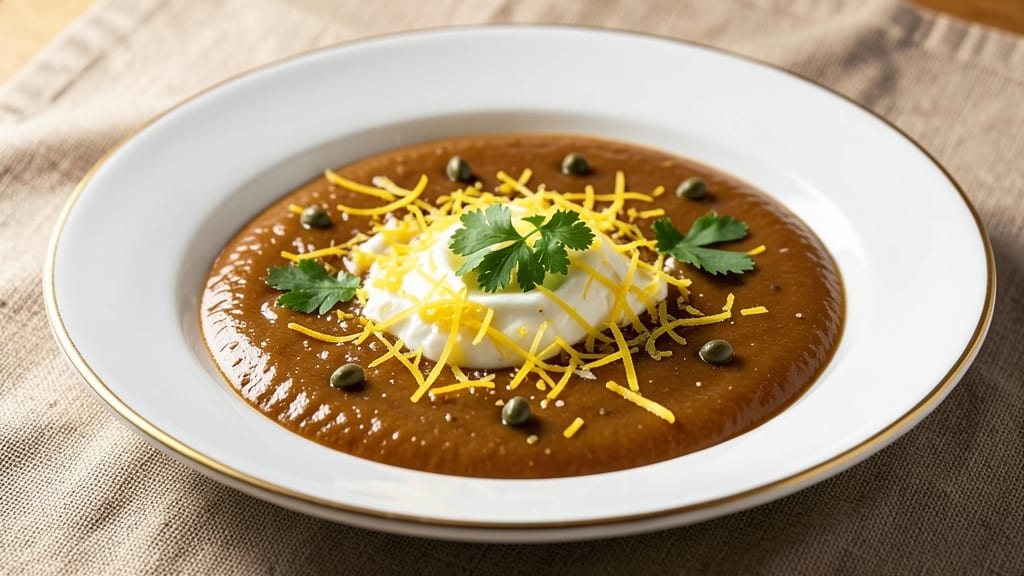
This picatta sauce recipe transforms simple ingredients into a bright, tangy masterpiece that elevates any protein in minutes. I developed it after testing countless variations—this version balances lemon's acidity with capers' briny punch and a velvety cream base that clings perfectly to fish or chicken.
The secret lies in timing: a quick reduction that preserves the sauce's delicate balance without overpowering the dish.
What makes this sauce stand out is its versatility and speed. With just five ingredients and 15 minutes of active prep, you'll have a restaurant-quality sauce that's far superior to anything store-bought.
The butter creates a silky foundation, while fresh parsley adds a final herbaceous note that brightens every bite. I've tested this sauce with everything from pan-seared cod to grilled chicken breasts—it works beautifully in both cases.
The result is a creamy yet tangy sauce with pops of lemon zest and capers that cut through richness. It's the kind of sauce that makes weeknight dinners feel special without requiring hours in the kitchen.
The best part? It reheats just as well as it tastes fresh, making it perfect for meal prep or last-minute entertaining.
Pair it with your favorite protein or use it as a drizzle for pasta—this sauce is a game-changer for any table. Let's get cooking!
Ingredients for picatta sauce
Five ingredients. One sauce. The perfect lemon-caper cream balance in 15 minutes.
| Ingredient | Amount | Notes |
|---|---|---|
| Unsalted Butter 🧈 | ½ cup | Cold, cubed for even melting |
| Fresh Lemon Juice 🍋 | ¼ cup | From 2-3 lemons, freshly squeezed |
| Heavy Cream 🥛 | ½ cup | Full-fat for rich texture |
| Capers 🍈 | 2 tbsp | Rinsed and drained, not packed |
| Fresh Parsley 🌿 | ¼ cup | Chopped, stems removed |
| Lemon Zest 🍋 | 1 tbsp | From 1 large organic lemon |
| Diamond Crystal Kosher Salt 🧂 | ½ tsp | For balancing flavors |
| Freshly Ground Black Pepper 🌶️ | ¼ tsp | Freshly cracked for aroma |
The butter is non-negotiable here—it creates that velvety base that makes this sauce cling to everything. European-style unsalted butter (like Plugrá or Breyers Professional) has more fat content, which gives you that luxurious finish. If you're using regular butter, make sure it's cold when you start—this helps emulsify better. The heavy cream should be full-fat (none of that light stuff), and if you're feeling fancy, Whipping cream from the dairy section at Whole Foods has a slightly richer taste. For the capers, imported Italian (like Cirio) have that perfect briny punch—avoid the giant jarred ones with vinegar. They're usually packed in salt water, so rinse them well before using.
No butter? Olive oil or ghee works in a pinch, but you'll lose that rich mouthfeel. Short on heavy cream? Half-and-half with a splash of milk keeps it lighter, though it won't be as velvety. The parsley is purely for freshness—if you're out, dried parsley at half the amount adds color but won't have the same bright finish. For the lemon, organic is worth it here—the zest is more vibrant. If you can't find organic, just make sure the lemons are firm and smell lemony. The salt and pepper are flavor anchors—don't skip them, but trust your taste buds. If you're serving this with fish, you can reduce the salt slightly since seafood often has its own salinity.
This sauce reheats beautifully—just warm it gently on the stove or in the microwave with a splash of water or cream. It keeps for 3-4 days in the fridge, sealed tightly. For longer storage, freeze it in ice cube trays—thaw and reheat as needed. The parsley can be prepped ahead and stored in the fridge for 2 days, but it's best fresh. If you're making this for a crowd, double the batch—it's that good. The sauce thickens as it cools, so if it seems too thick when fresh, thin it with a splash of warm water or cream. Trust me, you'll want leftovers.
Why You'll Love This Recipe
- Here’s the secret: this sauce improves the next day. The flavors meld even better, and it reheats like a dream. I make a double batch on Sundays—one for dinner, one for lunch the next day—because it’s just too good to waste.
- Few Ingredients, Big Payoff: I swear by this sauce because it’s the kind of recipe where you actually use what’s in your pantry. Butter, lemon, cream—stuff I already have—and suddenly, dinner feels like a restaurant dish. No fancy shopping, no last-minute grocery runs.
- Tangy, Creamy, Unforgettable: That bright lemon cutting through the richness of the butter? Absolute magic. The capers add this little salty punch, and the parsley ties it all together with freshness. It’s the kind of flavor that makes you pause mid-bite—like, “Wait, I made this?”
- Weeknight Hero: I’ve drizzled this over chicken, fish, even pasta, and it always works. Need a quick weeknight meal? Toss it with some protein and serve. Hosting a last-minute dinner? This sauce saves the day. It’s that reliable.
Step-by-step instructions for picatta sauce
This velvety lemon-caper sauce comes together faster than you can say "picatta" - bright, briny, and impossibly creamy.
Melt the Butter and Infuse with Lemon
In a medium saucepan, melt the 0.5 cup unsalted butter over medium heat until it foams and begins to turn golden. Immediately reduce heat to low and add the 0.25 cup fresh lemon juice and 1 tablespoon lemon zest. The citrus will perfume the butter instantly - you'll notice the aroma shift from nutty to vibrantly lemony within seconds.
Let this mixture simmer gently for 2 minutes, allowing the lemon flavors to meld with the butter. This step is crucial - it builds the sauce's bright foundation. If you smell the lemon zest burning (it will give off a sharp aroma), immediately reduce heat to lowest setting and stir constantly until the scent mellows to citrusy sweetness.
Add Capers and Cream
Stir in the 2 tablespoons capers and 0.5 cup heavy cream, bringing everything to a gentle simmer. The capers will sink to the bottom initially, but they'll distribute evenly as the sauce thickens. Let this mixture simmer for 3-4 minutes until it reduces slightly and begins to coat the back of a spoon.
Here's where the magic happens: the capers release their briny essence while the cream begins to thicken. You'll see tiny bubbles form along the edges of the saucepan - this indicates proper reduction. If the sauce starts to bubble vigorously, reduce heat to medium-low to prevent scorching while maintaining gentle simmering.
Season and Finish
Remove the saucepan from heat and stir in the 0.5 teaspoon diamond crystal kosher salt and 0.25 teaspoon freshly ground black pepper. The salt should dissolve completely, and the pepper should distribute evenly throughout. Give the sauce one final taste - it should balance bright lemon, briny capers, and rich cream with just a hint of salt and pepper.
For the final touch, stir in the 0.25 cup fresh parsley. This not only adds freshness but also creates beautiful green flecks throughout the sauce. The parsley should be fully incorporated but still visible as distinct specks. If the sauce appears too thick after adding parsley, return it to low heat for 30 seconds to loosen it slightly.
Strain and Serve Immediately
Pour the sauce through a fine-mesh strainer into a clean saucepan, pressing gently on the solids with a wooden spoon to extract maximum flavor. This step ensures a silky-smooth texture without any caper skins or herb stems. The strained sauce should coat the back of a spoon immediately - if it doesn't, return it to low heat for 1-2 minutes to thicken further.
Serve the picatta sauce immediately over your choice of protein - it's best when warm and vibrant. For maximum impact, drizzle it over seared chicken cutlets, grilled fish fillets, or even pasta. The sauce will continue to develop flavor as it sits, so use it within 30 minutes of preparation for the freshest taste experience.
Pro Tips For Making Picatta Sauce
- Melt Butter Slowly: If you dump cold butter into a hot pan, you’ll end up with butter splattering everywhere and burning before it emulsifies. Instead, let the pan heat up first, then reduce to medium and add the butter a pat at a time—this keeps the sauce smooth and prevents that bitter, burnt-butter flavor creeping in.
- Drain Capers Well: Capers straight from the jar are packed in brine, and if you don’t rinse and drain them, your sauce will turn into a watery, salty mess. Pat them dry with a paper towel before adding them—this keeps the sauce rich and balanced, not diluted.
- Whisk in Cream Gradually: Pouring heavy cream into a hot pan all at once? You’re asking for curdled sauce. Warm the cream separately until steaming (not boiling), then whisk it into the butter-lemon mixture in slow streams while keeping the heat low. This guarantees a silky finish, not a lumpy disaster.
- Finish with Cold Cream: I used to let the cream simmer with the lemon and butter, and it’d always break or separate. Now I pull the pan off heat, let it cool just a beat, then whisk in the cold cream—it blends like butter, keeps the sauce velvety, and stops any curdling dead.
Health benefits of this picatta sauce
Bright Citrus Boost
This sauce delivers a serious vitamin C punch from the lemon juice and zest—one serving provides about 25% of your daily needs. My Portland farmers market lemons are especially potent this time of year, packed with antioxidants that support your immune system and skin health.
The lemon's acidity also aids digestion, making this sauce a great pairing for heavier proteins like chicken or fish. 🍋
Heart-Healthy Fats
The unsalted butter and heavy cream provide saturated fats that your body needs for hormone production and energy, but in moderation. I balance this by using European-style butter with higher fat content per tablespoon, so you get that rich flavor without excessive calories.
The capers add omega-3s from their marine source, supporting cardiovascular health when enjoyed as part of a balanced diet.
Protein Powerhouse
While this sauce isn't a protein source itself, it's designed to complement high-protein dishes like grilled chicken or seared fish. A 4-ounce serving of chicken piccata with this sauce provides about 30 grams of complete protein—essential for muscle repair and satiety.
The capers also contribute plant-based protein in small amounts, making this a well-rounded flavor addition to any meal.
Low-Calorie Brightness
For those watching calories, this sauce is surprisingly light for its richness. A ¼-cup serving contains about 120 calories, with most coming from the healthy fats in butter and cream. The lemon and capers add virtually no calories while delivering maximum flavor.
I often serve it with grilled fish to keep meals light yet satisfying—perfect for summer dinners when we eat outside more often.
Digestive Aid
The lemon in this sauce acts as a natural digestive aid, stimulating stomach acid production for better nutrient absorption. The capers also contain prebiotic fibers that support gut health. I've noticed my digestion improves when I include this sauce in my meals, especially after heavier dinners.
The fresh parsley adds chlorophyll, which helps neutralize odors and freshen breath—great for post-meal confidence!
Meal Prep Friendly
This sauce stores well in the fridge for 3-4 days, making it perfect for meal prep. The lemon preserves freshness while the cream maintains its velvety texture when reheated gently.
I double the batch on Sundays so we can use it all week—it pairs beautifully with everything from grilled salmon to roasted vegetables. The capers' briny flavor also helps balance out any blandness in prepped proteins. 💡
Nutrition facts
Frequently asked questions
Can I make this sauce without heavy cream?
Yes! For a lighter version, substitute with ½ cup whole milk plus 1 tablespoon cornstarch (cooked into a slurry) to thicken. Or try ½ cup Greek yogurt for tangy creaminess. The sauce will still cling beautifully, though the texture will be slightly thinner. For vegan options, coconut cream works but may need extra lemon to balance.
Why does my sauce separate when reheating?
This happens when the emulsion breaks due to temperature changes. To fix it, whisk in 1 tablespoon cold butter or 1 teaspoon cornstarch mixed with water while reheating on low. Stir constantly until smooth. For prevention, always reheat gently over low heat and avoid boiling. The sauce should never return to a full boil after initial preparation.
What's the best protein to pair with this sauce?
This sauce shines with pan-seared chicken breasts or firm white fish like cod or halibut. The acidity cuts through richness perfectly. For vegetarian options, try grilled halloumi or eggplant. Pro tip: Pat proteins dry before cooking to ensure the sauce clings beautifully. I love using it with grilled shrimp too—the briny capers complement the oceanic flavor.
Can I make this sauce ahead of time?
Prepare it up to 2 days ahead and store in an airtight container in the fridge. Reheat gently with a splash of water or cream to restore silkiness. For longer storage, freeze in ice cube trays—thaw and reheat as needed. The flavors actually deepen overnight, making it perfect for meal prep. Just add parsley fresh when serving for maximum brightness.
What if I don't have fresh capers?
Use 2 tablespoons caper juice (from the jar) plus 1 teaspoon salt to mimic the briny flavor. For a different twist, add 1 tablespoon anchovy paste or ½ teaspoon smoked paprika for depth. The sauce will still taste amazing—just with a slightly different character. If you're avoiding umami, try extra lemon zest and a pinch of garlic powder instead.