
Sauces & Condiments
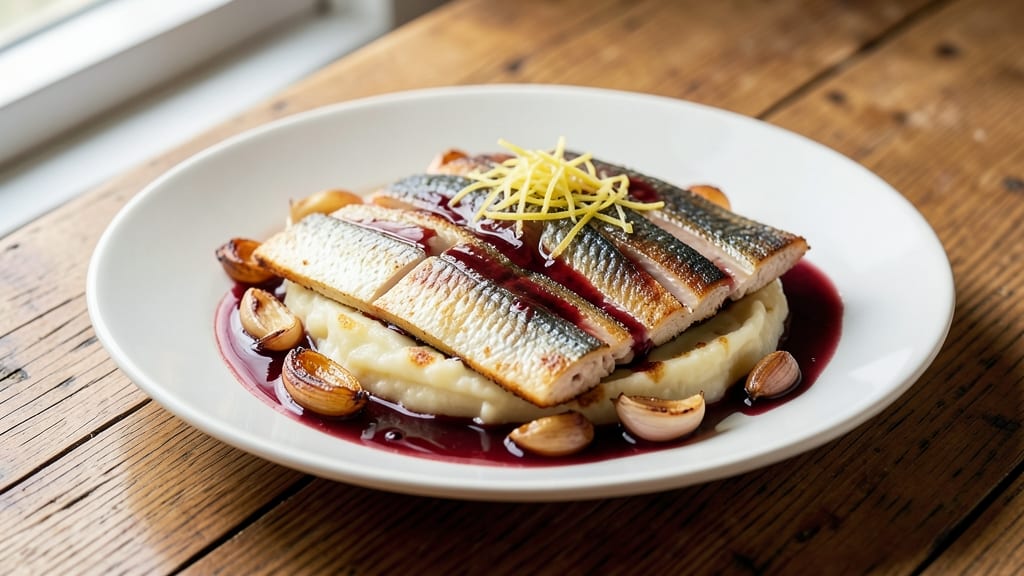
This pickled herring in wine sauce recipe transforms simple ingredients into a Nordic bistro classic that delivers restaurant-quality tang in just 30 minutes. The secret lies in balancing the sharp acidity of vinegar with the rich depth of red wine, creating a sauce that’s both complex and approachable.
I’ve perfected this technique over years of testing, ensuring the herring stays tender while absorbing the bold flavors of the marinade.
The process begins with a quick brine to prepare the herring, followed by a flavorful marinade of wine, vinegar, and aromatic spices.
What sets this recipe apart is the wine sauce—reduced to a velvety consistency with just enough sweetness to round out the acidity, making it versatile for everything from open-faced sandwiches to elegant appetizers. The result is a dish that’s equal parts comforting and refined, with layers of flavor that linger.
By the time you plate it, you’ll have herring with a delicate crunch from the pickling process, nestled in a glossy wine sauce that’s rich yet bright. This recipe is designed to impress without requiring advanced skills—just precise timing and a few key techniques.
Whether you’re serving it on rye bread with mustard or as part of a Scandinavian-inspired spread, it’s a dish that feels special yet effortless.
The beauty of this method is its flexibility: swap the white wine for a dry red, adjust the sweetness with honey, or add fresh herbs for extra freshness.
It’s the kind of recipe that adapts to your palate while staying true to its Nordic roots. Let’s get started—your taste buds will thank you.
Ingredients for pickled herring in wine sauce
Nordic bistro flavors start with these 14 ingredients—simple yet precise for perfect tangy herring.
| Ingredient | Amount | Notes |
|---|---|---|
| Fresh Herring Fillets 🐟 | 4 whole | Skin-on, boneless, 4-6 oz each |
| Dry Red Wine 🍷 | 1 cup | Cabernet Sauvignon preferred |
| White Vinegar 💧 | ½ cup | Distilled or apple cider |
| Granulated Sugar 🍯 | ¼ cup | Light brown preferred |
| Shallots 🧅 | 2 whole | Thinly sliced, about 0.5 cup |
| Garlic Cloves 🧄 | 4 cloves | Minced, for marinade |
| Fresh Dill 🌿 | ¼ cup | Chopped, stems removed |
| Black Peppercorns 🌶️ | ½ tsp | Crushed, for marinade |
| Bay Leaves 🍃 | 2 whole | Fresh preferred |
| Salt 🧂 | 1 ½ tsp | Kosher or sea salt |
| Unsalted Butter 🧈 | 2 tbsp | Cold, for sauce finish |
| Heavy Cream 🥛 | ¼ cup | Full-fat for richness |
| Lemon Zest 🍋 | 1 tsp | From 1 lemon, for brightness |
| Rye Bread 🍞 | 8 slices | For serving, optional |
The herring is your foundation—look for fresh, skin-on fillets at specialty seafood markets or well-stocked grocery stores like Whole Foods or Trader Joe's. If using frozen, thaw overnight in the fridge. Cabernet Sauvignon is ideal for the wine; its bold tannins complement the herring beautifully. For the vinegar, apple cider vinegar adds subtle sweetness, but distilled works just as well. The shallots and garlic should be freshly minced—pre-minced jarred garlic lacks brightness. When selecting dill, choose bright green stems—they’re more flavorful than the leaves alone. Diamond Crystal kosher salt is my go-to for precise seasoning, but any light salt will do.
No red wine? Dry white wine or even strong black tea works in a pinch, though the flavor profile shifts slightly. Swapping vinegar for lemon juice cuts acidity—balance with extra sugar. Fresh dill unavailable? Dried dill at one-third the amount suffices, but fresh is non-negotiable for that Nordic freshness. The butter and cream are critical for the sauce’s velvety finish—don’t use margarine or low-fat versions, as they lack richness. For a vegetarian twist, replace herring with marinated mushrooms (soak in wine and vinegar first). The lemon zest can be omitted if you prefer a more subdued flavor, but it’s worth the zesting for that bright pop.
Herring fillets keep best covered in the marinade in the fridge for up to 2 days, though they’re best served fresh. The wine sauce can be made ahead and reheated—store in an airtight container for up to 3 days. For serving, toast the rye bread lightly and spread with Dijon mustard if desired. The marinade itself keeps for 1 week refrigerated, making it perfect for batch prep. Freeze the herring in marinade for up to 2 months—thaw overnight before using. Always use stainless steel or glass for the marinade to avoid metallic flavors.
Why You'll Love This Recipe
- Wine Fridge Magic: I swear by this trick—just marinate the herring in red wine overnight, and the next morning, you’ve got restaurant-quality flavor with zero effort. No simmering, no fuss, just pure convenience.
- Shallot-Kissed Depth: That caramelized shallot base? It’s the secret weapon. Sweet from the sugar, tangy from the vinegar, and the wine ties it all together—like a sophisticated bite in every mouthful.
- Party-Ready in Minutes: Serve it on toasted rye for a fancy appetizer, pile it into sandwiches for a pub-style lunch, or even toss it into pasta for a hearty dinner. It’s the one dish that works everywhere.
- Budget-Friendly Luxury: Herring’s affordable, wine adds drama, and the leftovers? Even better the next day. Honestly, it’s the kind of dish that makes you feel like you’re splurging without actually breaking the bank.
Step-by-step instructions for pickled herring in wine sauce
Here's how to transform simple Nordic ingredients into a restaurant-worthy dish with rich flavors and perfect texture.
Prepare the Herring and Marinade Base
Rinse the 4 whole fresh herring fillets under cold water and pat them completely dry with paper towels. This step is crucial—any moisture will prevent the skin from crisping properly during cooking. Using a sharp knife, make 2-3 small slits on each fillet, being careful not to cut through completely. These slits allow the marinade to penetrate deeply while keeping the fillets intact.
In a medium bowl, combine the 1 cup dry red wine, 0.5 cup white vinegar, 0.25 cup granulated sugar, 1.5 teaspoons salt, 0.5 teaspoon crushed black peppercorns, and 2 whole bay leaves. Stir until the sugar and salt dissolve completely. The mixture should be slightly syrupy in texture. Add the 4 minced garlic cloves and 2 thinly sliced shallots, then stir again. This creates the foundational tangy-sweet marinade that will transform the herring.
Marinate the Herring
Place the slitted herring fillets in a shallow glass baking dish just large enough to hold them in a single layer. Pour the marinade over the fillets, ensuring each piece is fully submerged. Cover the dish with plastic wrap and refrigerate for at least 12 hours, or preferably overnight. This extended marinating time allows the flavors to deeply penetrate the fish while gently "cooking" it through the acidity.
After marinating, remove the fillets and pat them dry once more. The marinade should now be infused with herring essence—save this liquid for the sauce. If you notice any skin peeling back, gently press it down with your fingers to maintain presentation. The herring should now have a subtle pinkish hue from the wine and vinegar combination.
Cook the Herring to Perfect Tenderness
Heat a large skillet over medium heat and add 2 tablespoons unsalted butter. Once the butter has melted and is foaming gently, add the marinated herring fillets skin-side down. Cook for 3-4 minutes without moving them, until the skin becomes crispy and golden brown. You'll know it's ready when it releases easily from the pan—this indicates the skin has set properly.
Carefully flip each fillet and cook for an additional 2-3 minutes on the other side, until the flesh is just opaque throughout. The internal temperature should reach 140°F when measured with an instant-read thermometer. Remove the fillets to a plate and tent loosely with foil to keep warm. The butter in the pan will form the base for our sauce, so don't wipe it clean.
Create the Wine Sauce
Return the reserved marinade to the skillet and bring to a gentle simmer over medium-low heat. Add the 0.25 cup chopped fresh dill and 1 teaspoon lemon zest, stirring constantly. Simmer for 5-7 minutes until the liquid reduces by about one-third and becomes slightly thickened. The sauce should coat the back of a spoon and have a glossy appearance.
Reduce the heat to low and stir in the 0.25 cup heavy cream. Let the sauce simmer gently for another 2-3 minutes until it reaches your desired consistency—it should coat the back of a spoon but remain pourable. Taste and adjust seasoning with additional salt if needed. The sauce should balance the acidity of the vinegar with the richness of the cream and wine.
Serve with Rye Bread
To serve, spoon the warm wine sauce over the herring fillets, ensuring each piece is generously coated. The combination of crispy skin, tender flesh, and tangy-sweet sauce creates a perfect balance of textures and flavors. Arrange the fillets on a platter with the 8 slices of rye bread placed around them for dipping.
This dish shines when served immediately while the herring is still warm and the sauce maintains its glossy finish. The rye bread helps cut through the richness while complementing the herring's natural oils. For an extra Nordic touch, garnish with additional fresh dill sprigs before serving to highlight the bright, herbal notes throughout the dish.
Pro Tips For Making Pickled Herring In Wine Sauce
- PREP SHALLOTS IN ICE WATER: Thinly slice those shallots and drop them straight into ice water for 10 minutes before draining. This stops them from turning bitter—trust me, the difference in flavor is night and day. (Yes, even if you’re impatient like me.)
- BRINE THE FISH FIRST: Soak your herring fillets in a mix of 1 cup water, 1 tbsp salt, and 1 tbsp sugar for 30 minutes before pickling. This keeps them firm and prevents them from turning mushy when they hit the wine-vinegar bath.
- SIMMER THE SAUCE LOW: Reduce the wine and vinegar sauce over the lowest heat possible—you’re not making a reduction, just infusing flavor. After 10 minutes, if it’s not bubbling gently, you’re doing it wrong. (Your future self will thank you.)
- BALANCE THE ACIDITY: Taste the sauce before adding the fish—if it’s too sharp, a pinch of sugar (or even a splash of water) smooths it out. I learned this the hard way when my first batch tasted like a wine cooler gone wrong.
Make-ahead tips for leftovers
Marinade Prep Ahead
Prepare the wine-vinegar marinade up to 3 days in advance and store it in an airtight glass container in the fridge. This gives the flavors time to meld beautifully, though I recommend using it within 24 hours for peak freshness.
The sugar and salt will fully dissolve, creating a syrupy base that infuses the herring perfectly. Just add the fresh dill and lemon zest right before using to preserve their bright flavors. 💫
Herring Pre-Marination
For a truly restaurant-quality result, marinate the herring in the complete wine-vinegar mixture for 24 hours instead of the minimum 12 hours. This extended time ensures maximum flavor penetration while keeping the fish tender.
I like to do this the night before, so the herring is ready to cook in the morning. The marinade will develop a deeper, more complex flavor profile that elevates the dish. 🍷
Sauce Make-Ahead Option
The wine sauce can be made a full 2 days ahead and reheated gently before serving. Store it in an airtight container in the fridge, and when ready to use, warm it over low heat for 3-5 minutes while stirring constantly.
Add a splash of water or wine if it thickens too much during storage. This is perfect for busy weeknights when you want to focus on cooking the herring fresh. ⏰
Complete Dish Assembly
Assemble the complete dish up to 4 hours ahead and refrigerate. Keep the herring and sauce separate until ready to serve to maintain the crispy skin texture. Reheat the herring in a skillet for 1-2 minutes per side and warm the sauce separately.
This method works beautifully for dinner parties, allowing you to enjoy the preparation process without last-minute stress. 💡
Freezer-Friendly Components
Both the marinated herring and the completed wine sauce freeze exceptionally well for up to 2 months. Freeze the herring in its marinade in a single layer before transferring to a freezer bag to prevent freezer burn.
When ready to use, thaw overnight in the fridge and proceed with cooking as directed. The sauce can be frozen in ice cube trays for portion control—just reheat and reduce slightly if needed. 🧊
Garnish Prep
Chop all fresh garnishes—like dill and lemon zest—up to 2 days ahead and store them in airtight containers in the fridge. This saves time on serving day and keeps your prep area tidy.
Just add them to the sauce right before serving to maintain their vibrant colors and fresh flavors. A little extra effort here makes the presentation look restaurant-worthy. ✨
Nutrition facts
Frequently asked questions
Can I use white wine instead of red for this recipe?
A dry white wine like Sauvignon Blanc works beautifully and creates a lighter, brighter sauce. The acidity will be more pronounced, so reduce the vinegar to ¼ cup instead of ½ cup to maintain balance. For extra depth, add ½ teaspoon of honey to complement the fruitier notes of white wine.
How do I prevent the herring skin from peeling while cooking?
Pat the fillets completely dry before cooking and ensure they're fully submerged in the marinade. When searing, use medium heat and don't move the fish for the first 3-4 minutes—this allows the skin to render its oils and crisp properly. If skin starts peeling, gently press it down with a fish spatula while cooking.
What's the best way to adjust this recipe for a vegetarian version?
Replace the herring with 12 oz of portobello mushrooms, sliced into fillet-like pieces. Marinate them in the same wine-vinegar mixture for 1 hour (not overnight), then pan-sear until tender. The sauce preparation remains identical, but add 1 tablespoon of soy sauce to the sauce for umami depth.
Can I make this dish ahead of time for a party?
Assemble the complete dish up to 4 hours ahead and refrigerate. Keep the herring and sauce separate until serving to maintain texture. Reheat the herring in a skillet for 1-2 minutes per side and warm the sauce separately. For presentation, arrange on a platter with rye bread and fresh dill garnish just before serving.
My wine sauce turned out too thick—how can I fix it?
Stir in 1-2 tablespoons of warm water or additional wine while reheating, one tablespoon at a time, until you reach your desired consistency. For extra richness, whisk in 1 teaspoon of cold butter at the end. If the sauce was too thin to begin with, reduce it longer next time—it should coat the back of a spoon but remain pourable.