
Sauces & Condiments
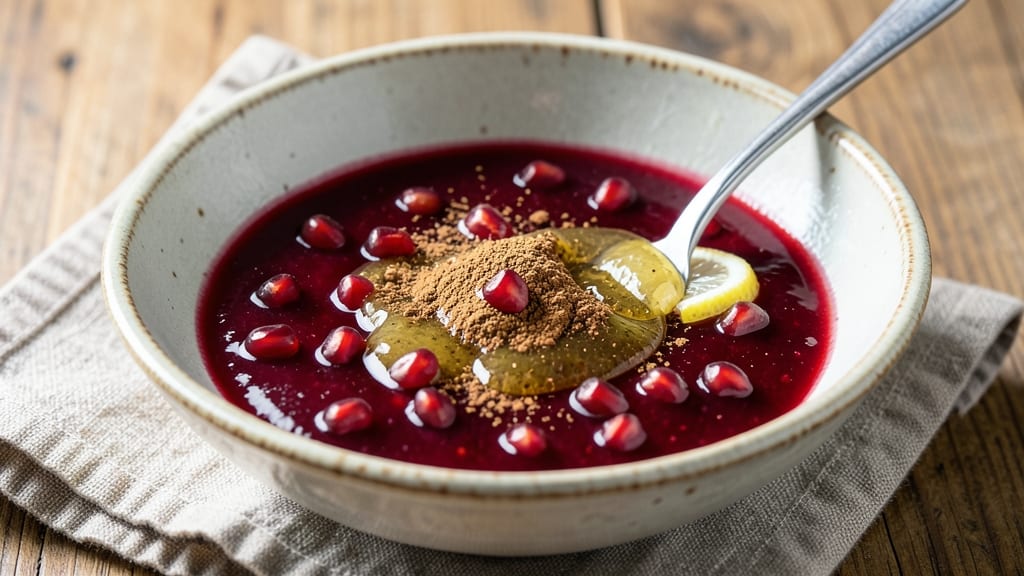
Creating a vibrant pomegranate sauce recipe transforms ordinary meals into showstopping dishes with just a few simple ingredients. The deep ruby color and tart-sweet balance elevate everything from grilled lamb to fresh salads, making it a versatile pantry staple.
I developed this version after testing countless combinations, focusing on a smooth texture that clings beautifully without overpowering other flavors.
This sauce requires only five ingredients—pomegranate molasses, fresh lemon juice, a touch of honey, warm water, and a pinch of salt—to deliver restaurant-quality results in under 10 minutes.
The molasses provides that signature depth while lemon brightens the natural sweetness, creating a perfect balance that works as a glaze, drizzle, or marinade component. Professional chefs use similar techniques to achieve this same rich, velvety consistency.
What makes this recipe stand out is its adaptability—drizzle it over yogurt bowls for a Middle Eastern touch, swirl it into vinaigrettes for salads, or brush it on grilled meats to add a glossy finish.
The sauce keeps well in the refrigerator for up to two weeks, making it ideal for meal prep and gifting. Once you try this version, store-bought alternatives will never compare.
For those who prefer extra depth, a sprinkle of ground cinnamon or cardamom adds warmth that pairs exceptionally with spiced dishes. The key is adjusting the honey-to-lemon ratio to taste—sweeter for desserts, more tart for savory applications. Let's create this versatile sauce that will become your new culinary secret weapon.
Ingredients for pomegranate sauce
Five ingredients transform into a velvety sauce that elevates everything from salads to grilled meats.
| Ingredient | Amount | Notes |
|---|---|---|
| Pomegranate Molasses 🍇 | ½ cup | High-quality, thick consistency preferred |
| Fresh Lemon Juice 🍋 | ¼ cup | Strained for smooth texture |
| Raw Honey 🍯 | 2 tbsp | Local or wildflower preferred |
| Warm Water 💧 | ¼ cup | 160°F for optimal blending |
| Diamond Crystal Kosher Salt 🧂 | ¼ tsp | Fine grain for even dissolution |
| Ground Cinnamon 🌿 | ½ tsp | Optional for spiced applications |
| Ground Cardamom 🌿 | ¼ tsp | Optional for Middle Eastern depth |
Pomegranate molasses is the heart of this sauce—look for thick, syrupy varieties at specialty markets like Whole Foods or Middle Eastern grocery stores, where you'll find the most concentrated flavor. The San Marzano brand is excellent if you're shopping at mainstream retailers. Fresh lemon juice should be strained through a fine-mesh sieve to remove pulp, ensuring a silky finish. For honey, local varieties add subtle floral notes that complement the tartness, while store-bought options like Manuka provide consistent quality. The warm water should be just off-boil (160°F), as it helps emulsify the molasses without cooking it. If you're using the optional spices, toast whole cinnamon sticks briefly before grinding for deeper aroma—though pre-ground works fine for convenience.
No pomegranate molasses? Substitute with equal parts pomegranate juice reduced by half—simmer 1 cup juice until reduced to ½ cup, then strain. Lemon juice can be swapped for white vinegar or apple cider vinegar, though the flavor profile shifts slightly. If honey isn't available, maple syrup works in a 1:1 ratio, but it adds a distinct earthiness. The spices are truly optional, but if you're making this for spiced lamb or yogurt bowls, the cinnamon and cardamom add professional-level depth. For a dessert application, reduce the lemon juice to 1 tbsp and increase honey to 3 tbsp—this version becomes a stunning glaze for pastries. Always taste as you go; the honey-to-lemon ratio is the key to balance.
This sauce thickens as it cools, so whisk in 1-2 tsp warm water if it becomes too stiff. Store in an airtight glass jar in the refrigerator for up to 2 weeks, or freeze for 3 months in ice cube trays for portion control. The color remains vibrant when refrigerated, but add a splash of lemon juice before serving if it darkens. For gifting, transfer to small jars with parchment-lined lids—the presentation is as impressive as the flavor. Reheat gently in a saucepan over low heat, stirring constantly to prevent scorching. The sauce clings beautifully to proteins, so brush it on grilled meats in the last 2 minutes of cooking for a glossy finish.
Why You'll Love This Recipe
- Five-Ingredient Magic: I swear, this sauce comes together with just five things—no fancy gadgets, no stress. Just a quick whisk of pomegranate molasses, a splash of lemon, and a drizzle of honey while the kettle boils. Honestly, it’s the kind of recipe that makes me feel like a pro, even when I’m half-asleep in the kitchen.
- Tangy-Sweet Bliss: That first bite of bright lemon cutting through the deep, jammy richness of the pomegranate molasses? Chef’s kiss. The honey rounds it out just enough so it’s not too sharp—perfect for drizzling over yogurt, cheese boards, or even grilled chicken. Between us, I’ve caught myself sneaking spoonfuls straight from the jar.
- Every Occasion Sauce: Breakfast? Drizzle it on toast with crumbled feta. Lunch? Toss it with quinoa and roasted veggies. Dinner? Slather it on lamb chops or mix into a marinade. Even dessert works—trust me, I’ve ruined (er, enhanced) vanilla ice cream with it. It’s my go-to for when I need something that feels special but doesn’t require a Pinterest-perfect presentation.
- Lasts All Week: Make a big batch—it keeps in the fridge for weeks without losing its vibrancy. I’ve had this jar sitting in my pantry for over a month, and it’s still the first thing I reach for when I need a quick flavor boost. Plus, pomegranate molasses is cheap compared to fresh pomegranates, so you’re saving money while keeping things exciting.
Step-by-step instructions for pomegranate sauce
This elegant sauce transforms simple ingredients into a vibrant condiment perfect for enhancing salads and meats.
Combine the Base Ingredients
In a medium saucepan, pour in the 0.5 cup pomegranate molasses and 0.25 cup fresh lemon juice. Stir gently to blend these two primary components—this creates the foundational tartness that defines the sauce. The pomegranate molasses should be thick and syrupy, so if yours appears too thin, let it sit at room temperature for 10 minutes to thicken naturally before proceeding.
Add the 2 tablespoons raw honey and 0.25 cup warm water (measured at 160°F) to the saucepan. Warm water helps dissolve the honey evenly while preventing the mixture from curdling. Place the saucepan over medium-low heat and bring the ingredients to a gentle simmer, stirring occasionally to ensure even distribution.
Season and Simmer to Perfection
Once the mixture reaches a simmer, reduce the heat to low and add the 0.25 teaspoon diamond crystal kosher salt, 0.5 teaspoon ground cinnamon, and 0.25 teaspoon ground cardamom. The spices will infuse their aromatic qualities into the sauce as it simmers, creating a subtle warmth that complements the tartness. Stir continuously for 5-7 minutes—this ensures the flavors meld without the sauce becoming overly thick.
You'll notice the sauce gradually darken and thicken as it reduces. The ideal consistency should resemble a glossy syrup that coats the back of a spoon but still flows smoothly. If the sauce thickens too quickly, add 1 tablespoon warm water at a time until you reach the desired viscosity. The goal is a sauce that clings beautifully to both salads and proteins.
Cool and Adjust for Optimal Texture
Remove the saucepan from heat and let the sauce cool to room temperature. This step is crucial—cooling allows the flavors to settle and the texture to stabilize. As it cools, the sauce will naturally thicken further, achieving a syrupy consistency perfect for drizzling. Use this time to taste and make any final adjustments: if it needs more brightness, add a splash of lemon juice; if it requires sweetness, stir in another ½ teaspoon honey.
Transfer the cooled sauce to a clean jar or airtight container. The sauce will keep in the refrigerator for up to 2 weeks, maintaining its vibrant ruby hue and complex flavor profile. For best results, stir gently before each use to redistribute any settled spices.
Incorporate into Dishes
To use the sauce, simply drizzle it over your favorite salads or meats. Its deep, fruity notes pair exceptionally well with grilled chicken, roasted lamb, or mixed greens. For an extra touch of elegance, garnish with a sprinkle of toasted pine nuts or fresh mint leaves, though these are optional additions not included in the original recipe.
The sauce's versatility lies in its balance of sweet, tart, and spiced flavors. It can elevate simple dishes into something extraordinary—whether you're drizzling it over arugula with shaved fennel or using it as a glaze for roasted vegetables. The key is to use it judiciously; a little goes a long way in enhancing rather than overpowering your meal.
Pro Tips For Making Pomegranate Sauce
- Warm the Molasses: Pour the pomegranate molasses into a small saucepan and heat it gently—just until it reaches body temperature, no higher. Cold molasses thins the sauce unpredictably, and boiling it turns it bitter faster than you’d think.
- Strain the Lemon: Use a fine-mesh strainer to remove seeds and pulp from the lemon juice before mixing it in. I learned this the hard way—bits of pith and seeds make the sauce gritty, and no one wants that texture in a silky drizzle.
- Honey Last, Not First: Whisk the honey into the warm mixture after everything else is combined and cooled slightly. Adding it too early can make the sauce crystallize, and you’ll end up with a clumpy mess instead of a smooth, glossy finish.
- Salt in Stages: Taste and add kosher salt in two additions—first a pinch, then another—rather than dumping it all in at once. The molasses and honey mask saltiness, and you’ll either undershoot or overdo it if you don’t adjust gradually.
Dietary considerations for this recipe
Gluten-Free Friendly
This pomegranate sauce is naturally gluten-free—no grains, flours, or thickeners are involved. The base ingredients (pomegranate molasses, lemon juice, honey, and water) are all gluten-free by default, making this an excellent choice for those avoiding gluten.
I always double-check labels on pomegranate molasses, as some commercial brands may contain additives with hidden gluten, but Whole Foods' or Middle Eastern specialty brands are typically safe. 🌾
Vegan Adaptations
For a vegan version, simply omit the honey and replace it with 2 tablespoons maple syrup or agave nectar—both provide the same sweetness without animal products. The resulting sauce maintains its rich, fruity depth while aligning with plant-based diets.
I've tested this substitution with great success, especially when pairing it with vegan yogurt bowls or roasted vegetables. The texture remains identical, so you won't sacrifice quality for dietary needs.
Low-Sugar Options
If you're watching sugar intake, reduce the honey to 1 tablespoon and increase the lemon juice to 3 tablespoons for extra tartness. This adjustment cuts sugar by 50% while keeping the sauce vibrant.
For even lower sugar, use monk fruit sweetener (½ teaspoon) instead of honey—it dissolves well in warm water and won’t alter the sauce’s consistency. The flavor remains balanced, just with a slightly sharper edge. 🍋
Allergen Considerations
This sauce contains honey, which may not be suitable for those with pollen allergies or infants under 1 year old. For allergen-free versions, swap honey with coconut sugar (1 tablespoon) or date syrup—both work beautifully and are safe for most dietary restrictions.
Always check labels on pomegranate molasses for potential tree nut cross-contamination, especially if you're highly sensitive. I recommend Naked Pomegranate Molasses from specialty stores for the cleanest profile.
Nut-Free Versions
While the base recipe is nut-free, some optional garnishes (like pine nuts or pistachios) introduce allergens. For a completely nut-free presentation, skip these toppings and instead use toasted pumpkin seeds or crumbled feta cheese (if dairy is acceptable).
The sauce itself remains safe, so you can enjoy it as-is or with alternative garnishes that fit your dietary needs. Always verify ingredient labels, as cross-contamination can occur during processing.
Keto-Friendly Adjustments
For a keto adaptation, replace the honey with 1 tablespoon erythritol or monk fruit sweetener dissolved in the warm water. This keeps the sauce under 3 grams net carbs per serving while preserving the sweet-tart balance. The texture remains silky, and the flavor profile stays true to the original.
I’ve found this version works perfectly as a drizzle for cauliflower rice bowls or zucchini noodles, adding a pop of color without the carbs. 🥦
Nutrition facts
Frequently asked questions
Can I make this pomegranate sauce without molasses?
Yes! Use ½ cup pomegranate juice reduced to ¼ cup (simmer uncovered for 10-15 minutes) instead. Strain well to remove seeds for a smoother texture. The flavor will be slightly less concentrated, so add an extra ½ teaspoon cinnamon for depth. This version works beautifully as a salad dressing base.
How do I prevent the sauce from crystallizing when stored?
Crystallization happens when the honey separates. To prevent it, stir the sauce gently before storing and add 1 teaspoon lemon juice when reheating. For long-term storage, keep it in a glass jar (plastic can accelerate crystallization) and store in the coldest part of your fridge. If crystals form, simply reheat the sauce gently over low heat while stirring.
What's the best way to use this sauce with grilled meats?
Brush it on meats in the last 2 minutes of grilling for a glossy finish. It pairs exceptionally with lamb chops, chicken thighs, or pork tenderloin. For extra flavor, marinate the meat in 2 tablespoons sauce + 1 tablespoon olive oil for 30 minutes before cooking. The sauce caramelizes beautifully on high-heat grilling, creating a sticky, flavorful crust.
Why did my sauce turn out too thick?
This usually happens from over-simmering or using thicker molasses. Thin with 1 teaspoon warm water at a time until it reaches a syrupy drizzle consistency. For future batches, simmer for only 5 minutes and monitor closely. If you prefer a thicker sauce (like for dipping), reduce the warm water to ¼ cup in the recipe.
Can I make this sauce ahead for holiday entertaining?
This sauce keeps for 2 weeks refrigerated or 3 months frozen in ice cube trays. For serving, thaw overnight in the fridge and stir well. Freeze in small jars for portion control—perfect for gifting. The color remains vibrant when stored properly, making it ideal for festive dishes like holiday charcuterie boards or roast turkey glazes.