
Sauces & Condiments
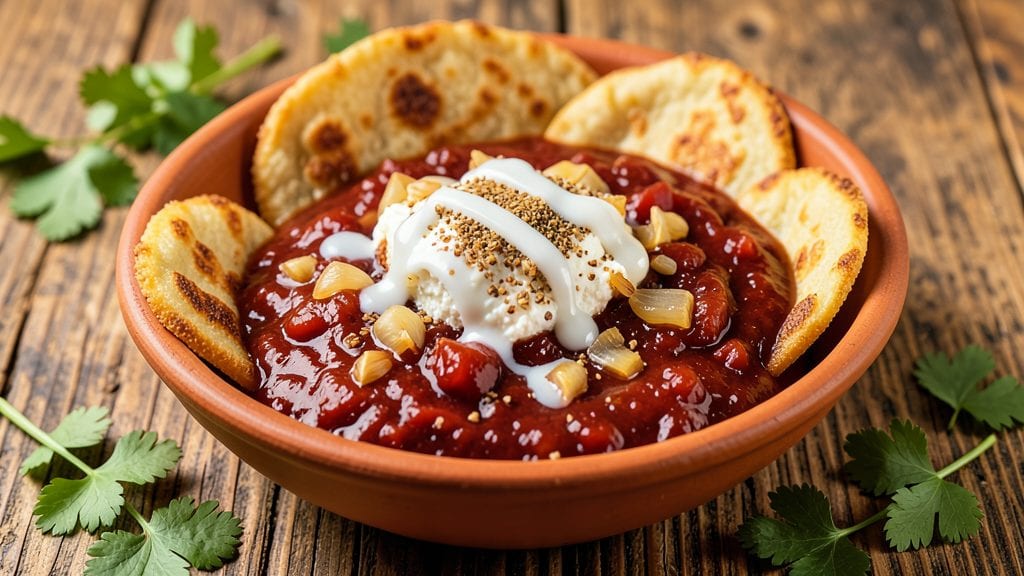
This pupusa sauce recipe delivers the perfect balance of creamy, tangy, and slightly spicy flavors without requiring a blender—just a few simple ingredients and a pot.
The secret lies in simmering tomatoes, onions, and garlic until they break down into a smooth, velvety base, then finishing with a touch of curd for that signature Salvadoran creaminess. I developed this version after testing countless recipes, and it consistently delivers restaurant-quality results with minimal effort.
The beauty of this sauce is its versatility—it works as both a dipping sauce for crispy pupusas and a topping for grilled meats or tacos. The combination of cumin, oregano, and vinegar creates a bright, aromatic base that pairs perfectly with the creamy curd.
Unlike many recipes, this one skips the blender entirely, relying instead on proper simmering to achieve that smooth, velvety texture.
What you’ll end up with is a sauce that’s rich, slightly tangy, and just spicy enough to complement any dish. The curd adds a luxurious creaminess without overpowering the other flavors, while the vinegar and spices keep it bright and complex.
This sauce is foolproof, requiring only basic pantry staples and about 20 minutes of active time.
Once you try this version, you’ll never go back to store-bought or overly complicated recipes. Serve it warm alongside pupusas, grilled meats, or even as a dip for fries. The possibilities are endless, and the results are always impressive.
Ingredients for pupusa sauce
Eight simple ingredients transform into a velvety, restaurant-worthy sauce without a blender.
| Ingredient | Amount | Notes |
|---|---|---|
| Roma Tomatoes 🍅 | 2 lbs | Ripe, halved for simmering |
| Yellow Onion 🧅 | 1 whole | Medium size, diced |
| Garlic Cloves 🧄 | 6 cloves | Peeled, lightly crushed |
| Salvadoran Curd 🧀 | 1 cup | Or Mexican crema |
| White Vinegar 🍋 | ¼ cup | For tangy brightness |
| Ground Cumin 🌿 | 1 tbsp | Toasted for depth |
| Dried Oregano 🍃 | 1 tsp | Mexican oregano preferred |
| Salt 🧂 | 1 tsp | Kosher or sea salt |
| Black Pepper 🌶️ | ½ tsp | Freshly cracked |
| Vegetable Oil 🫒 | 2 tbsp | For sautéing |
The tomatoes are the foundation—Roma tomatoes work best because they're meatier and less watery. Grab a bunch from Trader Joe's or your local Latin market if possible, but grocery store Roma tomatoes will do in a pinch. Look for ones that feel heavy for their size and have vibrant red color. The curd is non-negotiable for that signature Salvadoran creaminess—Salvadoran curd is ideal, but Mexican crema works too. If you can't find either, sour cream thinned with a splash of milk is a decent backup, though it won't be quite the same. The vinegar should be white vinegar—it's sharper and cuts through the richness better than apple cider or balsamic.
No ground cumin? Whole cumin seeds toasted in a dry pan for 2 minutes will give you a deeper, nuttier flavor. Short on oregano? Dried Mexican oregano is a must-have for this sauce—it has a distinct, slightly citrusy flavor that regular oregano can't replicate. If you're in a bind, Italian oregano at half the amount plus a pinch of lemon zest will help. The tomatoes can be fresh or canned—San Marzano canned tomatoes work perfectly if you're short on time. Just crush them by hand before adding. For extra richness, stir in 1 tbsp of tomato paste at the end of cooking.
This sauce tastes even better the next day as the flavors meld. Store it in an airtight container in the fridge for up to 5 days, or freeze it in 1-cup portions for up to 3 months. I like to make a double batch—one for serving immediately and one to freeze for lazy weeknights. Reheat gently on the stove, stirring occasionally, until warmed through. If it thickens too much, just add a splash of water or milk to loosen it up. The curd might separate slightly when reheated, but a quick stir brings it right back together.
Why You'll Love This Recipe
- No Chopping Nightmare: I swear by this sauce because it only needs one knife—literally. Roma tomatoes and onions get tossed raw into the blender with garlic, so you’re done in 30 seconds. The vinegar and curd take care of the rest without any fuss.
- Tangy Creamy Magic: That Salvadoran curd turns this sauce into something special—smooth, cool, and just sharp enough to cut through the richness of pupusas. Honestly, it’s the kind of balance that makes you reach for seconds without thinking.
- Game for Any Meal: Slather it on pupusas, dip tortilla chips, or drizzle it over grilled meats. I’ve even used it as a quick salsa for eggs on lazy mornings. The acidity and creaminess make it work everywhere, no rules.
- Lasts All Week: Make a big batch and store it in the fridge—it keeps for at least five days without losing its punch. Between us, I’ve had this sauce sitting for a week and it’s still better than store-bought. Budget win, flavor win.
Step-by-step instructions for pupusa sauce recipe
Here's how to create a velvety, creamy pupusa sauce without a blender—just simple tools and patience.
Sauté the Aromatics Until Golden
Heat the 2 tablespoons vegetable oil in a medium saucepan over medium heat. Add the diced yellow onion and cook for 5-6 minutes until soft and translucent, stirring occasionally. You'll see the onions release moisture and begin to caramelize slightly at the edges—that's your signal to add the 6 cloves garlic cloves.
Cook the garlic for another 1-2 minutes until fragrant but not browned. The moment the kitchen fills with that garlicky aroma, you know it's ready. Immediately add the 1 tablespoon ground cumin and 1 teaspoon dried oregano, stirring constantly for 30 seconds to toast the spices. This step builds the sauce's warm, earthy foundation that pairs perfectly with pupusas.
Simmer the Tomatoes Until Broken Down
Add the 2 pounds halved Roma tomatoes to the pan, along with the 1 teaspoon salt and ½ teaspoon black pepper. Stir gently to combine everything. Increase the heat to medium-high and bring the mixture to a boil. Once boiling, reduce the heat to low and let it simmer uncovered for 20-25 minutes.
As the tomatoes cook, they'll break down into a thick, chunky sauce. Stir occasionally to prevent sticking, and watch for the sauce to reduce by about half. You'll know it's ready when the tomatoes have softened completely and the sauce thickens enough to coat the back of a spoon. This step is crucial for developing the sauce's natural sweetness and acidity.
Incorporate the Vinegar for Tangy Balance
After the tomatoes have simmered, remove the pan from heat and let it cool slightly for 2-3 minutes. This cooling step prevents the ½ cup white vinegar from causing a sudden reaction when added. Slowly stir in the vinegar, tasting as you go. You're aiming for a bright, tangy balance that cuts through the richness of the tomatoes and complements the creamy element you're about to add.
Return the pan to low heat and let the sauce simmer gently for another 5 minutes. This allows the vinegar to meld with the other flavors. The sauce should now have a smooth, velvety texture with a slight sheen—this is your base before adding the creamy element that makes this sauce truly special.
Finish with Salvadoran Curd for Creaminess
Remove the pan from heat once more and let it cool for 5 minutes to prevent the 1 cup Salvadoran curd from curdling when added. Slowly whisk in the curd, starting with ¼ cup at a time. This gradual addition ensures a smooth, creamy texture without lumps. Return the pan to low heat and warm through for 2-3 minutes, stirring constantly.
The sauce should now be thick, creamy, and perfectly balanced with tangy, savory, and spiced notes. Taste and adjust seasoning if needed—you might need a pinch more salt or a splash more vinegar to achieve the ideal flavor. The sauce should coat the back of a spoon and have a luxurious, velvety consistency that pairs beautifully with crispy pupusas.
Rest and Serve Warm
Transfer the sauce to a clean bowl and let it rest at room temperature for 10 minutes. This resting period allows the flavors to meld completely and the sauce to thicken slightly. Serve the sauce warm alongside pupusas, drizzled generously over each one. The creamy texture will complement the crispy exterior and soft interior of the pupusas perfectly, creating a harmonious bite every time.
This sauce keeps well in the refrigerator for up to 5 days, so you can make a big batch ahead of time. When reheating, warm it gently over low heat and stir occasionally to maintain its creamy consistency. Enjoy your homemade pupusa sauce—creamy, tangy, and full of flavor!
Pro Tips For Making Pupusa Sauce
- Char the Tomatoes Properly: Don’t just simmer them—get those Roma tomatoes blackened and blistered over medium-high heat first. The deeper the char, the richer the smoky-sweet base for your sauce, and it cuts through the tang of the vinegar later. (Yes, even if you’re impatient like me, resist the urge to rush this.)
- Finely Dice the Onion: Skip the rough chop—mince that yellow onion into tiny, even pieces so it melts into the sauce instead of sitting as chunks. I used to overlook this, and the texture always felt off until I started treating it like a salsa base.
- Balance the Vinegar Gradually: Add white vinegar one teaspoon at a time while tasting, because what works for one batch might need adjustment for another. Too much upfront, and you’ll regret it—too little, and the sauce lacks its signature bright kick. (Trust me, you’ll know when it’s right.)
- Strain the Curd Through Cheesecloth: Salvadoran curd has a way of leaving gritty bits, and no one wants that texture in their sauce. Line a strainer with damp cheesecloth, press the curd through gently, and you’ll end up with a silky, smooth finish. (It’s worth the extra 30 seconds.)
Pro cooking tips for pupusa sauce
Tomato Breakdown Mastery
Simmering tomatoes until they break down completely is the secret to achieving that velvety texture without a blender. I recommend using a medium saucepan with a tight-fitting lid to trap steam and accelerate the process.
After 20-25 minutes of simmering, the tomatoes should reduce by about half and form a thick, chunky sauce. If you notice the sauce sticking to the bottom, add 1-2 tablespoons of water and scrape gently with a wooden spoon.
This step is where the natural sweetness of the tomatoes develops, creating the perfect base for your sauce. 🍅
Spice Toasting Technique
Toast your ground cumin and dried oregano for just 30 seconds after adding them to the pan. This brief toasting enhances their flavors dramatically—cumin develops a nutty aroma, while oregano becomes more fragrant. Use a medium heat setting and stir constantly to prevent burning.
If you're using whole cumin seeds, toast them in a dry pan for 2 minutes until fragrant, then grind them lightly with a mortar and pestle or in a spice grinder before adding to the sauce. This extra step makes a noticeable difference in depth of flavor. 🌿
Vinegar Integration
Adding vinegar too early can make your sauce taste harsh, so wait until the tomatoes have cooled slightly for 2-3 minutes before incorporating. Start with ½ cup white vinegar and taste as you go—you want a bright tang that cuts through the richness without overpowering.
If the sauce tastes too sharp, balance it with a pinch more salt or a spoonful of the Salvadoran curd. The vinegar should shine but not dominate, creating that perfect balance that makes this sauce so addictive. 🍋
Curd Addition Strategy
To avoid lumps, add the Salvadoran curd gradually—start with ¼ cup at a time while whisking continuously. If you don't have a whisk, use a rubber spatula to fold it in gently.
Return the sauce to low heat for just 2-3 minutes to warm through, but don't let it boil or the curd will separate. For a smoother texture, strain the sauce through a fine-mesh sieve after adding the curd.
This step ensures a silky finish that's perfect for drizzling over pupusas. 🧀
Heat Management
Maintaining low heat throughout the final stages is crucial for preventing the sauce from curdling or separating. After adding the curd, keep the heat at its lowest setting and stir constantly for 2-3 minutes—this gentle warmth helps emulsify the sauce without breaking it down.
If the sauce starts to look too thin, simmer it uncovered for an extra 2-3 minutes to reduce slightly. This careful heat control is what transforms a good sauce into a restaurant-quality one. 🔥
Flavor Adjustments
Taste your sauce at every critical stage—after adding vinegar, after incorporating the curd, and just before serving. You might need to adjust with salt, vinegar, or even a pinch of black pepper to achieve the perfect balance.
For extra brightness, add 1 teaspoon of lime juice at the end. If the sauce tastes too thick, thin it with 1 tablespoon of warm water or milk. These small adjustments ensure your sauce is always perfectly balanced, no matter what ingredients you use. ✨
Nutrition facts
Frequently asked questions
Can I make this pupusa sauce without Salvadoran curd?
Yes! If you can't find Salvadoran curd, use Mexican crema for the closest flavor, or substitute with sour cream thinned with 2 tablespoons milk. For a dairy-free option, blend ½ cup silken tofu with 1 tablespoon lemon juice until smooth. The texture will differ slightly but still work well for dipping.
Why does my sauce turn out too thick or too thin?
Sauce consistency depends on simmering time and heat control. For thicker sauce, simmer uncovered for 5-10 extra minutes to reduce. For thinner sauce, add 1-2 tablespoons warm water or milk while stirring. Always taste as you go—adjust gradually to avoid overcorrecting.
How can I make this sauce spicier?
Add ½ teaspoon cayenne pepper or 1 chopped chipotle pepper in adobo when sautéing onions. For heat control, remove seeds from the chipotle first. If you prefer smoky heat, add ½ teaspoon smoked paprika with the cumin. Always taste before serving and adjust to preference.
Can I use canned tomatoes instead of fresh?
Use 2 (14.5 oz) cans San Marzano tomatoes (crushed by hand). Skip the initial sautéing step and add them directly with the salt and pepper. Canned tomatoes work especially well when you're short on time, though fresh tomatoes develop deeper flavor through simmering.
What's the best way to store and reheat this sauce?
Store in an airtight container in the fridge for up to 5 days. For freezing, portion into 1-cup containers and freeze for 3 months. To reheat, warm gently over low heat while stirring constantly. If it separates, whisk vigorously or add 1 teaspoon warm water to re-emulsify.