
Sauces & Condiments
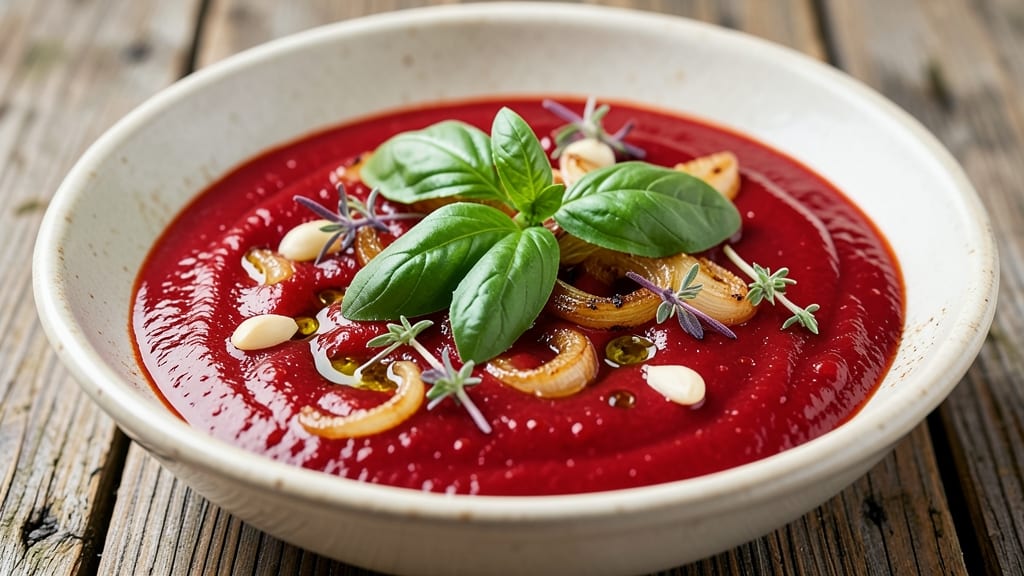
Rachael Ray’s red sauce recipe delivers that bold, umami-rich flavor you crave in just one pot, perfect for pasta, dips, or marinades. The secret lies in slow-simmering tomatoes, garlic, and herbs until they break down into a velvety, deeply flavorful sauce—no blender required.
I’ve adapted this technique to create a versatile, restaurant-quality sauce that’s foolproof and ready in under 30 minutes.
This sauce starts with crushed tomatoes, onions, and aromatics that develop layers of flavor as they simmer. The key is patience—letting the sauce reduce slowly intensifies the natural sweetness and depth, while a splash of red wine adds complexity.
It’s a simple yet sophisticated base that works as a marinade for grilled meats or a tangy dip for breadsticks. The result? A sauce that’s rich, balanced, and packed with umami—just like Rachael’s.
What makes this recipe stand out is its adaptability. Use it as a quick pasta sauce, a marinade for chicken or shrimp, or even a dip for crusty bread. The sauce thickens naturally as it simmers, so no extra thickeners are needed.
Store it in the fridge for up to 5 days or freeze for longer shelf life. It’s the kind of sauce that transforms simple meals into something special with minimal effort.
Ready to elevate your cooking with this one-pot wonder? Let’s get simmering—your taste buds will thank you.
Ingredients for rachael ray red sauce
Nine simple ingredients transform into Rachael Ray’s bold, umami-packed red sauce—perfect for pasta or dipping.
| Ingredient | Amount | Notes |
|---|---|---|
| Crushed Tomatoes 🍅 | 28 oz | High-quality canned San Marzano preferred |
| Yellow Onion 🧅 | 1 whole | Medium, finely diced |
| Garlic Cloves 🧄 | 4 cloves | Fresh, minced for depth |
| Dry Red Wine 🍷 | ½ cup | Bold Cabernet Sauvignon or Merlot |
| Fresh Basil Leaves 🌿 | ¼ cup | Torn, not chopped |
| Fresh Oregano 🍃 | 1 tbsp | Or 1 tsp dried |
| Extra-Virgin Olive Oil 🫒 | 2 tbsp | High-quality, fruity variety |
| Tomato Paste 🍅 | 2 tbsp | Squeeze tube preferred |
| Sea Salt 🧂 | 1 tsp | Diamond Crystal preferred |
| Black Peppercorns 🌶️ | ½ tsp | Freshly cracked |
The tomatoes are non-negotiable—San Marzano cans from Italy make all the difference with their sweet, meaty texture. Trader Joe's or Whole Foods carry them, and they’re worth the splurge. Fresh basil and oregano should be vibrant green, not wilted. The red wine adds depth, so grab a bold Cabernet or Merlot—whatever’s open in your fridge works too. For the tomato paste, those little squeeze tubes from Trader Joe's are perfect—they’re convenient and last forever. The garlic? Smell it first—if it’s pungent, it’s fresh. If it’s not, toss it.
No red wine? Substitute with beef broth—just use the same amount. Fresh herbs missing? Dried oregano at one-third the amount works in a pinch, but nothing beats the fresh stuff. The olive oil should be extra-virgin—cheap oil will make the sauce taste flat. For the tomato paste, if you’ve got sun-dried tomato paste, use half the amount—it’s more concentrated. The onions can be yellow or red, but yellow has a slightly sweeter flavor. And if you’re short on time, pre-minced garlic from the jar is fine, though fresh is always better.
This sauce tastes even better the next day as the flavors meld. Store it in a glass jar in the fridge for up to 5 days, or freeze for up to 3 months. I like to portion it into small containers so I can grab just what I need for pasta or marinades. If it thickens too much, just stir in a splash of water or broth. And if you make extra? Freeze it in ice cube trays for easy single-use portions later.
Why You'll Love This Recipe
- Wine in Every Bite: The splash of dry red wine cuts through the acidity of crushed tomatoes like magic—deep, rich, and just slightly tangy. Honestly, it’s the kind of flavor that makes you pause mid-bite, even if you’re scarfing down pasta at 7:30 PM.
- Pantry Staple Power: Between the onion, garlic, and basil, this sauce uses things you already have—no last-minute grocery runs. I’ll be real: I’ve made it with whatever wine was open, and it still tastes like a restaurant’s secret.
- Pasta Party Ready: Drizzle it over spaghetti, toss it with grilled chicken, or even slather it on garlic bread—this sauce disappears fast. My go-to? A big pot of rigatoni where everyone doubles back for seconds.
- Tastes Better Tomorrow: The flavors actually improve after a day or two in the fridge—deeper, smoother, and ready to reheat. Between us, that’s my favorite kind of leftovers: no sad, watery sauce, just richer, more complex bites.
Step-by-step instructions for Rachael Ray's red sauce recipe
Here's how to build this bold, one-pot sauce with layers of umami and bright acidity.
Sauté the Aromatics in Olive Oil
Heat the 2 tablespoons extra-virgin olive oil in a large, heavy-bottomed pot over medium heat. Add the 1 whole yellow onion, finely diced, and cook for 5-6 minutes until the edges begin to soften and turn translucent. This is your foundation—don't rush it.
Push the onions to the sides of the pot and add the 4 cloves minced garlic cloves. Stir immediately to prevent burning—garlic releases its flavor in seconds. Cook for 30 seconds until fragrant, then sprinkle in the 2 tablespoons tomato paste. Stir vigorously for 1 minute to create a rich, caramelized paste that will deepen your sauce's flavor profile.
Deglaze with Red Wine and Tomatoes
Pour in the 0.5 cup dry red wine and scrape up any browned bits from the bottom of the pot using a wooden spoon. This deglazing step captures all the concentrated flavors you've built so far. Let it simmer for 2-3 minutes until the wine reduces by half and its alcohol smell dissipates.
Add the 28 oz crushed tomatoes and bring to a gentle boil. Reduce heat to medium-low and let it simmer uncovered for 15 minutes, stirring occasionally. You'll see the sauce begin to thicken slightly as the tomatoes break down and release their juices. This is where the magic happens—patience here ensures a balanced sauce without bitterness.
Build Depth with Herbs and Seasonings
Tear the 0.25 cup fresh basil leaves by hand (don't chop—this preserves their delicate texture) and add them to the pot along with the 1 tablespoon fresh oregano. Stir gently to distribute the herbs evenly throughout the sauce. The basil will add bright, fresh notes that cut through the richness of the tomatoes.
Add the 1 teaspoon sea salt and 0.5 teaspoon freshly cracked black peppercorns. Taste the sauce at this stage—it should be seasoned but still bright. If you're using dried oregano, now's the time to add it. Let the sauce simmer uncovered for another 10 minutes, stirring occasionally, until it reaches your desired consistency. The sauce should coat the back of a spoon but still be loose enough to pour easily.
Simmer to Perfection
Continue simmering the sauce for 15-20 minutes until it thickens to a velvety consistency. You're looking for a sauce that clings to the back of a spoon but still has body. The longer it simmers, the more concentrated the flavors become—this is where the umami develops its depth.
Taste again and adjust the seasoning if needed. The acidity from the tomatoes should be balanced by the richness of the wine and herbs. If the sauce is too thick, add 1-2 tablespoons water to loosen it. Once you're satisfied with the texture and flavor, remove it from heat and let it rest for 5 minutes before serving. This resting period allows the flavors to meld completely.
Pro Tips For Making Rachael Ray Red Sauce
- SWEEAT DON’T BURN THE ONIONS: Start with medium heat—low is for wimps, but high is a fast track to charred bits that’ll make your sauce taste bitter. After 3-4 minutes, when the onions soften and turn translucent, lower the heat and keep them cooking until they’re golden, not crispy. I learned this the hard way after turning my first batch into a smoky, sad experiment.
- DEGLAZE WITH WINE IMMEDIATELY: As soon as you remove the onions (and garlic, if you’re browning them), pour in that dry red wine right away—don’t let the pan dry out. The wine will cling to the fond (those browned bits) and lift all the flavor into the sauce. Skip this, and you’re missing out on the richest part of the process.
- CRUSH THE TOMATOES BY HAND: Ditch the can opener’s lazy crush—use your fingers to break up the tomatoes into uneven chunks. This releases more juice and texture, giving your sauce body instead of a watery finish. (Yes, it’s messy. Yes, it’s worth it.)
- SALT THE BASIL LIKE IT’S SALTED CHOCOLATE: Toss the fresh basil leaves in a pinch of flaky salt before adding them to the sauce. This softens the leaves slightly and makes their flavor pop—no need to overcrowd the pot. (And if you’re using dried basil, halve the amount and add it at the very end.)
Flavor customization for these flavors
Spicy Kick Boost
Add 1-2 teaspoons of crushed red pepper flakes or ½ teaspoon cayenne pepper when you add the wine for a slow-building heat that intensifies as the sauce simmers. For smoky depth, swap in ½ teaspoon smoked paprika instead.
I like to finish with a pinch of Aleppo pepper for a more complex, fruity heat—it’s milder than cayenne but adds vibrant color. 🌶️
Sweet & Tangy Twist
Balance the acidity with 1 tablespoon of honey or agave syrup during the final 5 minutes of simmering. For a citrusy brightening, add 1 teaspoon of lemon zest and 1 tablespoon of fresh lemon juice at the end.
If you love umami, stir in 1 teaspoon of fish sauce or ½ teaspoon of soy sauce—it sounds unusual, but it adds a savory depth that’s hard to resist.
Herb Variations
Swap out the basil and oregano for other Mediterranean herbs to change the flavor profile completely. Try ½ cup fresh thyme leaves and 1 sprig rosemary for a rustic, earthy sauce perfect with roasted meats.
For a brighter taste, add ¼ cup fresh cilantro and 1 teaspoon of ground cumin—this works beautifully with tacos or grilled fish. Remove herbs before serving if you prefer a smoother texture.
Creamy & Rich Upgrade
For a velvety finish, stir in 2 tablespoons of heavy cream or ¼ cup ricotta cheese during the last 5 minutes of simmering. This adds a luxurious texture that pairs perfectly with pasta or as a dip for crusty bread.
If you’re making a sauce for lasagna, mix in ½ cup mascarpone cheese for a decadent layer. The cream should be warmed gently to avoid curdling.
Umami Bomb Additions
Boost the depth with 1 tablespoon of miso paste or ½ teaspoon of msg when you add the wine—it’s a secret weapon for restaurant-quality flavor. For a meaty note, stir in 1 tablespoon of beef or mushroom powder (like Better Than Bouillon).
If you’re using dried mushrooms, simmer 2-3 dried porcini mushrooms in the wine before straining them out—they’ll infuse the sauce with earthy, woodsy notes.
Regional Twists
For a Southern Italian touch, add ½ teaspoon of fennel seeds when sautéing the onions and finish with ¼ cup fresh parsley.
A Spanish-inspired version swaps red wine for ½ cup tomato juice and adds 1 teaspoon of smoked paprika and ½ teaspoon of saffron threads (steeped in 1 tablespoon warm water first). For a Mexican-style sauce, stir in 1 chipotle pepper in adobo sauce and ½ teaspoon of ground coriander.
Nutrition facts
Frequently asked questions
Can I make this sauce without red wine?
Replace the ½ cup red wine with ½ cup beef broth or tomato juice for the same depth of flavor. The acidity from the tomatoes will still balance the richness, and you won’t miss the wine. For extra umami, add ½ teaspoon soy sauce or 1 tablespoon miso paste to compensate for the missing wine notes.
How do I adjust the thickness of the sauce?
If the sauce is too thick, stir in 1-2 tablespoons water or broth while simmering. For a thicker texture, let it reduce longer (up to 30 minutes) uncovered. The sauce should coat the back of a spoon but still be pourable. If it’s too thin, simmer uncovered for 5-10 more minutes to evaporate excess liquid.
Can I use this sauce as a marinade?
Yes! This sauce makes an excellent marinade for chicken, shrimp, or tofu. Use 1 cup of sauce per pound of protein and marinate for 2-4 hours in the fridge. The acidity from the tomatoes and wine helps tenderize the meat while infusing it with bold flavor. For extra safety, reserve ¼ cup sauce to cook separately and toss with the protein at the end.
What’s the best way to store leftovers?
Transfer the cooled sauce to an airtight container and refrigerate for up to 5 days. For longer storage, freeze in 1-cup portions for up to 3 months. Thaw in the fridge overnight or reheat directly from frozen over low heat, stirring frequently. The sauce actually tastes better the next day as flavors meld!
Why does my sauce taste bitter?
Bitterness often comes from over-simmering or using low-quality tomatoes. Simmer uncovered on low heat to prevent bitterness, and always use high-quality crushed tomatoes (like San Marzano). If needed, balance the flavor with 1 teaspoon sugar or lemon juice at the end. Stirring occasionally helps prevent a skin from forming, which can also add bitterness.