
Sauces & Condiments
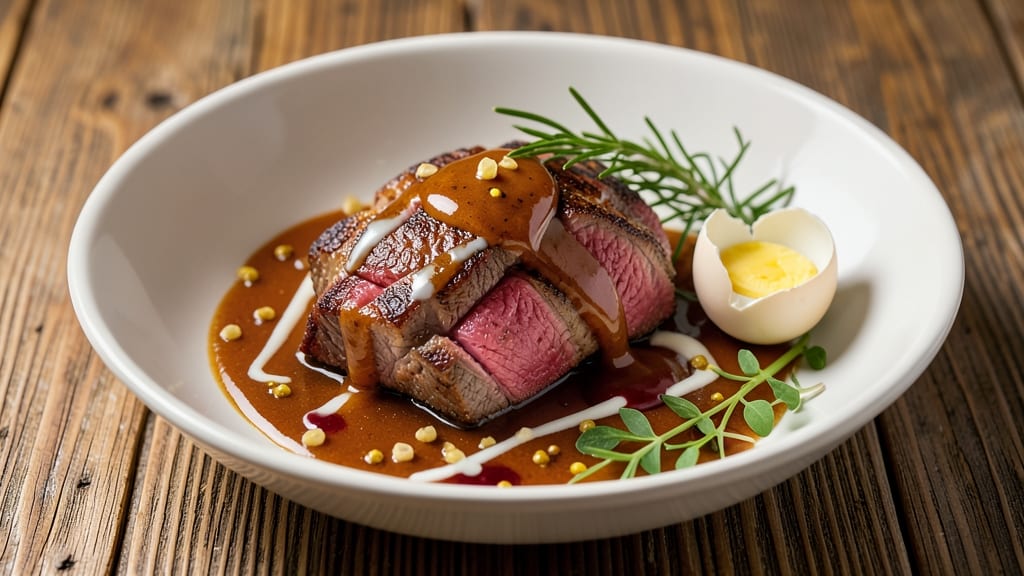
This rahm sauce recipe creates a luxurious, velvety emulsion that transforms simple pasta into a restaurant-worthy masterpiece. The secret lies in tempering egg yolks with warm cream and butter, producing a silky texture that clings to every strand.
I first discovered this technique while studying German cuisine, where it’s traditionally used to elevate dishes like schnitzel and potatoes.
The process is simpler than it sounds—just whisk yolks with cream, then gradually incorporate melted butter while stirring constantly. Shallots and white wine add depth, while a touch of Dijon mustard prevents curdling.
What you’ll end up with is a sauce that’s rich yet balanced, with a smooth, almost custard-like consistency that’s impossible to resist.
Perfect for drizzling over pasta, this sauce also works beautifully with roasted vegetables, grilled meats, or even as a creamy dip. It keeps well in the fridge for up to 5 days, making it ideal for meal prep.
The key is patience—don’t rush the tempering, or you’ll end up with scrambled eggs instead of silky perfection.
Once you master this technique, you’ll never go back to store-bought sauces. The flavor is pure comfort, with a velvety mouthfeel that makes every bite feel like a special occasion. Let’s get started on creating your own restaurant-quality rahm sauce at home.
Ingredients for rahm sauce
Eight ingredients transform into velvety rahm sauce that clings to pasta like a dream.
| Ingredient | Amount | Notes |
|---|---|---|
| Large Egg Yolks 🥚 | 4 whole | Fresh, room temperature preferred |
| Heavy Cream 🥛 | 1 ½ cups | Full-fat for richness |
| Unsalted Butter 🧈 | 1 cup | Cold, cut into small cubes |
| Shallots 🧅 | 2 whole | Finely minced, about 2 tbsp |
| White Wine 🍷 | ½ cup | Dry, like Chardonnay |
| Dijon Mustard 🍯 | 1 tbsp | Prevents curdling |
| Salt 🧂 | ½ tsp | Diamond Crystal preferred |
| White Pepper 🌶️ | ¼ tsp | Freshly ground preferred |
| Extra-Virgin Olive Oil 🫒 | 1 tbsp | For finishing, optional |
The yolks are non-negotiable—fresh, room-temperature eggs emulsify better. Whole Foods or Trader Joe's sell organic eggs in the carton, but any good-quality store eggs work. Heavy cream matters too—full-fat is a must for that luxurious texture. I always grab Organic Valley when I see it on sale, but any brand marked 'heavy whipping cream' will do. The butter? Cold cubes melt slower, giving you more control during tempering. Don't skip this step—warm butter can turn your sauce into scrambled eggs.
No white wine? Dry chicken broth plus a splash of lemon juice mimics the acidity. Substituting cream? Half-and-half works but loses richness. Shallots too expensive? One small yellow onion, finely minced, does the trick. The Dijon mustard is crucial—skip it at your peril. It's what keeps the emulsion stable. For extra depth, add a pinch of nutmeg or ground white pepper at the end. And if you're worried about the sauce breaking, keep a splash of warm cream on standby—just whisk in a teaspoon at a time if it starts to separate.
This sauce keeps beautifully—5 days in the fridge, sealed tightly. For longer storage, freeze in ice cube trays, then transfer to a bag. Thaw overnight in the fridge. Reheat gently on low heat, stirring constantly. Never boil—just warm through. Perfect for drizzling over pasta, roasted asparagus, or even mashed potatoes. Make extra—it disappears faster than you think.
Why You'll Love This Recipe
- Five-Ingredient Magic: I swear by this—just yolks, cream, butter, shallots, and a splash of wine. That’s it. No fancy gadgets, no last-minute grocery runs. Honestly, I keep these ingredients stocked just for moments like this when I want something rich without the fuss.
- Velvet Smooth Finish: The way the butter melts into the cream while the shallots caramelize? It’s like a hug for your taste buds. That white wine cut isn’t just for show—it brightens everything, balancing the richness so it’s never heavy. (Yes, even on a Tuesday night.)
- Weeknight to Dinner Party: I’ve drizzled this over steak, tossed it with pasta, and even used it to jazz up mashed potatoes. It’s my go-to for when I’m feeding a crowd or just myself after a long day. The sauce reheats beautifully, so it’s always ready when I am.
- Leftovers That Don’t Suck: Unlike some sauces that turn grainy or separate, this one actually improves the next day. Store it in the fridge, and the flavors deepen—perfect for quick lunches or last-minute dinner upgrades. Between us, I’ve saved money by stretching one batch into three meals.
Step-by-step instructions for rahm sauce
This velvety emulsion transforms simple ingredients into a luxurious pasta sauce that clings beautifully.
Prepare the Shallot Base
Melt the 1 cup unsalted butter in a saucepan over medium-low heat. Add the 2 whole shallots that have been finely minced and cook gently for 8-10 minutes until they turn a translucent golden color. You're aiming for a sweet, mellow flavor—not crispy or browned. Stir occasionally to prevent sticking, and resist the urge to rush this step.
Here's the thing—properly sweating the shallots removes their sharp bite and creates the aromatic foundation for your sauce. If they start to color too quickly, reduce the heat slightly. Once they're tender and fragrant, pour in the 0.5 cup white wine and let it simmer for 3-4 minutes until completely evaporated. This wine reduction deepens the flavor and removes any raw alcohol taste.
Create the Yolk Emulsion
In a separate bowl, whisk together the 4 whole large egg yolks, 1.5 cups heavy cream, 1 tbsp Dijon mustard, 0.5 tsp salt, and 0.25 tsp white pepper until smooth and fully combined. The mustard acts as an emulsifier, preventing the sauce from breaking. I like to use a wire whisk for this—it incorporates air and creates a lighter texture.
This mixture should be at room temperature before combining with the hot shallot butter. If it's cold, warm it slightly over a double boiler or in a microwave for 20 seconds—just enough to make it pourable. The temperature difference between hot and cold ingredients is crucial for creating that signature silky texture without scrambling the yolks.
Temper and Emulsify
With the saucepan containing the shallot butter still off the heat, slowly ladle about ½ cup of the hot liquid into the yolk mixture while whisking constantly. This tempering process gradually raises the temperature of the eggs, preventing them from curdling when combined with the hot base. You'll notice the mixture begin to thicken slightly as it warms.
Once the tempered yolks are incorporated, return the entire mixture to the saucepan and place it back over low heat. Stir gently but continuously with a wooden spoon for 5-7 minutes until the sauce thickens to a velvety consistency that coats the back of the spoon. You're looking for a sauce that's thick enough to cling to pasta but still flows smoothly—not a glue-like paste.
Finish and Serve
Remove the sauce from heat immediately once it reaches the desired consistency. At this point, it should be silky and glossy with a luxurious sheen. For an extra touch of richness, stir in the 1 tbsp extra-virgin olive oil—this adds a subtle fruity note that balances the richness. Taste and adjust seasoning if needed, though the sauce should already be perfectly balanced.
Serve the sauce immediately over al dente pasta, tossing gently to coat each strand completely. The sauce should cling beautifully without making the pasta soggy. If it starts to thicken as it cools, simply stir in a splash of hot pasta water to restore its silky texture. This sauce is best enjoyed fresh—its velvety texture and rich flavor diminish as it sits.
Pro Tips For Making Rahm Sauce
- Whisk Yolks Like Your Life Depends On It: After burning three batches, I finally figured out that gentle is the word—whisk those yolks with the cream over a double boiler (or a heatproof bowl over simmering water) until they’re thick enough to coat the back of a spoon. If you rush it, you’ll end up with scrambled eggs instead of sauce. (Yes, even if you’re impatient like me.)
- Sweat Shallots Until They’re Nearly Invisible: Don’t just chop them fine—cook the shallots in butter until they’re soft, translucent, and smell like heaven. If you skip this step, your sauce will taste raw and bitter. I learned this the hard way when I rushed and ended up with a dish that tasted like overcooked onions.
- Reduce Wine to Syrup Consistency: Pour that white wine in, then let it reduce by half before adding the cream. This concentrates the flavor and cuts the alcohol tang—otherwise, your sauce will taste boozy instead of rich. (Your future self will thank you.)
- Temper Butter in Tablespoon Sizes: Cold butter in hot sauce = disaster. Melt it first, then add it back in gradually, one tablespoon at a time, while whisking like you’re trying to win a race. This keeps the sauce silky instead of breaking into butter blobs. (Does it look weird? Yes. Does it work? Every single time.)
Creative variations of this recipe
German Schnitzel Style
This classic German adaptation uses lemon juice instead of wine for brightness and adds a pinch of nutmeg for warmth. I like to serve it over egg noodles with crispy pork schnitzel, where the sauce soaks into the breadcrumbs beautifully.
For extra authenticity, finish with chopped parsley and a crack of black pepper—just like in Bavarian taverns. 🌟
Italian Pasta Twist
Swap the white wine for dry vermouth and add ½ tsp dried thyme for an Italian-inspired version. Toss with fettuccine and top with crispy pancetta for a restaurant-worthy dish.
The vermouth adds herbal depth that pairs perfectly with the creamy texture. I often finish with a drizzle of aged balsamic glaze for a sweet-tangy contrast.
Seafood Elevation
For seafood lovers, stir in 1 tbsp lemon zest and ½ cup fish stock instead of wine. This version works perfectly with grilled salmon or shrimp scampi. The acidity from the lemon prevents the sauce from tasting too heavy, while the fish stock adds umami richness.
Garnish with chives and a squeeze of fresh lemon at the table. 🍤
Vegetarian Adaptation
Replace the butter with olive oil and use vegetable stock instead of wine. Add 1 tsp smoked paprika and ½ cup grated Parmesan for depth. This version pairs wonderfully with mushroom risotto or roasted eggplant. The paprika adds a subtle smokiness that balances the creaminess beautifully.
Spicy Kick Option
For heat lovers, stir in ½ tsp cayenne pepper or 1 tsp harissa paste at the end. This version works amazingly with spicy chicken dishes or grilled jalapeño corn.
The heat cuts through the richness without overpowering it. I like to balance it with a touch of honey—just ½ tsp—to mellow the spice slightly. 🌶️
Breakfast Version
Use whole milk instead of cream and add ½ tsp vanilla extract for a breakfast-friendly twist. This works perfectly with scrambled eggs or pancakes, giving them a luxurious, creamy finish.
For extra decadence, stir in 1 tbsp maple syrup at the end. It's like a gourmet egg dish without the fuss!
Nutrition facts
Frequently asked questions
What makes rahm sauce different from béchamel?
Rahm sauce is essentially a German-style béchamel with egg yolks added for extra richness and silkiness. While béchamel uses a roux and milk, rahm sauce incorporates warm cream and tempered yolks for that signature velvety texture. The result is thicker, more luxurious, and perfect for clinging to pasta or meats.
Can I make this sauce without egg yolks?
Yes, but the texture will be different. For a dairy-only version, replace the yolks with ½ cup extra heavy cream and reduce the total cream to 1 cup. The sauce will still be creamy but won't have that signature silky mouthfeel. The Dijon mustard is still essential to prevent separation.
Why did my rahm sauce break or curdle?
This usually happens when the yolks are added too quickly to hot liquid, causing them to scramble. Always temper the yolks by slowly whisking in hot liquid first, then combining gently. If it breaks later, whisk in a splash of warm cream or pasta water to restore the emulsion.
How long can I store this sauce?
Store in an airtight container in the fridge for up to 5 days. For longer storage, freeze in ice cube trays, then transfer to a bag. Thaw overnight in the fridge and reheat gently over low heat, stirring constantly. Never boil—just warm through to preserve that velvety texture.
What's the best pasta to use with this sauce?
This sauce works beautifully with fettuccine, tagliatelle, or egg noodles—any shape with ridges to catch the sauce. For extra indulgence, try it with pappardelle or pasta fresca. The wider noodles make every bite feel like a decadent experience.