
Sauces & Condiments
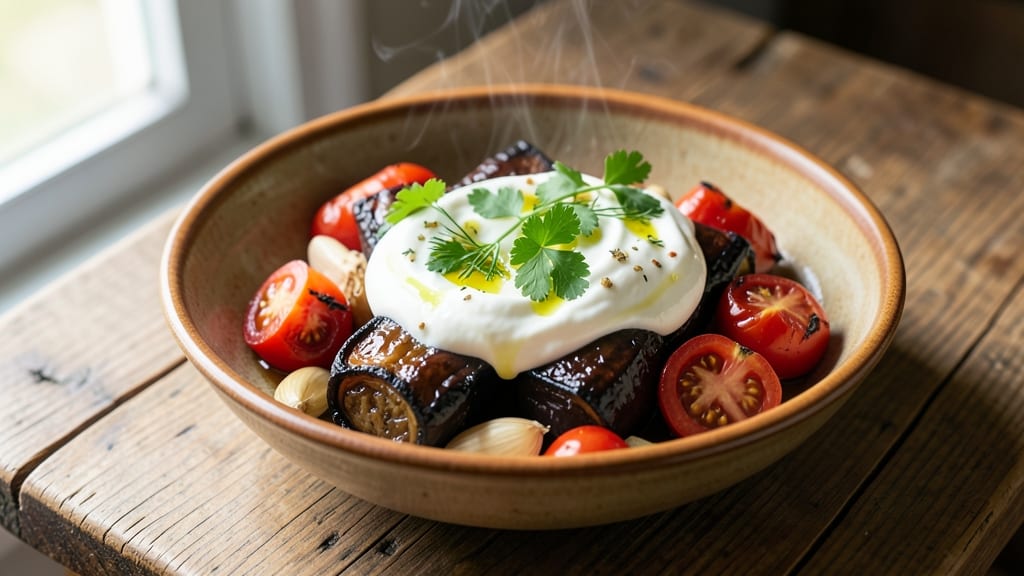
This roumalade sauce recipe transforms simple Mediterranean ingredients into a velvety, herb-forward condiment that elevates every dish it touches. The signature blend of yogurt, roasted eggplant, and fresh herbs creates a balance of tangy richness and earthy depth that’s impossible to resist.
I’ve perfected this version to deliver a smooth, spreadable consistency—ideal for dipping, marinating, or drizzling—while staying true to its traditional roots.
The secret lies in slow-roasting eggplant until it’s tender and caramelized, then blending it with strained yogurt, garlic, and a medley of fresh herbs like parsley and dill. A pinch of cumin and smoked paprika adds warmth without overpowering, while lemon juice brightens the flavors.
This sauce keeps beautifully in the fridge for up to 5 days, making it perfect for meal prep or entertaining.
What makes roumalade truly special is its versatility—use it as a dip for pita or fresh vegetables, a marinade for grilled meats, or a bold sauce for roasted dishes.
The texture is creamy yet light, with just enough body to cling to everything it touches. Once you try this, you’ll never reach for store-bought again.
For best results, let the sauce sit for 30 minutes before serving to allow the flavors to meld. Pair it with warm flatbread, grilled lamb, or even as a tangy topping for salads. Here’s how to make it—simple steps for restaurant-quality results at home.
Ingredients for roumalade sauce
Eight essential ingredients transform into Mediterranean magic—creamy, tangy, and full of flavor.
| Ingredient | Amount | Notes |
|---|---|---|
| Medium Eggplant 🍆 | 1 whole | Organic preferred, skin on |
| Strained Greek Yogurt 🥛 | 1 ½ cups | Full-fat for creaminess |
| Medium Tomatoes 🍅 | 2 whole | Roma or vine-ripened |
| Fresh Parsley 🌿 | ½ cup | Chopped, stems removed |
| Fresh Dill 🌿 | ¼ cup | Chopped, stems removed |
| Garlic Cloves 🧄 | 4 cloves | Peeled, roughly chopped |
| Extra-Virgin Olive Oil 🫒 | ½ cup | High-quality, fruity |
| Lemon Juice 🍋 | 2 tbsp | Freshly squeezed |
| Ground Cumin 🌿 | ½ tsp | Toasted for depth |
| Smoked Paprika 🌶️ | ½ tsp | Sweet or mild |
| Sea Salt 🧂 | ¾ tsp | Diamond Crystal preferred |
| Black Pepper 🌶️ | ¼ tsp | Freshly ground |
The eggplant and tomatoes are the heart of this sauce. Look for firm, heavy eggplants—they roast best—and Roma tomatoes if you can find them. Whole Foods or local markets often carry the best varieties. If you're short on time, Trader Joe's has pre-ripened tomatoes that work perfectly. The yogurt needs to be strained for that perfect spreadable texture—Greek yogurt from the refrigerated section works best. For the herbs, fresh is non-negotiable here—they bring that bright, fresh Mediterranean flavor that dried just can't match.
No smoked paprika? Regular paprika plus a pinch of cayenne gets you close. Fresh dill hard to find? Substitute half the amount of fresh parsley—it won't be identical, but it works in a pinch. The tomatoes can be roasted with the eggplant, or you can use canned crushed tomatoes in a bind (just drain them well). For extra richness, add a tablespoon of tahini to the blend. The olive oil matters too—avoid the cheap stuff—it should be fruity and peppery. If your sauce seems too thick after blending, stir in a splash of warm water or extra lemon juice to loosen it up.
This sauce keeps beautifully for 5 days in the fridge, sealed in an airtight container with a thin layer of olive oil on top to preserve freshness. For longer storage, freeze in ice cube trays—perfect for single servings. It actually tastes better the next day as the flavors meld. I like to make double batches because it disappears so fast—pita chips, grilled meats, or as a salad dressing—it's always in demand around here.
Why You'll Love This Recipe
- No-Fuss Roasted Base: I swear, the eggplant does all the work here. Just roast it whole with salt—no peeling, no dicing—until it’s tender enough to mash. That smoky depth from the skin? Pure flavor shortcut.
- Herb-Forward Magic: Between the bright parsley and dill, this sauce tastes like summer in a bowl. The yogurt keeps it creamy but never heavy, and the tomatoes add just enough tang to balance everything.
- Weeknight to Party: Slather it on grilled chicken for dinner, dollop it on toast with a fried egg for breakfast, or serve it chilled with pita at your next barbecue. Same effort, endless uses.
- Budget-Friendly Staple: Eggplant and tomatoes are cheap, and a tub of yogurt lasts forever. Make a big batch—it keeps for days, and the flavor actually improves as it sits. My wallet and taste buds thank me.
Step-by-step instructions for roumalade sauce
This Mediterranean sauce delivers bold flavors with minimal effort—just follow these precise steps.
Roast the Eggplant and Tomatoes Until Caramelized
Preheat your oven to 400°F and line a baking sheet with parchment paper. Pierce the whole medium eggplant and 2 whole medium tomatoes with a fork in several places—this prevents them from bursting during roasting. Place them on the prepared baking sheet and drizzle with 2 tablespoons of the extra-virgin olive oil. Sprinkle evenly with 0.5 teaspoon ground cumin, 0.5 teaspoon smoked paprika, 0.75 teaspoon sea salt, and 0.25 teaspoon black pepper. Toss gently to coat.
Roast for 30-35 minutes, flipping halfway through, until the eggplant and tomatoes are deeply caramelized with soft, wrinkled skin. The eggplant should collapse slightly, and the tomatoes should burst open, releasing their juices. Let them cool for 10 minutes before handling—they'll be extremely hot and tender. This roasting step builds the sauce's rich, smoky depth.
Blister the Garlic and Toast the Herbs
While the eggplant and tomatoes roast, heat a small skillet over medium-low heat. Add the 4 peeled garlic cloves and cook, stirring occasionally, until they're golden brown and fragrant—about 3-4 minutes. Be careful not to burn them; they should smell sweet and nutty, not bitter. Remove the garlic from the skillet and set aside.
In the same skillet, add the 0.5 cup fresh parsley and 0.25 cup fresh dill, stems removed. Toast the herbs for 1-2 minutes, stirring constantly, until they release their aromatic oils and turn vibrant green. This step intensifies their flavor and prevents them from becoming bitter in the finished sauce. Transfer the toasted herbs to a cutting board and roughly chop them.
Combine Roasted Vegetables, Yogurt, and Aromatics
Once the eggplant and tomatoes have cooled, peel off the eggplant skin (it should slide off easily now) and remove the tomato stems. Transfer both to a food processor along with the toasted garlic and chopped herbs. Pulse until the mixture is coarsely chopped but still textured—you want some bite, not a smooth purée. Scrape down the sides as needed.
Add the 1.5 cups strained Greek yogurt, 0.5 cup extra-virgin olive oil, and 2 tablespoons lemon juice to the food processor. Pulse again until everything is just combined, with a few small chunks remaining for texture. Taste and adjust seasoning if needed—this sauce should balance tangy, creamy, and smoky flavors. Real talk: the yogurt adds richness, but the lemon juice cuts through it, so don't skip that step.
Rest and Serve for Maximum Flavor
Transfer the roumalade to a serving bowl and let it rest at room temperature for 15-20 minutes. This allows the flavors to meld and the sauce to reach its ideal consistency—thick enough to coat the back of a spoon but still spreadable. If the sauce is too thick after resting, whisk in 1-2 tablespoons water or reserved tomato juices to loosen it.
Serve the roumalade immediately over grilled meats, with warm flatbread, or as a dip for fresh vegetables. The contrast of warm, smoky eggplant and tomatoes with the cool, creamy yogurt makes this sauce unforgettable. Store any leftovers in an airtight container in the refrigerator for up to 3 days, though it's best enjoyed fresh.
Pro Tips For Making Roumalade Sauce
- CHAR THE EGPLANT FIRST: Roast the eggplant whole at 400°F (200°C) for 45 minutes—until the skin blackens and the flesh collapses. I learned this the hard way: boiling or microwaving leaves it waterlogged, and your sauce will turn into a sad, thin mush. The char adds depth, and the flesh peels off like butter once it’s cool enough to handle.
- SALT THE YOGURT: Mix ½ teaspoon salt into the Greek yogurt before blending it with the other ingredients. My grandmother swore by this, and she was right: it balances the acidity of the tomatoes and keeps the sauce from tasting bland, especially if you’re using low-sodium yogurt. Stir it in early—trust me, you’ll notice the difference.
- STRAIN THE TOMATO PULP: After cooking the tomatoes down, strain them through a fine-mesh sieve to remove skins and seeds. I was skeptical until I tried it—it cuts the bitterness and gives you a silky texture instead of a chunky, watery mess. Skip this, and your roumalade will taste more like tomato soup than the creamy, herby sauce you’re after.
- TOAST THE HERBS SEPARATELY: Pulse the parsley and dill in a dry pan over medium heat for 30 seconds until fragrant. This makes a real difference—it intensifies their flavor without cooking them into oblivion in the yogurt mixture. Add them to the sauce at the very end, just before serving, so they stay bright and vibrant.
Flavor customization for this recipe
Spicy Heat Boost
For a fiery kick, add 1 teaspoon of harissa paste to the food processor with the yogurt and herbs. This North African chili paste brings deep, smoky heat that pairs perfectly with the sauce’s creamy base.
If you prefer milder heat, stir in ½ teaspoon of cayenne pepper or 1 teaspoon of red pepper flakes—adjust to taste. I like to finish with a drizzle of hot honey (mix 1 tablespoon honey with ½ teaspoon cayenne) for a sweet-spicy contrast that elevates the dish. 🌶️
Creamy Tahini Twist
Swap out half the yogurt for ¼ cup tahini to create a nutty, velvety variation. The tahini adds richness and a subtle bitterness that balances the sauce’s sweetness. For best results, whisk the tahini into the sauce after blending and let it sit for 5 minutes to fully emulsify.
This version works beautifully as a dip for roasted vegetables or as a marinade for grilled chicken. I often add 1 teaspoon of sumac for a tangy, citrusy brightness that cuts through the tahini’s heaviness. 💛
Herb-Forward Variation
Double the fresh herbs—use 1 cup parsley and ½ cup dill—and add 2 tablespoons of fresh mint for a brighter, more aromatic profile. This variation shines when served with grilled lamb or as a cooling accompaniment to spicy dishes.
For an extra layer of complexity, stir in 1 teaspoon of za’atar (a Middle Eastern spice blend) after blending. The herbs should be finely chopped to avoid an overly chunky texture. 🌿
Smoky Chipotle Fusion
Infuse the sauce with smoky depth by adding 1-2 chipotle peppers in adobo sauce (minced) to the food processor. The smoky, slightly sweet heat from the chipotle transforms the roumalade into a bold, complex condiment. For a smoother texture, strain the sauce through a fine-mesh sieve after blending.
This version pairs exceptionally well with grilled steaks or as a dip for tortilla chips. I like to finish with a sprinkle of crumbled feta cheese for a salty contrast. 🔥
Citrus Zest Upgrade
Brighten the sauce with 1 tablespoon of grated lemon zest and an extra 1 tablespoon of lemon juice. The zest adds a fragrant, floral note that lifts the entire dish. For a tropical twist, substitute 1 tablespoon of orange zest and 1 tablespoon of orange juice instead.
This variation works beautifully as a marinade for seafood or as a tangy topping for grilled vegetables. The citrus also helps balance the richness of the yogurt and eggplant. ✨
Garlic Lover’s Version
Increase the garlic to 6 cloves and toast them until deeply golden for an intense, aromatic flavor. For an extra layer of complexity, add 1 teaspoon of garlic powder to the roasted eggplant and tomatoes before blending.
This version is perfect for those who love bold garlic flavors—it adds a punch that complements grilled meats or hearty breads. I often serve this with extra garlic bread on the side for dipping. 🧄
Nutrition facts
Frequently asked questions
What's the best way to store leftover roumalade sauce?
Transfer the sauce to an airtight container and refrigerate for up to 5 days. For longer storage, freeze in ice cube trays—perfect for single servings. Always cover with a thin layer of olive oil before sealing to preserve freshness. The flavors actually improve after resting overnight!
Can I make this sauce without a food processor?
Use a sturdy blender or mortar and pestle for the roasted vegetables. For the yogurt mixture, whisk vigorously by hand until smooth. The texture will be slightly chunkier but still delicious. Just pulse or blend longer than usual to break down the eggplant and tomatoes.
How can I adjust the thickness of the sauce?
If too thick, whisk in 1-2 tablespoons warm water or reserved tomato juices. For a thicker version, blend longer or strain through a fine-mesh sieve to remove excess liquid. The ideal consistency should coat the back of a spoon but still be spreadable.
What's the best way to use roumalade sauce?
This versatile sauce works as a dip for warm pita or veggies, a marinade for grilled meats, or a tangy topping for roasted dishes. It also makes an excellent salad dressing when thinned with a bit of olive oil. The creamy texture pairs perfectly with both hot and cold dishes.
Why does my roumalade taste too bitter?
Over-roasted eggplant or burnt garlic are common culprits. Ensure eggplant is tender (not mushy) and garlic is golden, not blackened. Add 1 extra tablespoon lemon juice or ½ teaspoon sugar to balance bitterness. Fresh herbs should be toasted just until fragrant, not wilted.