
Sauces & Condiments
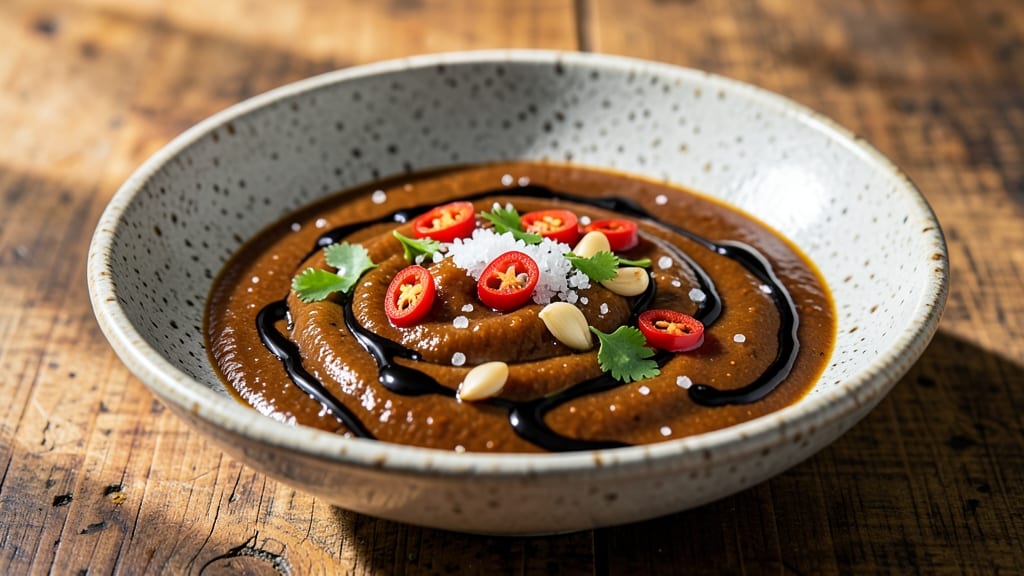
This sambal sauce recipe transforms simple pantry staples into a vibrant, fiery condiment that bridges Southeast Asian boldness with kitchen versatility. The key lies in balancing fresh chilies with aromatic garlic and tangy vinegar—no specialty equipment required, just a blender and patience for layering flavors.
I developed this version after realizing most store-bought sambal lacks the bright, fresh heat of homemade versions, where every ingredient plays a crucial role.
The beauty of this sauce is its adaptability—whether you need a quick marinade, a bold dipping sauce, or a finishing touch for stir-fries. Five core ingredients (including fresh chilies) create depth without complexity, while the blending technique ensures a smooth yet textured consistency.
The result? A sauce that delivers restaurant-quality heat with a clean finish, perfect for those who crave authentic flavor without the fuss.
What sets this apart is the balance: fresh chilies provide the signature heat, while garlic and vinegar add complexity that prevents one-dimensional spiciness. The sauce thickens naturally as it sits, developing richer notes over time—ideal for meal prep.
Store it in the fridge for up to two weeks, or freeze for longer shelf life without sacrificing flavor.
Use it to elevate grilled meats, drizzle over noodles, or mix into dressings—this sambal transforms ordinary dishes into extraordinary ones. The process is straightforward, but the impact is undeniable, proving that bold flavors don’t require complicated techniques.
Ingredients for sambal sauce
Five core ingredients create vibrant sambal with restaurant-quality heat and clean finish.
| Ingredient | Amount | Notes |
|---|---|---|
| Fresh Red Bird's Eye Chilies 🌶️ | ½ lb | Stems and seeds removed for milder heat |
| Garlic Cloves 🧄 | 8 whole | Peeled, for aromatic depth |
| White Vinegar 💧 | ¼ cup | Balances heat with acidity |
| Soy Sauce 🍶 | 2 tbsp | Use light soy for authentic flavor |
| Cane Sugar 🍯 | 1 tbsp | Enhances sweetness and caramelization |
| Salt 🧂 | 1 tsp | Diamond Crystal preferred for purity |
| Extra-Virgin Olive Oil 🫒 | 2 tbsp | For smooth texture and richness |
| Lime Juice 🍋 | 1 tbsp | Freshly squeezed for brightness |
The chilies are the foundation—fresh Bird's Eye chilies deliver that signature bright heat. If you can't find them, Thai bird's eye chilies from an Asian market are ideal, but serrano or jalapeño peppers work in a pinch (adjust quantity for heat preference). Remove stems and seeds for milder heat, but leave them for maximum spice. Garlic should be freshly peeled—pre-minced garlic loses flavor quickly. For vinegar, white vinegar or apple cider vinegar both work, but white vinegar is traditional. The soy sauce matters too: light soy sauce provides the umami depth without overpowering the chilies.
No fresh chilies? Dried red chilies can be rehydrated in hot water for 15 minutes, but the texture will differ slightly. Substitute 2 tbsp chili flakes if absolutely necessary, but expect less complexity. The cane sugar might seem unusual, but it's essential for balancing the heat and adding a subtle caramel note. Brown sugar works too, though it may darken the sauce slightly. For the olive oil, high-quality extra-virgin ensures a smooth finish—cheap oils can make the sauce taste flat. Lime juice is non-negotiable for brightness, but if you're out, lemon juice at the same amount will work. The salt should be Diamond Crystal kosher salt for optimal purity and dissolution.
Store the sambal in an airtight glass jar in the refrigerator for up to two weeks. The flavors deepen over time, so making a batch ahead is ideal. For longer storage, freeze in ice cube trays—thaw and blend with a splash of water if needed. The sauce thickens naturally as it sits, so stir well before each use. If it becomes too thick, add a teaspoon of water or vinegar to restore consistency. This sauce elevates everything from grilled meats to noodles, so make extra—you'll want it on hand.
Why You'll Love This Recipe
- I’ll be real: this sauce comes together with stuff I already have. No fancy shopping trips—just chilies, garlic, and a few staples. That vinegar cut? Chef’s kiss. It balances the heat so well, even my picky husband doesn’t complain.
- Pantry Magic: I’ll be real: this sauce comes together with stuff I already have. No fancy shopping trips—just chilies, garlic, and a few staples. That vinegar cut? Chef’s kiss. It balances the heat so well, even my picky husband doesn’t complain.
- Heat Control Made Easy: Here’s what sold me—adjusting the spice level is ridiculously simple. Slip in more chilies for a kick, or halve them for a gentle burn. The sugar and soy sauce mellow it out just enough to make it work with everything—no guesswork, just good judgment.
- Weeknight Superstar: Between us, this is my go-to for lazy dinners. Drizzle it over stir-fries, eggs, or even toasted bread—no one’s turning it down. And honestly? It’s the secret weapon that turns a basic meal into something people actually ask for seconds of.
Step-by-step instructions for sambal sauce recipe
Master this classic Indonesian condiment with precise technique and bold flavors.
Prepare the Chilies and Garlic
Begin by removing stems and seeds from the 0.5 lb fresh red bird's eye chilies—this controls heat while preserving depth of flavor. I like to make small slits along each chili before peeling off the stems to ensure all seeds are removed. Cut the chilies into ¼-inch pieces for even cooking.
Next, peel the 8 whole garlic cloves and separate them into individual cloves. This ensures even cooking and prevents large chunks that might not fully infuse. Set both the chili pieces and garlic aside on a clean cutting board—you'll want them ready to cook immediately to preserve their freshness and prevent oxidation.
Toast the Aromatics for Maximum Flavor
Heat a small skillet over medium heat and add the 2 tbsp extra-virgin olive oil. Once the oil shimmers but doesn't smoke, add the chili pieces and garlic. Cook for 3-4 minutes, stirring frequently, until the garlic turns golden brown and the chilies begin to soften slightly. The aroma should be intense and slightly smoky—this is your cue that the flavors are developing properly.
Watch carefully here—garlic burns quickly. If you see it darkening too much, reduce the heat slightly and continue cooking. The goal is to toast the aromatics without burning them, which would create bitter flavors. Once the chilies are softened and the garlic is fragrant, remove the skillet from heat and let the mixture cool for 2 minutes.
Blend the Base Ingredients
Transfer the toasted chili and garlic mixture to a blender or food processor. Add the 0.25 cup white vinegar, 2 tbsp soy sauce, 1 tbsp cane sugar, and 1 tsp salt. The vinegar will help break down the chilies and garlic further, creating a smoother texture. Pulse the mixture until it reaches your desired consistency—smooth for a classic sambal or slightly chunky for texture.
Taste the mixture at this stage. The balance should be sharp from the vinegar, salty from the soy and salt, and slightly sweet from the cane sugar. If it needs more heat, add a pinch of salt or a splash of vinegar. If it's too acidic, a tiny bit more sugar can help balance the flavors. This is where you fine-tune the foundation of your sauce.
Finish with Lime Juice and Rest
Pour the blended mixture back into the skillet and add the 1 tbsp lime juice. Simmer over low heat for 5-7 minutes, stirring occasionally, until the sauce thickens slightly and the flavors meld together. The lime juice adds brightness and cuts through the richness of the oil and soy sauce, creating a well-rounded profile.
Remove the sambal from heat and let it cool to room temperature. This resting period allows the flavors to fully develop and the sauce to thicken naturally. If you prefer a smoother texture, strain the sauce through a fine-mesh sieve to remove any remaining solids. Transfer to a clean jar and store in the refrigerator for up to 2 weeks—the flavors will continue to deepen over time.
Adjust and Serve
Before serving, taste the sambal again. The sauce should be bright, tangy, and balanced with a lingering heat. If it's too thick, thin it with a splash of water or vinegar. If it lacks heat, add a pinch of salt or a tiny bit of chili powder. Sambal is incredibly versatile—use it as a condiment for grilled meats, a marinade, or a dipping sauce for spring rolls.
For the best results, serve the sambal at room temperature. The heat should be noticeable but not overwhelming, with layers of garlic, vinegar, and lime cutting through the richness. This sauce is the heart of many Southeast Asian dishes, and mastering it unlocks a world of bold, flavorful possibilities.
Pro Tips For Making Sambal Sauce
- STRIP THE CHILIES FAST: Slit the Bird’s Eye chilies lengthwise before chopping—they’ll yield more flesh and less searing time. I used to hack them crosswise, but this keeps the heat intact and speeds things up by half.
- PULSE GARLIC COLD: Run garlic through the food processor after the chilies, not before—this prevents it from burning into bitter sludge. Cold garlic also releases more flavor when cooked, and you’ll save yourself from scraping burnt bits off the pan.
- VINEGAR LAST, NOT FIRST: Add white vinegar at the very end, just before blending, or your sauce will turn cloudy and lose brightness. I learned this after making a batch that looked like murky pond water—no one wants that on their fried rice.
- SUGAR TO SOY RATIO MATTERS: Use half the sugar of soy sauce by weight (e.g., 1 tsp sugar per 2 tbsp soy) to balance heat without cloying sweetness. Too much sugar turns sambal into syrup; too little leaves it flat. Taste as you go—your mouth knows better than the recipe.
Troubleshooting great sambal sauce
Uneven Heat
If your sambal tastes inconsistent—some areas scorching hot while others mild—it’s likely due to uneven chili distribution. I’ve found that blending the chilies first before adding other ingredients solves this.
Pulse the chilies alone in the blender for 10-15 seconds to break them down into smaller pieces before incorporating garlic and liquids. For extra insurance, strain the blended mixture through a fine-mesh sieve to remove any large chili chunks that might create heat pockets. 🌶️
Sauce Too Thin
A watery sambal usually means overblending or insufficient cooking time. To fix this, simmer the blended mixture uncovered over low heat for 5-7 minutes to reduce excess moisture. If it’s still too thin, add 1 tsp cornstarch mixed with 1 tsp water and stir until thickened.
For prevention, toast the chilies and garlic longer—until they’re almost caramelized—to draw out more natural oils and reduce liquid content during blending.
Garlic Burns Too Quickly
Overly bitter garlic is a common issue when cooking sambal. The fix? Lower the heat to medium-low once the garlic starts to turn golden, and stir constantly.
I’ve also had success by adding the garlic to the hot oil in two batches, letting each batch cook for 1-2 minutes before adding the next. This prevents overcrowding, which raises the pan temperature.
If the garlic does burn, reduce the amount to 6 cloves next time—less is more for delicate flavors.
Lacking Depth of Flavor
If your sambal tastes flat or one-dimensional, the issue is often underdeveloped aromatics. Ensure you’re toasting the chilies and garlic until they’re fragrant and slightly darkened—this step is non-negotiable. For extra complexity, add 1 tsp toasted shallots or ½ tsp ground coriander to the blend.
Another trick? Let the blended sauce sit at room temperature for 30 minutes before tasting—flavors deepen significantly during this resting period. 💡
Sauce Separates
Oil separation happens when the emulsion isn’t stable, usually due to insufficient blending or too much oil. To fix it, whisk the sauce vigorously or blend it again briefly. For prevention, add the olive oil gradually while blending, starting with just 1 tbsp and adjusting to taste.
If separation persists, stir in 1 tsp xanthan gum (common in baking) to help bind the ingredients. This thickener works wonders for maintaining a smooth, cohesive texture without altering flavor.
Too Acidic or Sour
An overly tangy sambal means the vinegar or lime juice overpowered the other flavors. Balance it by adding ½ tsp more cane sugar or a pinch of salt to round out the acidity.
For future batches, reduce the vinegar to ¼ cup and lime juice to ½ tbsp if you prefer a milder tang. Alternatively, add a splash of coconut milk (just 1 tsp) to soften the sharpness while adding richness. This works surprisingly well without overpowering the heat.
Nutrition facts
Frequently asked questions
What’s the best substitute for fresh bird’s eye chilies?
If you can’t find fresh bird’s eye chilies, use Thai bird’s eye chilies (same heat level) or serrano/jalapeño peppers for milder heat. For dried chilies, rehydrate 2 tbsp chili flakes in hot water for 15 minutes first. Adjust quantity—dried chilies pack more heat per volume.
Can I make sambal without a blender?
Yes! Mince the chilies and garlic finely with a knife, then pound them in a mortar with a pestle until smooth. For liquids, whisk them in gradually. The texture will be slightly chunkier but still flavorful. This method works especially well for traditional sambal oelek.
How do I control the heat level?
Remove seeds and stems from chilies for milder heat, or keep them for extra spice. For precise control, blend half the chilies first, taste, then add more if needed. Start with ¼ lb chilies for a beginner-friendly version. Remember: heat builds over time—let the sauce rest before tasting!
What are the best ways to use homemade sambal?
Drizzle over grilled meats, stir into noodle dishes, or mix with mayo for a spicy dip. Use as a marinade for tofu or chicken, or add to dressings for salads. The sauce also elevates soups like pho or tom yum. For extra richness, fold 1 tsp coconut milk into the finished sauce.
Why does my sambal taste bitter?
Over-toasted garlic or underripe chilies cause bitterness. Toast garlic over medium-low heat until golden (not brown), and use fully ripe chilies. If it’s already bitter, balance it with ½ tsp sugar or 1 tsp lime juice. For future batches, reduce garlic to 6 cloves if needed.