
Sauces & Condiments
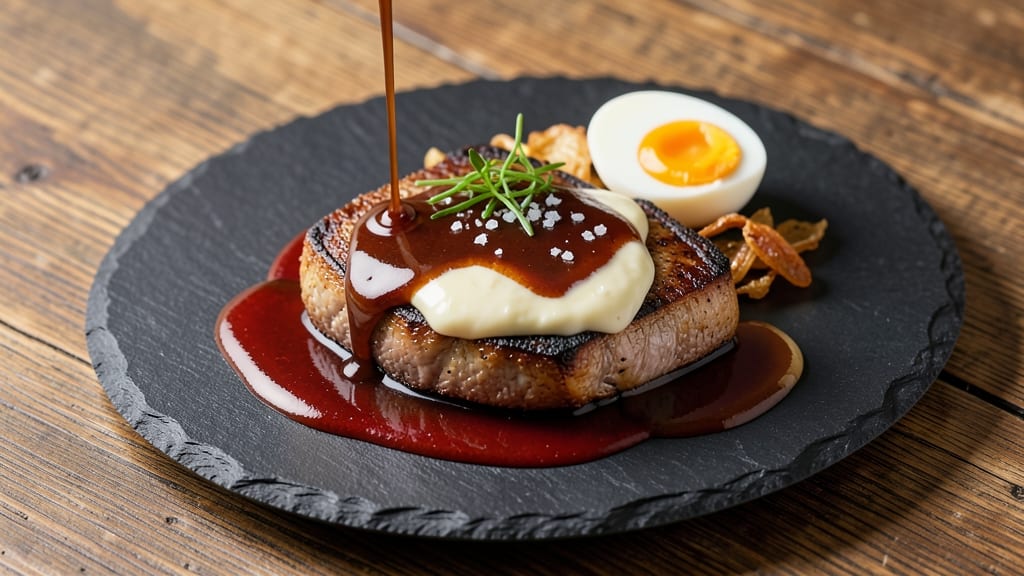
This French-style mustard sauce, known as sauce Américaine, transforms ordinary dishes into something truly refined with its bold, balanced flavors. ✨ The secret lies in its perfect harmony of Dijon mustard, brandy, and velvety béchamel—a combination that elevates meats, vegetables, and even simple roasted potatoes to restaurant-quality levels.
What sets this sauce apart is its versatility and depth of flavor. Unlike basic mustard sauces, sauce Américaine incorporates a touch of brandy for warmth, while the béchamel base ensures a smooth, luxurious texture.
The preparation is straightforward—just a few minutes of simmering—but the results are undeniably sophisticated, making it a staple in French cuisine.
Once complete, this sauce delivers a rich, tangy finish that clings beautifully to proteins like roasted chicken or beef, or even to delicate vegetables like asparagus. The brandy infuses a subtle depth, while the mustard adds a sharp, aromatic kick that brightens every bite.
It’s the kind of sauce that turns everyday meals into something memorable.
Perfect for finishing dishes or serving as a dipping sauce, sauce Américaine keeps well in the refrigerator for up to a week, allowing you to prepare it ahead and enjoy its refined flavors whenever inspiration strikes. Let’s get started on this classic French technique!
Ingredients for sauce americaine
Nine refined ingredients create a sauce that elevates French cuisine with velvety depth and tangy brightness.
| Ingredient | Amount | Notes |
|---|---|---|
| Dijon Mustard 🌶️ | ½ cup | High-quality whole-grain preferred |
| Brandy 🍷 | ¼ cup | Fine brandy for authentic flavor |
| Unsalted Butter 🧈 | ½ cup | Cold, cubed for béchamel roux |
| All-Purpose Flour 🌾 | ¼ cup | Sifted for smooth béchamel |
| Whole Milk 🥛 | 1 ½ cups | Cold for optimal texture |
| Salt 🧂 | ½ tsp | Diamond Crystal preferred |
| White Pepper 🌶️ | ¼ tsp | Freshly ground for subtle heat |
| Nutmeg 🌿 | ¼ tsp | Freshly grated for warmth |
| Heavy Cream 🥛 | ¼ cup | Full-fat for richness |
| Fresh Parsley 🌿 | ¼ cup | Chopped, for garnish |
The foundation begins with Dijon mustard—opt for Maille or Amoy for authentic French quality, as their whole-grain texture provides superior emulsification. Brandy should be a fine, aged variety like Cognac or Armagnac (never cooking brandy) to impart its signature warmth without overpowering. For the béchamel, European-style unsalted butter (like Plugrá) is non-negotiable—its higher fat content creates a silkier sauce. Sift the all-purpose flour to eliminate lumps, and use whole milk chilled straight from the fridge for a smoother roux. Penzeys Spices carries excellent pre-ground nutmeg if fresh isn't available, but freshly grated delivers unmatched aromatic complexity.
Substitutions must preserve the sauce's refined balance. For brandy, dry sherry or white wine work in a pinch (reduce by half), though the flavor profile shifts subtly. Greek yogurt can replace heavy cream at a 1:1 ratio for a lighter texture, though the sauce will be slightly less luxurious. Dijon mustard can be swapped for whole-grain mustard in a 1:1 ratio, but avoid prepared mustard—its additives disrupt the sauce's velvety finish. For nutmeg, mace offers a similar warmth, while ground cinnamon (at half the amount) provides a different but acceptable aromatic note. The fresh parsley is purely decorative but brightens the sauce's presentation—dried parsley at one-third the amount suffices if fresh isn't available.
This sauce achieves peak flavor after 24 hours of refrigeration, allowing the brandy and mustard to meld completely. Store in an airtight glass container with a thin layer of plastic wrap pressed directly onto the surface to prevent a skin from forming. It remains stable for up to 7 days in the refrigerator, though the texture may slightly thicken—simply reheat gently with a splash of milk to restore its original consistency. For longer storage, freeze in ice cube trays and transfer to a sealed bag, where it maintains quality for up to 3 months. Always reheat sauce Américaine gently over low heat, whisking constantly to prevent separation.
Why You'll Love This Recipe
- Pantry Magic: I’ll be real—this sauce starts with five things I already had in my fridge. No specialty shopping, no last-minute grocery runs. Just flour, milk, butter, that bottle of brandy gathering dust, and my trusty Dijon. Honestly, it’s the kind of recipe that makes me feel like a chef without trying.
- Brandy Boost: That splash of brandy isn’t just for show—it’s the secret weapon. The heat mellows out as it cooks, leaving behind a warm, nutty depth that turns a simple roux into something sophisticated. (Yes, even on a Tuesday night.) The Dijon adds a tangy kick, so you’re not just tasting richness—you’re getting layers.
- Weeknight Workhorse: This sauce is my go-to for roasted chicken, mashed potatoes, or even grilled fish. It’s rich enough for dinner but light enough for lunch. I’ve even used it to deglaze a pan after searing steak—suddenly, what was just a browned crust becomes a glossy, flavor-packed sauce in minutes.
- Leftovers That Shine: Make a double batch and thank me later. It reheats like a dream, clinging to whatever you’re serving without turning gluey. I keep a jar in the fridge for those nights when I’m too tired to cook but still want something restaurant-worthy. Budget-friendly? Absolutely. The ingredients cost pennies, but the flavor feels like a splurge.
Step-by-step instructions for sauce Américaine
Master this classic French sauce with rich mustard and brandy—where technique meets bold flavor.
🍳 Step 1: Create the Mustard-Brandy Base
In a medium saucepan, combine the 0.5 cup Dijon Mustard and 0.25 cup Brandy over medium-low heat. Stir constantly for 3-4 minutes until the mixture thickens slightly and becomes fragrant. You'll notice the brandy's alcohol will cook off, leaving behind a deep, aromatic essence that forms the sauce's soul.
Here's the thing—don't rush this step. The mustard needs time to fully incorporate with the brandy, developing that signature tangy complexity. If you see the mixture darken too quickly, reduce the heat slightly to prevent burning. This foundational blend will carry through the entire sauce, so take your time to get it right.
🍳 Step 2: Develop the Roux Foundation
Increase heat to medium and add the 0.5 cup Unsalted Butter, allowing it to melt completely. Immediately whisk in the 0.25 cup All-Purpose Flour to form a smooth, pale roux. Cook for 2-3 minutes, stirring constantly, until the mixture turns a light golden color—this indicates the flour has fully cooked and will properly thicken the sauce.
Watch the color closely—it should resemble pale honey. If it darkens too quickly, you've gone too far. A properly cooked roux is the secret to a velvety sauce that won't break or separate. The butter should be fully incorporated, creating a rich, nutty foundation that balances the mustard's sharpness.
🥘 Step 3: Gradually Incorporate the Milk
Slowly pour in the 1.5 cups Whole Milk while whisking vigorously to prevent lumps from forming. The mixture will thicken immediately as the milk reacts with the roux. Reduce heat to low and continue cooking for 5-6 minutes, stirring constantly, until the sauce thickens enough to coat the back of a spoon.
This is where patience pays off. If you add the milk too quickly, you'll create lumps that are nearly impossible to fix. The sauce should be smooth and glossy, with a consistency similar to heavy cream. You'll know it's ready when it coats the whisk and leaves a visible trail in the pan.
🍳 Step 4: Season and Refine the Sauce
Remove the sauce from heat and stir in the 0.5 tsp Salt, 0.25 tsp White Pepper, and 0.25 tsp Nutmeg. For extra richness, whisk in the 0.25 cup Heavy Cream until fully incorporated. Return the sauce to low heat and cook for an additional 2 minutes to meld all the flavors together.
Taste and adjust the seasoning if needed. The nutmeg should add warmth without overpowering, while the white pepper provides a subtle heat. The cream should create a luxurious mouthfeel that elevates the sauce from good to exceptional. This is your chance to fine-tune the balance between the mustard's tang, the brandy's depth, and the cream's richness.
🥘 Step 5: Finish and Garnish
Strain the sauce through a fine-mesh sieve into a clean saucepan to ensure an ultra-smooth texture. Return to low heat and stir in the 0.25 cup Fresh Parsley until just combined. The parsley adds a bright, fresh note that cuts through the sauce's richness and adds visual appeal.
Serve immediately over grilled meats, fish, or vegetables while still warm. The sauce should be glossy and velvety, with a perfect balance of tangy mustard, brandy's warmth, and creamy richness. If the sauce thickens too much as it cools, simply whisk in a splash of warm milk to restore the desired consistency. This sauce is best enjoyed fresh from the stove—where every element shines at its peak.
Pro Tips For Making Sauce Americaine
- Whisk Butter First: Toss the cold butter into the flour before adding milk—this prevents lumps like nothing else. I used to ignore this and ended up with a sauce that looked like it had been put through a blender. A quick pulse with a fork or your fingers (yes, really) ensures a smooth roux every time.
- Use Room-Temp Brandy: Cold brandy sinks in the sauce instead of dissolving, leaving you with a weird alcohol taste. Let it sit out for 10 minutes before adding—it blends in better and doesn’t turn your sauce into a boozy science experiment. (And no, the microwave doesn’t count.)
- Simmer, Don’t Boil: Once the sauce thickens, reduce to a gentle simmer. Boiling burns the mustard and turns the sauce bitter—like overcooking a steak. Keep it at a low bubble, stir often, and walk away if you have to. Patience here makes the difference.
- Salt the Mustard: Dijon mustard is already salty, but unsalted butter and milk aren’t. Taste the mustard before mixing—if it’s bland, add a pinch of salt now. Skipping this step means your sauce will taste flat, no matter how much you season at the end. Trust me, it’s worth the 5 seconds.
Best sauces and condiments for these flavors
Mustard Sauce Pairings
This sauce shines over grilled meats like chicken, duck, or beef—its tangy depth complements charred surfaces beautifully. I love drizzling it over herb-crusted rack of lamb or pan-seared scallops for a restaurant-worthy finish.
The brandy’s warmth also pairs wonderfully with roasted root vegetables like carrots or parsnips, where the sauce’s richness cuts through their natural sweetness. 🍗
Vegetable Enhancements
For vegetables, try asparagus or green beans—the sauce’s creaminess clings perfectly to their slender shapes. I often toss blanched asparagus with a spoonful of sauce before finishing under the broiler for a crispy, saucy bite.
Even mashed potatoes become luxurious when folded with a ladle of warm sauce Américaine—just stir in 2-3 tablespoons per 2 cups of mash for a velvety upgrade. 🥦
Bread Service Ideas
Transform simple baguette slices into an elegant appetizer by brushing with garlic butter, topping with sauce Américaine, and sprinkling with crumbled Gruyère or Parmesan. The sauce’s sharpness contrasts beautifully with the bread’s crunch.
For a heartier option, spread it on toasted sourdough with smoked salmon and capers—it’s a match made in flavor heaven. 🥖
Dipping Sauce Potential
Serve it warm as a dipping sauce for fried chicken tenders, fish & chips, or even crispy Brussels sprouts. The mustard’s tang cuts through fried foods’ richness, while the creaminess adds comfort.
I keep a small pot of sauce Américaine simmering on the stovetop during game day—it disappears faster than you’d think! 🍗
Cheese Plate Elevation
Add a spoonful to a cheese board alongside triple cream Brie or aged Gouda. The sauce’s acidity balances the cheese’s richness, while the brandy adds a sophisticated touch. I drizzle it over warm goat cheese tartlets before baking for a creamy, mustard-kissed center. 🧀
Global Twists
For a fusion twist, stir in 1 tsp harissa paste for a North African-inspired heat or 1 tsp soy sauce for an umami boost. I’ve also experimented with adding 1 tbsp miso paste for a Japanese-French hybrid that’s surprisingly delicious.
Always adjust seasoning after adding these ingredients—they can intensify flavors unexpectedly. 🌍
Nutrition facts
Frequently asked questions
What makes sauce Américaine different from regular mustard sauce?
The key difference is the brandy and béchamel base. Traditional mustard sauces often just mix mustard with cream or broth, but sauce Américaine incorporates a rich roux foundation and brandy infusion that creates a velvety texture with deeper, more complex flavors. The nutmeg and white pepper add warmth and sophistication that simple mustard sauces lack.
Can I substitute brandy with something else?
Yes, but expect flavor changes. For a similar depth, use dry sherry or white wine (reduce by half). Never use cooking brandy—it lacks the aromatic complexity. If avoiding alcohol entirely, a splash of apple cider vinegar (1 tablespoon) can mimic some acidity, though the sauce will taste different. The brandy's warmth is essential for authentic flavor.
Why did my sauce Américaine separate?
This usually happens from one of three issues: adding milk too quickly, overheating the roux, or not whisking enough. To fix it, whisk in 1 tablespoon cold butter while warming gently over low heat. For prevention, always cook the roux to a pale golden color and add milk gradually while whisking vigorously. If it separates again, strain through a fine-mesh sieve to salvage the sauce.
How can I make this sauce vegetarian?
Replace the brandy with vegetable broth (same amount) and use vegetable butter instead of regular butter. For extra richness, add 1 tablespoon nutritional yeast to mimic the umami depth that brandy provides. The flavor will be different but still delicious—just less complex. The mustard and cream base will still shine through beautifully.
What's the best way to reheat leftover sauce Américaine?
Gently reheat over low heat while stirring constantly to prevent separation. If it thickens too much, whisk in 1-2 tablespoons warm milk until smooth. For extra insurance, place the saucepan over a pot of simmering water (bain-marie) while heating. Never microwave—it can cause the sauce to split or develop a skin. The goal is to restore warmth without altering the texture.