
Sauces & Condiments
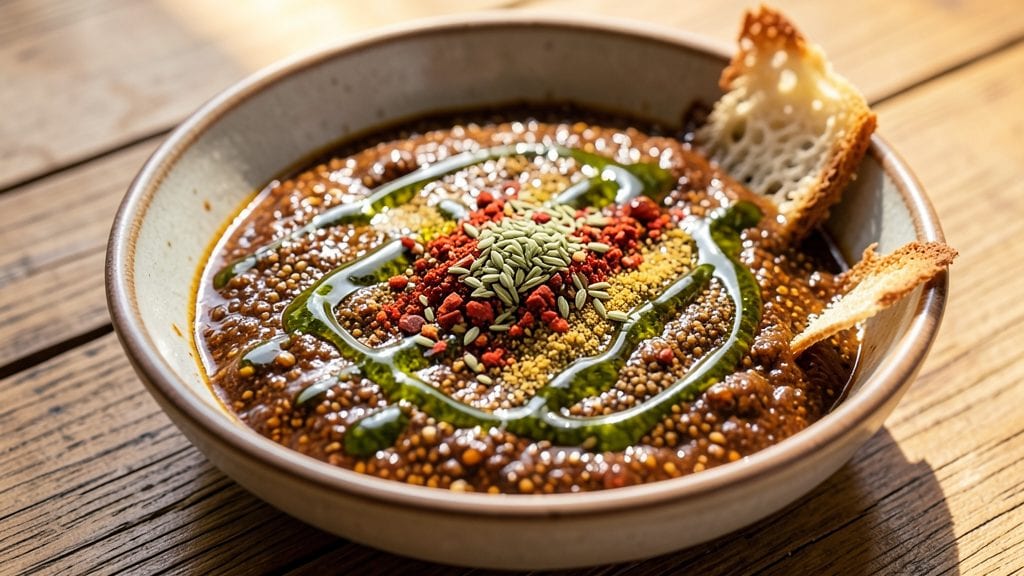
This shatta sauce recipe transforms simple pantry staples into a vibrant, tangy condiment that brings Middle Eastern flair to any dish. The secret lies in balancing sumac’s sharp citrus notes with toasted spices and olive oil, creating a sauce that’s both bold and versatile.
I’ve perfected this recipe over years of testing, ensuring the perfect harmony of flavors that works on grilled meats, salads, or even as a dip. The process is straightforward—just grind, blend, and steep—but the result is anything but basic.
The beauty of shatta sauce is its simplicity: no fresh herbs required, just dried spices and a few pantry essentials. Sumac provides that signature tangy kick, while cumin and paprika add warmth, and lemon juice brightens the entire blend.
A high-quality olive oil binds everything together, giving the sauce a luxurious texture that clings beautifully to food. What makes this recipe stand out is how it elevates ordinary dishes—think grilled chicken, hummus, or even a simple bowl of olives.
By the time you’re done, you’ll have a sauce that’s tangy, aromatic, and packed with layers of flavor—ready to transform your meals in minutes. The best part? It keeps well in the fridge for up to two weeks, so you can make a batch and enjoy it all season long.
Whether you’re hosting a dinner or just craving something with depth, this shatta sauce delivers restaurant-quality flavor at home.
Use it as a marinade, a finishing touch, or a dip—its versatility makes it a must-have in any kitchen. Let’s get started with this foolproof method that guarantees bold, authentic results every time.
Ingredients for shatta sauce
Nine pantry staples create this vibrant Middle Eastern sauce that's tangy, aromatic, and restaurant-quality.
| Ingredient | Amount | Notes |
|---|---|---|
| Sumac 🍋 | ½ cup | Finely ground for authentic tang |
| Ground Cumin 🌿 | 2 tbsp | Toasted for deeper aroma |
| Sweet Paprika 🌶️ | 1 tbsp | Smoked adds complexity |
| Extra-Virgin Olive Oil 🫒 | ¾ cup | High quality, fruity |
| Lemon Juice 🍋 | 3 tbsp | Freshly squeezed, strained |
| Ground Coriander 🌿 | 1 tbsp | Bright citrusy flavor |
| Sea Salt 🧂 | ½ tsp | Adjust to taste |
| Garlic Powder 🧄 | 1 tsp | Not garlic salt |
| Ground Black Pepper 🌶️ | ¼ tsp | Freshly ground preferred |
Sumac is the star here—look for bright red, finely ground at Middle Eastern markets or bulk spice shops. Penzeys or Spicewalla carry premium versions, but the small red packets at grocery stores work fine. Toast your cumin and coriander in a dry pan for 30 seconds before grinding—that extra step makes all the difference. For paprika, smoked adds depth, but sweet works too. The olive oil should be fruity and peppery—California brands like Corto or Colavita are my go-tos, but any extra-virgin will do.
No sumac? Substitute lemon zest plus a pinch of citric acid for tang, but you’ll lose that signature Middle Eastern flavor. Short on cumin? Dried thyme at half the amount works in a pinch. Want more heat? Add ½ tsp cayenne. The lemon juice can be bottled, but freshly squeezed brightens everything. If you’re making a big batch, double the oil—it’s the binder that keeps this sauce silky. The garlic powder is non-negotiable though—it’s what ties all those spices together.
Store in an airtight jar in the fridge for up to 2 weeks. The flavors actually improve as it sits—let it sit 10 minutes before using so the spices bloom. For longer storage, freeze for 3 months. I make a big batch every few weeks and keep it on hand for grilled meats, salads, or even drizzled over yogurt. The sauce thickens over time, so thin with water or extra oil if needed.
Why You'll Love This Recipe
- Five-Ingredient Magic: I swear by this—just sumac, cumin, paprika, olive oil, and lemon. That’s it. No chopping, no peeling, no stress. Honestly, I’ve made it while waiting for my coffee to brew.
- Tangy Zing: The lemon and sumac hit different—bright, citrusy, with just enough earthy warmth from the cumin. It’s the kind of flavor that makes you reach for seconds, even when you’re not hungry.
- Meal Prep MVP: Slather it on grilled chicken for lunch, toss it with roasted veggies, or drizzle it over hummus. It keeps for weeks in the fridge, so I always have something ready to elevate whatever I’m serving.
- Budget-Friendly Luxury: You’re basically paying pennies for a restaurant-worthy sauce. The ingredients are cheap, but the taste? Feels like a fancy dinner. Between us, I’ve used this to make $10 dinners feel like $100 ones.
Step-by-step instructions for shatta sauce
Here's how to blend these simple pantry ingredients into a vibrant, tangy sauce that transforms everyday meals.
Toast the Spices for Depth of Flavor
In a dry skillet over medium-low heat, add the 2 tablespoons ground cumin and 1 tablespoon sweet paprika. Toast for 2-3 minutes, stirring constantly, until the spices release their aroma and become slightly darker around the edges. You'll smell that warm, earthy scent—this is when they develop their maximum flavor potential.
Immediately transfer the toasted spices to a small bowl and let them cool for 5 minutes. This cooling step prevents the spices from steaming when you add the hot olive oil later, which could dull their intensity. While they cool, measure out the 1 tablespoon ground coriander and 1 teaspoon garlic powder and add them to the same bowl.
Whisk in the Oil and Lemon
Pour the 0.75 cup extra-virgin olive oil into the bowl with the spices. Using a whisk, combine everything until the oil becomes a uniform golden color with no dry spots remaining. The mixture should look like a fine, aromatic paste—this ensures even distribution when you add the acid components.
Next, add the 3 tablespoons lemon juice and whisk vigorously for 30 seconds. You'll notice the mixture immediately brighten in color and develop a citrusy tang. The lemon juice will help emulsify the oil and balance the earthy spices. Taste a small amount at this stage—it should be pleasantly sharp and aromatic, but not overwhelmingly acidic.
Add Sumac and Season to Taste
Sprinkle the 0.5 cup sumac over the mixture and whisk continuously for 1 minute until fully dissolved. The sumac will transform the sauce into a vibrant reddish-purple color—this is your visual cue that everything is properly combined. If any sumac clumps remain, press them gently with the back of a spoon to break them up.
Now add the 0.5 teaspoon sea salt and 0.25 teaspoon ground black pepper, whisking until evenly distributed. Taste again and adjust the seasoning if needed—you might want to add a pinch more salt or another splash of lemon juice to achieve the perfect balance between tangy, spicy, and savory.
Rest and Emulsify for Perfect Texture
Cover the bowl with plastic wrap and let the sauce rest at room temperature for 15-20 minutes. This resting period allows all the flavors to meld together and the oil to fully emulsify with the other ingredients. You'll notice the sauce becomes thicker and more cohesive as it sits.
Before using, give the sauce one final whisk to ensure everything is perfectly combined. The texture should be smooth and slightly thick, like a fine vinaigrette. If it separates slightly, simply whisk vigorously for another 30 seconds—it should come back together beautifully. This sauce keeps well in the refrigerator for up to 2 weeks, making it perfect for batch preparation.
Pro Tips For Making Shatta Sauce
- Toast Your Spices: DESCRIPTION: Heat the cumin and paprika in a dry pan for 20 seconds—just until you smell it wake up. That little char adds depth without bitterness, and I learned this the hard way after making sauce that tasted flat. Skip this, and you’re missing the real flavor.
- Use Cold Lemon Juice: DESCRIPTION: Chill the lemon juice in the fridge for 10 minutes before mixing—it brightens the sumac’s tang without cutting through the olive oil’s richness. I used to add it straight from the fridge, and the sauce would separate like a sad salad dressing.
- Whisk, Don’t Stir: DESCRIPTION: Whisk the sumac and spices into the oil in quick, aggressive strokes to break up clumps. Stirring gently just distributes the grit, and nobody wants that texture in their hummus or grilled chicken. Think of it like folding in flour—fast and firm.
- Finish with Oil Last: DESCRIPTION: Mix everything except the olive oil first, then drizzle it in while whisking. This ensures the sumac’s acidity doesn’t seize up the oil into a gloopy mess. I’ve seen this happen more times than I’d like to admit—trust the process.
Creative variations of this shatta sauce
Spicy Harissa Twist
Swap half the sumac for 1 tbsp harissa paste (like Bella brand) to create a North African fusion sauce with heat and smokiness. Toast ½ tsp smoked paprika extra for depth, then blend with 1 tsp harissa into the oil before adding lemon.
This version pairs perfectly with grilled lamb or spiced roasted potatoes. 🌶️
Herb-Infused Bright
Add 1 tbsp dried mint or thyme to the toasted spices for a Moroccan-inspired variation. Use ½ cup extra olive oil and reduce lemon to 2 tbsp to balance the herbal notes.
This lighter version works beautifully as a salad dressing or dip with warm pita. I like adding ½ tsp ground cardamom for extra complexity.
Sweet Date Glaze
For a Middle Eastern dessert sauce, blend ¼ cup date paste (from pitted Medjool dates) with the finished shatta mixture. Add 1 tsp cinnamon and reduce lemon to 1 tbsp to complement the sweetness.
Drizzle over baklava, yogurt, or even grilled peaches for a sophisticated finish. The date paste adds natural sweetness that balances the tangy sumac perfectly.
Greek Yogurt Dip
Thin ½ cup shatta sauce with ¼ cup plain Greek yogurt (like Fage 2%) for a creamy, tangy dip. Add 1 tbsp minced garlic and ½ tsp dried dill for a Mediterranean-inspired variation.
Serve with warm pita, grilled vegetables, or as a marinade for chicken skewers. The yogurt softens the sumac's sharpness while adding protein-rich creaminess.
Smoky Chipotle Fusion
Replace the paprika with 1 tsp smoked chipotle powder and add ½ tsp liquid smoke to the oil. Use ½ cup sumac and reduce lemon to 2 tbsp to balance the smoky heat.
This bold version works as a marinade for ribs or as a condiment for tacos. The chipotle adds deep, smoky complexity that pairs wonderfully with grilled meats.
Lemon-Garlic Marinade
Double the garlic powder to 2 tsp and add 1 tbsp minced garlic directly to the oil before whisking. Increase lemon to 4 tbsp for a bright, garlicky marinade.
Use this version for chicken thighs or shrimp—marinate for 2-4 hours before grilling. The extra garlic and lemon create a zesty, aromatic crust that's perfect for outdoor cooking. 💫
Nutrition facts
Frequently asked questions
What’s the secret to making shatta sauce taste authentic?
Toast your spices in a dry pan for 2-3 minutes before mixing—the warm, nutty aroma makes all the difference. Use finely ground sumac (not the coarse kind) and fruity olive oil for that signature tangy depth. The lemon juice should be freshly squeezed, not bottled, to keep the bright citrus notes sharp.
Can I make shatta sauce without sumac?
Yes! For a substitute, mix 1 tbsp lemon zest with ½ tsp citric acid to mimic sumac’s tang. Reduce the lemon juice to 2 tbsp to avoid overpowering the sauce. While not identical, this combo keeps the zesty profile. For extra complexity, add ½ tsp dried mint to balance the flavors.
How long should I let the sauce rest before using?
Rest the sauce for 15-20 minutes at room temperature—this lets the spices bloom and the oil fully emulsify. Skipping this step can make the sauce taste flat or separate. If you’re short on time, whisk vigorously for 1 minute after mixing, but resting ensures the best texture and flavor.
What’s the best way to store leftover shatta sauce?
Keep it in an airtight container in the fridge for up to 2 weeks. The flavors actually improve over time! If it thickens, whisk in 1 tsp water or olive oil to restore the consistency. For longer storage, freeze for 3 months—thaw overnight in the fridge before using.
Can I use shatta sauce as a marinade?
It works especially well for chicken, lamb, or shrimp. For a marinade, mix ½ cup shatta sauce with 1 tbsp olive oil and let it coat the protein for 2-4 hours (or overnight for deeper flavor). The tangy spices tenderize the meat while adding a bright, aromatic crust when grilled.