
Sauces & Condiments
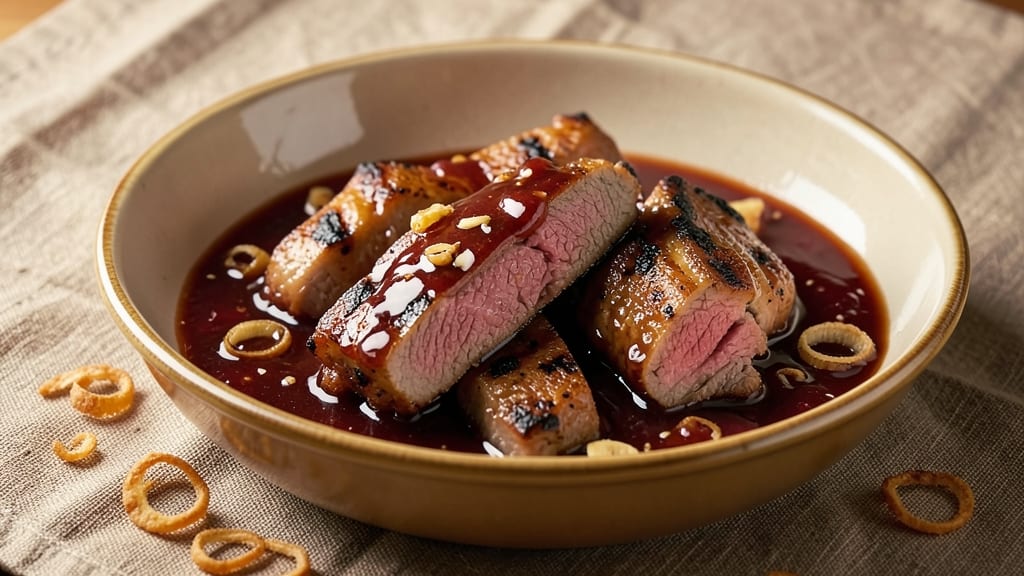
This short rib sauce recipe transforms simple pantry ingredients into a rich, velvety sauce with layers of umami depth that elevates any braised short rib dish. The key lies in a balanced reduction of red wine, beef stock, and tomatoes, where the acidity brightens while the stock builds complexity.
I developed this sauce after years of refining restaurant-style techniques at home—no shortcuts, just precise simmering and a well-built roux for that signature silkiness.
The beauty of this sauce is its versatility and foolproof method. With just 10 ingredients and 45 minutes of active time, you'll create a sauce that clings to tender meat, enhancing its natural richness without overpowering it.
The combination of red wine and beef stock delivers that classic braised flavor, while a touch of tomato paste adds depth and prevents bitterness. This isn't just a sauce—it's a flavor multiplier that turns a simple protein into a restaurant-worthy centerpiece.
What you'll end up with is a glossy, deep umami sauce that's smooth yet complex, with a perfect balance of acidity and richness.
The reduction process concentrates flavors into every spoonful, creating a sauce that's just as impressive served over short ribs as it is drizzled on mashed potatoes or polenta. The best part? It reheats beautifully, making it ideal for meal prep or leftovers. Let's build this sauce step by step.
Once mastered, this sauce becomes your secret weapon for any braised dish. Store it in the refrigerator for up to 5 days or freeze for 3 months, ready to transform your next meal with minimal effort.
The precision in this recipe ensures consistent results every time—no guesswork, just professional-quality flavor from your own kitchen.
Ingredients for short rib sauce
Ten simple ingredients. One sauce that transforms braised short ribs into a restaurant masterpiece.
| Ingredient | Amount | Notes |
|---|---|---|
| Red Wine 🍷 | 1 cup | Dry, bold variety like Cabernet Sauvignon |
| Beef Stock 🥫 | 2 cups | Homemade or high-quality store-bought |
| Tomato Paste 🍅 | 2 tbsp | Squeeze tube or canned, no sugar added |
| Unsalted Butter 🧈 | ½ cup | Cold, cut into small pieces |
| All-Purpose Flour 🌾 | ¼ cup | For roux, use fine-milled flour |
| Shallots 🧅 | 2 whole | Minced, or substitute with onions |
| Garlic Cloves 🧄 | 4 cloves | Peeled, minced finely |
| Dried Thyme 🌿 | 1 tsp | Or 1 tbsp fresh thyme leaves |
| Diamond Crystal Kosher Salt 🧂 | 1 tsp | For seasoning, adjust to taste |
| Black Peppercorns 🌶️ | ½ tsp | Freshly cracked for best flavor |
The red wine is non-negotiable here—it's the backbone of that deep umami flavor. Cabernet Sauvignon or Merlot work best, but whatever bold dry red you've got open will do. For beef stock, homemade is ideal, but a quality store-bought like Kitchen Basics or Pacific Foods won't disappoint. The tomato paste? Squeeze tubes from Trader Joe's are perfect—they're convenient, keep forever, and you won't waste half a can. Shallots add subtle sweetness, but if you're in a pinch, yellow onions work fine. Just make sure they're finely minced so they dissolve into the sauce. The butter and flour are your roux foundation—use cold butter and fine flour for that perfect silky texture.
No red wine? Beef broth with a splash of balsamic vinegar gets you close, though it'll lack some depth. Fresh thyme is ideal, but dried works at one-third the amount. If you can't find Diamond Crystal salt, Morton kosher salt is fine—just taste as you go. The tomato paste can be skipped entirely if you're worried about bitterness, but I promise it adds that rich, concentrated flavor. For the shallots, asparagus or leek greens add a similar sweetness if you're out. And if you're feeling fancy, a pinch of smoked paprika at the end adds a subtle smokiness that pairs beautifully with short ribs.
This sauce tastes even better the next day—reheat gently over low heat, stirring occasionally. Keeps in the fridge for 5 days or freezes beautifully for 3 months. I like to portion mine into ice cube trays for easy use on busy nights. The sauce thickens as it cools, so if it's too stiff when reheating, just add a splash of beef stock or water to loosen it up. Trust me, the extra effort makes it worth it—every spoonful will taste like you spent hours in the kitchen.
Why You'll Love This Recipe
- Pantry Magic: I swear by this—no fancy ingredients, just red wine and beef stock I already had. That tomato paste? It’s the secret that ties everything together without extra shopping trips.
- Rich Without Effort: The butter and flour make it velvety, but the wine cuts through it—deep, savory, and way more impressive than it sounds. Honestly, my guests always ask for the recipe.
- Weeknight to Dinner Party: Same sauce for pasta, mashed potatoes, or steak. I’ve even used it to dress up a simple grilled chicken. (Yes, even on a Tuesday night.)
- Leftovers That Don’t Suck: This sauce actually improves after sitting overnight—better flavor, thicker texture. I make a double batch and freeze half; it’s my go-to for lazy days.
Step-by-step instructions for rich short rib sauce
This sauce builds depth through patience and technique—every step matters for that velvety, umami-packed finish.
Build the Roux Foundation
Melt the 0.5 cup unsalted butter in a heavy-bottomed saucepan over medium heat. Once it foams, immediately whisk in the 0.25 cup all-purpose flour to form a smooth paste. Cook for 2-3 minutes, stirring constantly, until the mixture turns a rich golden brown—this is your roux. The color transformation signals the flour's raw taste has cooked off, creating the base for flavor development.
Watch the pan carefully—if it darkens too quickly, reduce heat slightly. A properly cooked roux should smell nutty and toasty. This step is non-negotiable; skipping it means a flat, floury aftertaste instead of the deep richness we're after.
Bloom the Aromatics
Add the minced 2 whole shallots and 4 cloves garlic cloves to the roux. Cook for 3-4 minutes until the shallots soften and turn translucent, releasing their sweet, mellow flavors. The garlic should just begin to color at the edges—don't let it brown or it'll turn bitter. Stir frequently to prevent sticking, using a wooden spoon to scrape up any browned bits from the bottom of the pan.
Here's where the magic starts: the aromatics infuse the roux with their essence. You'll notice the kitchen filling with an intoxicating blend of sweet shallot and garlic aroma—this is your first sensory reward. If the mixture smells sharp or harsh, you've overcooked the garlic.
Develop the Sauce Base
Lower heat to medium-low and gradually whisk in the 2 tbsp tomato paste. Cook for 2 minutes until fully incorporated, then deglaze with the 1 cup red wine. Scrape vigorously with a wooden spoon to release all the flavorful browned bits from the pan—this is called "making a fond," and it's where sauce depth begins. Simmer for 3-4 minutes until the wine reduces by half and the alcohol smell dissipates completely.
The wine reduction is critical—it concentrates flavors and removes the harsh alcohol bite. You'll see the sauce transform from a thin liquid to a thicker, glossy consistency. If it reduces too quickly, reduce heat slightly to maintain gentle simmering.
Incorporate Liquids and Seasonings
Pour in the 2 cups beef stock, stirring constantly to prevent lumps. Add the 1 tsp dried thyme, 1 tsp diamond crystal kosher salt, and 0.5 tsp freshly cracked black peppercorns. Bring to a gentle simmer, then reduce heat to low. Let the sauce cook uncovered for 20-25 minutes, stirring occasionally, until it thickens to a coatable consistency—about the thickness of heavy cream.
This slow reduction allows all the flavors to meld together. You'll notice the sauce darken slightly and develop a rich, complex aroma. Taste occasionally and adjust seasoning if needed—this is your chance to balance the flavors before finalizing the sauce.
Finish and Strain
Once the sauce reaches your desired consistency, remove from heat. For a silky texture, strain through a fine-mesh sieve into a clean saucepan, pressing gently on the solids with a spatula to extract maximum flavor. Return to low heat and simmer for an additional 5 minutes to ensure all raw flavors have fully developed.
The strained sauce should coat the back of a spoon and have a glossy sheen. If it's too thick, whisk in 1-2 tablespoons of hot beef stock or water to reach your preferred consistency. This sauce is best served immediately over braised short ribs, but it keeps well in the refrigerator for up to 5 days or can be frozen for longer storage.
Pro Tips For Making Short Rib Sauce
- DEGLAZE HOT PAN: After browning your short ribs, don’t let the fond cool—immediately add your red wine and beef stock while the pan is still screaming hot. I learned this the hard way when I walked away for "just a minute," and the rich, caramelized bits turned into a useless paste. Scrape aggressively with a wooden spoon to lift every last bit from the bottom.
- TOAST THE FLOUR: Cook your flour and butter together over medium heat for 2-3 minutes before adding liquid—just until it smells nutty and turns a pale golden color. Skipping this step gives you a bland roux that won’t thicken properly or add depth to the sauce. (Yes, it’s tempting to rush, but trust me on this.)
- REDUCED WINE MATTERS: Use a dry red wine you’d actually drink—none of that cheap cooking wine nonsense. The alcohol burns off, but the flavors linger, and a cheap wine will leave your sauce tasting flat. Save the $5 bottle for something else; splurge here instead. I used to skip this, and the sauce never hit the same notes.
- TOMATO PASTE TRICK: Bloom the tomato paste in the roux for 5 minutes before adding liquids—it’ll deepen the color and mellow its acidity. Stir constantly so it doesn’t scorch, and resist the urge to add stock too soon. This step makes the sauce richer and smoother, not just brighter. (Your future self will notice the difference.)
Storing and reheating this dish
Refrigerator Storage
Transfer your finished sauce to an airtight glass container—I prefer Pyrex with a tight-sealing lid—once it's completely cooled to room temperature. This sauce keeps beautifully in the fridge for up to 5 days, with flavors actually deepening as the ingredients meld.
The glass container prevents absorption of fridge odors, which is crucial for maintaining that rich, umami profile. 🥫
Before sealing, press plastic wrap directly onto the sauce's surface to minimize oxidation, which can dull the flavors. Label the container with the date to track freshness. When reheating, I always start with low heat to prevent curdling—this sauce is delicate after chilling.
Freezer Storage
For longer storage, portion the sauce into silicone ice cube trays or small glass jars—this makes it easy to thaw just what you need. Freeze for up to 3 months without significant quality loss.
The sauce will thicken further when frozen, so add a splash of beef stock when reheating to restore its original consistency. 🧊
I recommend using freezer-safe glass jars with tight lids—brands like Ball or Mason work perfectly. Leave ½-inch headspace to prevent expansion cracks. When ready to use, thaw overnight in the fridge for best results, or quickly in a microwave on defrost setting for immediate use.
Reheating Methods
For stovetop reheating, transfer the sauce to a heavy-bottomed saucepan and warm over low heat with a splash of beef stock or water to loosen its thickness.
Stir constantly to prevent scorching—this sauce can separate if heated too aggressively. It should reach 165°F for safety, but I aim for 140°F to preserve texture. 🔥
Microwave reheating works in a pinch: transfer to a microwave-safe bowl, cover loosely with a damp paper towel, and heat in 30-second intervals, stirring between each. Avoid full power to prevent skin formation.
If the sauce looks too thick after reheating, whisk in 1-2 tablespoons of hot beef stock to restore its silky texture.
Sauce Consistency Tips
This sauce naturally thickens as it cools, so if it's too stiff after storage, simply whisk in 1 tablespoon of warm beef stock at a time until you reach your desired consistency.
The goal is a coatable but pourable texture—thick enough to cling to short ribs but still flow gracefully. 💡
For extra richness after reheating, finish with a pat of cold butter or a drizzle of high-quality olive oil. This not only enhances flavor but also creates a beautiful sheen on the sauce's surface.
I also keep a small jar of freshly cracked black pepper nearby to adjust seasoning before serving—it makes all the difference.
Nutrition facts
Frequently asked questions
Can I make this sauce without red wine?
Replace the 1 cup red wine with 1 cup beef broth plus 1 tablespoon balsamic vinegar for depth. The sauce will be slightly less complex but still delicious. For extra richness, add ½ teaspoon soy sauce or Worcestershire sauce to mimic wine's umami.
Why does my sauce taste bitter?
Bitterness usually comes from overcooking the garlic or tomato paste. For the garlic, cook it just until fragrant (3-4 minutes max). If using tomato paste, reduce it to 1 tablespoon instead of 2 tbsp. Also, ensure you're using a light golden roux—not browned. A splash of lemon juice or apple cider vinegar can also brighten the flavor.
How do I adjust the thickness of the sauce?
If your sauce is too thick, whisk in 1 tablespoon of warm beef stock at a time until it reaches a coatable consistency. For a thicker sauce, simmer uncovered for an extra 5-10 minutes to reduce it further. The ideal texture should cling to short ribs but still flow gracefully.
Can I use this sauce for other meats besides short ribs?
Yes! This sauce pairs beautifully with beef short ribs, but it also works wonders with beef chuck roast, lamb shanks, or even mushroom risotto. For poultry, reduce the beef stock to 1 cup and add ½ cup chicken stock to balance the flavors. The rich umami profile makes it versatile for braised dishes.
What’s the secret to making this sauce ahead of time?
Make the sauce 1-2 days ahead for deeper flavor development. Store it in an airtight glass container in the fridge for up to 5 days. When reheating, warm it gently over low heat with a splash of beef stock to restore its silky texture. Freeze in ice cube trays for easy portioning—just thaw and reheat as needed.