
Sauces & Condiments
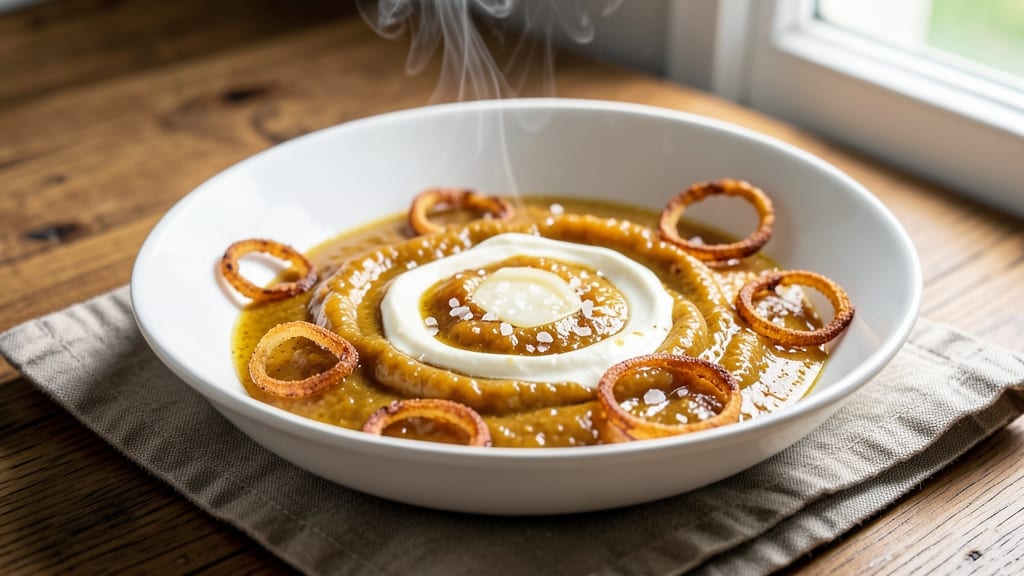
Mastering soubise sauce transforms ordinary dishes into restaurant-quality masterpieces with its rich, velvety onion base and creamy depth. This classic French velouté elevates everything from steak to vegetables, and the process is simpler than you'd expect.
The key lies in slow-cooking shallots until they caramelize deeply, then blending them into a smooth, aromatic foundation that forms the heart of this sauce.
What sets this recipe apart is the balance between sweetness and savory richness—caramelized onions form the soul of soubise, while cream and stock create a luxurious texture.
Unlike many sauces that rely on heavy cream alone, this version builds flavor through precise technique: melting butter, sweating shallots until golden, then deglazing with stock before thickening. The result is a sauce that's elegant enough for special occasions but simple enough for weeknight cooking.
By the time you finish, you'll have a velvety, onion-infused velouté that's ready to drizzle over grilled steak, seared fish, or even roasted vegetables. The sauce maintains its silky consistency even when reheated, making it perfect for meal prep.
For those who love depth of flavor without complexity, this is the sauce that delivers professional results with just a few key ingredients and careful attention to technique.
Once you've perfected the basic recipe, experiment with variations like adding fresh herbs or a splash of white wine for brightness. The possibilities are endless, but the foundation remains the same: perfectly caramelized onions blended into a creamy, velvety sauce that transforms ordinary dishes into something extraordinary.
Let's get started on creating this timeless classic.
Ingredients for soubise sauce
Nine ingredients. One sauce. Elevates any dish to restaurant-quality sophistication.
| Ingredient | Amount | Notes |
|---|---|---|
| Shallots 🧅 | 2 ½ lbs | Peeled, cut into even 1/4-inch slices |
| Unsalted Butter 🧈 | ¾ cup | European-style preferred for flavor |
| Heavy Cream 🥛 | 1 ½ cups | Full-fat for optimal texture |
| Chicken Stock 🍲 | 3 cups | Homemade or high-quality store-bought |
| All-Purpose Flour 🌾 | 2 tbsp | For thickening roux |
| Salt 🧂 | 1 ½ tsp | Diamond Crystal kosher preferred |
| White Pepper 🌶️ | ½ tsp | Freshly ground for subtle elegance |
| Fresh Thyme Leaves 🌿 | ¼ cup | Or 1 tbsp dried thyme |
| White Wine 🍷 | ½ cup | Dry variety like Sauvignon Blanc |
| Fresh Parsley 🌿 | 0.1 cup | Chopped for garnish only |
Shallots are the soul of soubise—French shallots from specialty markets like Whole Foods or Eataly deliver the sweetest, most delicate flavor. Avoid yellow onions; their bitterness disrupts the sauce's velvety balance. For optimal caramelization, slice them uniformly to ensure even cooking. The butter should be European-style (like Plugrá) for its higher fat content and nutty undertones, which prevent the sauce from breaking during blending. If using regular butter, opt for unsalted to control seasoning precisely. Store shallots in a paper bag in the fridge to maintain freshness—never the crisper drawer where moisture accelerates spoilage.
No white wine? Substitute additional chicken stock, but reduce the total liquid by 2 tbsp to maintain balance. Fresh thyme is non-negotiable—dried lacks the aromatic depth, though you can use it at one-third the amount if absolutely necessary. For a richer texture, half-and-half can replace heavy cream, though the sauce will be slightly lighter. If your stock lacks depth, deglaze the pan with a splash of white wine after caramelizing the shallots to extract maximum flavor. The flour must be lightly toasted in butter to eliminate raw taste—this step is critical for preventing a floury aftertaste in the final sauce. For those avoiding gluten, cornstarch slurry works as a 1:1 substitute, though texture may differ slightly.
This sauce develops flavor over time—rest it 30 minutes before serving to allow the shallots to infuse fully. Store in an airtight container with a parchment barrier to prevent skin formation. Keeps 5 days refrigerated or 3 months frozen in portions. For reheating, warm gently over low heat, adding a splash of stock or cream to restore silkiness. Freeze in ice cube trays for single-serving portions—perfect for drizzling over individual dishes without thawing the entire batch.
Why You'll Love This Recipe
- Pantry-Friendly Magic: I swear by this sauce because it uses what I already have—no fancy trips to the store. Shallots and butter? Always in my fridge. The flour and cream? Basic staples that never go to waste.
- Creamy Shallot Bliss: That slow simmer of shallots in butter until they’re golden and sweet? Pure comfort. Add the cream and stock, and suddenly you’ve got a sauce that’s rich but not heavy, velvety but still bright.
- Weeknight Superhero: Between us, this is my go-to for busy nights. Dump it over grilled chicken, toss it with pasta, or drizzle it on roasted veggies—it transforms whatever you’re serving without extra effort.
- Leftovers That Don’t Suck: Unlike some sauces that turn gloppy when reheated, this one actually improves the next day. Thickens just enough to cling to proteins, and the flavor deepens—so I make a double batch and bank it for later.
Step-by-step instructions for soubise sauce
Master this refined onion velouté with precision timing and gentle heat control.
Sweat the Shallots Until Translucent
Melt the 0.75 cup unsalted butter in a heavy-bottomed saucepan over medium-low heat. Add the 2.5 lbs shallots cut into even ¼-inch slices, spreading them out in a single layer. The key here is patience—cook for 30-40 minutes, stirring occasionally, until the shallots are completely soft and translucent with no raw edges remaining.
You'll know they're ready when they've transformed from pale to golden-brown with a sweet, caramelized aroma filling your kitchen. Avoid browning—this is a gentle sweat, not a caramelization. If you see any edges starting to brown, reduce the heat immediately. These shallots form the soul of your sauce, so take your time here.
Build the Roux and Deglaze
Once the shallots are perfectly cooked, sprinkle the 2 tbsp all-purpose flour over them and stir vigorously for 2-3 minutes until the mixture forms a smooth, thick paste. This creates your roux foundation. Immediately pour in the 0.5 cup white wine and scrape the bottom of the pan with a wooden spoon to incorporate all the browned bits.
Allow the wine to simmer for 3-4 minutes until it reduces by half. You'll notice the alcohol aroma dissipating as it cooks down. This deglazing step captures all the flavor you've built so far. Keep the heat at medium-low to prevent the roux from cooking too quickly, which could make the sauce bitter.
Incorporate Liquids and Simmer
Gradually whisk in the 3 cups chicken stock while stirring constantly to prevent lumps from forming. Bring the mixture to a gentle simmer, then reduce heat to low. Add the 0.25 cup fresh thyme leaves and stir once more. Let the sauce simmer uncovered for 20-25 minutes, stirring occasionally, until it thickens to a velouté consistency that coats the back of a spoon.
You're aiming for a sauce that's thick enough to cling to proteins or vegetables but still flows smoothly. The sauce should reduce until it's about halfway between the original stock volume and a heavy cream consistency. Skim off any foam that rises to the surface during this process for a cleaner finish.
Finish with Cream and Season
Remove the sauce from heat and stir in the 1.5 cups heavy cream. Return to low heat and let it warm through for 2-3 minutes, being careful not to boil. Season with the 1.5 tsp salt and 0.5 tsp white pepper, adjusting to taste. The sauce should be rich but not overly salty—remember, the cream adds natural saltiness.
Taste and make final adjustments. The thyme should add a subtle herbal note that complements the sweetness of the shallots. If the sauce is too thick after adding cream, you can thin it with a splash of warm chicken stock. For a restaurant-quality finish, strain the sauce through a fine-mesh sieve to remove any thyme stems and achieve a silky texture.
Garnish and Serve Immediately
Transfer the finished sauce to a warm serving dish and garnish with the 0.1 cup chopped fresh parsley. This elegant garnish adds a pop of color and freshness that balances the rich onion flavors. Soubise sauce is best served immediately over grilled fish, poached chicken, or as a base for elegant vegetable preparations.
For maximum impact, serve while still warm. The sauce will continue to thicken slightly as it cools, so don't be tempted to over-reduce it earlier. The perfect Soubise should coat the back of a spoon but still flow gracefully when poured. Each spoonful should deliver layers of sweet caramelized onion, velvety texture, and subtle herbal notes.
Pro Tips For Making Soubise Sauce
- Sweat Shallots Slowly: I learned this the hard way—rushing the shallots means bitter, sharp flavor. Cook them over medium-low heat for 8-10 minutes until translucent and tender, stirring occasionally. No need to rush; patience here makes the sauce taste like it came from a French bistro.
- Use Cold Butter: Add the unsalted butter to the shallots in chunks, not melted. The cold butter coats the shallots evenly and creates a silky roux instead of a greasy mess. (Yes, even if you're impatient like me.)
- Whisk Like Your Life Depends on It: When combining flour and stock, whisk vigorously to avoid lumps. I used to skip this, and the sauce would turn grainy—now I make sure it’s smooth before adding cream. A wire whisk makes this easier, but a fork works in a pinch.
- Temper the Cream: Warm the heavy cream slightly (just a few seconds in the microwave or a small saucepan) before adding it to the roux. Cold cream can shock the sauce and cause it to break. Trust me, your sauce will thank you.
Common mistakes when making your soubise sauce
Overcooking Shallots
Your shallots should be soft and translucent, not browned or crispy. I’ve seen beginners walk away from the stove and return to find them burned—this ruins the sauce’s delicate sweetness. Cook them on medium-low heat and stir every 5-7 minutes to prevent browning.
If they start to darken, immediately reduce heat to low or remove the pan from heat for 1-2 minutes to cool slightly. 🔥
Skipping the Roux
The roux is what transforms your onion mixture into a proper velouté. Skipping it or rushing the 2-3 minute cooking time creates a gluey, unappetizing texture. Whisk vigorously to break up any lumps—this is where many home cooks fail.
If your roux turns gray or smells burnt, you’ve cooked it too long. Start over with fresh shallots and butter. 🌡️
Adding Cream Too Early
Introducing heavy cream before the sauce has fully reduced leads to curdling. The sauce must first reach a velouté consistency—thick enough to coat the back of a spoon—before adding cream.
I’ve had sauces split into separate layers when cream was added prematurely. Always wait until the stock has reduced by 20-25% before incorporating cream. ⚡
Ignoring the Wine Deglaze
The white wine isn’t just for flavor—it dissolves the browned bits (fond) from the pan, adding depth. Skipping this step leaves your sauce flat and one-dimensional. Pour the wine in slowly while scraping the pan, then let it reduce by half. This step is non-negotiable for professional results. 🍷
Over-Salting or Under-Seasoning
Salt is cumulative—cream and stock already contain sodium. Taste before adding salt, then adjust gradually. I’ve seen sauces become inedible from over-salting. Remember, white pepper adds subtle warmth without overpowering. Use a pinch and adjust to taste. A proper Soubise should taste rich but balanced. 🧂
Not Straining the Sauce
Thyme stems and any unblended shallot fragments can make the sauce grainy. Always strain through a fine-mesh sieve for a silky texture. I use a Heston Blumenthal sieve for this purpose—it’s worth the investment. Skipping this step is the fastest way to ruin an otherwise perfect sauce. 💫
Nutrition facts
Frequently asked questions about soubise sauce
What makes soubise sauce different from other onion-based sauces?
Soubise sauce stands out because it's a velouté-style sauce made with caramelized shallots rather than raw onions. The key difference is the slow cooking process that creates a sweet, translucent onion base, then blending it into a creamy sauce with stock and cream. Unlike French onion soup or caramelized onion preparations, soubise is smooth, velvety, and perfect for drizzling rather than eating spoonfuls.
Can I substitute yellow onions for shallots?
While you can technically use yellow onions, it's not recommended for authentic results. Shallots provide a sweeter, more delicate flavor that caramelizes beautifully. If you must substitute, use 1.5 lbs of yellow onions (finely diced) and add 1 tsp sugar to the pan during cooking to compensate for the lack of natural sweetness. The texture will be slightly different but still edible.
How can I use soubise sauce in dishes?
This versatile sauce elevates everything from proteins to vegetables! Try drizzling it over grilled steak, seared scallops, or roasted chicken. It also pairs beautifully with fish like sole or branzino. For vegetarian dishes, use it as a base for creamy vegetable gratins or as a sauce for roasted root vegetables. The rich onion flavor complements both rich meats and delicate seafood equally well.
Why did my sauce turn out too thick?
Sauce thickening is usually caused by one of two issues: either the roux was cooked too long (turning gray) or the sauce wasn't reduced enough before adding cream. To fix it, whisk in 1-2 tbsp warm chicken stock at a time until you reach the desired consistency. If the sauce is too thick after adding cream, don't panic—simply reheat it gently while whisking in additional stock gradually.
Can I make soubise sauce ahead of time?
This sauce actually improves when made ahead. Store it in an airtight container for up to 5 days refrigerated or 3 months frozen. When reheating, warm it gently over low heat and add a splash of stock or cream to restore its silkiness. For best results, reheat only what you need rather than the entire batch to prevent over-thickening.