
Sauces & Condiments
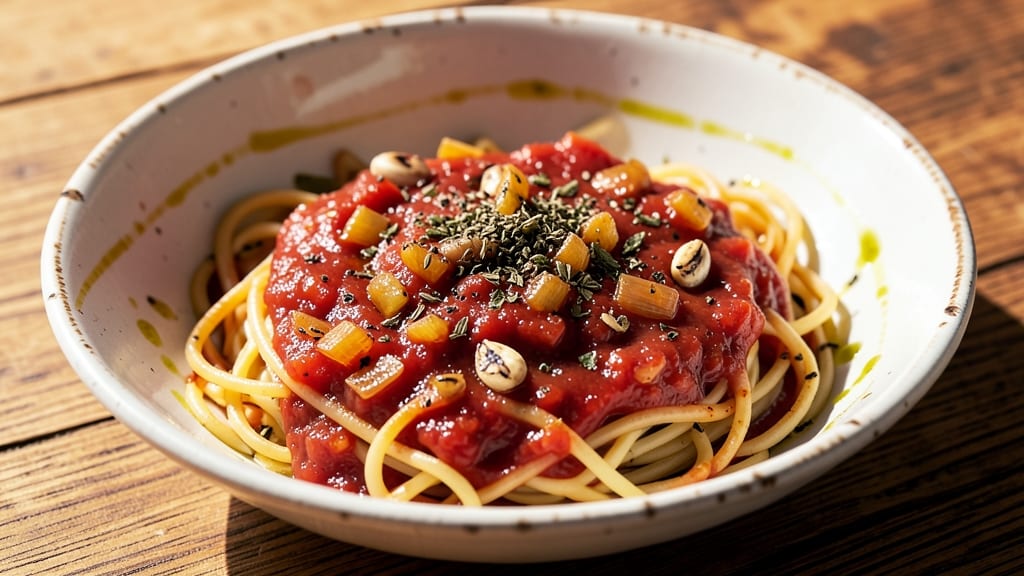
Transforming canned tomato sauce into a rich, restaurant-quality spaghetti sauce starts with this simple yet game-changing technique—one that eliminates that familiar canned taste while building layers of depth.
I perfected this method after years of testing, and it’s become my go-to for weeknight dinners that taste like they simmered all day. The secret lies in balancing sweetness, acidity, and umami, then letting the sauce develop over time.
This recipe relies on just a few pantry staples—canned tomato sauce, garlic, onions, and herbs—but the magic happens in the simmering process. We’ll caramelize the aromatics, toast the spices, and reduce the sauce slowly to concentrate the flavors.
No fancy ingredients, no complicated steps, just a foolproof method that delivers professional results every time. Even my picky-eating daughter Lily asks for seconds.
The result is a sauce that’s versatile enough for pasta, meatballs, or as a marinade, with a balance of sweetness from the tomatoes, brightness from the garlic, and depth from the herbs.
It thickens naturally as it simmers, creating a velvety texture that clings perfectly to noodles. The best part? You can make a big batch and freeze it for future meals—no waste, all flavor.
Whether you’re feeding a family or prepping for meal prep, this sauce delivers bold, complex flavor without the canned aftertaste. Let’s get started—your next spaghetti night just got an upgrade.
Ingredients for spaghetti sauce recipe with canned tomato sauce
Pantry staples transform into restaurant-worthy sauce with just ten ingredients.
| Ingredient | Amount | Notes |
|---|---|---|
| Canned Tomato Sauce 🍅 | 2 cups | San Marzano preferred for sweetness |
| Yellow Onion 🧅 | 1 medium | Diced, about 1 cup |
| Garlic Cloves 🧄 | 4 cloves | Minced, fresh preferred |
| Extra-Virgin Olive Oil 🫒 | ½ cup | High-quality, fruity |
| Dried Oregano 🍃 | 1 tbsp | Mexican oregano best |
| Dried Basil 🌿 | 1 tbsp | Crushed between fingers |
| Ground Black Pepper 🌶️ | ½ tsp | Freshly cracked preferred |
| Salt 🧂 | 1 tsp | Diamond Crystal kosher |
| Tomato Paste 🍅 | 2 tbsp | Squeeze tube preferred |
| Red Wine 🍷 | ½ cup | Dry, like Chianti |
The tomato sauce is your foundation—San Marzano cans have the sweetest flavor, but any quality brand works. Trader Joe's and Whole Foods carry excellent options, or check the Italian aisle at your grocery store. For the aromatics, fresh garlic and onion make all the difference—don't skip them. The olive oil should be fruity and peppery; California or Italian varieties work best. Dried herbs need crushing to release their oils, so don't be shy with that mortar and pestle (or just smash the packets with a rolling pin).
No red wine? Substitute 0.5 cup beef broth with 1 tbsp balsamic vinegar—it adds depth without alcohol. Short on tomato paste? Extra tomato sauce works at half the amount, but you'll lose some richness. Fresh basil is ideal, but dried at one-third the amount gets you close. The oregano should be Mexican if possible—Penzeys or Latin markets carry it. For extra umami, add 1 tsp fish sauce or soy sauce (trust me, you won't taste it).
This sauce tastes even better the next day—make a double batch for leftovers. Store in airtight containers in the fridge for 5-7 days or freeze for up to 6 months. I portion mine into 1-cup servings for easy reheating. When reheating, add a splash of water or broth to prevent thickening. The sauce thickens as it cools, so don't stress if it looks too thick right after simmering.
Why You'll Love This Recipe
- Pantry Magic: I swear by this—no fresh tomatoes, no fancy prep. Just open a can, chop one onion, and let the garlic sizzle in olive oil until the kitchen smells like Sunday dinner. That’s it. The canned sauce gives you sweetness and depth without the mess.
- Garlic Kiss: Between us, the secret’s in the garlic. I don’t skimp—I let it brown until it’s golden, almost crispy, then deglaze with a splash of water. That crispy edge with the creamy tomato? Chef’s kiss. The oregano ties it all together like a warm hug.
- Weeknight Warrior: This is my go-to when I’ve got 20 minutes and a house full of hangry people. Double the batch, freeze half—now you’ve got a ready-made sauce for lazy nights or last-minute company. (Yes, even on a Tuesday night.)
- Budget Hero: Honestly, this sauce costs me less than $3 for a big pot. Canned tomatoes, onion, garlic, and olive oil? That’s it. No wasted ingredients, no fancy labels—just solid, reliable flavor that stretches over pasta, pizza dough, or even scrambled eggs. My wallet thanks me every time.
Instructions for transforming canned tomato sauce into restaurant-quality spaghetti sauce
Here's how to elevate simple canned tomato sauce into a rich, layered sauce that rivals homemade.
Build the Flavor Base with Olive Oil and Onion
Heat the 0.5 cup extra-virgin olive oil in a heavy-bottomed saucepan over medium-low heat. Add the 1 medium yellow onion, diced into even ¼-inch pieces, and cook for 8-10 minutes until completely softened and the edges begin to turn golden. This slow cooking process draws out the natural sweetness of the onion without letting it burn.
Here's the thing—don't rush this step. You'll know it's ready when the onion loses its raw bite and develops a caramelized aroma. If you see any browned bits forming, immediately reduce the heat to low to prevent burning. These crispy bits can be saved for another use, but burnt flavor will ruin your sauce.
Add Garlic and Tomato Paste for Depth
Stir in the 4 cloves minced garlic cloves and cook for 30 seconds until fragrant but not browned. Garlic burns quickly, so watch it closely—you want that sweet, nutty aroma, not bitter smoke. Immediately add the 2 tablespoons tomato paste and stir vigorously to distribute it evenly throughout the onion mixture.
The tomato paste acts as a flavor concentrator, deepening the umami notes in your sauce. Let it cook for 2 minutes while stirring constantly. This creates a rich, glossy base that will form the foundation of your sauce. If you notice the mixture sticking to the pan, add 1 tablespoon water to loosen it without diluting the flavors.
Deglaze with Red Wine for Complexity
Pour in the 0.5 cup red wine and increase heat to medium. Let it simmer for 3-4 minutes, stirring frequently, until reduced by about half. This reduction process intensifies the wine's flavors and removes the alcohol. You'll see the mixture transform from a thin liquid to a thicker, syrupy consistency with a deep ruby color.
Real talk: This is the moment that matters. The wine not only adds acidity but also creates a beautiful balance with the sweetness of the tomato sauce. If you're using a particularly dry wine, you might want to reduce it slightly longer to concentrate the flavors further. The goal is to have about 2-3 tablespoons of reduced wine mixture remaining.
Incorporate Canned Tomato Sauce and Seasonings
Add the 2 cups canned tomato sauce, 1 tablespoon dried oregano, 1 tablespoon dried basil, 0.5 teaspoon ground black pepper, and 1 teaspoon salt. Stir well to combine all ingredients thoroughly. Bring the mixture to a gentle simmer over medium heat, then reduce heat to low and let it cook uncovered for 20-25 minutes. Stir occasionally to prevent sticking and ensure even cooking.
During this time, the sauce will thicken naturally as the moisture evaporates. You're looking for a consistency that coats the back of a spoon but still flows freely. If the sauce thickens too much before reaching 20 minutes, add 1-2 tablespoons water to achieve your desired texture. The sauce should smell rich and aromatic, with layers of tomato, garlic, and herbs.
Simmer to Perfection and Adjust Seasoning
Once the sauce has thickened to your liking, taste it and adjust the seasoning. You might need to add a pinch more salt or black pepper depending on your taste preferences. Let it continue simmering for another 5-10 minutes to allow all the flavors to meld together completely.
The final sauce should have a glossy sheen and a thick, velvety consistency that clings beautifully to spaghetti. If you prefer a smoother sauce, use an immersion blender to blend it briefly. For a rustic texture, leave it slightly chunky. Serve immediately over freshly cooked spaghetti, or store in an airtight container in the refrigerator for up to 5 days or freeze for up to 3 months. This sauce transforms simple canned tomato sauce into a gourmet experience without the canned taste trap.
Pro Tips For Making Spaghetti Sauce Recipe With Canned Tomato Sauce
- SWEAT THE ONIONS FIRST: I learned this the hard way—skip the raw onion shortcut and actually cook yours until they’re translucent and just starting to turn golden. That’s when their sweetness comes out, and it’s the base flavor you’ll taste in every bite. (Yes, even if you’re impatient like me.)
- CRUSH THE GARLIC: Don’t mince it—lightly crush the cloves with the flat side of your knife before adding them to the oil. This releases more flavor without burning, and you’ll get that deep, aromatic punch without the bitter aftertaste. (Your sauce will smell like a pizzeria in 30 seconds.)
- STIR AND SCRAPE: Once you add the canned tomato sauce, keep the pot moving and scrape the bottom every 2-3 minutes. The caramelized bits sticking there are where all the flavor hides, and skipping this step means you’re missing out on the richest parts of your sauce. (It’s not lazy—it’s essential.)
- SALT IN LAYERS: Add half the salt when you start sautéing the onions, then another pinch once the garlic hits the pot, and finish with the rest after the sauce simmers for 10 minutes. This lets the flavors develop in stages instead of overwhelming the tomatoes all at once. (Trust me, your sauce will taste more balanced.)
Regional styles of this spaghetti sauce recipe with canned tomato sauce
Italian Grandma Style
This is the version I learned from my nonna in Cincinnati—simple but packed with flavor. Start with San Marzano canned tomato sauce (the gold standard) and build layers by sautéing 1 diced onion in ½ cup extra-virgin olive oil until caramelized.
Add 4 minced garlic cloves and 2 tbsp tomato paste, then deglaze with ½ cup dry red wine. Finish with 1 tbsp dried oregano and 1 tbsp dried basil, letting it simmer 30 minutes for deep, complex flavor. The key?
Low and slow—this sauce tastes even better the next day. 🍝
Texas BBQ Twist
For a smoky, bold variation, swap the red wine for ½ cup beef broth and add 1 tbsp smoked paprika along with the garlic. Stir in 1 tsp chipotle powder after the wine reduction and let it simmer 25 minutes.
Top with ¼ cup chopped cilantro and a squeeze of lime before serving. This version works perfectly with shredded chicken or beef for a BBQ-inspired pasta dish. 🌶️
New York Italian-American
Inspired by classic New York deli sauces, this version includes 1 diced bell pepper (any color) cooked with the onions and a splash of 1 tbsp balsamic vinegar at the end. Add ½ tsp red pepper flakes for heat and finish with 1 tbsp grated Parmesan cheese.
The sauce should be slightly chunkier than traditional marinara. Serve with meatballs or chicken parmesan for an authentic New York feel. 🏙️
Pacific Northwest Fusion
Here in Portland, I love adding local flavors—swap the red wine for ½ cup pinot noir and stir in 1 tsp fresh rosemary (from my backyard garden) with the garlic.
After simmering, blend briefly for a smooth texture, then finish with 1 tbsp fresh thyme and a drizzle of local honey. This lighter, brighter sauce pairs beautifully with grilled salmon or fresh linguine. 🌿
Cajun Creole
For a Louisiana-inspired twist, add 1 tsp Cajun seasoning (like Tony Chachere's) with the garlic and swap the red wine for ½ cup chicken broth. Stir in ½ tsp cayenne pepper and 1 tsp Worcestershire sauce at the end.
This spicy, savory sauce works perfectly with shrimp or andouille sausage. Garnish with chopped green onions before serving. 🔥
Nutrition facts
Frequently asked questions
Why does my canned tomato sauce taste too acidic?
Canned tomato sauce can taste overly acidic because of its high acid content. To balance it, add a pinch of sugar (about 1/2 teaspoon) or a splash of red wine (like in this recipe) while simmering. The wine's acidity cuts through the sharpness while adding depth. Let it reduce for 3-4 minutes to concentrate the flavors naturally.
Can I make this sauce without red wine?
Swap the 0.5 cup red wine for 0.5 cup beef broth or apple cider to add sweetness and depth. For extra richness, add 1 tablespoon balsamic vinegar or a splash of soy sauce (just 1/2 teaspoon)—it enhances umami without overpowering. The key is balancing acidity with sweetness.
How do I prevent my sauce from sticking to the pan?
Stir frequently and keep the heat at medium-low to avoid burning. If the sauce starts sticking, add 1-2 tablespoons water or broth to loosen it. A heavy-bottomed saucepan also helps distribute heat evenly. For extra insurance, use a splash of olive oil (just 1 teaspoon) if needed—it won’t affect the flavor.
Can I use fresh tomatoes instead of canned tomato sauce?
Yes! For a fresher take, replace the 2 cups canned tomato sauce with 1 pound fresh tomatoes, blended or crushed. Simmer them for 10-15 minutes first to break down the skins, then proceed with the recipe. Fresh tomatoes add brightness but may require extra seasoning—taste and adjust the salt and pepper as needed.
How long can I store this sauce?
Store in an airtight container in the fridge for 5-7 days or freeze for up to 6 months. Portion into 1-cup servings for easy reheating. When reheating, add a splash of water or broth to thin it out if needed. The sauce actually improves overnight—flavors meld even better!