
Sauces & Condiments
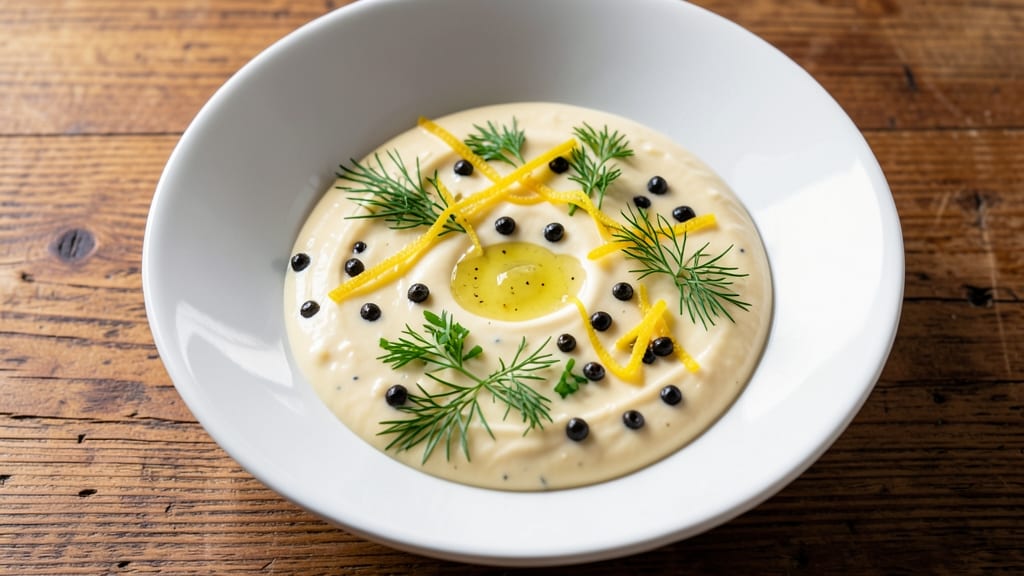
This tartar sauce recipe without pickles delivers the same bright, herby freshness you love—but with a cleaner, more versatile base that works for seafood, veggies, or even burgers.
The secret lies in balancing lemon zest, fresh dill, and capers for that signature tang without relying on pickles, while keeping the texture perfectly smooth and creamy.
I developed this version after realizing traditional recipes often overpowered delicate flavors, and it’s become my go-to for everything from fish tacos to loaded baked potatoes.
The beauty of this sauce is its simplicity: just five core ingredients come together in minutes with no cooking required. A touch of Dijon mustard adds depth, while the lemon juice brightens every spoonful.
What sets this apart is the way the herbs and capers meld into a cohesive, restaurant-quality sauce that stays fresh-tasting for days. The texture remains velvety smooth, never grainy, thanks to a precise ratio of mayonnaise and a quick emulsification technique.
What you’ll end up with is a sauce that’s tangy yet refined, herby yet balanced, and versatile enough to elevate any dish. The lemon-dill flavor profile shines through without being overpowering, making it ideal for seafood lovers who want that classic tartar taste without the pickle texture.
This recipe delivers professional results in under 10 minutes—no fuss, no waiting, just pure flavor.
Best of all, it keeps beautifully in the fridge for up to a week, making it perfect for meal prep. Whether you’re serving it with crab cakes, grilled shrimp, or even as a dip for veggie sticks, this tartar sauce will become your new kitchen staple.
Let’s get started on making it.
Ingredients for tartar sauce recipe without pickles
Five simple ingredients transform into this bright, herby tartar sauce without pickles.
| Ingredient | Amount | Notes |
|---|---|---|
| Mayonnaise 🥛 | 1 cup | High-quality, smooth texture |
| Fresh Dill Weeds 🌿 | ⅓ cup | Finely chopped, stems removed |
| Lemon Zest 🍋 | 1 tbsp | From 1 large organic lemon |
| Lemon Juice 🍋 | 2 tbsp | Freshly squeezed, no pulp |
| Capers 🫒 | 2 tbsp | Rinsed, drained, chopped fine |
| Dijon Mustard 🍯 | 1 tsp | Mild or strong variety |
| Salt 🧂 | ½ tsp | Kosher or sea salt |
| Black Pepper 🌶️ | ¼ tsp | Freshly ground preferred |
The mayonnaise is the base, so pick a high-quality brand—none of that watery stuff. I swear by Hellmann's or Duke's for that perfect creamy texture. Fresh dill is a must here (the good stuff, not the dried kind)—grab a bunch at the farmers market if you can. The lemon zest and juice should come from the same lemon (organic if possible) for that consistent bright flavor. Capers? Look for non-pasteurized in olive oil at specialty stores—they’ve got more flavor. If you can only find pasteurized, rinse them well to cut the saltiness.
No fresh dill? Dried dill at half the amount works, but it won’t be as vibrant. Short on capers? Pickle juice or a dash of Worcestershire sauce adds tang without texture. The Dijon mustard can be swapped for regular yellow mustard in a pinch (though it’s less refined). For extra brightness, add a pinch of lemon pepper or a splash of white wine vinegar. The salt and pepper are easy—just taste as you go. This sauce is all about balance, so don’t be afraid to adjust.
This keeps perfectly in an airtight container in the fridge for up to 1 week. For longer storage, portion into ice cube trays and freeze for up to 3 months. The texture stays smooth if you press plastic wrap directly on the surface before sealing. I always make a double batch—one for immediate use, one for freezing. Works like magic on everything from crab cakes to grilled veggies!
Why You'll Love This Recipe
- No Chopping Needed: I just mix mayo, dill, and lemon juice—no knife skills required. The capers add a salty punch without extra effort.
- Zesty Brightness: That lemon zest and juice cut through the richness of the mayo, giving it a fresh, tangy lift. It’s bright but never overpowering.
- Game for Any Meal: Slather it on fish tacos, use it as a dip, or toss it with pasta—it works everywhere. Honestly, I keep a jar in the fridge for emergencies.
- Lasts All Week: Make a big batch, and it stays fresh for days. Between us, I’ve had this sauce three times this week and it’s still perfect.
Step-by-step instructions for tartar sauce without pickles
Here's how to make a vibrant, tangy tartar sauce that's bright with lemon and fresh dill.
Combine the Base Ingredients
In a medium bowl, start by adding the 1 cup mayonnaise and 1 teaspoon Dijon mustard. Use a sturdy whisk or a silicone spatula to mix these together until completely smooth. The mayonnaise should look uniform with no streaks of mustard remaining. This base creates the creamy foundation for your sauce.
Next, fold in the 2 tablespoons lemon juice and 1 tablespoon lemon zest. The lemon juice adds a bright, tangy punch while the zest brings a subtle citrus aroma. Mix gently to incorporate these ingredients without overworking the mayonnaise—you want to maintain that silky texture. The sauce should already be starting to take on a lovely pale yellow hue.
Add the Fresh Dill and Capers
Sprinkle in the 0.33 cup finely chopped fresh dill weeds and 2 tablespoons chopped capers. The dill brings that classic tartar sauce freshness, while the capers add a briny, salty depth. Stir everything together until the dill is evenly distributed and the capers are fully incorporated. You'll notice the sauce becoming slightly more textured as the dill and capers blend in.
Here's the thing—if your dill is particularly coarse, give it a quick pulse in a food processor before adding it. This ensures a smooth, consistent texture in your sauce. The capers should be finely chopped so they distribute evenly without any large chunks.
Season to Perfection
Now it's time to balance the flavors. Add the 0.5 teaspoon salt and 0.25 teaspoon black pepper to the bowl. Mix well to ensure even distribution throughout the sauce. Taste a small spoonful—this is where you can adjust if needed. If it's too mild, add a pinch more salt or a splash of lemon juice. If it's too sharp, a tiny bit of mayonnaise can help mellow it out.
Let the sauce sit for 5 minutes at room temperature. This resting period allows the flavors to meld together beautifully. You'll notice the lemon and dill flavors becoming more pronounced and harmonious. The sauce should have a bright, fresh taste with a perfect balance of tangy, creamy, and briny notes.
Adjust Consistency and Serve
If the sauce feels too thick, add 1 teaspoon of water or lemon juice at a time until it reaches your desired consistency. You want it to be smooth and spreadable, not clumpy or runny. Mix well after each addition to ensure even distribution. The sauce should coat the back of a spoon with a glossy, velvety finish.
Transfer the tartar sauce to a small serving bowl or airtight container. Cover it and refrigerate for at least 30 minutes before serving. This chilling time enhances the flavors even more. Serve it with crispy fried fish, shrimp cocktails, or even as a dip for veggies. The bright lemon-dill combination shines in every bite!
Pro Tips For Making Tartar Sauce Recipe Without Pickles
- Chop Dill Fine: I learned this the hard way—whole dill stems or roughly chopped leaves sink to the bottom and make the sauce look sloppy. Pulse fresh dill in a food processor for 2-3 seconds, then taste. You want tiny, even bits that distribute evenly without over-processing into paste.
- Measure Lemon Juice: Skip the eyeballing—use a scale or measuring spoon for lemon juice. Too little and the sauce tastes flat; too much and it curdles the mayo. Start with 1 tablespoon per ½ cup mayo, then adjust. (Yes, even if you’re impatient like me.)
- Soak Capers First: Drain and rinse capers in a fine-mesh strainer, then let them sit in cold water for 5 minutes. This removes excess salt and prevents them from overpowering the sauce. Pat them very dry afterward—wet capers dilute the mayo and make the texture grainy.
- Mix Low and Slow: Dump everything into a bowl and stir aggressively? You’ll end up with a broken emulsion. Instead, add the lemon juice and zest to the mayo first, then fold in the dill and capers gently with a rubber spatula. Work in small batches if needed—this sauce is forgiving, but rushing ruins it.
Health benefits of these flavors
Lemon's Vitamin Boost
This tartar sauce packs a serious vitamin C punch from the lemon juice and zest—just 2 tablespoons of lemon juice provide about 15% of your daily vitamin C needs. Vitamin C supports your immune system, aids collagen production for healthy skin, and acts as a powerful antioxidant.
The zest adds even more nutrients, including small amounts of fiber and potassium, without altering the sauce's texture. 💛
Dill's Digestive Benefits
The ⅓ cup fresh dill in this recipe isn't just for flavor—it contains carvacrol, a compound that aids digestion and may help reduce bloating. Dill also provides trace amounts of vitamin K, which supports bone health by helping your body absorb calcium.
Using fresh dill maximizes these benefits compared to dried versions, which lose potency over time.
Healthy Fats from Mayo
While mayo gets a bad rap, the 1 cup high-quality mayonnaise in this sauce provides beneficial fats that your body needs. Look for versions made with avocado oil or olive oil instead of soybean oil for healthier fatty acid profiles.
These fats support brain function and help absorb fat-soluble vitamins from your meal. The key is moderation—this sauce is meant as a condiment, not a main ingredient.
Capers' Mineral Power
Those 2 tablespoons of capers contribute notable amounts of iron and magnesium, essential minerals for energy production and muscle function. The iron in capers helps prevent fatigue, while magnesium supports nerve and muscle health.
Rinsing capers before using reduces sodium content, making this sauce a slightly lower-sodium option compared to traditional versions with pickles.
Low-Calorie, High-Flavor
This tartar sauce clocks in at just 120 calories per serving (about 2 tablespoons), making it a guilt-free way to add flavor to your meals. The combination of lemon, dill, and capers creates complex flavor without needing heavy cream or excessive fat.
It's perfect for those watching calories but still wanting restaurant-quality taste. The sauce also contains no added sugars, making it suitable for diabetic-friendly diets.
Antioxidant-Rich Profile
The sauce's bright ingredients—especially the lemon and fresh dill—provide antioxidant benefits that help combat cellular damage. Lemon contains flavonoids like hesperidin, while dill offers apigenin, both compounds linked to reduced inflammation.
These antioxidants work together to support overall health while adding vibrant flavor to your dishes. The capers contribute additional antioxidants through their olive oil preservation method. ✨
Nutrition facts
Frequently asked questions
Why skip the pickles in tartar sauce?
This version eliminates pickles to create a smoother, more versatile sauce that works with delicate flavors like grilled fish or veggie dips. The capers provide briny depth without the texture, while lemon and dill deliver the signature tang. It's also more approachable for pickle-sensitive eaters or those who prefer a cleaner taste.
Can I make this sauce without fresh dill?
Yes! Use 1 tablespoon dried dill instead, but reduce the amount by half. For extra flavor, add ½ teaspoon dried tarragon or parsley. The sauce will still taste fresh, though the texture will be slightly less vibrant. Fresh dill is ideal, but this works in a pinch.
How do I adjust the flavor if it tastes too tangy?
Add ½ teaspoon more mayonnaise or a pinch of sugar to balance the acidity. For a milder taste, reduce the lemon juice by 1 teaspoon next time. The sauce should harmonize tangy, creamy, and briny notes—adjust gradually while tasting.
Is this sauce vegan-friendly?
Not traditionally, but you can easily adapt it! Swap the mayonnaise for vegan mayo (like Just Mayo) and use vegan capers (check for fish-free brands). The lemon-dill flavor profile stays the same—just ensure all ingredients are plant-based.
Can I make this ahead of time?
Make it 1-2 days ahead for deeper flavor development. Store in an airtight container in the fridge. Stir before serving, as the dill may separate slightly. For longer storage, freeze in ice cube trays for up to 3 months—thaw overnight in the fridge.