
Sauces & Condiments
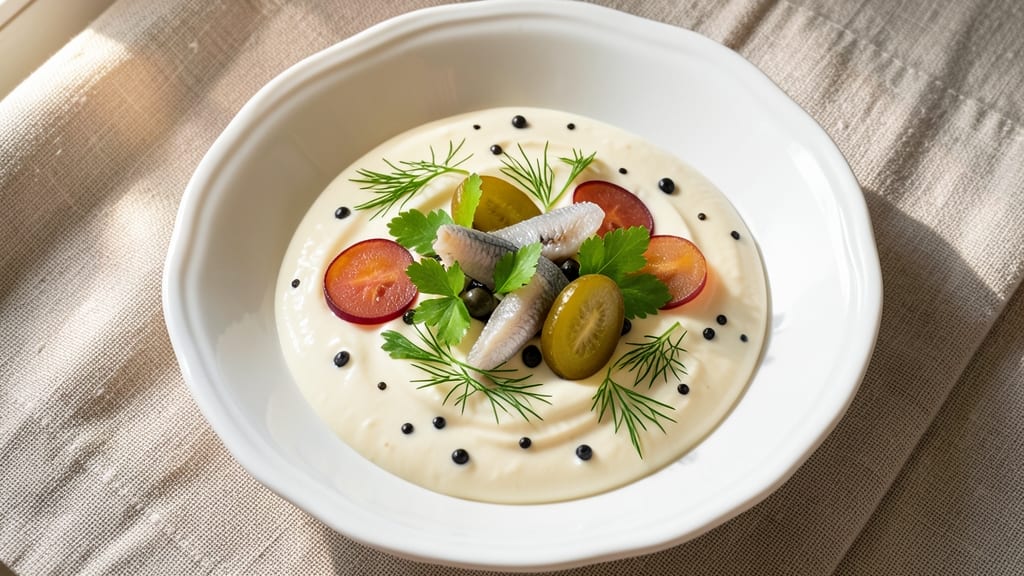
This tatar sauce recipe transforms simple pantry staples into a vibrant, briny condiment that elevates everything from grilled fish to crispy fries. The secret lies in balancing bold flavors—creamy mayonnaise, tangy capers, and sharp mustard—while fresh herbs and anchovies add depth that keeps it interesting.
I developed this version after realizing how often store-bought tatar sauce falls flat, missing that perfect harmony of textures and tastes.
The beauty of this sauce is its versatility—ready in just 10 minutes with ingredients you likely already have. Traditional tatar sauce relies on a few key elements: finely chopped pickles for crunch, capers for that signature briny punch, and a touch of anchovy for umami depth.
The mayonnaise base ensures a smooth, spreadable consistency, while fresh dill and parsley brighten the flavors without overpowering the bold tastes.
What you’ll end up with is a rich, herby sauce that clings beautifully to proteins or vegetables, adding layers of flavor with every bite. It’s the perfect topping for grilled salmon, steak tartare, or even as a dip for fresh vegetables.
The tangy, briny notes cut through richness, making it a game-changer for any dish that needs a bold finishing touch.
Once you make this, you’ll never go back to store-bought again. The sauce keeps well in the fridge for up to a week, so you can make a batch ahead and have it ready whenever the craving strikes. Let’s get started—your taste buds will thank you.
Ingredients for tatar sauce
Eight bold flavors blend into a sauce that transforms any dish into something extraordinary.
| Ingredient | Amount | Notes |
|---|---|---|
| Mayonnaise 🥛 | ¾ cup | High-quality, full-fat preferred |
| Fresh Dill Leaves 🌿 | ½ cup | Chopped finely, stems removed |
| Fresh Parsley Leaves 🌿 | ¼ cup | Chopped finely, flat-leaf preferred |
| Cornichons 🥒 | ¼ cup | Finely chopped, seeds removed |
| Capers 🍅 | 2 tbsp | Rinsed, chopped, nonpareils preferred |
| Anchovy Fillets 🐟 | 1 tbsp | Finely chopped, high-quality preferred |
| Dijon Mustard 🌶️ | 1 tbsp | High-quality, sharp flavor |
| Lemon Juice 🍋 | 1 tbsp | Freshly squeezed, seedless |
| Extra-Virgin Olive Oil 🫒 | 1 tbsp | Fruity, high-quality preferred |
| Kosher Salt 🧂 | ½ tsp | Fine grain, Diamond Crystal preferred |
| Freshly Ground Black Pepper 🌶️ | ¼ tsp | Coarsely ground |
The mayonnaise is your foundation—Duke’s or Hellmann’s are my go-tos for their rich texture, but any full-fat mayo works. Fresh herbs are non-negotiable here; farmers market dill and parsley have that vibrant punch grocery store bundles lack. Cornichons add that signature crunch—look for the tiny, seedless ones at specialty stores—while capers bring the briny depth. Anchovies might seem intimidating, but high-quality fillets from a seafood counter dissolve beautifully and add umami magic without overpowering. If you're squeamish, start with half the amount and adjust to taste.
No cornichons? Pickle relish or finely chopped dill pickles work in a pinch, though they’ll add more moisture. Swapping anchovies for 1 tsp fish sauce keeps that umami punch without texture. Short on fresh dill? Dried dill at one-third the amount gets you close, but it won’t be the same. The mustard can be swapped for whole-grain mustard if you prefer a nuttier note. For extra richness, add 1 tbsp crème fraîche to the mayo base. And if you’re feeling adventurous, a dash of Worcestershire sauce deepens the flavor profile beautifully.
This sauce keeps like a dream—up to 1 week in an airtight container in the fridge, though the flavors actually improve after the first day as everything melds. For longer storage, portion into ice cube trays and freeze for up to 3 months. The extra-virgin olive oil on top creates a protective seal, keeping those fresh herbs vibrant. Make a double batch—it disappears faster than you’d think, especially when paired with grilled salmon or steak tartare. And trust me, leftovers taste even better the next day.
Why You'll Love This Recipe
- Five-Ingredient Magic: I swear, this sauce is the kind of recipe where you look at the ingredients and think, "How hard can this be?"—then realize you’re right. Chop two herbs, mix in mayo, and call it a day. No cooking, no fuss, just a bright, tangy sauce ready in minutes.
- Bright & Tangy: That first bite of fresh dill and parsley cutting through the mayo? It’s like a little burst of sunshine in your mouth. The cornichons and capers add a sharp, salty crunch that makes it impossible to stop dipping—trust me, I’ve tried.
- Weeknight Hero: This is my go-to when I’m serving fish, chicken, or even just crackers at 7 PM. It’s the kind of sauce that elevates anything without needing a fancy occasion. (Yes, even on a Tuesday night.)
- Leftovers That Last: Unlike sauces that turn sad after a day, this one stays fresh in the fridge for at least five days. I double the batch, slap it on sandwiches, or toss it into salads—no waste, just flavor.
Step-by-step instructions for bold mayonnaise-based tartar sauce
Here's the straightforward method for crafting a vibrant, herb-forward tartar sauce that balances richness with bright acidity.
Combine the Base Ingredients
In a medium mixing bowl, begin by adding the 0.75 cup mayonnaise and 1 tablespoon Dijon mustard. Use a sturdy silicone spatula to gently fold these together until fully incorporated. The mayonnaise should look smooth with no visible streaks of mustard. I like to work in small circles at the bottom of the bowl first, gradually working my way up to ensure even distribution.
Next, add the 1 tablespoon lemon juice and 1 tablespoon extra-virgin olive oil. The lemon juice will immediately brighten the mixture, cutting through the richness of the mayonnaise. The olive oil adds a subtle fruity depth that prevents the sauce from tasting one-note. Mix these ingredients in thoroughly until completely combined—you should see a noticeable shift in color toward a pale, luminous hue.
Incorporate the Finely Chopped Vegetables
Add the 0.5 cup finely chopped fresh dill leaves and 0.25 cup finely chopped fresh parsley leaves to the bowl. These herbs are the heart of tartar sauce, providing that signature fresh, herby brightness. Use your spatula to gently fold them in, making sure each leaf is fully integrated without tearing the mayonnaise emulsion. You'll notice the mixture becomes slightly thicker and develops a vibrant green color.
At this stage, I recommend tasting the sauce. It should already have a lively, herbaceous quality, but the acidity might feel slightly muted. This is where the remaining ingredients come into play. If the sauce tastes too thick, you can add 1 teaspoon water to loosen it slightly—just enough to create a smooth, spreadable consistency.
Add the Briny, Umami Elements
Now it's time for the bold flavors. Add the 0.25 cup finely chopped cornichons and 2 tablespoons chopped capers. These ingredients bring a sharp, tangy punch that balances the richness of the mayonnaise. The cornichons add a subtle crunch and a bright, pickled acidity, while the capers contribute a salty, briny depth. Stir these in gently to avoid breaking the emulsion.
Next, add the 1 tablespoon finely chopped anchovy fillets. Yes, it might seem unusual, but anchovies are essential for that classic tartar sauce umami. They dissolve completely into the mixture, adding a savory richness that rounds out the flavors. Mix thoroughly until the anchovies are fully incorporated—you should no longer see any visible pieces.
Season and Adjust to Perfection
Finally, add the 0.5 teaspoon kosher salt and 0.25 teaspoon freshly ground black pepper. The salt enhances all the flavors, while the pepper adds a subtle heat that cuts through the richness. Taste the sauce again and make any final adjustments. If it needs more acidity, add a little more lemon juice. If it feels too thick, add 1 teaspoon water or 1 teaspoon extra-virgin olive oil to reach your desired consistency.
Let the sauce sit at room temperature for 10-15 minutes before serving. This resting period allows the flavors to meld completely, resulting in a sauce that's perfectly balanced—bright, herby, and rich without being overpowering. Serve immediately with fish, seafood, or crusty bread for the ultimate experience.
Pro Tips For Making Tatar Sauce
- Chill Before Mixing: Cold mayo is non-negotiable—room-temperature mayo will split like a bad joke at a family reunion. Pop your mayo jar in the fridge for 10 minutes before starting, and keep all ingredients (especially capers and cornichons) in the ice bath while prepping. Trust me, you’ll taste the difference when the sauce stays smooth.
- Chop Herbs Fine: I used to eyeball herb sizes, but "fine" isn’t the same as "chopped into confetti." Aim for tiny dice—smaller than a grain of rice—so they disperse evenly. Use a sharp knife and stack the herbs to slice through them cleanly. Big chunks mean texture issues, and nobody wants that.
- Drain Capers Well: Skip this step, and your sauce will taste like swimming in a brine pool. Rinse capers under cold water, then drain them in a fine-mesh strainer for at least 30 seconds. Press them dry with a paper towel if they’re stubborn—wet capers dilute the flavor and make the sauce watery.
- Balance the Tartness: Cornichons are salty, capers are briny, and mayo is neutral—so it’s easy to overdo the acid. Start with half the cornichons called for, taste, then add more if needed. If the sauce tastes too sharp, a pinch of sugar (or even a splash of lemon juice) can rebalance it. Adjust in small increments.
Best sauces and condiments for this recipe
Classic Pairings
This tatar sauce shines as a topping for grilled salmon or seared scallops, where its briny, herby notes complement the natural sweetness of the seafood. I love spooning it over steak tartare just before serving—it adds that signature tang that balances the raw beef.
For a vegetarian option, try it with crispy falafel or grilled eggplant slices. The sauce’s texture clings beautifully, making every bite more flavorful. 🍽️
Crispy Appetizers
Transform fries into something extraordinary by serving them with this sauce on the side. The cornichons and capers add a satisfying crunch, while the Dijon mustard and anchovies give a savory depth that pairs perfectly with golden, salty fries.
I also love using it as a dip for hot or cold smoked salmon bites—the contrast of textures and flavors is unbeatable. For a lighter option, try it with crispy Brussels sprouts or roasted cauliflower florets.
Sandwich & Wrap Upgrades
Spread a generous layer of this sauce on toasted baguette slices for an instant tartar sandwich. Add thinly sliced smoked trout or cured salmon for a luxurious bite. For a heartier option, layer it on a grilled cheese sandwich with sharp cheddar and crispy prosciutto.
The acidity cuts through the richness, making each bite more vibrant. I also use it as a spread for open-faced rye bread topped with avocado slices and poached eggs—trust me, it’s a game-changer. 🥪
Unexpected Uses
Don’t limit this sauce to savory dishes—it’s also fantastic as a dipping sauce for pretzels or crusty bread. The herbs and capers add a refreshing twist to a classic snack. For a bold twist, drizzle it over seared tuna steaks or grilled shrimp skewers right before serving.
The sauce’s bright flavors elevate the dish without overpowering it. Even charcuterie boards benefit from a small bowl of this sauce—it pairs beautifully with soft cheeses like brie or cured meats.
Global Twists
For a Mediterranean-inspired touch, stir in 1 teaspoon finely chopped Kalamata olives and a pinch of oregano before serving. This works wonderfully with grilled lamb chops or stuffed grape leaves.
A French bistro twist involves adding 1 teaspoon chopped shallots and a dash of tarragon, perfect for duck confit or seared foie gras. For a spicy kick, mix in ½ teaspoon hot sauce or chopped jalapeños—ideal for blackened shrimp or spicy tuna rolls. 🌍
Nutrition facts
Frequently asked questions
Can I make this sauce without anchovies?
Swap the anchovies for 1 teaspoon fish sauce or ½ teaspoon Worcestershire sauce to maintain that umami depth. For a vegetarian option, add 1 extra tablespoon of capers and a pinch of nutritional yeast for a savory boost. The sauce will still taste delicious—just slightly less intense.
How do I fix broken sauce (separated or too thick)?
If your sauce separates, gently whisk in 1 teaspoon extra-virgin olive oil or 1 teaspoon water while mixing vigorously. For thickening, add ½ teaspoon Dijon mustard or a pinch of cornstarch mixed with water. Always mix slowly to avoid further breaking the emulsion. Patience is key—let it rest for 5 minutes before tasting again.
What’s the best way to store homemade tatar sauce?
Keep it in an airtight container in the fridge for up to 1 week, with a layer of olive oil on top to preserve freshness. For longer storage, portion into ice cube trays, freeze, and transfer to a bag for up to 3 months. Thaw overnight in the fridge—never at room temperature. The flavors actually improve after 24 hours as everything melds.
Can I use this sauce on hot dishes?
Yes, but add it just before serving to preserve texture and freshness. The herbs and mayo won’t hold up well to prolonged heat. For hot applications like grilled fish or shrimp, spoon it on right after cooking. For cold dishes (salads, sandwiches, tartare), it’s perfect straight from the fridge.
What’s the difference between tartar sauce and remoulade?
Tartar sauce is lighter, with a mayo base and fresh herbs, while remoulade is richer, often including mayo, ketchup, capers, and sometimes tomato paste. Remoulade has a thicker, slightly sweet profile, whereas tartar sauce stays bright and herby. Both use capers and anchovies, but remoulade leans more toward bold, complex flavors.