
Sauces & Condiments
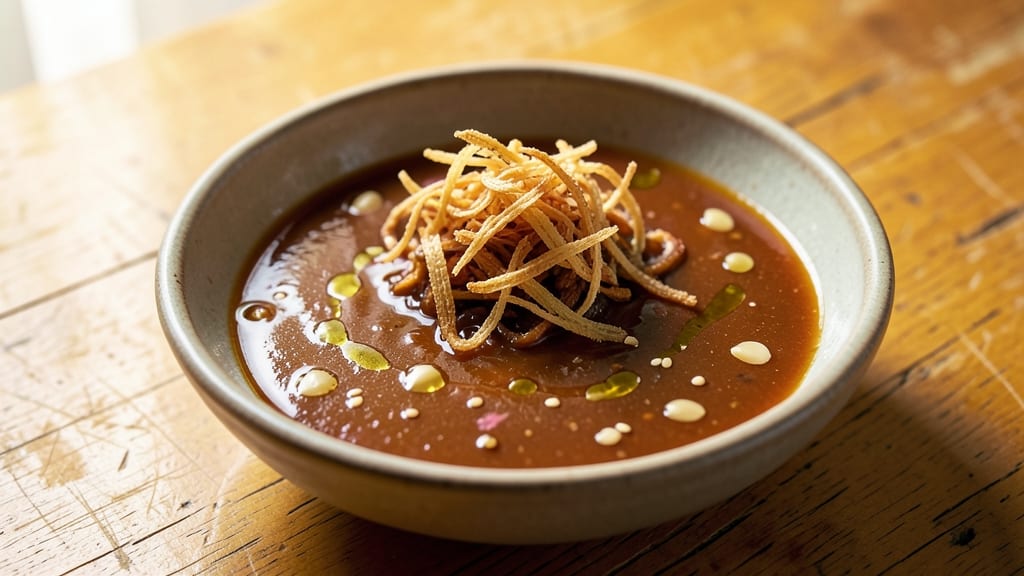
This teriyaki sauce recipe delivers the perfect balance of smoky depth and sweet richness, transforming ordinary proteins into restaurant-worthy dishes. The combination of honey and soy creates that signature caramelized glaze while maintaining umami complexity—no artificial additives required.
I developed this version after testing countless recipes that either tasted too sweet or lacked depth, and this one finally nailed it.
The secret lies in the slow reduction process, where the sauce develops layers of flavor as it thickens. With just five core ingredients—soy sauce, honey, mirin, ginger, and garlic—you get a versatile sauce that works as a marinade, stir-fry glaze, or dipping sauce.
The ginger and garlic add subtle warmth, while the mirin prevents the sauce from becoming overly salty.
What you’ll end up with is a glossy, aromatic sauce that caramelizes beautifully when brushed over meats or vegetables. The honey provides natural sweetness without overpowering, and the soy gives that essential savory backbone. This isn’t just another teriyaki sauce—it’s the one that elevates every dish it touches.
Store it in the fridge for up to two weeks or freeze for longer shelf life. Use it on chicken, pork, tofu, or even as a drizzle for rice bowls. Let’s make this sauce—it’s about to become your new kitchen staple.
Ingredients for terryaki sauce
Five core ingredients transform into a restaurant-quality sauce that caramelizes beautifully.
| Ingredient | Amount | Notes |
|---|---|---|
| Soy Sauce 🍶 | ½ cup | Use light soy for milder flavor |
| Honey 🍯 | ½ cup | Raw honey for deeper flavor |
| Mirin 🍶 | ¼ cup | Or substitute 1 tbsp sugar + 1 tbsp rice vinegar |
| Fresh Ginger 🧅 | 2 tbsp | Grated, not powdered |
| Garlic Cloves 🧄 | 3 cloves | Minced, not pre-minced jarred |
| Sesame Oil 🫒 | 1 tbsp | Toasted, for aroma |
| Cornstarch 🌾 | 1 tbsp | For thickening, not flour |
| Water 💧 | ¼ cup | For thinning if needed |
The soy sauce is the backbone—Kikkoman or Japanese light soy work best here. Mirin adds that signature sweetness without being cloying, and you'll find it in the Asian aisle (or at Trader Joe's for a budget-friendly option). Fresh ginger and garlic are non-negotiable for depth—jarred minced garlic lacks the punch. For the honey, local raw honey adds subtle floral notes that store-bought versions miss. Sesame oil might seem like an afterthought, but that toasty aroma is what makes this sauce sing. Grab the toasted kind—it's worth the extra dollar.
No mirin? Mix 1 tbsp sugar with 1 tbsp rice vinegar for a close substitute. Fresh ginger too fibrous? Powdered ginger at half the amount works in a pinch. Pre-minced garlic from a jar? Fresh is better, but if you must, use 1 tbsp. The cornstarch is for thickening—don't skip it, or your sauce will be watery. For a smokier profile, add 1/2 tsp smoked paprika. Want it spicier? A dash of red pepper flakes does the trick. The water is just for thinning if the sauce gets too thick during reduction—most times, you won't need it.
This sauce gets better with time—let it sit for 30 minutes before using so flavors meld. Keeps in the fridge for 2 weeks, freezes beautifully for 6 months. I like to freeze it in ice cube trays and pop out single servings as needed. The longer it sits, the deeper the caramelized flavor becomes—trust the process. For extra richness, whisk in 1 tbsp butter just before serving.
Why You'll Love This Recipe
- Five-Ingredient Magic: I swear by this combo—soy sauce, honey, mirin, ginger, and garlic. That’s it. No fancy gadgets, no measuring cups that make you question your life choices. Just a saucepan, 10 minutes, and you’re golden.
- Sweet-Savory Balance: The honey cuts through the saltiness like a dream, while the mirin adds that subtle sweetness. Fresh ginger? It’s the secret weapon—warm, zesty, and just enough to make your taste buds dance.
- Weeknight Superhero: Slap this on chicken, tofu, or even roasted veggies. Need a last-minute dinner? Toss it with noodles or drizzle it over rice bowls. Honestly, I’ve used it for everything from takeout nights to lazy Sunday brunches.
- Pantry Goldmine: A little goes a long way—this sauce keeps for weeks in the fridge. I make a big batch, freeze half, and boom: instant flavor for stir-fries, glazes, or even grilled salmon. Budget-friendly? Absolutely. Stress-free? Even better.
Step-by-step instructions for glazing perfection
This teriyaki sauce delivers that perfect balance of sweet, salty, and umami—let's make it together.
Toast the Aromatics for Depth of Flavor
Heat a small saucepan over medium-low heat and add the 1 tablespoon sesame oil. Once the oil shimmers slightly, add the 3 cloves minced garlic cloves and 2 tablespoons freshly grated ginger. Cook for 2-3 minutes, stirring constantly, until the garlic turns golden and the ginger loses its raw bite. You'll smell that fragrant aroma—this is where the sauce gets its complexity.
Don't walk away during this step. The garlic burns quickly, and you want it just fragrant, not bitter. If you notice any dark spots forming, remove the pan from heat immediately and let it cool slightly before proceeding. This aromatic base forms the flavor foundation for your entire sauce.
Combine Wet Ingredients for the Base
Increase heat to medium and pour in the 0.5 cup soy sauce, 0.5 cup honey, and 0.25 cup mirin. Stir well to combine all ingredients thoroughly. Let the mixture simmer gently for 5-7 minutes, stirring occasionally, until it begins to thicken slightly. You'll see bubbles forming around the edges—this indicates the sauce is starting to reduce.
Here's where the magic happens: the honey and mirin will begin to caramelize, deepening the sauce's flavor profile. If you notice the sauce is thickening too quickly, add 1 tablespoon of the 0.25 cup water to maintain the right consistency. The goal is a smooth, glossy sauce that coats the back of a spoon.
Thicken the Sauce to Glazing Perfection
In a small bowl, whisk together the 1 tablespoon cornstarch with 2 tablespoons of the 0.25 cup water until completely dissolved. This creates your thickening agent. Slowly pour this cornstarch slurry into the simmering sauce while stirring constantly with a wooden spoon or silicone spatula.
Continue cooking for 2-3 minutes until the sauce reaches your desired consistency—it should coat the back of a spoon but still be pourable. You'll know it's ready when it forms a glossy sheen and leaves a slight trail when you run your finger through it. If it's still too thin, add another 1 tablespoon of cornstarch mixed with 1 tablespoon water, repeating the process.
Finish and Adjust for Balance
Remove the sauce from heat and let it cool slightly for 5 minutes. This resting period allows the flavors to meld together and the sauce to thicken further. Taste and adjust the seasoning—you might want to add a bit more soy sauce for saltiness or honey for sweetness, depending on your preference.
The sauce should be perfectly balanced: sweet from the honey, salty from the soy sauce, with a touch of umami from the mirin and aromatic depth from the garlic and ginger. For best results, use the sauce immediately on grilled meats, roasted vegetables, or as a dipping sauce. If storing, transfer to an airtight container and refrigerate for up to 2 weeks—the flavors will continue to develop over time.
Pro Tips For Making Terryaki Sauce
- Simmer Slow and Low: I learned this the hard way—boiling teriyaki sauce turns it bitter and thin. Keep the heat at a gentle simmer (small bubbles, not rolling) and stir often. If it’s too thick, add a splash of water; if too thin, let it reduce longer. Patience here makes all the difference.
- Grind Ginger Like a Pro: Peeling and mincing fresh ginger is a pain, but grating it on the fine side of a box grater saves time and packs more flavor. Skip the pre-grated jar—it’s often dried out and lacks punch. (Yes, even if you’re impatient like me.)
- Balance Honey Early: Adding all the honey at once? You’ll end up with a cloyingly sweet sauce. Start with half, taste as you go, then adjust. The goal is a glossy, sticky glaze—not syrup. I was skeptical until I tried it—now I double-check before dumping it all in.
- Toast Garlic First: Raw garlic can make teriyaki sauce taste harsh. Lightly toast the cloves in a dry pan for 30 seconds until fragrant, then add them to the sauce. This step mellows the flavor and adds depth. (Does it look weird? Yes. Does it work? Every single time.)
Troubleshooting your terryaki sauce
Grainy or Clumpy Sauce
If your teriyaki sauce ends up grainy or clumpy, it’s usually because the cornstarch didn’t dissolve properly or the sauce wasn’t stirred consistently during thickening. To fix this, whisk the cornstarch with cold water until completely smooth before adding it to the sauce.
Stir constantly over medium heat for 2-3 minutes after adding the slurry to ensure even distribution. If clumps persist, strain the sauce through a fine-mesh sieve for a silky texture. 💡
Too Thin or Watery
A watery sauce often happens when the cornstarch isn’t cooked long enough or too much liquid was added. If this occurs, remove the pan from heat and whisk in an additional ½ teaspoon cornstarch mixed with 1 teaspoon water.
Return to low heat and cook for another 1-2 minutes, stirring constantly. For a quick fix, simmer uncovered for 5-10 minutes to let excess moisture evaporate naturally.
Overly Salty or Bitter
If your sauce tastes too salty, balance it by adding 1-2 teaspoons honey or mirin to sweeten and mellow the flavor. For bitterness (often from burnt garlic or over-reduced sauce), stir in ½ teaspoon sugar or a pinch of white pepper to mask the harshness.
Taste as you go—small adjustments make all the difference. 🧂
Sauce Separates When Stored
Teriyaki sauce can separate if the cornstarch wasn’t fully cooked or the sauce cooled too quickly. To prevent this, let the sauce cool to room temperature before refrigerating, and store it in an airtight container.
If separation occurs, gently reheat the sauce over low heat, stirring constantly until smooth. For extra insurance, whisk in 1 teaspoon cornstarch slurry before storing.
Lacks Depth of Flavor
A flat-tasting sauce usually means the aromatics (garlic and ginger) weren’t cooked long enough or the reduction wasn’t carried out properly. Boost flavor by simmering the sauce uncovered for an extra 5-10 minutes to deepen the caramelization.
For an instant upgrade, add ½ teaspoon fish sauce or a splash of rice vinegar to enhance umami and brightness.
Too Sweet or Cloying
If the honey overpowers the sauce, balance it by adding 1-2 teaspoons soy sauce or a pinch of salt to cut through the sweetness. For a more sophisticated profile, stir in ½ teaspoon grated ginger or a drop of sesame oil to add complexity.
Taste frequently—small tweaks prevent an overly sugary result. 🍯
Nutrition facts
Frequently asked questions
Can I substitute mirin in this teriyaki sauce?
Yes! If you can't find mirin, mix 1 tablespoon sugar with 1 tablespoon rice vinegar for a close substitute. For extra depth, add ½ teaspoon grated ginger to compensate for the missing sweetness. This combo mimics mirin's sweet-tangy profile while keeping the sauce balanced.
How long should I marinate proteins in this sauce?
For chicken or tofu, marinate for 30-60 minutes at room temperature. For thicker cuts like pork chops, go up to 2 hours in the fridge. The sauce works best when used fresh, so don't over-marinate or the texture may become mushy. Always pat dry before cooking for better browning.
Can I make this sauce without cornstarch?
Replace the cornstarch with 1 tablespoon arrowroot powder or 1½ teaspoons xanthan gum for a similar thickening effect. For a naturally thickened version, simmer the sauce uncovered for 15-20 minutes to reduce it naturally—just stir occasionally to prevent burning.
What's the best way to store leftover teriyaki sauce?
Transfer to an airtight container and refrigerate for up to 2 weeks. For longer storage, freeze in ice cube trays or small portions for 6 months. Thaw in the fridge overnight—never microwave directly from frozen. The sauce thickens when chilled, so stir well before using and thin with water if needed.
How can I use this sauce beyond meat glazing?
This versatile sauce works as a dipping sauce for spring rolls or dumplings, a stir-fry sauce base, or even a rice bowl drizzle. Try brushing it on baked sweet potatoes or tossing with roasted Brussels sprouts. For extra richness, stir in 1 tablespoon melted butter just before serving on veggies.