
Sauces & Condiments
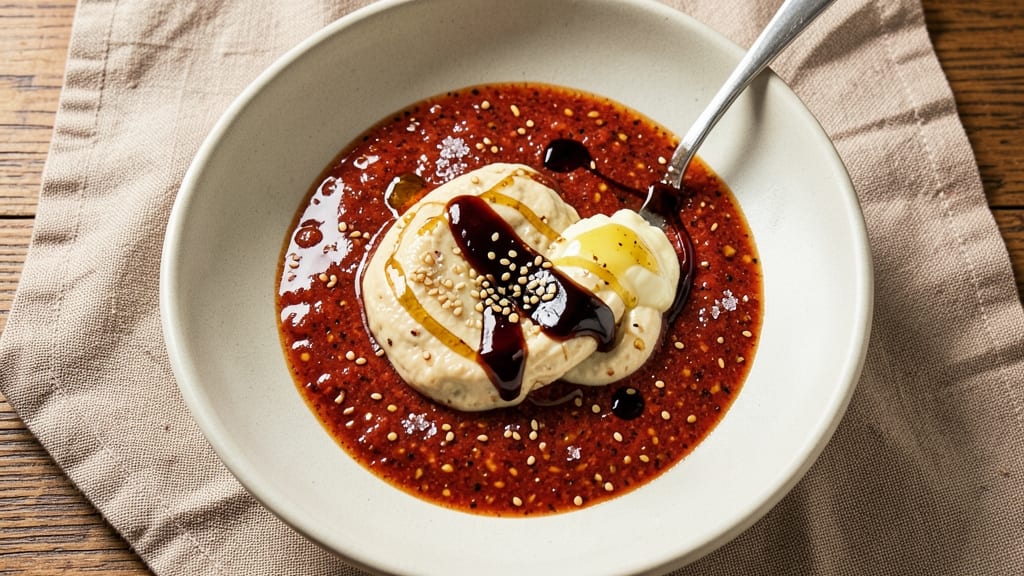
Creating a topokki sauce recipe that balances smoky depth, garlicky richness, and umami warmth transforms simple rice cakes into a restaurant-worthy dish. This sauce relies on pantry staples—soy sauce, gochujang, and sesame oil—to deliver a velvety, flavor-packed condiment that clings to every bite.
I developed it after years of experimenting with Korean stew sauces, refining the ratios to achieve that perfect harmony of sweet, spicy, and savory notes.
The beauty of this recipe lies in its versatility and simplicity. With just 10 minutes of active prep and a few pantry ingredients, you’ll have a sauce that elevates rice cakes, noodles, or even grilled meats.
The key is balancing the soy sauce’s saltiness with the gochujang’s heat and sesame oil’s nuttiness, then finishing with a touch of sugar to round out the flavors. No complex techniques—just precise measurements and patience while simmering.
What you’ll end up with is a glossy, aromatic sauce that’s smoky, garlicky, and deeply satisfying, with a texture that coats ingredients beautifully. The right balance of ingredients ensures it’s rich enough to stand alone but adaptable enough to complement a variety of dishes.
This sauce keeps well in the fridge for up to two weeks, making it perfect for meal prep or gifting.
For those who love customization, you can adjust the heat by adding more gochujang or reduce the sweetness by omitting the sugar entirely. Whether you’re serving it over rice cakes, drizzling it on grilled chicken, or using it as a marinade, this sauce is a game-changer for Korean-inspired meals.
Let’s get started!
Ingredients for topokki sauce
Nine pantry staples blend into a sauce that transforms rice cakes into a smoky, garlicky masterpiece.
| Ingredient | Amount | Notes |
|---|---|---|
| Gochujang 🌶️ | ½ cup | Korean fermented chili paste |
| Soy Sauce 🥢 | ½ cup | Light or dark variety |
| Sesame Oil 🫒 | ¼ cup | Toasted, for nuttiness |
| Garlic Cloves 🧄 | 6 cloves | Minced, fresh preferred |
| Butter 🧈 | ¼ cup | Unsalted, for richness |
| Granulated Sugar 🍬 | 2 tbsp | White or brown |
| Rice Vinegar 🍶 | 1 tbsp | White or seasoned |
| Sesame Seeds 🌾 | 1 tbsp | Toasted, for garnish |
| Ground Black Pepper 🌶️ | ¼ tsp | Freshly ground |
| Smoked Paprika 🌶️ | ½ tsp | For smoky depth |
The gochujang is non-negotiable here—Maeil or Hwaryu brands are my go-to for that authentic, balanced heat. If you can't find Korean gochujang, substitute 1 tbsp of sriracha plus 1 tbsp of tomato paste, but you'll lose some depth. Sesame oil? Toasted is a must—skip the unrefined stuff, it's bitter. The butter adds that velvety richness, so don't skimp. I grab my unsalted butter from Whole Foods because it's consistently high quality, but any good brand works. For the garlic, use fresh and mince it finely—pre-minced gets watery and dulls the flavor. The smoked paprika gives that restaurant-quality smokiness, so don't skip it.
No gochujang? Double the sriracha and add 1 tsp of honey to mimic the sweet-spicy balance. Running low on sesame oil? Avocado oil at half the amount works in a pinch, but the flavor won't be identical. The butter can be swapped for olive oil or coconut oil, though the texture will be slightly lighter. Need to reduce sugar? Omit it entirely or use a sugar substitute like honey or maple syrup. The rice vinegar can be swapped for apple cider vinegar if that's what you've got. For extra umami, add 1 tsp of fish sauce or dash of msg. The smoked paprika is key for that smoky depth—if you can't find it, liquid smoke at 1/4 tsp is a decent stand-in.
This sauce keeps beautifully in the fridge for up to two weeks, sealed in an airtight container. The flavors actually deepen over time, so it's perfect for meal prep. For longer storage, freeze in ice cube trays—thaw and reheat as needed. The sesame seeds should be toasted fresh before using, but you can store them in the freezer for up to 3 months. Double the batch if you're planning to use it over rice cakes or noodles—it disappears fast. The sauce reheats well, so don't be shy about making extra.
Why You'll Love This Recipe
- Here’s what sold me: that first spoonful of melted butter cutting through the gochujang’s heat, then the garlic singing when the soy sauce hits. It’s the kind of flavor that makes you pause mid-bite—like a hug for your taste buds.
- Five-Ingredient Magic: I swear by this—just gochujang, soy sauce, sesame oil, garlic, and butter. That’s it. No fancy prep, no hidden pantry items. The sauce comes together while you’re still debating whether to watch one more episode.
- Umami Bomb: Here’s what sold me: that first spoonful of melted butter cutting through the gochujang’s heat, then the garlic singing when the soy sauce hits. It’s the kind of flavor that makes you pause mid-bite—like a hug for your taste buds.
- Double-Duty Sauce: I use this on topokki, sure, but also drizzled over grilled chicken, tossed with noodles, or even stirred into rice. Honestly, the leftovers never last past lunch the next day because it’s just too versatile.
Step-by-step instructions for topokki sauce
This smoky garlic butter sauce comes together in minutes with bold flavors you'll crave.
Mince the Garlic and Toast the Sesame Seeds
Start by mincing the 6 cloves garlic cloves into a fine paste using a garlic press or the flat side of your knife. Set aside in a small bowl. In a dry skillet over medium-low heat, toast the 1 tablespoon sesame seeds for 1-2 minutes until they release their nutty aroma and turn a deeper golden color. Watch closely—they burn quickly. Transfer the toasted seeds to a plate and let cool completely before using.
This step builds the aromatic foundation. Fresh garlic makes all the difference here—don't substitute with powder. The toasted sesame seeds add depth that you won't get from raw seeds. I like to crush about half of them lightly with a mortar and pestle for extra texture, but this is optional.
Melt the Butter and Bloom the Spices
In a medium saucepan, melt the 0.25 cup butter over medium heat until it foams and turns a pale golden color. Add the 0.5 teaspoon smoked paprika and stir constantly for 30 seconds until you smell that deep, smoky aroma. This is called "blooming" the spice—it releases its essential oils for maximum flavor.
Next, add the minced garlic and cook for 1-2 minutes until it turns a light golden color. Be careful not to let it burn—garlic turns bitter quickly. The butter should be bubbling gently but not browned. This is where the sauce starts building its rich, savory base. If you see the butter starting to brown too quickly, reduce the heat slightly.
Combine Wet Ingredients and Simmer
Reduce the heat to low and add the 0.5 cup gochujang, 0.5 cup soy sauce, and 2 tablespoons granulated sugar. Stir vigorously to dissolve the sugar completely—this prevents graininess in your finished sauce. The mixture will bubble vigorously at first, but after 1-2 minutes, it should start to thicken.
Now add the 1 tablespoon rice vinegar and 0.25 teaspoon ground black pepper. Bring everything to a gentle simmer and let it cook uncovered for 5-7 minutes, stirring occasionally. You're looking for the sauce to reduce slightly and coat the back of a spoon. The color should deepen to a rich, glossy mahogany hue. If it thickens too much, add 1 tablespoon water to loosen it.
Finish with Sesame Oil and Adjust Seasoning
Remove the sauce from heat and stir in the 0.25 cup sesame oil one tablespoon at a time. This adds that signature nutty richness that balances the heat. The sauce should be silky and glossy with a perfect balance of sweet, spicy, and umami flavors. Taste and adjust seasoning—add more soy sauce for saltiness, more gochujang for heat, or more sugar to balance the flavors.
Let the sauce sit at room temperature for 5 minutes before using. This allows all the flavors to meld together. The sauce should be thick enough to coat the back of a spoon but still pourable. If you're serving it immediately, stir in half of the reserved toasted sesame seeds. The other half can be sprinkled on top as a garnish right before serving.
Pro Tips For Making Topokki Sauce
- Bloom the Gochujang: Heat the gochujang with a splash of water (about 1 tablespoon) for 30 seconds before adding other ingredients. This step prevents the sauce from seizing up—trust me, you don’t want a gluey mess instead of a smooth, glossy sauce.
- Minimize Garlic Burn: Crush the garlic cloves flat with the side of your knife first, then add them to the butter just before the butter starts foaming. Whole cloves burn fast, and burnt garlic turns bitter—this way, they cook fast and stay sweet.
- Salt the Butter Early: Toss a pinch of salt (about ¼ teaspoon) into the butter while it melts. The butter in this sauce carries the heat, and salting it upfront means you won’t forget later or end up with a bland, one-dimensional sauce.
- Finish with Cold Sesame Oil: Stir in the sesame oil off the heat right at the end—it’s the only way to keep its aroma intact. Adding it too soon or over high heat turns it into a sad, flavorless afterthought. (Yes, even if you’re impatient like me.)
Serving suggestions for this recipe
Topokki Pairing Basics
This sauce is a game-changer for traditional Korean dishes, but it also elevates unexpected pairings. Start with the classic—steamed rice cakes (topokki)—where the sauce’s smoky depth and garlicky richness clings perfectly to each bite.
I like to serve it with warm, chewy rice cakes and a side of quick-pickled cucumbers to cut through the richness. The acidity from the pickles balances the sauce’s bold flavors beautifully. 🥗
Protein Power-Ups
Topokki sauce isn’t just for rice cakes—it transforms grilled meats into showstoppers. Drizzle it over marinated chicken thighs or pork belly slices during the last 2 minutes of grilling to create a sticky, flavorful crust.
For a quick weeknight meal, toss it with pan-fried tofu and serve over steamed jasmine rice. The sauce’s umami notes pair especially well with firm tofu that’s been pressed and marinated in 1 tbsp soy sauce + 1 tsp sesame oil for 15 minutes before cooking.
Noodle Game-Changer
Stir-fried noodles get an instant upgrade with this sauce. Toss 8 oz cooked udon or ramen noodles with 2 tbsp topokki sauce, 1 tbsp toasted sesame seeds, and ½ cup sliced green onions. For extra protein, add shrimp or sliced chicken.
The sauce’s smoky-sweet profile complements the chewiness of noodles perfectly. I often serve this as a quick lunch with a side of steamed bok choy for freshness. 🍜
Dipping Sauce Magic
Use this sauce as a dipping sauce for fried dumplings (mandu) or spring rolls. The combination of heat, umami, and nuttiness makes it irresistible. For extra authenticity, add 1 tsp grated ginger to the sauce before serving.
It also works as a marinade for grilled vegetables like eggplant or zucchini—brush them lightly with sauce before grilling for 3-4 minutes per side. The caramelized edges pair perfectly with the sauce’s depth.
Breakfast Boost
Start your day with topokki sauce scrambled eggs—a Korean-inspired twist on a classic. Whisk 3 eggs with 1 tbsp sauce, 1 tsp sesame oil, and ¼ tsp black pepper, then cook in a buttered skillet until set.
Top with crispy fried shallots and toasted sesame seeds. The sauce’s smoky notes add complexity to the eggs, making it feel like a restaurant-quality breakfast. Serve with steamed rice or toasted bread for dipping. 🍳
Garnish Like a Pro
Elevate any dish with simple garnishes. Sprinkle toasted sesame seeds or crushed roasted peanuts on top for texture. For extra flair, add thinly sliced green onions or microgreens just before serving. If you love heat, drizzle with a few drops of chili crisp or extra gochujang for a spicy kick.
The key is to let the sauce shine while adding visual appeal—think golden sesame seeds against the deep red of the sauce. ✨
Nutrition facts
Frequently asked questions
Can I make this sauce without gochujang?
For a substitute, mix 1 tbsp sriracha with 1 tbsp tomato paste and ½ tsp honey to mimic gochujang's sweet-spicy balance. The sauce will be less complex but still delicious. For extra depth, add ½ tsp smoked paprika to compensate for the missing umami. The texture will be slightly thinner, so reduce other liquids slightly.
How do I adjust the heat level?
For milder heat, reduce gochujang to ¼ cup and add 1 extra tbsp sugar to balance. For extra spice, increase gochujang to ⅔ cup and add ½ tsp red pepper flakes. Remember to taste as you go—heat builds during simmering, so start conservative. If it's too spicy, stir in 1 tsp honey to mellow the flavor.
Can I make this sauce in advance?
Yes! This sauce actually improves with time. Store it in an airtight container in the fridge for up to 2 weeks, where the flavors meld beautifully. For longer storage, freeze in ice cube trays—thaw and reheat gently before using. The texture may thicken slightly when refrigerated, so add 1 tsp water when reheating if needed.
What's the best way to use leftover sauce?
Leftover sauce works perfectly as a marinade for grilled proteins or a dipping sauce for spring rolls. For rice cakes, reheat gently with 1 tsp water to restore its glossy texture. Try it as a glaze for roasted vegetables or stir into ramen broth for instant umami depth. The sauce also makes a fantastic base for Korean-style fried rice—just mix with cooked rice and a fried egg.
Why did my sauce turn out too thick?
This usually happens when the sauce simmers too long or the heat is too high. To fix it, whisk in 1-2 tbsp water while reheating. For prevention, keep heat at low during simmering and stir frequently. The sauce should coat the back of a spoon but still be pourable. If it's too thin, simmer uncovered for 2-3 extra minutes to reduce it naturally.