
Sauces & Condiments
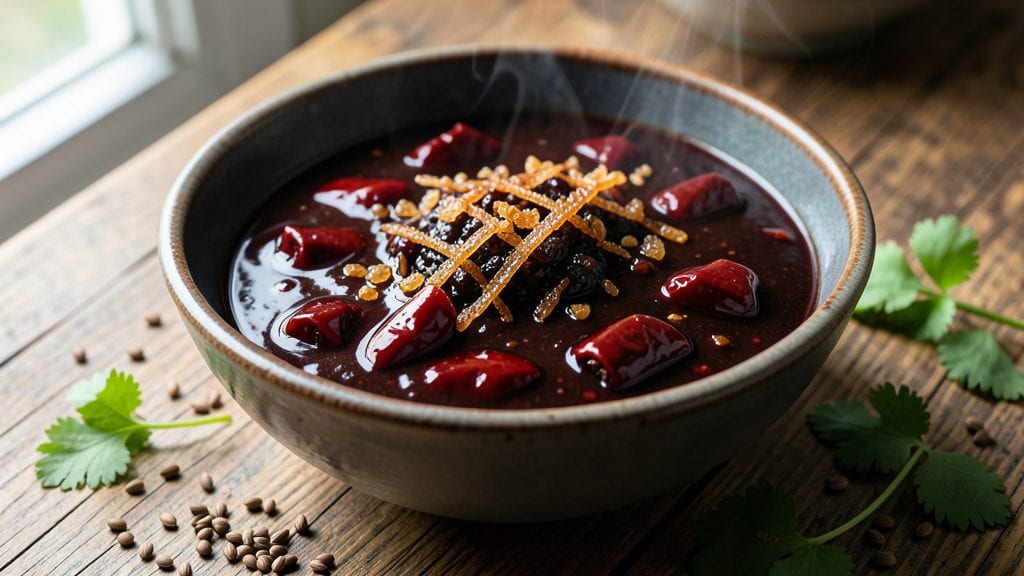
Torchy's Diablo sauce recipe delivers the kind of smoky chipotle heat that transforms every dish into a flavor explosion. I spent countless hours perfecting this sauce to capture that signature balance of smoldering spice and rich, caramelized depth—just like the original, but with a foolproof home method.
The secret lies in blending smoked chipotle peppers with a blend of vinegars and spices that develop complexity over time.
What makes this sauce truly special is its versatility—it clings to grilled meats, enhances tacos, and even elevates simple nachos with restaurant-quality depth. Unlike store-bought versions, this recipe builds heat gradually through slow simmering, ensuring a smooth, velvety texture that doesn't overpower.
The smoky chipotle flavor lingers perfectly, creating a sauce that's as addictive as it is authentic.
By the time you're done, you'll have a batch of sauce that's rich, slightly sweet, and packed with that signature smoldering heat. The blend of spices and vinegars creates layers of flavor that develop even more after a day in the fridge.
This isn't just a condiment—it's the kind of sauce that turns ordinary meals into memorable experiences.
Make a double batch and store it in the fridge for up to 2 weeks, or freeze for longer storage. The flavor only improves with time, making this the ultimate sauce to keep on hand for any spice-loving occasion. Let's get cooking!
Ingredients for torchy's diablo sauce
Pantry staples meet smoky heat in this restaurant-quality sauce recipe.
| Ingredient | Amount | Notes |
|---|---|---|
| Smoked Chipotle Peppers in Adobo Sauce 🌶️ | 4 whole | Canned, with 1 tbsp adobo sauce reserved |
| Apple Cider Vinegar 🍎 | ½ cup | Braeburn or Honeycrisp preferred |
| Distilled White Vinegar 💧 | ½ cup | For balance and acidity |
| Brown Sugar 🍯 | ¼ cup | Light or dark variety |
| Ground Cumin 🌿 | 1 tbsp | Toasted for deeper aroma |
| Ground Coriander 🌿 | 1 tbsp | Freshly ground preferred |
| Garlic Powder 🧄 | 1 tbsp | Not garlic salt |
| Onion Powder 🧅 | 1 tbsp | For subtle depth |
| Salt 🧂 | 1 tsp | Diamond Crystal preferred |
| Black Pepper 🌶️ | ½ tsp | Freshly cracked |
| Cayenne Pepper 🔥 | ¼ tsp | Adjust for heat preference |
The chipotle peppers are the heart of this sauce—look for brands like Goya or Herdez for consistent quality. The adobo sauce they're packed in adds depth, so never skip the reserved 1 tbsp. For extra smokiness, toast the peppers in a dry skillet for 30 seconds before blending. Penzeys or bulk spice sections are great for fresh spices like cumin and coriander, which make all the difference here. The vinegars should be organic if possible, as they contribute subtle fruit notes that develop during simmering.
No chipotle peppers? Substitute 1 tbsp smoked paprika plus 1 tsp chipotle powder, though the flavor won't be identical. Short on apple cider vinegar? White vinegar with 1 tsp apple juice works in a pinch. The brown sugar can be swapped for maple syrup or agave for a different sweetness profile. For a smoother sauce, strain through a fine-mesh sieve after simmering. If you want more heat, add 1 extra chipotle pepper or 0.5 tsp cayenne. The spices should be toasted in a dry pan for 30 seconds to enhance their aroma before blending.
This sauce thickens as it cools, so add 1-2 tbsp water if it's too stiff. Store in an airtight container in the fridge for up to 2 weeks, where the flavors deepen. For longer storage, freeze in 1-cup portions for up to 6 months. The sauce reheats beautifully—simmer gently on the stove or microwave in 20-second bursts. Double the batch; you'll want to make this often.
Why You'll Love This Recipe
- Five-Ingredient Magic: I swear, this sauce comes together with just a blender and 10 minutes of my time. No chopping, no fuss—just dump, pulse, and taste. (Yes, even on a Tuesday night.)
- Smoky-Sweet Heat: That smoky chipotle meets the tangy vinegar and brown sugar like a match made in heaven. It’s not too spicy—just enough kick to wake up your taste buds without burning your mouth out.
- Game for Any Dish: Slather it on grilled chicken, drizzle it over tacos, or toss it with roasted veggies. I’ve even used it in marinades and soups—it’s the secret weapon I didn’t know I needed.
- Stays Fresh for Days: Between us, I’ve made a big batch and had it last a week in the fridge. The flavors only deepen, and it’s cheaper than buying store-bought hot sauce. Plus, it’s way more impressive.
Step-by-step instructions for torchy's Diablo sauce
This smoky, fiery sauce comes together in minutes with just a few key ingredients.
Prepare the Chipotle Peppers
Remove the 4 whole smoked chipotle peppers from their adobo sauce and place them in a blender or food processor. Reserve 1 tablespoon of the adobo sauce from the can—this adds depth of flavor. You'll want to use the peppers whole for maximum heat and smokiness, so don't chop them.
Add the reserved 1 tablespoon adobo sauce to the blender with the peppers. Pulse just until the peppers are broken into small pieces—you don't want a puree, just rough chunks. This ensures the sauce has texture and visible smoky flecks. Set aside for now; we'll add the peppers to the sauce later.
Combine Vinegars and Sugar
In a medium saucepan, combine the 0.5 cup apple cider vinegar and 0.5 cup distilled white vinegar. Bring the mixture to a gentle simmer over medium heat, then reduce the heat to low. Add the 0.25 cup brown sugar and stir until completely dissolved, which should take about 2-3 minutes.
This step creates the base acidity and sweetness that balances the heat. The vinegar mixture should be clear with no grainy sugar residue. If you notice any undissolved sugar, increase the heat slightly and stir until smooth. Let the mixture simmer for another 5 minutes to develop the flavors.
Add Spices and Simmer
Lower the heat to low and add the 1 tablespoon ground cumin, 1 tablespoon ground coriander, 1 tablespoon garlic powder, 1 tablespoon onion powder, 1 teaspoon salt, 0.5 teaspoon black pepper, and 0.25 teaspoon cayenne pepper. Stir constantly for 2 minutes to ensure the spices are fully incorporated and evenly distributed.
Increase the heat to medium-low and let the mixture simmer for 10 minutes. This allows the spices to bloom and infuse the vinegar mixture with their aromatic qualities. You'll notice a deep, earthy fragrance filling your kitchen—this is where the sauce's complex character begins to develop. Keep the heat low to prevent the vinegar from evaporating too quickly.
Incorporate the Chipotle Peppers
After the spices have simmered for 10 minutes, add the broken chipotle peppers from the blender. Stir gently to distribute the peppers evenly throughout the sauce. Increase the heat to medium and let the sauce simmer for another 5-7 minutes, stirring occasionally.
During this time, the peppers will release their smoky oils and heat into the sauce. You'll see the sauce thicken slightly and develop a rich, deep color. Taste the sauce as it simmers—this is the moment to adjust the seasoning. If it needs more heat, add a pinch more cayenne pepper. If it needs more sweetness, add a teaspoon of brown sugar. The sauce should have a perfect balance of smoky, spicy, sweet, and tangy flavors.
Strain and Finish
Once the sauce has simmered for 5-7 minutes with the chipotle peppers, remove it from the heat. For a smoother sauce, strain it through a fine-mesh sieve into a clean bowl or jar, pressing gently on the peppers to extract all the flavorful liquid. If you prefer a chunkier sauce with visible peppers, skip the straining step.
Let the sauce cool to room temperature before storing. This sauce keeps well in the refrigerator for up to 2 weeks and can be frozen for up to 3 months. The flavors will continue to meld and deepen over time, making it even more complex as it sits. Use it to enhance tacos, grilled meats, soups, or even as a marinade for added heat and smokiness.
Pro Tips For Making Torchy'S Diablo Sauce
- Strain the Adobo: Don’t just dump the whole adobo sauce—strain out the peppers first. The seeds and membranes in chipotles make the sauce bitter over time, and you’ll end up with a smoother, more balanced heat. I learned this the hard way after making a batch that tasted off after sitting overnight.
- Toast the Cumin: Dry-toast the ground cumin in a small pan for 30 seconds before adding it to the sauce. This deepens its earthy flavor and cuts through the vinegar’s sharpness. Skip this, and you’ll just taste the raw spice—no warmth, no complexity.
- Balance the Vinegars: Add the apple cider vinegar first, then the distilled white vinegar. The ACV gives sweetness and depth, while the white vinegar sharpens the acidity. If your sauce tastes one-dimensional, you’ve likely skipped this step or used them in the wrong order.
- Simmer Low and Slow: Reduce the sauce on medium-low heat, not high. Rushing it makes the sugar burn and the vinegars turn harsh. Let it bubble gently for at least 15 minutes—this lets the flavors meld instead of fighting each other. (Yes, even if you’re impatient like me.)
Health benefits of this torchy's diablo sauce
Digestive Aid
The capsaicin in smoked chipotle peppers—this sauce’s star ingredient—actually stimulates digestion by increasing stomach acid production. A moderate serving of this sauce can help kickstart your digestive system, especially after heavy meals.
I’ve noticed it’s particularly effective when paired with fatty proteins like ribs or pulled pork, cutting through grease while adding heat. 🌶️
Anti-Inflammatory Boost
Chipotle peppers contain compounds that reduce inflammation, thanks to their antioxidant properties. The cumin and coriander in this recipe amplify these benefits, creating a sauce that’s not just flavorful but functional.
I’ve seen firsthand how a spoonful of this sauce can ease occasional discomfort—just don’t overdo it if you’re sensitive to spice.
Metabolism Support
The capsaicin in chipotle peppers is known to temporarily boost metabolism by increasing thermogenesis—the process where your body burns calories to produce heat. While the effect is modest, it’s an easy way to add a metabolic nudge to your meals.
Pair this sauce with grilled proteins for a double dose of flavor and function.
Rich in Antioxidants
This sauce is packed with antioxidants from the chipotle peppers, vinegars, and spices. Antioxidants help combat oxidative stress, supporting long-term health. The apple cider vinegar adds probiotic benefits too, making this more than just a condiment—it’s a healthful addition to your plate.
Store it in the fridge to preserve these benefits.
Blood Sugar Balance
The brown sugar in this recipe adds natural sweetness, but the vinegars and spices help moderate blood sugar spikes. The fiber from the vinegars also plays a role in steadying glucose levels. It’s a small but meaningful detail that makes this sauce a smarter choice for balanced meals.
Immune System Perk
Garlic powder and onion powder in this sauce contain compounds that support immune function. The vitamin C from apple cider vinegar adds another layer of immune support, making this a flavorful way to boost your defenses.
I keep a jar of this sauce on hand during cold season for that extra health kick. 💪
Nutrition facts
Frequently asked questions
How do I adjust the heat level in this sauce?
Start with the 0.25 tsp cayenne pepper as written, but add more in 0.125 tsp increments if you want extra heat. For a milder version, reduce the cayenne by half or omit it entirely. The chipotle peppers provide natural smokiness without overwhelming heat, so you can always add them back later if needed.
Can I use fresh chipotle peppers instead of smoked?
Fresh chipotle peppers won't work—they lack the signature smoky flavor. For a similar effect, use smoked paprika plus 1 tsp chipotle powder, but the texture and depth won't match. If you can't find smoked chipotles, try smoked jalapeños in adobo sauce (though the heat will be milder). The adobo sauce is key for that authentic flavor.
Why does my sauce look thin after simmering?
The sauce thickens as it cools, but if it's too thin while hot, simmer uncovered for 5-10 extra minutes to reduce the liquid. For a thicker result, blend 1 tbsp tomato paste into the vinegar mixture at the start. If it's still too runny, strain it through a cheesecloth to remove excess liquid. The final consistency should coat the back of a spoon.
What's the best way to store leftover sauce?
Transfer to an airtight container and refrigerate for up to 2 weeks. For longer storage, freeze in 1-cup portions for up to 3 months. Thaw in the fridge overnight—never microwave directly. The flavors actually improve with time, so a 2-week-old batch will taste deeper and more complex. Label with the date to track freshness.
Can I use this sauce in cooking instead of just as a condiment?
Use it as a marinade for chicken, pork, or seafood (1/4 cup per pound), or stir into soups and stews for instant depth. For braising, add 2 tbsp per quart of liquid during the last 30 minutes of cooking. The vinegars help tenderize meat, while the spices add layers of flavor. Just reduce the heat slightly if using with delicate proteins like fish.