
Sauces & Condiments
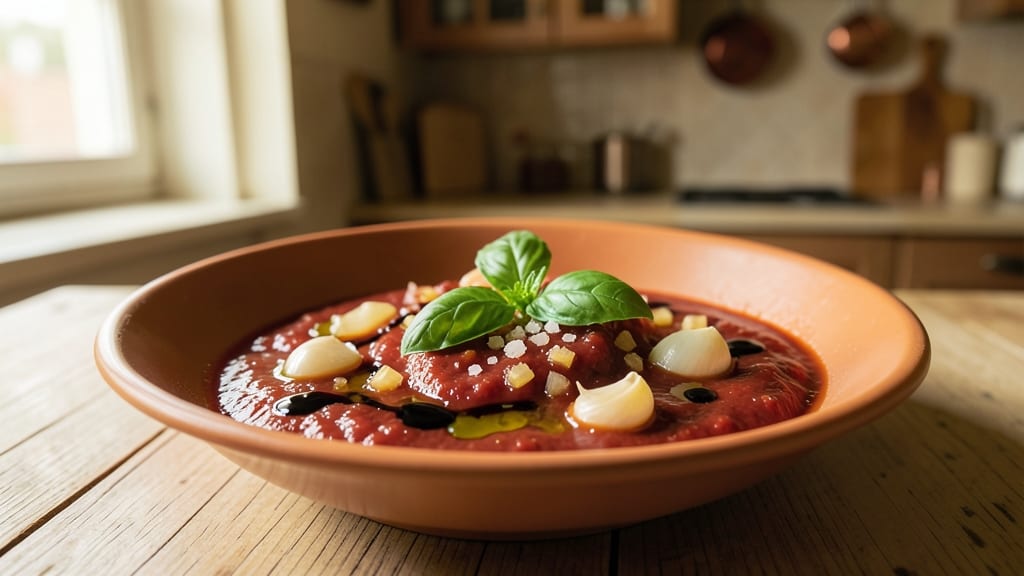
This traditional red sauce recipe delivers the deep, slow-simmered umami flavor that elevates every dish from marinara to chili. The key lies in balancing acidity, sweetness, and rich tomato base—no shortcuts, just time-honored technique that transforms simple ingredients into something extraordinary.
I’ve refined this over years of testing, ensuring every batch develops that perfect balance between brightness and depth.
The foundation starts with high-quality canned tomatoes for natural sweetness, then builds layers through aromatics like garlic, onions, and herbs. A splash of red wine adds complexity, while a touch of sugar and vinegar ensures the sauce remains vibrant without overpowering.
The slow simmer reduces the sauce to a concentrated, velvety consistency that clings beautifully to pasta, meat, or crusty bread.
What you’ll end up with is a sauce that’s rich, balanced, and full of character—far beyond anything from a jar. The umami depth comes from proper cooking time, allowing flavors to meld and develop naturally.
This isn’t just a sauce; it’s the heart of Italian-American comfort food, ready to transform your meals into something memorable.
Use it as a base for lasagna, drizzle over grilled meats, or serve with crusty bread for dipping. The versatility makes it a staple in any kitchen, and it keeps well in the fridge for up to a week or freezes perfectly for future use.
Let’s get started on creating something truly traditional.
Ingredients for traditional red sauce
Ten essential ingredients transform into a sauce that captures authentic Italian tradition.
| Ingredient | Amount | Notes |
|---|---|---|
| San Marzano Whole Canned Tomatoes 🍅 | 28 oz | Crushed by hand for texture |
| Extra-Virgin Olive Oil 🫒 | ½ cup | High-quality, fruity variety |
| Yellow Onion 🧅 | 1 whole | Finely diced, sweet variety |
| Garlic Cloves 🧄 | 4 cloves | Peeled, lightly crushed |
| Dry Red Wine 🍷 | ½ cup | Bold Cabernet Sauvignon |
| Granulated Sugar 🍚 | 1 tbsp | Balances acidity naturally |
| White Wine Vinegar 🍋 | 1 tbsp | Maintains brightness |
| Fresh Basil Leaves 🌿 | ½ cup | Packed, stems removed |
| Fresh Oregano Leaves 🍃 | 1 tbsp | Or dried at 1 tsp |
| Sea Salt 🧂 | 1 ½ tsp | Diamond Crystal preferred |
The tomatoes anchor this sauce, so San Marzano is non-negotiable—their natural sweetness and low acidity create the perfect base. Purchase whole cans for maximum flavor control; Whole Foods or Italian specialty markets offer the best selection. The olive oil should be high-quality, fruity, and peppery—California extra-virgin brands like Corto or Bertolli deliver consistent results. For the wine, any bold red will work, but Cabernet Sauvignon adds depth without overpowering. Fresh herbs elevate the sauce dramatically, though dried oregano at one-third the amount suffices in a pinch. The sugar and vinegar may seem minor, but they're critical for balancing the sauce's acidity and sweetness, ensuring a harmonious finish.
No San Marzano tomatoes? High-quality crushed tomatoes in a 28 oz can will suffice, though the flavor profile differs slightly. Substitute the red wine with dry vermouth or additional tomato paste—both add complexity. Fresh basil is ideal, but dried basil at half the amount works if fresh isn't available. For a quicker option, pre-minced garlic saves time, though freshly crushed cloves impart superior flavor. The vinegar can be swapped for lemon juice, though white wine vinegar's acidity is more precise. If you lack fresh oregano, Italian seasoning—but adjust the salt accordingly, as blends often contain added sodium.
This sauce develops best over time, so plan for at least 45-60 minutes of simmering. Store in an airtight container in the refrigerator for up to 7 days, or freeze for 6 months in portions. For long-term storage, divide into ice cube trays before transferring to a freezer bag—perfect for single-use portions. The sauce thickens as it cools, so thin with water or broth if needed. Always reheat gently to preserve its velvety texture, and avoid boiling, which can break down the delicate flavors. A splash of olive oil before serving enhances richness and clings beautifully to pasta or crusty bread.
Why You'll Love This Recipe
- No-Chop Nightmare: Between us, that whole San Marzano tomato is a game-changer—just quarter it and drop it in. No dice, no blender, no mess. I swear, I’ve made this sauce while scrolling through emails with one hand.
- Wine-Infused Magic: That splash of dry red wine? It’s not just flavor—it’s the secret weapon. The acid cuts through the richness, and the alcohol burns off into this deep, almost smoky sweetness that makes you want to lick the spoon.
- Pasta Party Starter: This sauce is my go-to for everything: toss it with spaghetti, ladle it over grilled chicken, or freeze half for future lasagna nights. Honestly, I’ve even used it in a breakfast scramble (yes, really). It’s the one sauce that does it all.
- Budget-Friendly Pantry Hero: A single can of tomatoes and a bottle of wine stretch across three meals—no fancy ingredients needed. I’ll be real: my grocery bill dropped by 20% once I stopped buying pre-made sauces. Plus, leftovers taste just as good reheated.
Step-by-step instructions for traditional red sauce recipe
Master the art of slow-simmered tomato sauce with this classic method that builds umami depth through precise technique.
Prepare and Sauté the Aromatics
Heat the 0.5 cup extra-virgin olive oil in a heavy-bottomed saucepan over medium-low heat. Add the 1 whole yellow onion, finely diced, and cook for 8-10 minutes until the onions are translucent and just beginning to caramelize at the edges. This gentle cooking prevents burning while developing sweetness.
Add the 4 cloves garlic cloves, lightly crushed, and cook for an additional 1-2 minutes until fragrant but not browned. The garlic should release its aroma without burning—this is when it transforms from sharp to mellow. Remove the pan from heat briefly if the garlic starts to darken too quickly, as it burns in seconds. This aromatic base forms the flavor foundation for the entire sauce.
Deglaze and Incorporate Liquids
Return the pan to medium heat and carefully pour in the 0.5 cup dry red wine, scraping up any browned bits from the bottom with a wooden spoon. These bits, called fond, contain concentrated flavors that dissolve into the wine. Let the wine simmer for 3-4 minutes until reduced by half, allowing the alcohol to cook off and intensify the wine's depth.
Add the 28 oz San Marzano whole canned tomatoes (crushed by hand for texture) and the 1 tbsp granulated sugar. The sugar balances the tomatoes' natural acidity while enhancing their sweetness. Stir well to combine, then add the 1 tbsp white wine vinegar and 1.5 tsp sea salt. The vinegar brightens the sauce while the salt enhances all flavors. Bring the mixture to a gentle simmer over medium-low heat.
Slow-Simmer for Umami Development
Reduce the heat to low and let the sauce simmer uncovered for 45-60 minutes, stirring occasionally. This slow cooking allows the flavors to meld and develop complexity. The sauce should reduce slightly, becoming thicker and more concentrated. You'll notice the color deepen from bright red to a rich, rustic hue.
After 30 minutes, taste the sauce and adjust seasoning if needed. The 1 tbsp fresh oregano leaves and 0.5 cup fresh basil leaves should be added during the last 15 minutes of cooking. This ensures the herbs infuse the sauce without becoming bitter. Stir in the basil and oregano, then remove the pan from heat. Let the sauce rest for 10 minutes before serving—this allows the flavors to fully integrate.
Finish and Serve
After resting, the sauce should have a velvety texture with a balance of sweet, acidic, and umami notes. If it's too thick, thin with a splash of pasta water or reserved cooking liquid. For a glossy finish, drizzle a small amount of extra-virgin olive oil over the top just before serving.
This traditional red sauce pairs perfectly with al dente pasta, grilled meats, or as a base for lasagna. The slow simmering process ensures a rich, complex flavor that captures the essence of classic Italian tomato sauce without shortcuts. Serve immediately while warm, as the flavors continue to evolve even after cooking.
Pro Tips For Making Traditional Red Sauce
- CRUSH THE TOMATOES FIRST: Dump those whole San Marzano tomatoes straight into the pot—no need to peel or crush them first. After 10 minutes of simmering, grab a wooden spoon and smash them against the pot's side. This releases their juices and thickens the sauce faster than any blender ever could.
- SWIM THE ONIONS: Thinly slice that yellow onion and cook it in the olive oil until it's translucent—but don’t let it brown. Once it’s soft, splash in a splash of water, cover the pot, and let it steam for 3-4 minutes. This keeps the onions sweet and prevents bitterness in the final sauce.
- DEGLAZE WITH WINE, DON’T DROWN IT: After the garlic hits the pot, pour in that dry red wine and let it bubble away for 2 full minutes before adding tomatoes. Skimping on this step means you’re just boiling wine, not building flavor. Trust me, the sauce tastes like it simmered in a vineyard.
- SALT THE TOMATOES BEFORE SIMMERING: Dump those crushed San Marzano tomatoes into the pot and add 1 teaspoon of salt right away. This breaks down their pectin faster, giving you a smoother, thicker sauce without needing to reduce it for hours. (Yes, even if the tomatoes are "low-sodium.")
Essential equipment for this dish
Heavy-Bottomed Saucepan
Your saucepan is the unsung hero of this recipe—avoid thin, reactive metals like aluminum or nonstick coatings that can react with acidity. I swear by a 5-quart stainless steel saucepan with a thick base, like the All-Clad Stainless or Le Creuset Dutch oven.
These distribute heat evenly and prevent scorching, which is critical for developing deep, caramelized flavors. A 3-4 quart capacity works too, but plan for more stirring and reduced batch sizes. 🔥
Immersion Blender
Crushing San Marzano tomatoes by hand is traditional, but an immersion blender saves time without sacrificing texture. The Ninja BN601 or Cuisinart CB-15 are my top picks—they handle thick sauces effortlessly and let you blend directly in the pot.
If you prefer manual crushing, use a wooden spoon or potato masher to avoid breaking down the tomatoes into a paste. The slight chunkiness adds authenticity to the sauce. 💫
Wooden Spoon
A long-handled wooden spoon is essential for stirring and scraping the bottom of the pot without damaging nonstick coatings. I recommend olive wood or hickory—they’re gentle on cookware and durable.
Avoid metal utensils when simmering, as they can scratch stainless steel or react with acidic ingredients. A silicon spatula also works well for delicate scraping. 🌟
Fine-Mesh Strainer
If you prefer a smoother sauce, a fine-mesh strainer removes herb stems and any unwanted bits. The OXO Good Grips or Microplane strainers are my go-tos—they’re sturdy and easy to clean.
For a rustic texture, skip straining and simply fish out large basil stems with tongs. The natural variation in texture adds depth to the final product. ✨
Kitchen Scale
Precision matters when balancing flavors like sugar, salt, and vinegar. A digital kitchen scale (like the OXO Good Grips) ensures accurate measurements, especially for small amounts.
Weighing ingredients like fresh herbs or garlic by the gram prevents overpowering the sauce. Even a 1-ounce difference in basil can shift the flavor profile dramatically. 💡
Storage Containers
For leftovers, airtight glass containers preserve flavor and texture best. I use Pyrex with snap-on lids or mason jars—they’re microwave-safe and stackable. Label containers with the date to track freshness.
For freezing, silicone muffin molds create perfect single-serving portions. Avoid plastic, as it can absorb odors and degrade over time. ❄️
Nutrition facts
Frequently asked questions
Can I substitute fresh tomatoes for canned in this traditional red sauce?
Fresh tomatoes work but require extra prep. Use 4-5 large ripe tomatoes (peeled, seeded, and chopped) for a 28 oz can equivalent. They’ll release more water, so simmer uncovered for 10-15 minutes longer to reduce properly. Fresh tomatoes lack the concentrated sweetness of San Marzano, so add 1 extra tbsp sugar and ½ tsp salt to balance acidity.
Why does my sauce taste bitter after simmering?
Bitterness usually comes from overcooked garlic or reduced wine. To fix it, stir in 1 tsp sugar or ½ tsp honey to neutralize the bitterness. For prevention, remove the pan from heat as soon as garlic turns golden (not brown) and reduce wine to ¼ cup instead of half. Adding a splash of lemon juice also brightens the flavor.
How do I adjust this sauce for a vegetarian diet?
This recipe is already vegetarian-friendly, but you can deepen umami for vegetarians by adding 1 tbsp tomato paste or 1 tsp soy sauce (reduce salt by ½ tsp). For extra richness, stir in 2 tbsp nutritional yeast during the last 10 minutes of simmering. The sauce pairs beautifully with mushrooms, lentils, or roasted vegetables.
Can I make this sauce in an Instant Pot or pressure cooker?
Yes, but texture will differ slightly. Sauté onions and garlic as directed, then add wine, tomatoes, sugar, vinegar, and salt. Seal the Instant Pot and cook on high pressure for 15 minutes. Quick-release the pressure, then stir in herbs. The sauce will be thinner—simmer uncovered for 10-15 minutes to thicken. Pressure cooking speeds up flavor development but may reduce depth compared to slow simmering.
What’s the best way to reheat leftover sauce?
Gently reheat on the stovetop over low heat with a splash of water or pasta water to prevent scorching. Avoid microwaving, as it can make the sauce watery. For frozen portions, thaw overnight in the fridge, then reheat slowly. Always stir frequently to maintain even texture. A drizzle of olive oil before reheating adds richness.