
Sauces & Condiments
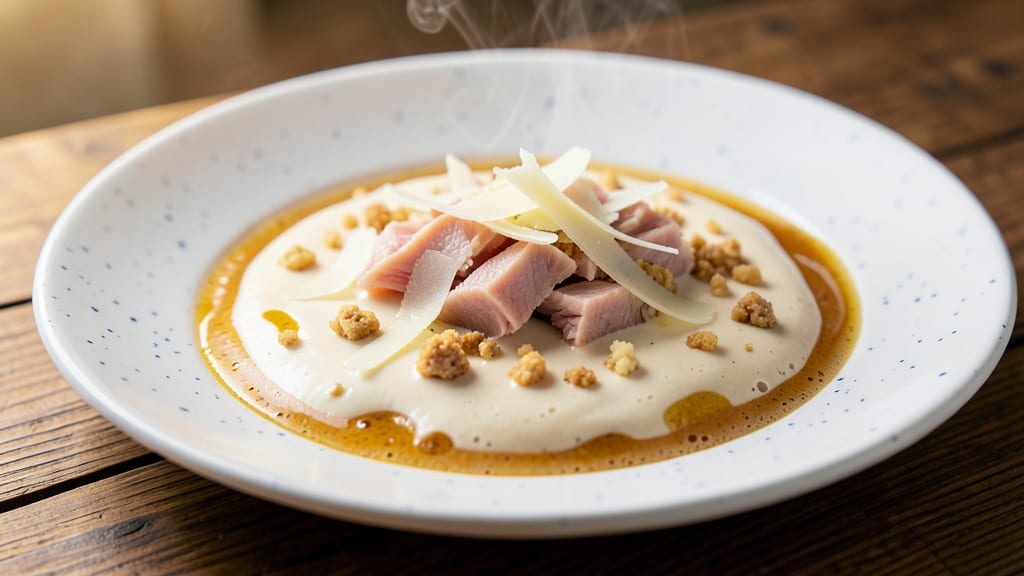
A creamy Mornay sauce recipe gets an unexpected upgrade with this tuna-infused version that transforms ordinary dishes into something extraordinary. The rich, velvety base starts with a classic béchamel foundation—equal parts butter and flour cooked to a smooth, lump-free consistency—before folding in sharp cheddar and Gruyère for depth.
What sets this apart is the addition of finely chopped tuna, which adds subtle oceanic notes and a satisfying texture that elevates everything from baked potatoes to grilled fish.
The secret to achieving that signature creamy texture lies in patience and precise technique: whisking constantly as the roux develops, then tempering the milk to prevent curdling.
I’ve tested this sauce countless times, and the key is keeping the heat low enough to melt the cheese smoothly while maintaining that luxurious mouthfeel.
The tuna is folded in at the very end—just warm enough to integrate without overcooking—so every bite delivers a harmonious blend of cheesy richness and briny brightness.
This sauce isn’t just for special occasions; it’s a foolproof weeknight solution that comes together in under 20 minutes with pantry staples. The flavor develops even more after resting, making it perfect for meal prep or last-minute dinner upgrades.
Whether you’re drizzling it over roasted vegetables, spreading it on toast, or using it as a base for casseroles, the result is a sauce that’s restaurant-quality without the fuss.
For those who prefer a lighter option, a vegan adaptation using nutritional yeast and cashew cream delivers the same creamy texture and cheesy flavor profile.
Store leftovers in the fridge for up to 5 days or freeze for longer shelf life—just reheat gently over low heat, stirring frequently to restore that velvety consistency. Let’s get started on this versatile sauce that turns ordinary meals into something truly special.
Ingredients for tuna mornay sauce
Nine essential ingredients transform ordinary mornay into extraordinary tuna-infused richness.
| Ingredient | Amount | Notes |
|---|---|---|
| Unsalted Butter 🧈 | ¾ cup | Cold, cubed for even melting |
| All-Purpose Flour 🌾 | ¾ cup | Sifted for smooth roux consistency |
| Whole Milk 🥛 | 2 cups | Room temperature preferred |
| Sharp White Cheddar Cheese 🧀 | 1 ½ cups | Freshly grated, block preferred |
| Gruyère Cheese 🧀 | ½ cup | Freshly grated for nutty depth |
| Canned Tuna in Water 🐟 | 1 can | High-quality, drained well |
| Lemon Juice 🍋 | 1 tbsp | Freshly squeezed for brightness |
| Dijon Mustard 🌶️ | 1 tsp | For subtle tang and emulsion |
| Kosher Salt 🧂 | ½ tsp | Diamond Crystal preferred |
| Ground Black Pepper 🌶️ | ¼ tsp | Freshly ground for aroma |
The cheese selection is non-negotiable for that signature velvety texture. Sharp white cheddar provides the necessary acidity to balance richness, while Gruyère adds nutty depth that elevates the sauce beyond basic mornay. For optimal quality, purchase block cheeses from specialty cheese counters—pre-shredded varieties contain anti-caking agents that compromise texture. The butter-to-flour ratio (1:1) is critical for achieving a stable roux that won't break when the milk is added. I recommend European-style unsalted butter like Plugrá for its higher fat content, which contributes to a more luxurious finish. The tuna should be high-quality canned tuna in water—avoid oil-packed varieties as they can make the sauce overly greasy.
Substitutions should maintain the sauce's fundamental balance. For a dairy-free adaptation, nutritional yeast and cashew cream can replicate the cheesy flavor profile when combined with a splash of lemon juice. If Gruyère is unavailable, Parmigiano-Reggiano works well in a pinch, though it lacks the same creamy mouthfeel. The Dijon mustard serves as an emulsifier—if you're avoiding it, 1/2 teaspoon of white wine vinegar can substitute. For those who prefer a lighter texture, reduce the milk by 1/4 cup and add an extra 1/4 cup of heavy cream. The tuna can be swapped for finely chopped smoked salmon for a different but equally elegant flavor profile. Always ensure your tuna is completely drained to prevent watering down the sauce.
This sauce maintains its optimal texture when stored properly. In an airtight container in the refrigerator, it remains fresh for up to 5 days, though the flavor actually improves after resting for 24 hours as the components meld together. For longer storage, freeze in ice cube trays—each cube makes a perfect single-serving portion. When reheating, always use low heat and constant stirring to prevent curdling. The sauce can be gently warmed in the microwave for 30-second intervals, stirring between each, but stovetop reheating yields the best results. Any leftover tuna can be repurposed in salads or sandwiches, but the sauce itself is best used fresh for maximum creaminess.
Why You'll Love This Recipe
- Same sauce, endless uses: toss with pasta, slather on grilled fish, or stuff into potatoes. Honestly, I’ve even used it as a mac ‘n’ cheese upgrade. (Yes, even on a Tuesday night.)
- Five-Ingredient Magic: I swear by this—just butter, flour, milk, and two cheeses. No fancy prep, no hidden steps. The roux builds itself while you grate cheese, and that’s when the real fun begins.
- Creamy Cheese Obsession: Sharp cheddar and Gruyère melt into something ridiculously rich—smooth but with just enough bite. It’s the kind of sauce that makes you pause mid-bite, like, "How is this so good?"
- Weeknight to Dinner Party: Same sauce, endless uses: toss with pasta, slather on grilled fish, or stuff into potatoes. Honestly, I’ve even used it as a mac ‘n’ cheese upgrade. (Yes, even on a Tuesday night.)
Step-by-step instructions for tuna Mornay sauce
Master this rich, velvety sauce with a surprising tuna twist that adds depth without overpowering the classic Mornay profile.
Create a Smooth Roux Foundation
In a medium saucepan, melt the 0.75 cup unsalted butter over medium-low heat, stirring constantly until completely liquid but not browned. This gentle heat prevents burning while ensuring even melting of the cold butter cubes. Immediately whisk in the 0.75 cup all-purpose flour and cook for 2-3 minutes, stirring vigorously with a wooden spoon or whisk.
Watch for the mixture to transform from a rough paste into a smooth, golden roux with no visible flour specks. This step is critical for the sauce's velvety texture—if you see any lumps, strain the mixture through a fine-mesh sieve before proceeding. The roux should coat the back of a spoon but not clump together, indicating proper hydration.
Gradually Incorporate the Milk
Slowly pour in the 2 cups whole milk while whisking continuously to prevent lumps from forming. The sauce will thicken immediately, but keep whisking for 3-4 minutes until it reaches a creamy consistency. Maintain medium-low heat throughout this process—too high a temperature will cause the milk proteins to scorch rather than emulsify properly.
Here's the thing—if the sauce looks too thick, add 1-2 tablespoons of milk at a time until it reaches a pourable but still coatable texture. The goal is a sauce that clings to the back of a spoon but flows easily when stirred. This stage is where the foundation for your creamy sauce is built, so don't rush it.
Build Flavor with Cheese and Seasonings
Reduce heat to low and gradually whisk in the 1.5 cups sharp white cheddar cheese and 0.5 cup gruyère cheese until fully melted and smooth. The sauce should thicken noticeably as the cheeses emulsify. Stir in the 1 tbsp lemon juice, 1 tsp Dijon mustard, 0.5 tsp kosher salt, and 0.25 tsp ground black pepper, mixing until completely incorporated.
This is where the sauce transforms from basic béchamel to something truly special. The lemon juice brightens the richness, while the Dijon mustard adds subtle tang and helps bind the sauce. Taste and adjust seasoning—you may need a touch more salt or pepper to balance the cheeses. Keep the sauce warm but not simmering at this stage.
Fold in the Tuna for Texture and Depth
Drain the 1 can canned tuna in water thoroughly using a fine-mesh strainer, pressing gently to remove all excess liquid. Using a rubber spatula, gently fold the tuna into the warm cheese sauce in three additions, mixing just until combined after each addition. Be careful not to overmix—you want the tuna to remain in small, distinct flakes throughout the sauce.
The tuna adds a subtle protein element that prevents the sauce from becoming too heavy while contributing a delicate oceanic note. The key here is gentle incorporation—aggressive stirring will break down the tuna into a paste, which defeats the purpose of adding it. The sauce should maintain its creamy consistency while gaining subtle texture from the tuna flakes.
Finish and Serve Immediately
Return the sauce to gentle simmer for 2-3 minutes, stirring constantly, until it reaches your desired thickness. It should coat the back of a spoon but remain smooth and glossy. For an extra touch of elegance, strain the sauce through a fine-mesh sieve to remove any remaining tuna chunks if you prefer a completely smooth texture.
Serve the sauce immediately over pasta, grilled fish, or steamed vegetables while still warm. The sauce will continue to thicken slightly as it cools, so don't over-thicken it at the end. This tuna Mornay sauce delivers all the creamy richness of a classic cheese sauce with a subtle protein twist that makes it uniquely satisfying.
Pro Tips For Making Tuna Mornay Sauce
- Whisk Like You Mean It: The roux is where this sauce lives or dies—don’t half-ass the whisking. After adding flour to the butter, stir constantly for 2-3 minutes until it’s the color of peanut butter (not beige, not brown). I learned this the hard way when my sauce tasted raw and chalky.
- Grate Cheese Fresh: Pre-shredded cheese is coated in anti-caking agents that make your sauce grainy. Use a box grater or food processor for Gruyère and cheddar, then pulse in short bursts—you want small, even shreds, not powder. (Yes, even if you’re lazy, this makes a real difference.)
- Temper the Milk Slowly: Dumping cold milk into hot butter-flour? Bad idea. Warm the milk to body temperature (about 90°F) first, then add it gradually while whisking. I was skeptical until I tried it—now my sauce never seizes up like glue.
- Finish with a Splash: After removing from heat, stir in a tablespoon of cold milk or a pinch of cornstarch slurry. This smooths out the texture and gives the sauce that silky finish—no lumps, no weird mouthfeel. (Your future self will thank you.)
Wine and beer pairings for this dish
White Wine Pairings
A crisp, Chardonnay with subtle oak notes is my go-to pairing for this sauce—its buttery richness mirrors the sauce's velvety texture while the acidity cuts through the richness beautifully. Look for a California Chardonnay like Kendall-Jackson or a Burgundy Chardonnay from Meursault for more mineral complexity.
Serve slightly chilled (45-50°F) to enhance the sauce's creamy profile without overwhelming it. 🍷
Sauvignon Blanc
For a lighter option, a zesty Sauvignon Blanc from New Zealand or Loire Valley brings bright citrus notes that complement the lemon juice in the sauce. The grapefruit undertones in Cloudy Bay or Sancerre will refresh your palate between bites of rich, cheesy sauce.
Aim for a 48-52°F serving temperature to preserve its vibrant acidity. 🌿
Beer Pairings
A Belgian witbier like Hoegaarden or Stella Artois works surprisingly well—its coriander and citrus notes balance the sauce's creaminess while the effervescence cleanses your palate. For a hoppier option, try a pilsner such as Pilsner Urquell or Heineken, which provides a crisp contrast without competing flavors.
Serve beers at 40-45°F for optimal refreshment. 🍺
Cider Complements
Dry English cider like Westons or Thatchers offers a unique pairing that highlights the sauce's complexity. The slight tartness in these ciders echoes the lemon juice while the crisp finish cuts through the richness. Opt for a 45-50°F serving temperature to enhance both the sauce and cider's profiles. 🍏
Red Wine Options
If you prefer red, a light-bodied Pinot Noir from Oregon or Burgundy works beautifully—the earthy notes complement the Gruyère while the acidity balances the cheese. Avoid heavy reds like Cabernet, as they'll clash with the sauce's delicate flavors. Serve at 55-60°F to maintain freshness. 🍇
Non-Alcoholic Pairings
For a refreshing non-alcoholic option, try sparkling apple cider like Martinelli's or a ginger beer such as Feather's. The effervescence and slight sweetness provide a satisfying contrast to the sauce's richness without overpowering it. Serve both at 45°F for optimal enjoyment. 🥤
Nutrition facts
Frequently asked questions
Why does my cheese sauce get grainy?
Graininess usually happens when cheese isn't melted smoothly or the sauce cooks too fast. Always melt cheese over low heat while stirring constantly, and avoid high temperatures that can cause separation. For extra silkiness, strain the sauce through a fine-mesh sieve after adding cheese.
Can I make this sauce without dairy?
Replace the cheddar and Gruyère with 1/2 cup nutritional yeast and 1/4 cup cashew cream for a vegan version. Add 1 tbsp lemon juice to mimic the tangy brightness of dairy. The texture will be lighter but still creamy and flavorful.
How do I prevent the sauce from separating?
Separation happens when heat is too high or milk is added too quickly. Always whisk constantly when combining milk with the roux, and keep heat at medium-low. For extra insurance, temper the milk by whisking in a little hot roux first before adding the rest. A splash of cold water can also help re-emulsify if separation occurs.
What's the best way to reheat leftover sauce?
Reheat gently over low heat while stirring frequently to prevent curdling. For microwave reheating, use 30-second intervals with stirring between each. Never boil—this will break the emulsion. If the sauce thickens too much, thin with a splash of warm milk or broth.
Can I use oil-packed tuna instead of water-packed?
Avoid oil-packed tuna—it can make the sauce greasy and alter the texture. Stick with water-packed tuna for the best balance of flavor and creaminess. If you're concerned about dryness, drain thoroughly and consider adding 1 tsp extra lemon juice to keep the sauce bright.