
Sauces & Condiments
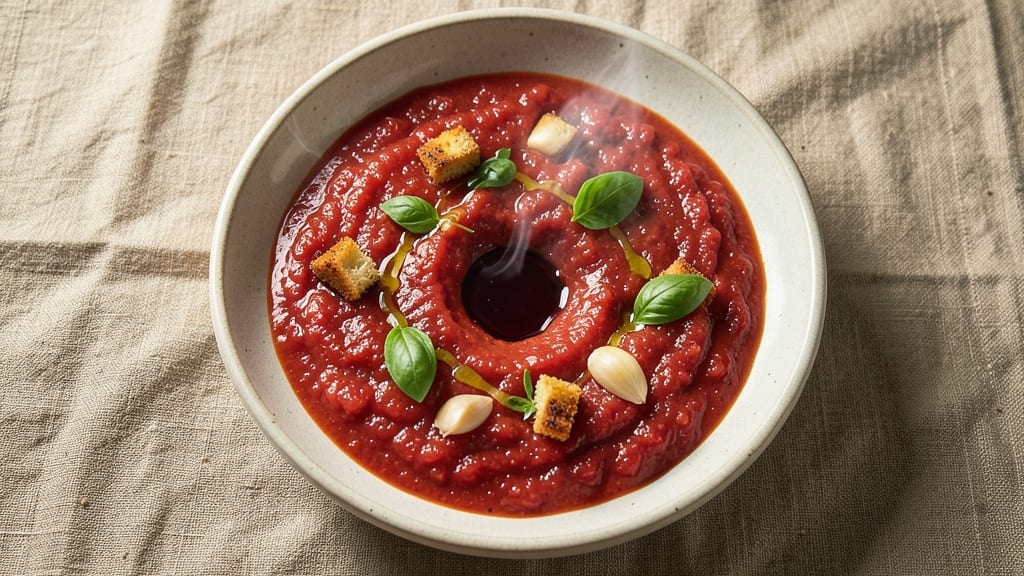
This Vesuvio sauce recipe transforms simple tomatoes, garlic, and basil into a vibrant, aromatic sauce that captures the essence of Neapolitan cooking. The key lies in slow simmering and fresh herbs, creating a sauce that's versatile enough for pasta, pizza, or even as a marinade.
I developed this recipe after years of experimenting with Italian sauces, and it consistently delivers restaurant-quality results at home.
The beauty of Vesuvio sauce is its balance—bright from fresh basil, rich from ripe tomatoes, and depth from garlic and olive oil. Unlike many sauces that rely on heavy cream or processed ingredients, this version stays light yet deeply flavorful.
The preparation takes just 30 minutes, but the simmering process allows flavors to meld perfectly, resulting in a sauce that's both simple and sophisticated.
What makes this sauce truly special is its versatility. Use it as a base for pasta dishes, drizzle it over wood-fired pizza, or even toss it with grilled vegetables.
The fresh basil and garlic ensure each batch tastes vibrant, while the slow cooking process creates a texture that's smooth yet slightly chunky—ideal for clinging to noodles or crusts.
Once you try this Vesuvio sauce, you'll understand why it's a staple in Italian kitchens. The fresh ingredients and careful technique make it a sauce you'll reach for time and time again. Ready to elevate your meals with this classic Neapolitan flavor? Let's get started.
Ingredients for vesuvio sauce
Neapolitan tradition meets modern simplicity: nine ingredients for a sauce that sings with garlic, basil, and ripe tomatoes.
| Ingredient | Amount | Notes |
|---|---|---|
| San Marzano Tomato Plum 🍅 | 28 oz | Whole, peeled, crushed by hand |
| Fresh Basil Leaves 🌿 | 1 ½ cups | Packed, stems removed, gently torn |
| Extra-Virgin Olive Oil 🫒 | ½ cup | High-quality, fruity, cold-pressed |
| Garlic Cloves 🧄 | 4 cloves | Peeled, lightly crushed, not minced |
| Red Wine Vinegar 🍷 | 1 tbsp | Dry, aged, for brightness |
| Granulated Sugar 🍬 | 1 tsp | Balances acidity, not refined |
| Diamond Crystal Kosher Salt 🧂 | 1 ½ tsp | Fine grain, for seasoning |
| Freshly Ground Black Pepper 🌶️ | ½ tsp | Coarsely ground, for depth |
| Freshly Grated Parmesan Cheese 🧀 | 2 tbsp | Parmigiano-Reggiano, microplane |
San Marzano tomatoes are non-negotiable for authentic Vesuvio sauce—their sweetness and low acidity create the perfect base. Whole Foods Market or specialty Italian markets carry them canned, but if unavailable, San Marzano-brand canned tomatoes from any reputable grocery store will suffice. Fresh basil should be vibrant green with no wilting; Trader Joe's often has excellent quality at a reasonable price. For olive oil, seek out Italian extra-virgin with a fruity, peppery finish—avoid the overly mild supermarket varieties that lack depth. The garlic cloves should be firm and unspoiled; organic cloves from bulk bins often provide superior flavor compared to pre-minced options.
No San Marzano tomatoes? High-quality crushed tomatoes work in a pinch, but expect slightly less sweetness. Substitute basil with fresh parsley at half the quantity if absolutely necessary, though the flavor profile will shift. Red wine vinegar can be swapped for white wine vinegar or lemon juice, though the color will differ slightly. For sugar, honey or agave nectar can replace granulated sugar one-to-one, though granulated provides a cleaner finish. The Parmesan adds umami depth—omit entirely for a vegetarian version, but the sauce will lack complexity. Pre-minced garlic lacks freshness; lightly crush whole cloves with the flat side of your knife for optimal flavor extraction.
This sauce develops best when made fresh, but it keeps beautifully in the refrigerator for 5-7 days when stored in an airtight container with a thin layer of extra-virgin olive oil on top to preserve freshness. For longer storage, freeze in ice cube trays for single-serving portions, which thaw quickly and maintain vibrant color. The sauce thickens as it cools, so reheat gently over low heat, adding a splash of water if needed. Portion into glass jars for both aesthetic appeal and preservation of flavor. When reheating, avoid boiling to prevent breaking the basil's delicate oils.
Why You'll Love This Recipe
- No-Fuss Simplicity: I swear by this sauce because it’s the kind of recipe that lets you not stress. Just blitz San Marzano tomatoes with garlic, olive oil, and a splash of vinegar—no peeling, no seedless straining, no waiting for hours. Honestly, I’ve made it while the pasta boiled and the kids argued over dessert.
- Bright, Balanced Bite: That red wine vinegar? It’s the secret weapon here—cuts through the richness of the tomatoes while the basil keeps it fresh. The garlic doesn’t overpower; it just lingers like a good memory. Between us, it’s the kind of flavor that makes you pause mid-bite and go, “Wait, is this actually this good?”
- Pasta Party Ready: This sauce is my go-to for everything from lazy weeknight dinners to impressing guests. Drizzle it over al dente spaghetti, toss it with grilled chicken, or even use it as a marinade. I’ve served it at potlucks, date nights, and even my mom’s birthday—no one ever asks what’s in it, they just ask for seconds.
- Leftovers That Don’t Suck: Unlike so many sauces that turn gloppy in storage, this one actually improves overnight. The vinegar and olive oil keep it bright, and it reheats in minutes. I make a double batch on Sundays, freeze half, and still have a flavor bomb ready for when I’m too tired to cook. Budget-friendly? Absolutely. Reliable? Even more so.
Step-by-step instructions for Vesuvio sauce
This Neapolitan sauce delivers vibrant tomato-basil harmony with precise technique and simple ingredients.
Prepare the Tomatoes
Begin by peeling the 28 oz San Marzano tomato plum by scoring an X at the blossom end, blanching in boiling water for 30 seconds, then shocking in ice water. The skins should slip off effortlessly. Cut each tomato in half and gently crush them by hand in a large bowl—just enough to break them down while preserving some texture. This preserves the natural sweetness and prevents a watery sauce.
Transfer the crushed tomatoes to a heavy-bottomed saucepan and bring to a gentle simmer over medium heat. Let them cook uncovered for 10 minutes, stirring occasionally, until they begin to break down and release their juices. This initial reduction concentrates the tomato flavor and removes excess moisture before we add the other ingredients. You'll notice the sauce darken slightly and develop an aromatic intensity—this is when the magic begins.
Build the Flavor Base
While the tomatoes simmer, add the 0.5 cup extra-virgin olive oil to the same saucepan. Stir well to distribute it evenly through the tomatoes, allowing it to infuse for 2 minutes. Then add the 4 peeled, lightly crushed garlic cloves and the 1 tbsp red wine vinegar. The vinegar brightens the sauce and balances the natural sweetness of the tomatoes.
Let the mixture cook for another 5 minutes at a gentle simmer. You'll see the garlic soften and become translucent, releasing its aromatic oils. This is when the sauce begins to develop its signature depth—don't rush this step. The vinegar should mellow out, leaving behind a subtle tang rather than a sharp acidity. Stir occasionally to prevent sticking, but avoid aggressive stirring that could emulsify the oil too early.
Season and Sweeten
Add the 1 tsp granulated sugar, 1.5 tsp diamond crystal kosher salt, and 0.5 tsp freshly ground black pepper to the saucepan. The sugar isn't just for sweetness—it helps balance the acidity of the tomatoes and vinegar, while the salt and pepper create a well-rounded flavor profile. Stir well to distribute these ingredients evenly throughout the sauce.
Continue simmering uncovered for 15-20 minutes, stirring occasionally, until the sauce reduces by about one-third. You'll know it's ready when it coats the back of a spoon and develops a glossy sheen. The sauce should be thick but still fluid enough to coat the back of a spoon. If it reduces too quickly, reduce the heat slightly to maintain a gentle simmer—this ensures even cooking and prevents scorching.
Incorporate the Basil and Finish
Remove the saucepan from heat and let it cool slightly for 2-3 minutes. This brief resting period prevents the delicate basil leaves from wilting in the hot sauce. Add the 1.5 cups packed, gently torn fresh basil leaves and stir just enough to distribute them evenly. The basil should infuse the sauce with its bright, aromatic essence without overpowering the tomato flavor.
Return the sauce to low heat and stir in the 2 tbsp freshly grated Parmesan cheese. Let it warm through for 1-2 minutes, just until the cheese melts into a silky emulsion. The sauce should now have a vibrant green hue from the basil and a velvety texture from the cheese. Taste and adjust seasoning if needed—this is your final opportunity to refine the balance of flavors. The sauce should be bright, balanced, and full of layered complexity.
Pro Tips For Making Vesuvio Sauce
- CRUSH GARLIC FIRST: Smash those garlic cloves with the flat side of your knife before mincing—it releases more flavor without burning. I learned this the hard way when my sauce tasted bland because I just chopped it raw. A quick 30-second smash in a garlic press or under your palm makes all the difference.
- SAUTÉ GARLIC LOW: Keep the heat low when cooking garlic—medium-high turns it bitter fast. I used to rush this step and wondered why my sauce had that off taste. Let it gently sizzle for 30 seconds until fragrant, then add the tomatoes immediately.
- PEEL TOMATO SKINS: San Marzano tomatoes are sweetest when skinned—blanch them in boiling water for 30 seconds, then ice bath. The skins add bitterness, and you want this sauce to shine with pure tomato flavor. (Yes, it’s extra work, but the result is worth it.)
- SALT THE TOMATOES: Sprinkle a pinch of salt directly on the crushed tomatoes before cooking—it breaks down pectin and makes the sauce silky. I skipped this for years until I tasted a restaurant version and realized how much smoother it was. Trust me, it’s that crucial.
Best sauces and condiments for vesuvio sauce
Pasta Perfection
Vesuvio sauce shines brightest when tossed with al dente pasta like bronze-cut spaghetti or pappardelle. The sauce's vibrant acidity and fresh basil cling beautifully to the strands, creating a silky, flavorful coat.
For an authentic touch, I recommend De Cecco or Barilla pasta brands—their texture holds up perfectly. Serve immediately after tossing to preserve that fresh basil aroma. 🍝
Wood-Fired Pizza Base
This sauce transforms any pizza into a Neapolitan masterpiece. Spread a thin layer over pre-baked pizza dough (I use Caputo "00" flour) before adding toppings like mozzarella di bufala, sliced San Marzano tomatoes, and fresh basil.
The sauce's natural sweetness caramelizes beautifully under the broiler, creating a glossy finish. For extra drama, drizzle with extra-virgin olive oil and a pinch of flaky sea salt after baking. 🍕
Grilled Vegetable Drizzle
Vesuvio sauce elevates grilled vegetables like zucchini, eggplant, and bell peppers to restaurant-level status. Toss freshly grilled veggies with warmed sauce and finish with toasted pine nuts and crumbled feta for a Mediterranean-inspired dish.
The sauce's acidity cuts through the richness of the vegetables, while the basil adds a bright, herbal note. Serve warm or at room temperature for a refreshing side. 🥦
Meat Marinade Magic
Use this sauce as a marinade for grilled chicken or pork chops—the tomatoes and basil tenderize while infusing deep flavor. Let the meat marinate for at least 2 hours (or overnight for maximum penetration).
The sauce's natural sweetness caramelizes beautifully on the grill, creating a sticky, flavorful crust. I love pairing it with herb-roasted potatoes for a complete meal. 🍗
Bread Dipping Sauce
Warm the sauce slightly and serve it as a dipping sauce for crusty bread or garlic knots. The fresh basil and garlic make it irresistible for dipping.
For extra indulgence, top with crumbled gorgonzola or shaved Parmesan before serving. This is my go-to when entertaining—it disappears faster than you can say "Vesuvio!" 🍞
Freezer-Friendly Portions
Store leftover sauce in ice cube trays for single-serving portions. Once frozen, transfer the cubes to a ziplock bag and flatten for easy storage. Thaw quickly in the fridge overnight—perfect for last-minute pasta nights.
The sauce maintains its vibrant color and fresh basil flavor, making it ideal for meal prep. Just reheat gently on the stovetop before using. ❄️
Nutrition facts
Frequently asked questions
Can I make Vesuvio sauce without fresh basil?
Fresh basil is essential for authentic flavor, but you can substitute with 1/2 cup fresh parsley if needed. For a dried alternative, use 1 tbsp dried basil, but expect a less vibrant taste. The sauce will still be delicious, though the bright herbal notes will differ slightly.
How long can I store this sauce in the fridge?
This sauce stays fresh for 5-7 days when stored in an airtight container with a thin layer of extra-virgin olive oil on top. The oil preserves the basil's freshness and prevents browning. For longer storage, freeze in ice cube trays for up to 3 months. Always thaw in the refrigerator, not at room temperature.
Why does my sauce taste too acidic?
The red wine vinegar and tomatoes may create acidity if overcooked. Balance it by adding 1/2 tsp sugar or 1/4 tsp baking soda (just a pinch!) to neutralize. For future batches, reduce simmering time to 15 minutes instead of 20. The sauce should be bright, not sour.
Can I use this sauce for meat dishes?
This sauce works beautifully as a marinade for grilled chicken or pork chops. Let the meat marinate for at least 2 hours (overnight is best). The tomatoes and basil tenderize while adding deep flavor. For extra richness, add 1 tbsp olive oil to the marinade.
What's the secret to getting the right texture?
The key is gentle simmering—never boil. Reduce heat to low-medium once the sauce starts bubbling to prevent breaking the basil's oils. The sauce should coat the back of a spoon but remain fluid. If too thick, add 1-2 tbsp water while reheating. Stir occasionally to avoid sticking.