
Sauces & Condiments
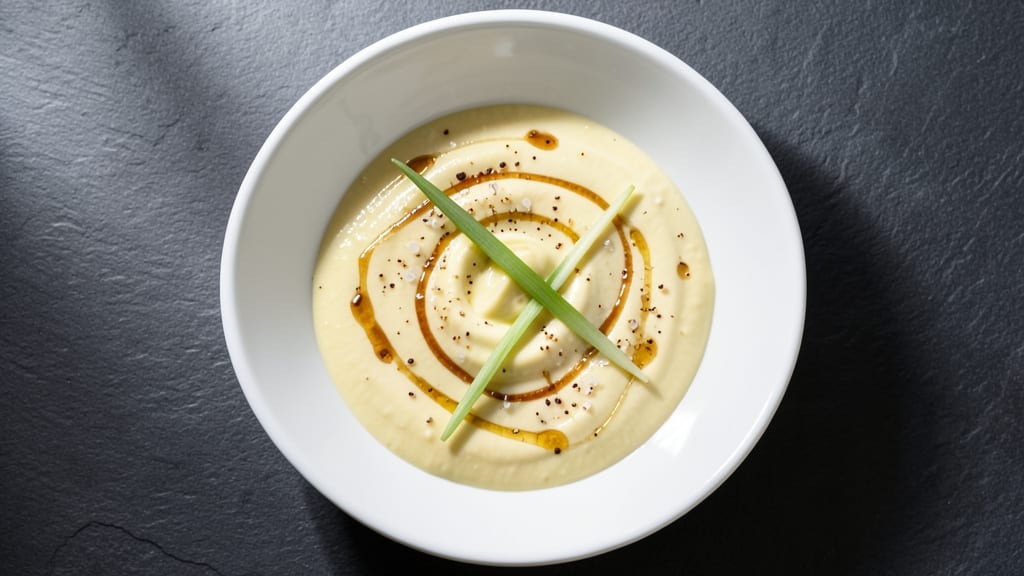
This ahi tuna sauce recipe transforms simple ingredients into a bright, citrus-kissed yuzu mayonnaise that elevates every bite of sushi or grilled tuna. The secret lies in balancing creamy mayonnaise with zesty yuzu juice, creating a sauce that's tangy, aromatic, and perfectly balanced for seafood.
I developed this recipe after years of experimenting with traditional Japanese dressings, refining it to deliver restaurant-quality results at home.
The sauce begins with high-quality mayonnaise as the base, where the acidity of yuzu juice and a touch of rice vinegar cut through the richness while enhancing the natural sweetness of the fish.
A hint of sesame oil adds depth, and a pinch of salt ensures every spoonful is perfectly seasoned. What sets this apart is the emulsification process—whisking the ingredients until silky smooth guarantees a sauce that clings beautifully to sashimi or grilled tuna without overpowering its delicate flavor.
By the time you drizzle this sauce over your dish, you'll experience a harmonious blend of citrus brightness, creamy texture, and umami richness that transforms ordinary seafood into something extraordinary. The sauce keeps well in the refrigerator for up to 5 days, making it ideal for meal prep or entertaining.
Whether you're serving it over a sushi bowl or as a dip for fresh tuna, this sauce will become your go-to for seafood dishes.
For an extra layer of complexity, consider adding a dash of grated daikon radish or a sprinkle of toasted sesame seeds just before serving.
This sauce is versatile enough to pair with other proteins like scallops or shrimp, but it was specifically designed to complement the clean, delicate flavor of ahi tuna. Let's create this sauce and elevate your next seafood meal.
Ingredients for ahi tuna sauce
Bright citrus meets creamy richness in this restaurant-quality sauce—just nine ingredients transform ordinary seafood into something extraordinary.
| Ingredient | Amount | Notes |
|---|---|---|
| High-Quality Mayonnaise 🥛 | ½ cup | Duck or avocado oil preferred |
| Yuzu Juice 🍋 | ¼ cup | Freshly squeezed, no pulp |
| Rice Vinegar 🍶 | 1 tbsp | Seasoned preferred for depth |
| Toasted Sesame Oil 🌿 | 1 tsp | Lightly toasted for aroma |
| Granulated Sugar 🍚 | ½ tsp | Adjust to taste for balance |
| Diamond Crystal Kosher Salt 🧂 | ¼ tsp | Fine grain for delicate seasoning |
| Fresh Yuzu Zest 🍊 | 1 tsp | Microplaned for bright aroma |
| Sesame Seeds 🌱 | ½ tsp | Toasted for garnish |
| Cold Water 💧 | 1 tbsp | For emulsification |
The mayonnaise is non-negotiable here—duck or avocado oil-based varieties add depth that regular mayo can't match. Kewpie or Hellmann's work in a pinch, but I always splurge on Primal Kitchen for its clean flavor. Yuzu juice is the star, so if you can't find it, a mix of lemon and yuzu-flavored vodka (yes, really) gets you close. For the sesame oil, Kadoya is my go-to—it's toasted just right. The sugar might seem odd, but it's crucial for balancing the acidity without overpowering the citrus. Fresh yuzu zest is ideal, but lemon zest at half the amount works if you're improvising.
No yuzu juice? Substitute with a blend of lemon and lime juice, but reduce the rice vinegar by half to avoid over-acidifying. The sesame seeds can be swapped for toasted white sesame seeds, though black adds a deeper note. If you're feeling adventurous, a dash of grated daikon radish (about 1 tsp) adds a subtle crunch and freshness. For a smoother texture, strain the yuzu juice through a fine-mesh sieve—no pulp means a silky sauce. The cold water is key for emulsification; don't skip it, even if the recipe seems stable without it. Pro tip: chill all ingredients before mixing—this sauce emulsifies like a dream when everything's cold.
This sauce keeps beautifully for 5-7 days in an airtight container in the fridge, with the flavor actually deepening over time. For longer storage, freeze in ice cube trays—thaw overnight in the fridge before using. The sesame seeds and zest are best added fresh before serving, but you can toast and store them separately for up to 2 weeks. If the sauce separates, just whisk in another 1 tsp of cold water and give it a good stir. It’s magic how a little citrus and cream can turn a simple tuna steak into a showstopper.
Why You'll Love This Recipe
- Five-Ingredient Magic: I swear by this—just mayo, yuzu juice, a splash of rice vinegar, sesame oil, and sugar. That’s it. No chopping, no peeling, no fancy techniques. Honestly, the hardest part is measuring the toasted sesame oil without spilling it.
- Bright & Tangy Kick: The yuzu juice cuts through the richness of the mayo like a citrusy whisper, while the sugar and vinegar balance it into something dangerously addictive. That first bite? It’s the kind of flavor that makes you pause and think, "Wait, is this actually good?"—then immediately reach for more.
- Weeknight & Party Hero: Slather it on rice bowls for a quick dinner, drizzle it over seared tuna steaks for a fancy date night, or toss it with noodles when you’re too tired to cook. Between us, it’s my go-to for when I need something that feels special without the effort.
- Stays Fresh for Days: Make a batch on Sunday and it’ll still taste fresh by Thursday. The acidity from the vinegar and yuzu keeps it from turning, so you’re not scrambling to use it up. Plus, the sesame oil adds a nutty depth that only gets better with time—like a flavor upgrade you didn’t know you needed.
Step-by-step instructions for citrus-kissed yuzu mayonnaise
This bright, balanced sauce comes together in minutes with just a whisk and patience.
Whisk Together the Base Ingredients
In a medium bowl, combine the 0.5 cup high-quality mayonnaise with the 0.25 cup yuzu juice. Use a whisk and stir vigorously for 30 seconds until fully incorporated. The yuzu juice will initially look like it's separating, but don't worry—this is normal as we build the emulsion.
Next, add the 1 tablespoon rice vinegar and 0.5 teaspoon granulated sugar, whisking continuously. The vinegar adds tangy depth while the sugar helps balance the acidity. You'll notice the mixture begins to thicken slightly as the ingredients meld together. This is your flavor foundation—take a moment to smell the bright citrus notes before proceeding.
Incorporate the Aromatics and Seasoning
Drizzle in the 1 teaspoon toasted sesame oil while whisking constantly. The sesame oil should be warm from toasting, which enhances its nutty aroma. Add the 0.25 teaspoon diamond crystal kosher salt and 1 teaspoon fresh yuzu zest, whisking until completely dissolved and the zest is evenly distributed.
The zest is crucial here—it carries the bright, floral notes of yuzu that make this sauce truly special. If you're using freshly microplaned zest, you'll see tiny flecks throughout the mixture. This is perfect; those flecks will add texture and burst of flavor when served. The mixture should now have a vibrant yellow hue with a glossy sheen.
Emulsify with Cold Water
This is where the magic happens. Slowly add the 1 tablespoon cold water one teaspoon at a time while whisking vigorously. The water helps stabilize the emulsion, preventing the sauce from breaking. You'll feel the mixture thicken noticeably as you add each teaspoon—this is the moment the sauce comes together.
Continue whisking for an additional 1 minute after all the water is incorporated. The sauce should now be smooth, glossy, and hold its shape when drizzled. If it still looks slightly thin, add one more teaspoon of mayonnaise and whisk again. The final texture should be silky but still coat the back of a spoon.
Rest and Garnish
Cover the bowl with plastic wrap and refrigerate for at least 30 minutes to allow the flavors to fully meld. This resting period is essential—it lets the acidity mellow slightly while the citrus notes brighten. The sauce will thicken further as it chills, becoming even more luxurious.
Before serving, sprinkle the sauce with 0.5 teaspoon toasted sesame seeds. These add a subtle crunch and visual contrast to the smooth sauce. Give it one final stir to distribute the seeds evenly. The perfect sauce should have a vibrant yellow color with tiny specks of zest and seeds, and a balance of sweet, tangy, and umami flavors that complement ahi tuna beautifully.
Pro Tips For Making Ahi Tuna Sauce
- Whisk in stages: Start by mixing the mayo and yuzu juice first—this prevents curdling when you add the vinegar later. After that, fold in the rice vinegar slowly while stirring constantly, or you’ll end up with a sad, split sauce. I learned this the hard way when I dumped it all in at once and watched my sauce turn into a gloopy mess.
- Use cold yuzu juice: Chill the yuzu juice in the fridge for at least 30 minutes before mixing—this keeps the mayo from breaking. Warm citrus juice is the enemy of emulsification, and once your sauce separates, there’s no fixing it. Trust me, I’ve tried.
- Toast sesame oil last: Add the toasted sesame oil after everything else is combined, then stir gently—just enough to coat. Drizzling it in too early can make the sauce taste bitter, and you’ll lose that fresh, nutty aroma. A few drops at the end make all the difference.
- Balance sweet and sour: Taste as you go: if the vinegar and yuzu juice taste too sharp, add sugar gradually—start with half the recipe’s amount, then adjust. Too much sugar kills the brightness; too little leaves it harsh. I skip this step sometimes, and the sauce always feels flat afterward.
Essential equipment for ahi tuna sauce
Whisk Essentials
You’ll need a balloon whisk or French whisk for this sauce—these create the perfect emulsion. I recommend the OXO Good Grips Balloon Whisk for its sturdy build and comfortable handle. Avoid plastic whisks; they can’t handle the vigorous whisking required for a stable emulsion.
For a smoother finish, a silicone whisk attachment on your hand mixer works too—I use my KitchenAid Artisan Stand Mixer on low speed for effortless blending. 🥄
Measuring Tools
Precision matters here, especially with the yuzu juice and sesame oil. Use a small liquid measuring cup with clear markings for accuracy. For the zest and sesame seeds, a fine-mesh microplane and 1/8 teaspoon measuring spoon (like the Westcott Mini Measuring Spoons) ensure you get the right amount.
I keep my ingredients chilled in the fridge until use—this prevents the mayonnaise from breaking during mixing.
Emulsification Aid
The cold water is your secret weapon for stabilizing the sauce. A small squeeze bottle or basin with a spout makes it easy to add the water drop by drop while whisking. If you’re worried about over-diluting, start with ½ tablespoon and adjust.
For extra insurance, I keep a second bowl of cold water nearby to rinse my whisk if needed—this keeps the sauce clean and prevents cross-contamination.
Storage Containers
Transfer the finished sauce to an airtight glass container like Le Parfait jars or Pyrex with snap-on lids for fridge storage. Glass preserves the sauce’s freshness better than plastic. For longer storage, silicone ice cube trays work great—just pop out a cube as needed.
Label your containers with the date to track freshness. I also keep a small jar of toasted sesame seeds and zest in the pantry for quick garnishing. ✨
Optional Gadgets
Want to take it to the next level? A mini food mill (like the OXO Good Grips) helps strain out any zest pulp for an ultra-smooth sauce. For toasting sesame seeds, a small nonstick skillet or toaster oven works perfectly.
If you’re making this sauce often, a yuzu juicer (available on Amazon) saves time—just $15 and a game-changer for citrus lovers. These tools aren’t mandatory, but they elevate the process.
Nutrition facts
Frequently asked questions
Can I substitute yuzu juice if I can't find it?
Mix 2 tablespoons lemon juice with 1 tablespoon lime juice and ½ teaspoon yuzu-flavored vodka (if available) for a close approximation. Reduce the rice vinegar to ½ tablespoon to prevent over-acidifying. The flavor won't be identical, but it'll still deliver bright citrus notes that pair beautifully with ahi tuna.
Why does my sauce separate after making it?
Separation usually happens when ingredients aren't properly emulsified or if the sauce sits too long at room temperature. Whisk in 1 teaspoon cold water and give it a vigorous stir—this should restore the emulsion. To prevent future separation, always chill the sauce before serving and store it in an airtight container in the fridge. For extra stability, add ingredients slowly while whisking constantly.
How long can I store this sauce, and can I freeze it?
The sauce keeps for 5-7 days in the refrigerator, with flavors actually improving over time. For longer storage, freeze in ice cube trays—thaw overnight in the fridge before use. Avoid freezing the garnish (sesame seeds/zest) separately. The texture may break down slightly after freezing, but it's still delicious when reheated gently.
What other seafood dishes can I use this sauce with?
This versatile sauce elevates more than just ahi tuna! Try it on seared scallops, grilled shrimp, or even cold lobster salad. The citrus brightness cuts through rich proteins beautifully. For vegetarian options, drizzle over avocado toast or miso-glazed eggplant. The key is balancing rich ingredients with the sauce's tangy profile.
Can I make this sauce without mayonnaise?
Yes! For a lighter version, replace the mayonnaise with ¼ cup Greek yogurt or avocado purée (blended until smooth). Add 1 extra tablespoon cold water to help emulsify. The texture will be slightly thinner but still creamy. For a vegan option, use silken tofu blended with 1 tablespoon olive oil. The citrus notes will still shine through.