
Sauces & Condiments
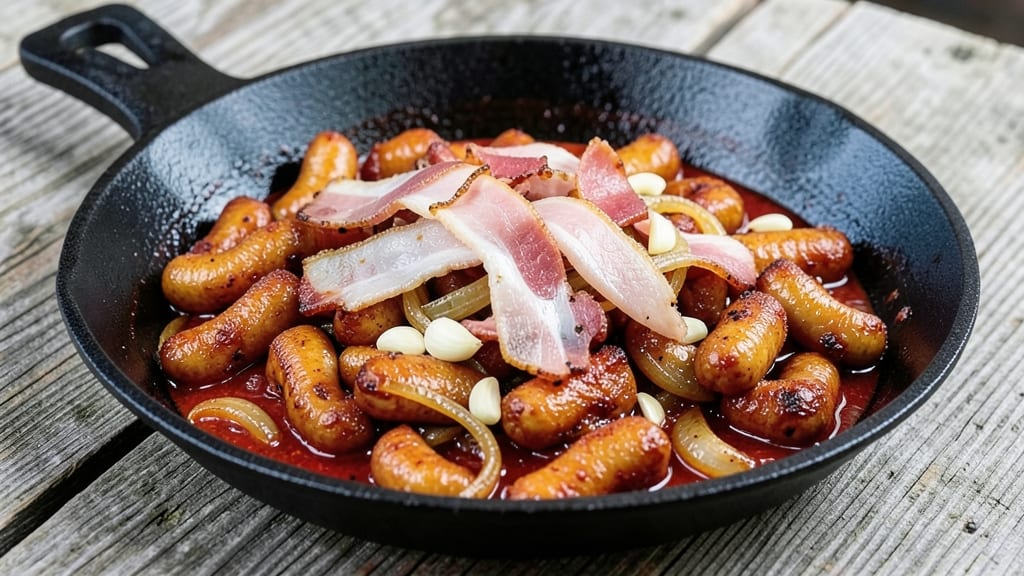
Alabama red sauce chitterlings bring the soul of Southern cooking to life with their smoky tomato heat and tender, flavorful pork belly. This dish is a cornerstone of traditional Southern cuisine, where chitterlings—pig intestines—are slow-cooked until tender and simmered in a rich, vinegar-based red sauce packed with cayenne and spices.
The result is a dish that’s both comforting and bold, perfect for family gatherings or special occasions.
The key to authentic Alabama red sauce lies in the balance of ingredients—vinegar for tang, cayenne for heat, and spices like garlic and onion for depth.
Chitterlings require careful preparation, including thorough cleaning and boiling to remove impurities before they’re transformed into a dish that’s tender, flavorful, and full of Southern charm. This recipe delivers restaurant-quality results with a method that’s been perfected over generations.
By the end, you’ll have a pot of smoky, tangy chitterlings that pair beautifully with cornbread, collard greens, or even buttered potatoes. The Alabama red sauce clings to every bite, delivering layers of flavor that make this dish a standout.
Whether you're serving it at a family dinner or a holiday feast, this recipe is sure to impress.
Ready to dive into this classic Southern dish? Let’s get started with the full recipe, from preparing the chitterlings to simmering them in the rich, spicy red sauce. The process is straightforward, but the reward is a dish that tastes like home.
Ingredients for alabama red sauce chitterlings
Sixteen ingredients transform chitterlings into Alabama's iconic smoky, tangy masterpiece.
| Ingredient | Amount | Notes |
|---|---|---|
| Chitterlings (Pig Intestines) 🥓 | 2 lbs | Cleaned, trimmed, and prepped |
| Pork Belly 🥓 | 1 ½ lbs | Cut into 1-inch cubes |
| Yellow Onions 🧅 | 2 whole | Medium, chopped fine |
| Garlic Cloves 🧄 | 6 cloves | Minced, fresh preferred |
| Cayenne Pepper 🌶️ | 2 tbsp | Adjust for heat preference |
| White Vinegar 🍶 | 1 cup | Distilled, not apple cider |
| Tomato Paste 🍅 | ½ cup | Smooth, no sugar added |
| Smoked Paprika 🌶️ | 1 tbsp | For authentic smoky flavor |
| Black Peppercorns 🌶️ | 1 tsp | Freshly cracked |
| Bay Leaves 🌿 | 2 whole | Dried, standard size |
| Salt 🧂 | 2 tsp | Diamond Crystal preferred |
| Water 💧 | 4 cups | Filtered or spring water |
| Butter 🧈 | 2 tbsp | Unsalted, for finishing |
| Black-Eyed Peas 🌱 | 1 cup | Dried, soaked overnight |
| Hot Sauce 🌶️ | 1 tbsp | Crystal or Tabasco |
Chitterlings require meticulous preparation—source them from reputable butchers or specialty grocers like H-E-B or Whole Foods, where they're typically pre-cleaned but still need thorough rinsing. For pork belly, thick-cut, fatty portions ensure maximum flavor during slow cooking. The onions and garlic should be freshly minced—pre-minced blends lack the aromatic depth this dish demands. Smoked paprika from Penzeys delivers the authentic Southern smoke profile, while cayenne from McCormick ensures consistent heat levels. Black-eyed peas add texture and traditional Southern flair; opt for dried varieties for superior quality over canned.
Substitutions must preserve the dish's core characteristics. No chitterlings? Pork shoulder or chicken livers work in a pinch, though texture will differ. Vinegar shortages? Apple cider vinegar at equal measure maintains tanginess. Smoked paprika unavailable? Liquid smoke (1/2 tsp) plus extra cayenne mimics the smoky essence. For the tomato paste, San Marzano canned tomatoes blended into a paste suffice if needed. The black-eyed peas can be omitted entirely if focusing on the chitterlings' star quality, though they contribute to the dish's traditional heart. Always use freshly cracked peppercorns—pre-ground loses potency rapidly.
Prepped chitterlings and pork belly keep 3 days in the fridge, submerged in water with vinegar (1:4 ratio). The red sauce base components (tomato paste, vinegar, spices) maintain potency for 6 months in airtight containers. For optimal flavor, assemble the dish 1 day ahead—the sauce deepens overnight. Portion into glass containers for reheating; microwave-safe glass preserves the smoky aroma better than plastic. Leftovers reheat beautifully, though the sauce may thicken slightly—simply add 1 tbsp water per serving before reheating.
Why You'll Love This Recipe
- One-Pot Magic: I swear by this recipe because it’s all in one skillet—no chopping boards, no extra pans. The onions caramelize right alongside the chitterlings and pork belly, and that cayenne-infused red sauce just happens while you stir. Honestly, I’ve made it after work with a glass of sweet tea and still had time to watch the news.
- Smoky-Spicy Bliss: That Alabama red sauce? It’s the star—deep, tangy, with just enough cayenne to make your taste buds dance. The pork belly adds richness, while the chitterlings soak up the flavor like a sponge, giving you that perfect balance of smoky, spicy, and savory. Between us, I’ve had people ask for the recipe just for the sauce alone.
- Leftovers That Shine: This dish actually tastes better the next day. I’ll be real: I make a big batch on Sunday, and by Wednesday, it’s still the talk of the lunch table. The chitterlings get even more tender, and the sauce thickens into something almost gravy-like—perfect for sandwiches or biscuits. My kids beg for it, and that’s saying something.
- Budget-Friendly Soul Food: Chitterlings and pork belly might sound fancy, but they’re actually cheap cuts that pack a punch. A pound or two feeds four easily, and the onions and garlic are pantry staples. I’ll save you $20 compared to buying takeout, and the flavor? It’s the kind of dish that makes you feel like you’re sitting at a Sunday dinner table—without the guilt.
Step-by-step instructions for Alabama red sauce chitterlings
This traditional Southern preparation transforms humble chitterlings into a rich, smoky dish with deep tomato heat.
Prepare the Chitterlings and Pork Belly
Begin by thoroughly rinsing the 2 lbs chitterlings under cold running water, then soak them in the 1 cup white vinegar for at least 30 minutes. This critical step removes impurities and prepares them for cooking. After soaking, rinse again and scrub gently with your hands to remove any remaining residue. Cut the chitterlings into 1-inch pieces and set aside.
Cut the 1.5 lbs pork belly into 1-inch cubes, removing any excess fat or connective tissue. This uniform size ensures even cooking throughout the dish. Place both the chitterlings and pork belly in a large stockpot and cover with the 4 cups water. Bring to a boil over high heat, then immediately reduce to a simmer for 30 minutes. This initial cooking process helps tenderize the meat and removes any remaining impurities.
Build the Alabama Red Sauce Base
While the chitterlings and pork belly simmer, finely chop the 2 whole yellow onions and mince the 6 cloves garlic. In a separate large pot, combine the 0.5 cup tomato paste, 1 tbsp smoked paprika, 2 tbsp cayenne pepper, 1 tsp cracked black peppercorns, 2 whole bay leaves, and 2 tsp salt. Add the chopped onions and garlic, stirring to create a thick paste. Cook over medium heat for 5 minutes until the onions soften and the mixture begins to darken.
Gradually pour in the 1 cup white vinegar while stirring constantly. This creates the signature tangy foundation of Alabama red sauce. Add the drained chitterlings and pork belly to the sauce pot, along with any accumulated cooking liquid from the stockpot. Bring the mixture to a gentle simmer and cook uncovered for 45 minutes, stirring occasionally to prevent sticking. The sauce should thicken as it reduces, developing a deep, vibrant red color.
Incorporate the Black-Eyed Peas and Finish
Add the 1 cup soaked black-eyed peas to the pot and stir gently to combine. The peas should absorb the rich flavors of the sauce while adding texture and substance to the dish. Continue simmering for an additional 20 minutes, or until the peas are tender but still hold their shape. The chitterlings and pork belly should be fork-tender at this point, with no resistance when pierced.
Remove the pot from heat and stir in the 2 tbsp unsalted butter and 1 tbsp hot sauce. The butter adds richness while the hot sauce provides an extra kick of heat. Taste and adjust seasoning if needed, adding more cayenne pepper or salt as necessary. Let the dish rest for 10 minutes before serving to allow the flavors to meld completely.
Serve with Traditional Southern Sides
Serve the Alabama red sauce chitterlings hot, ladled over steamed rice or cornbread. The dish should have a thick, vibrant red sauce that coats each piece of chitterling and pork belly. The combination of smoky paprika, tangy vinegar, and spicy cayenne creates a complex flavor profile that defines Southern soul food. Each bite should deliver tender meat, creamy peas, and a rich sauce that balances heat and depth perfectly.
Pro Tips For Making Alabama Red Sauce Chitterlings
- Boil Chitterlings Twice: I learned this the hard way—chitterlings need a first boil in salted water (20 minutes) to remove impurities, then a second boil (10 minutes) after rinsing. Skipping the second soak leaves a bitter, slimy mess. Trust me, the extra 10 minutes saves you from throwing out a whole pot.
- Render Pork Belly Low: After browning chitterlings and onions, drop in pork belly and crank the heat to medium-low. High heat turns it greasy; low heat renders fat slowly, keeping the meat tender. I used to rush this, and the belly came out chewy—now it’s melt-in-your-mouth.
- Toast Cayenne First: Dry-toast the cayenne pepper in the pot before adding liquid—just 30 seconds until it smells like smoke. This blooms the heat without burning, so the red sauce doesn’t taste like ash. (Yes, even if you’re impatient like me.)
- Deglaze with Vinegar: After cooking onions and garlic, splash in ¼ cup apple cider vinegar while scraping the browned bits. The acid cuts through the fat, making the sauce silky instead of greasy. I skip this when I’m lazy, but the dish is noticeably better when I don’t.
Make-ahead tips for this dish
Prep Ahead Components
Start with the chitterlings—the most time-consuming part. After rinsing and soaking in 1 cup white vinegar for 30 minutes, scrub them thoroughly and store in a sealed container submerged in vinegar-water mix (1:4 ratio) in the fridge for up to 3 days.
This prep step removes impurities and keeps them ready to cook when you're ready. 💡
Sauce Base Prep
The Alabama red sauce base can be made 2 days ahead and stored in an airtight container. Combine 0.5 cup tomato paste, 1 tbsp smoked paprika, 2 tbsp cayenne, 1 tsp cracked black pepper, 2 tsp salt, and 1 cup vinegar in a saucepan.
Simmer for 15 minutes, then cool completely before refrigerating. This concentrated base saves 45 minutes of active cooking time later.
Soak the Peas
Black-eyed peas must be soaked overnight to ensure they cook evenly. Place 1 cup dried peas in a bowl, cover with water, and refrigerate for 12 hours.
This step can be done the night before, making your cooking day much smoother. Drain and rinse before adding to the pot during the final cooking stage. 🌱
Pork Belly Pre-Cook
Cut the 1.5 lbs pork belly into 1-inch cubes and store in a sealed container in the fridge for up to 3 days. The night before cooking, place the pork belly in a pot with 4 cups water and simmer for 1 hour.
This pre-cooking step tenderizes the meat significantly, reducing the final cooking time by 20 minutes when combined with the chitterlings.
Complete Assembly
For the ultimate make-ahead meal, combine all prepped components 1 day before serving. Simmer the chitterlings, pork belly, and sauce base together for 45 minutes, then add the soaked peas and cook for another 20 minutes.
Let the dish cool completely, then refrigerate in airtight containers. Reheat gently on the stove with 1 tbsp water per serving to restore moisture and prevent drying. The flavors deepen overnight, making it even more delicious the next day.
Freezer-Friendly Option
This dish freezes beautifully for up to 3 months. After cooking, let it cool completely, then portion into glass freezer-safe containers with 1-inch headspace for expansion.
Label with the date and reheat directly from frozen using the stovetop method—simmer on low heat for 1 hour, adding 2 tbsp water per serving to prevent drying. The sauce may thicken slightly, but the flavors remain rich and vibrant. ❄️
Nutrition facts
Frequently asked questions
Why do chitterlings need to soak in vinegar before cooking?
The vinegar soak is essential for removing impurities and neutralizing any strong odors from the chitterlings. The 1 cup white vinegar helps break down membranes and prepares the meat for cooking, ensuring a cleaner, more flavorful final dish. This step is non-negotiable for authentic Southern results.
Can I adjust the heat level in Alabama red sauce?
The 2 tbsp cayenne pepper controls the heat—reduce to 1 tbsp for mild heat or increase to 3 tbsp for extra spice. For a smoky kick without heat, swap cayenne for 1 tbsp smoked paprika. Always taste as you go!
What’s the best way to serve Alabama red sauce chitterlings?
This dish shines with traditional Southern sides: buttery cornbread, steamed white rice, or crispy fried okra. The smoky sauce pairs beautifully with collard greens or mashed potatoes for a full meal. Serve immediately for the best texture!
How do I prevent the chitterlings from sticking to the pot?
Stir the chitterlings every 5-10 minutes while simmering to prevent sticking. Use a pot with a thick base to distribute heat evenly, and avoid overcrowding—cook in batches if needed. A splash of water or vinegar helps loosen stuck pieces.
Are there vegetarian alternatives for this recipe?
While chitterlings are traditionally pork, you can substitute with mushrooms or king oyster mushrooms for texture. For the sauce, use vegetable broth instead of pork broth and omit the pork belly. The Alabama red sauce remains delicious with plant-based proteins!